
TARIMIAT
Tarimiat: A Sanctuary of Life in the Ecuadorian Amazon
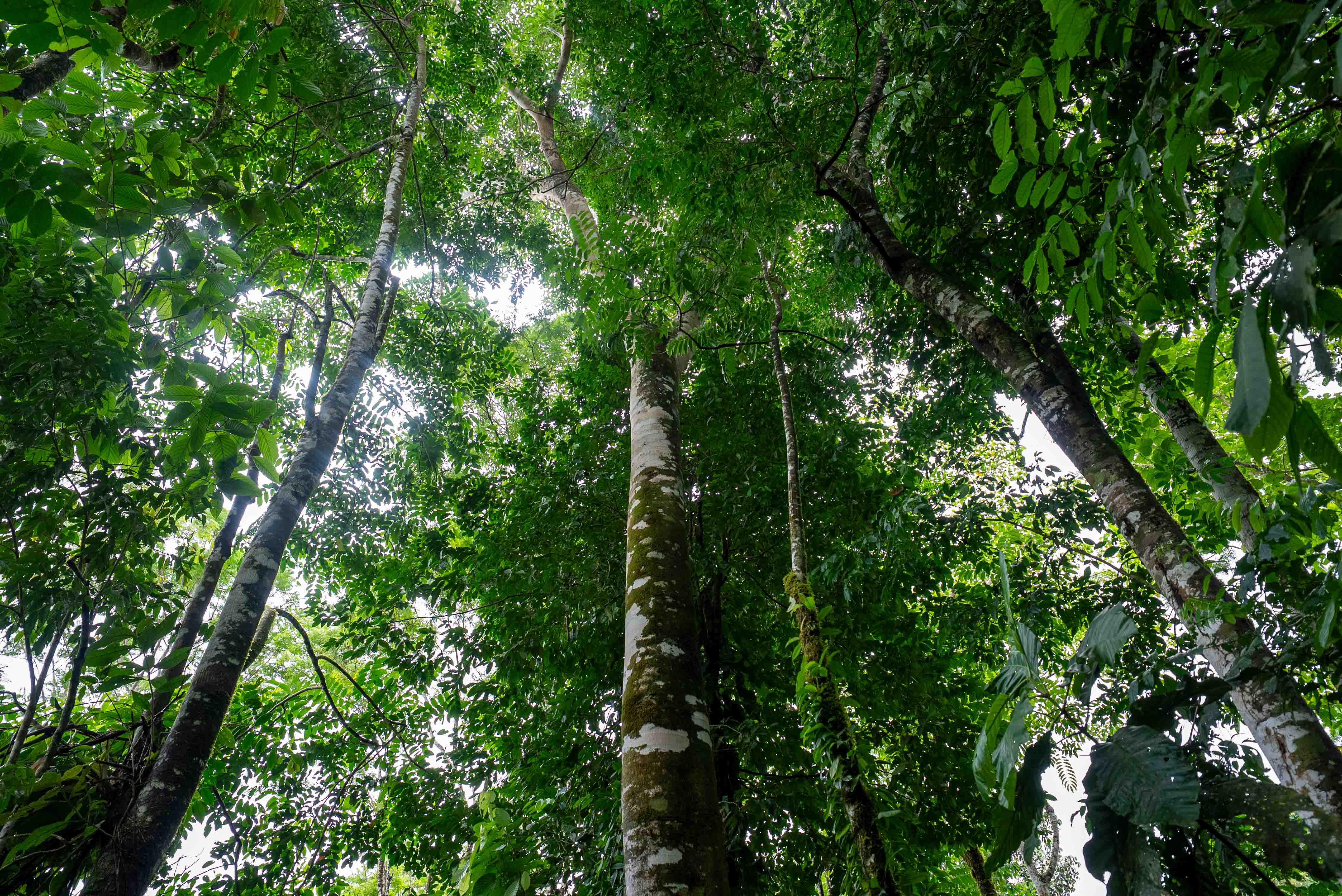
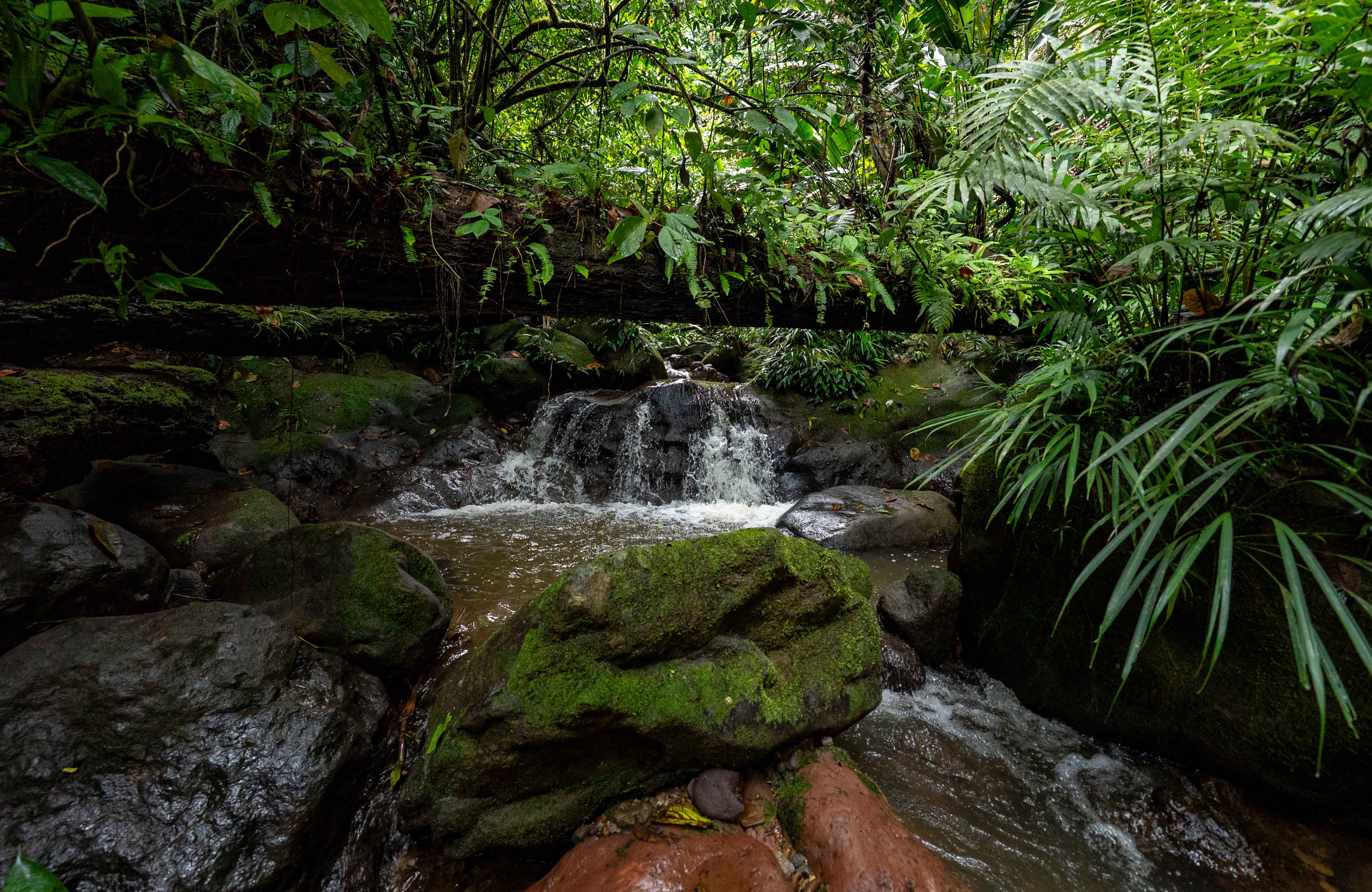
Tarimiat is an Amazon rainforest reserve located on the border between Ecuador and Peru, a territory where crystal-clear waterfalls and pristine jungle converge with the lives of the Shuar communities who have inhabited these lands ancestrally.
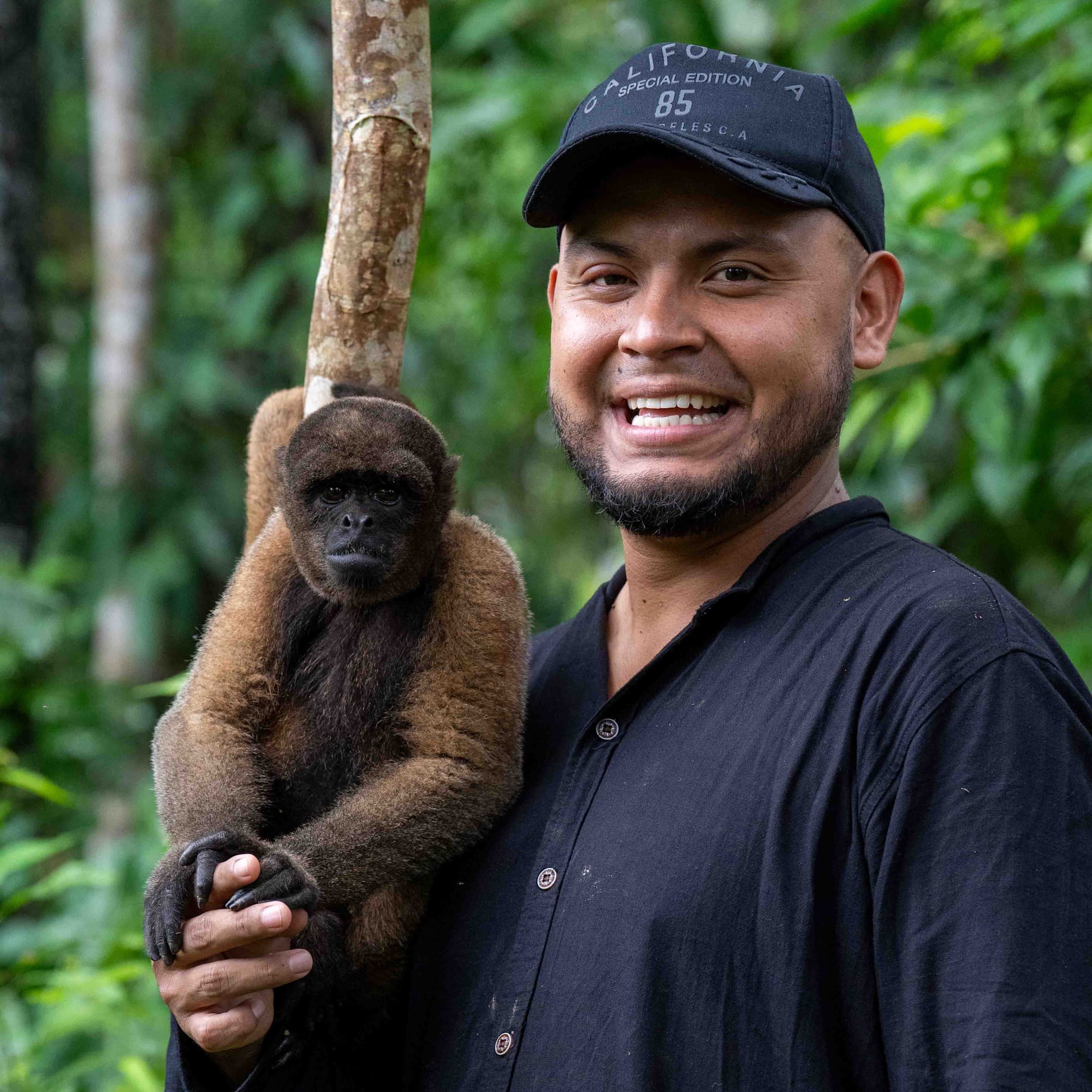
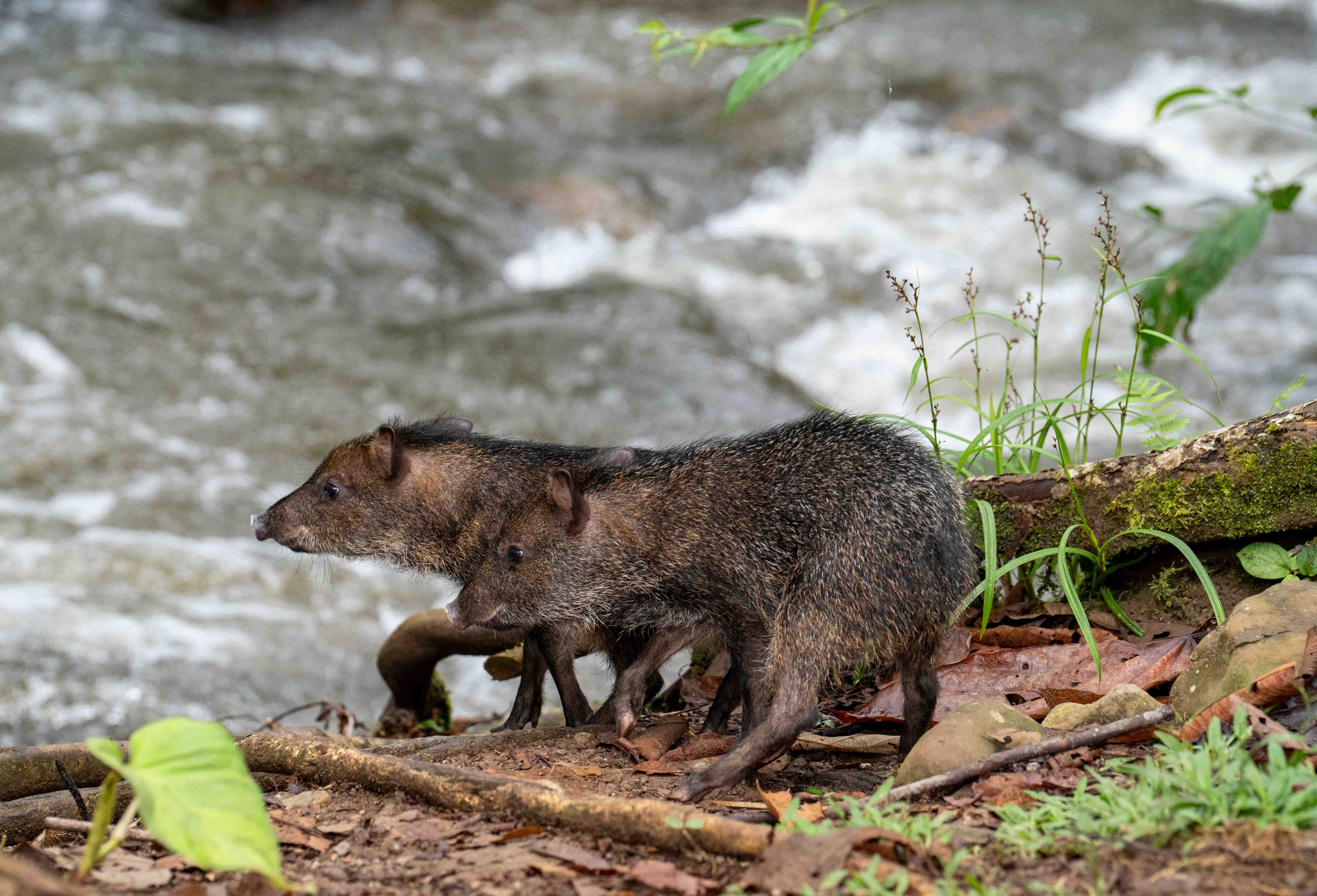
Beyond the conservation of ecosystems, Tarimiat has become a vital refuge for vulnerable wildlife. In this region, the coexistence between animals such as monkeys, anteaters, exotic birds, and the local communities creates situations where these beings require protection, medical attention, and specialized care.
Our mission goes beyond preserving trees: we rescue, rehabilitate, and protect species affected by mistreatment or human impact, working in harmony with the communities to restore the balance between humanity and nature.
In Tarimiat, every wild life matters. Every forest counts. Every action makes a difference.
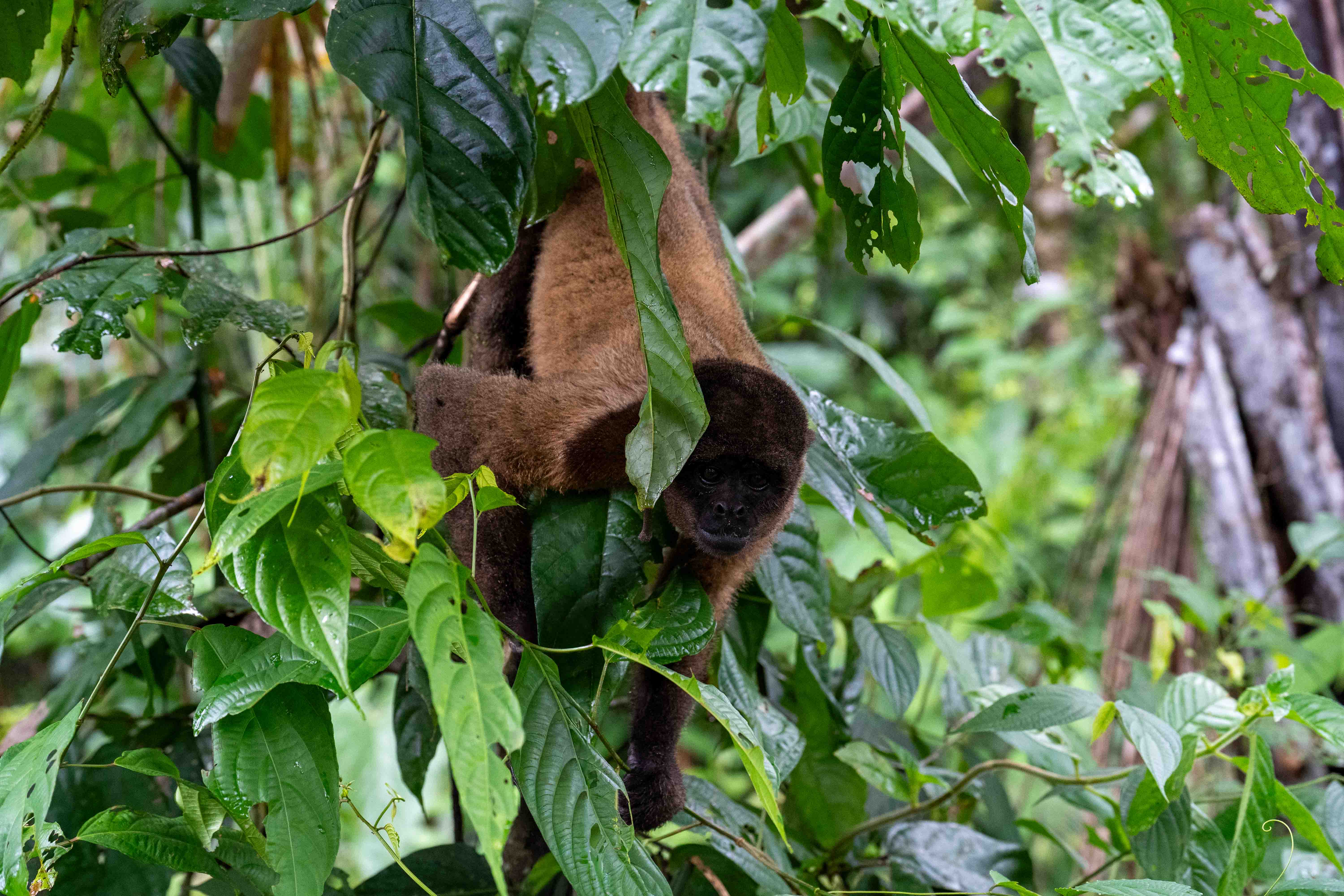
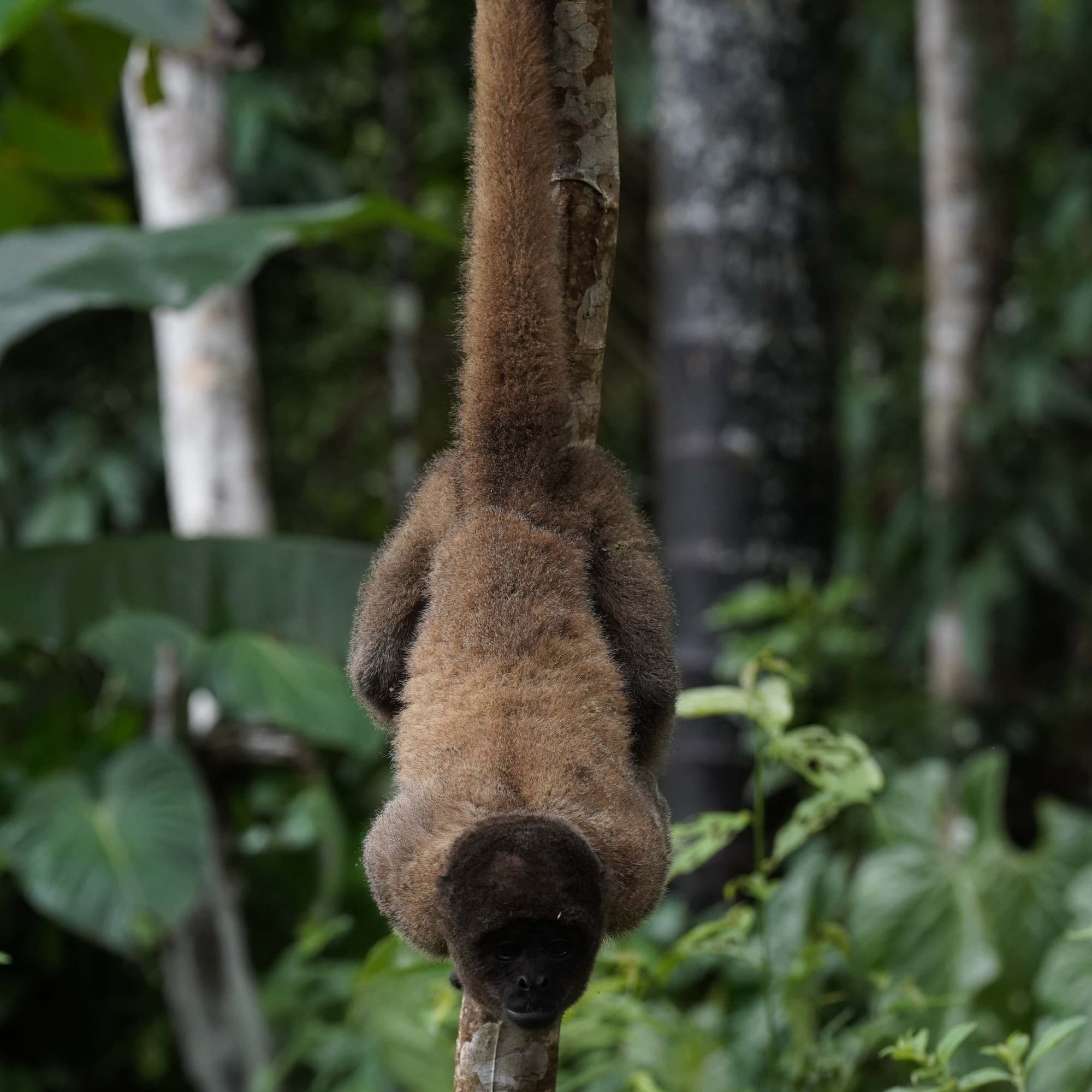

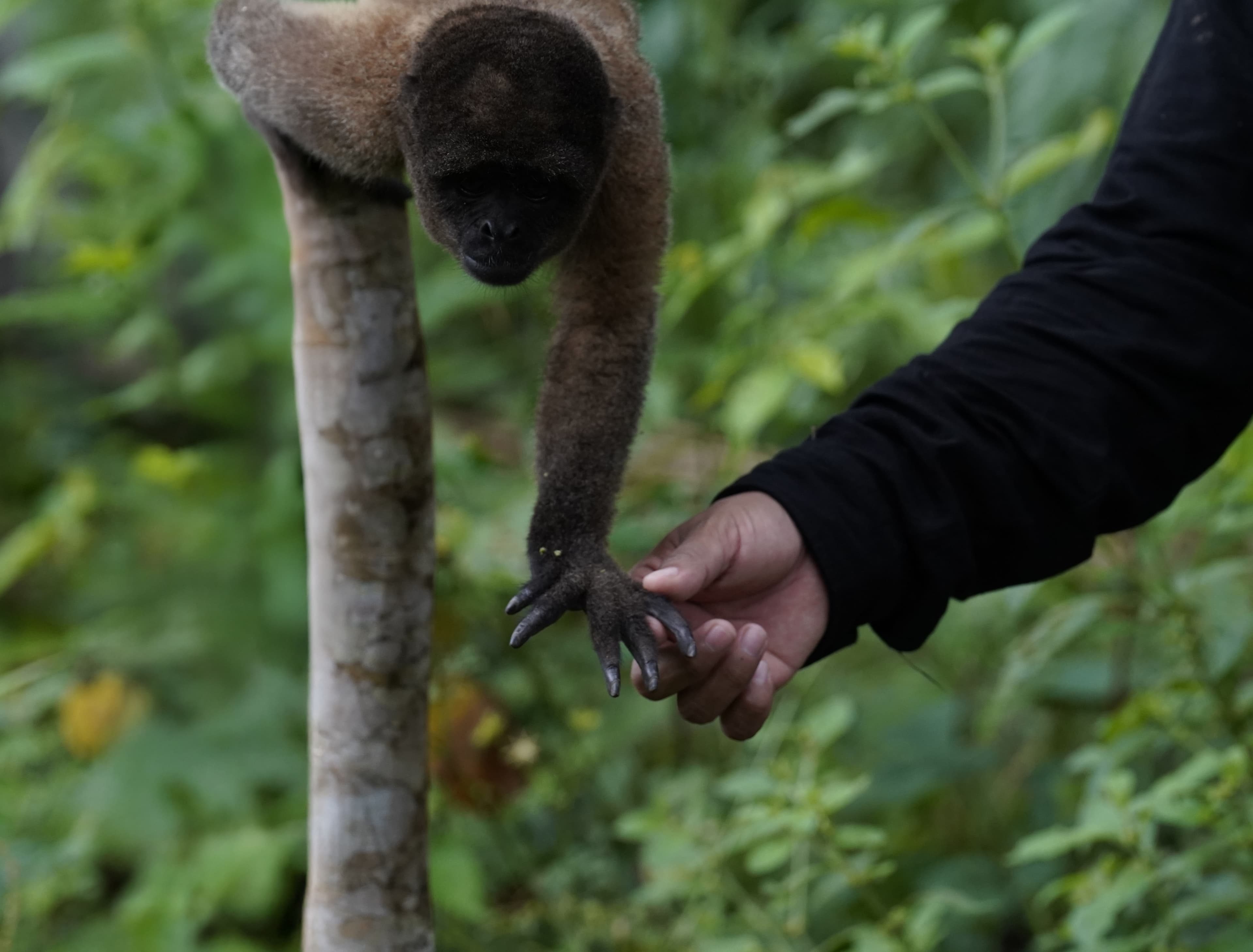
The kinkajou naturally inhabits areas of primary rainforest with a continuous canopy. Its presence indicates functional ecosystems with constant availability of food resources and a complex forest structure.
Hortus Deliciarum maintains pristine Amazonian territories where these conditions remain intact:
Preserved Forest Structure:
Continuous canopy that allows for natural movement
Food Availability:
Unaltered phenological cycles of fruiting
Absence of Capture Pressure:
Legal and physical protection of the territory
Stable Populations:
Population densities that do not require management
Effectiveness Analysis
Territorial protection eliminates the initial phase of the problem: the removal of the animal from its natural environment. Without extraction:
There is no inappropriate keeping (pet trade)
No rescue is required
No rehabilitation costs are incurred
Populations remain genetically diverse
The case of the Tarimiat kinkajou represents a situation that can be avoided through preventive territorial conservation.
Every hectare of virgin forest protected by Hortus Deliciarum functions as a viable habitat for arboreal species like the kinkajou, reducing the probability of extraction and inappropriate keeping.