
MEALY AMAZON PANCHO
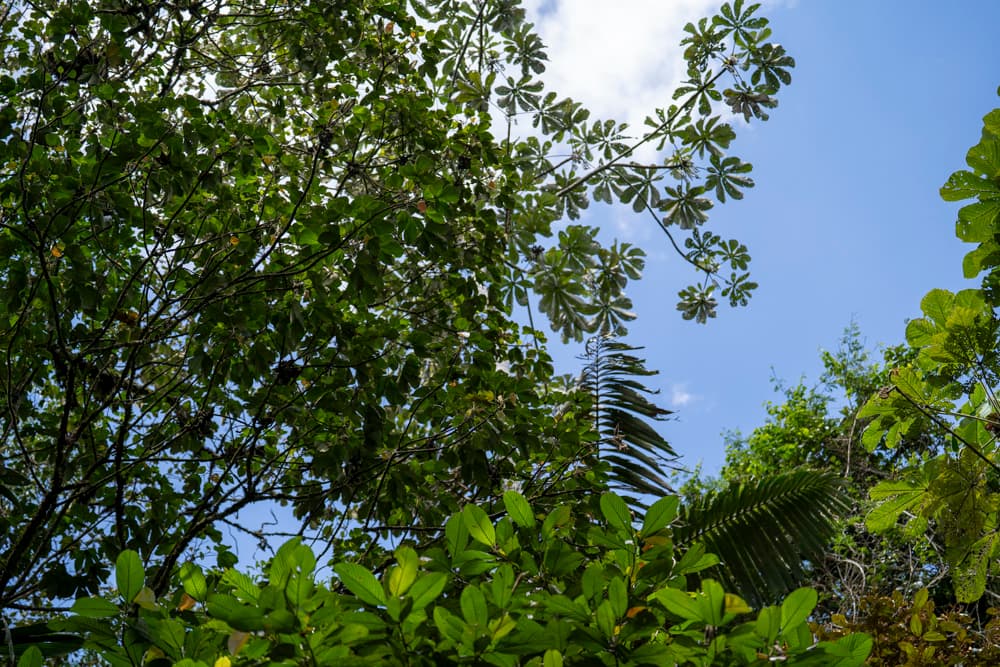
In Ecuador, an exceptional diversity of birds can be found, including tropical rainforest parrots of the family Psittacidae, known for their intelligence, longevity, and complex social behavior. These birds play a significant ecological role as seed dispersers, promoting tree regeneration and contributing to the structure of forests.
Pancho belongs to this group of psittacids native to the Ecuadorian Amazon. Unlike many other birds, Amazon parrots exhibit a combination of traits that make them especially sensitive to changes in their environment. They are highly intelligent, capable of learning sounds and patterns, and in some cases can mimic vocalizations, which in the wild also serve to communicate within flocks and maintain social cohesion.
Members of this group are also notable for their longevity, with many Amazon parrots living several decades when supported by appropriate care. This extended lifespan allows for the development of complex social relationships and deep learning experiences throughout their lives.
At the same time, parrots are particularly vulnerable to wildlife trafficking and habitat loss. Forest degradation and illegal capture have reduced populations that are already difficult to monitor, and many species are at risk across their natural ranges.
Pancho was found in critical condition. His nest, built in the cavity of a mature tree, had been destroyed by the expansion of agricultural areas in the Ecuadorian Amazon. After being rescued, his chances of reintegration into the wild were extremely low due to the physical and psychological trauma he had endured, and because severe habitat fragmentation left few continuous forest areas where he could adapt and survive.
From that moment forward, his life took a different direction, though no less meaningful. Pancho was welcomed by Marcelo Fernández, into an environment designed to respect his ethological needs—that is, his natural behavior—and to allow him to express his cognitive and social potential without unnecessary restrictions.
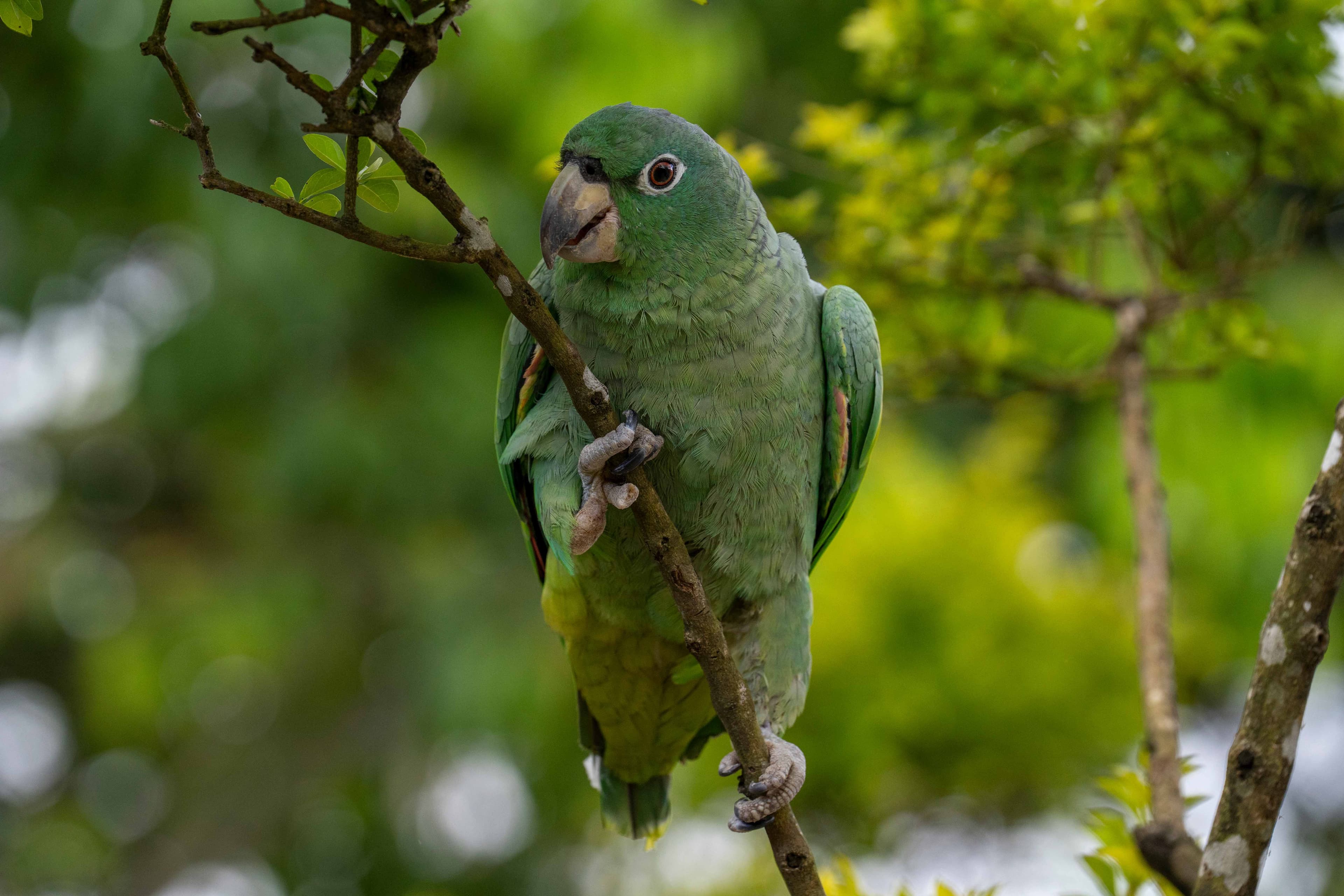
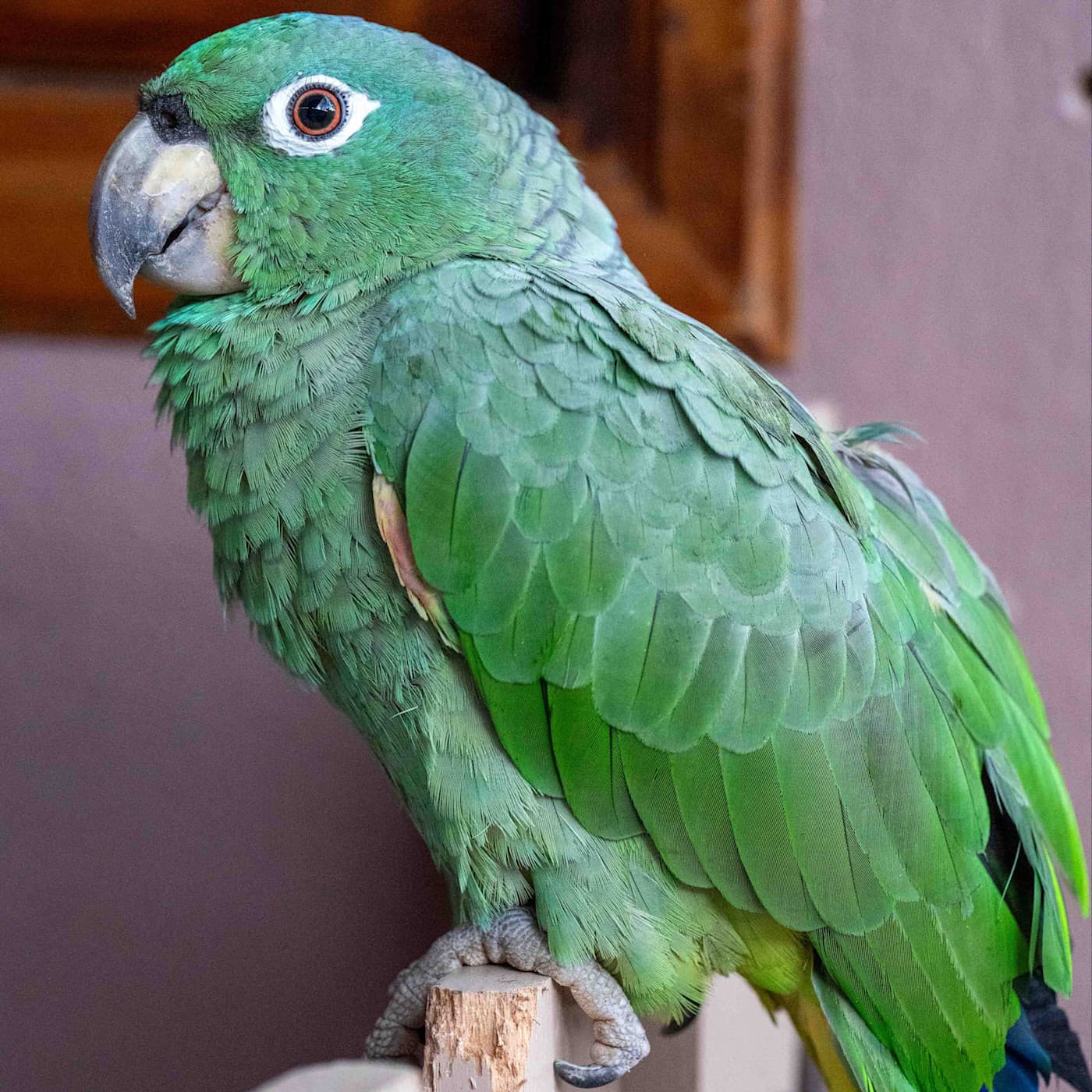
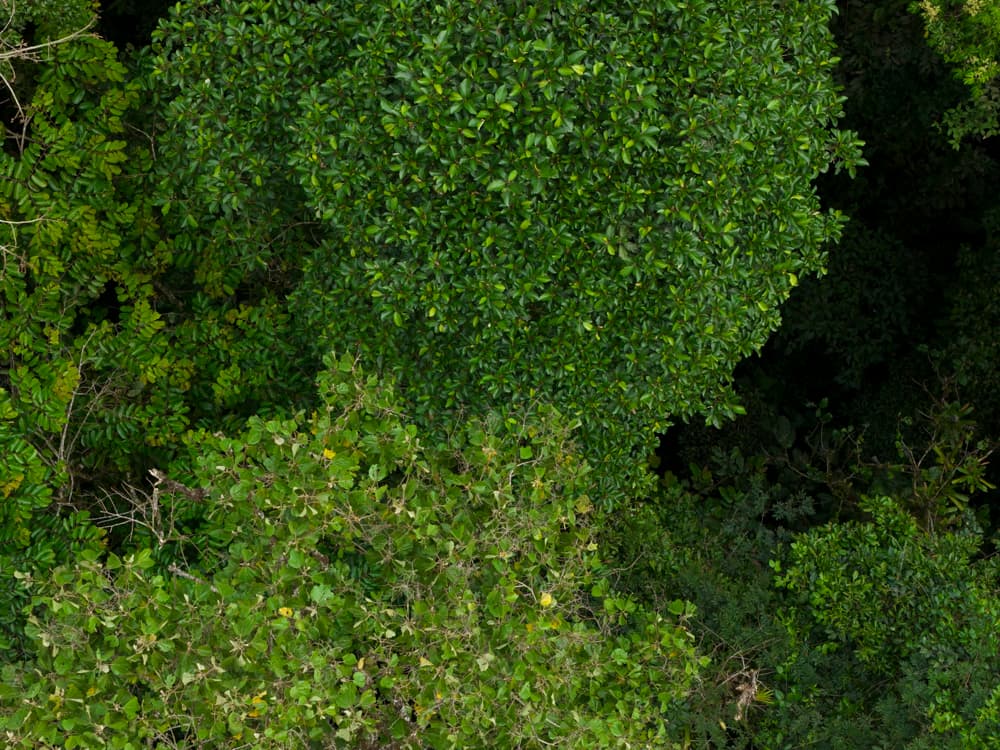
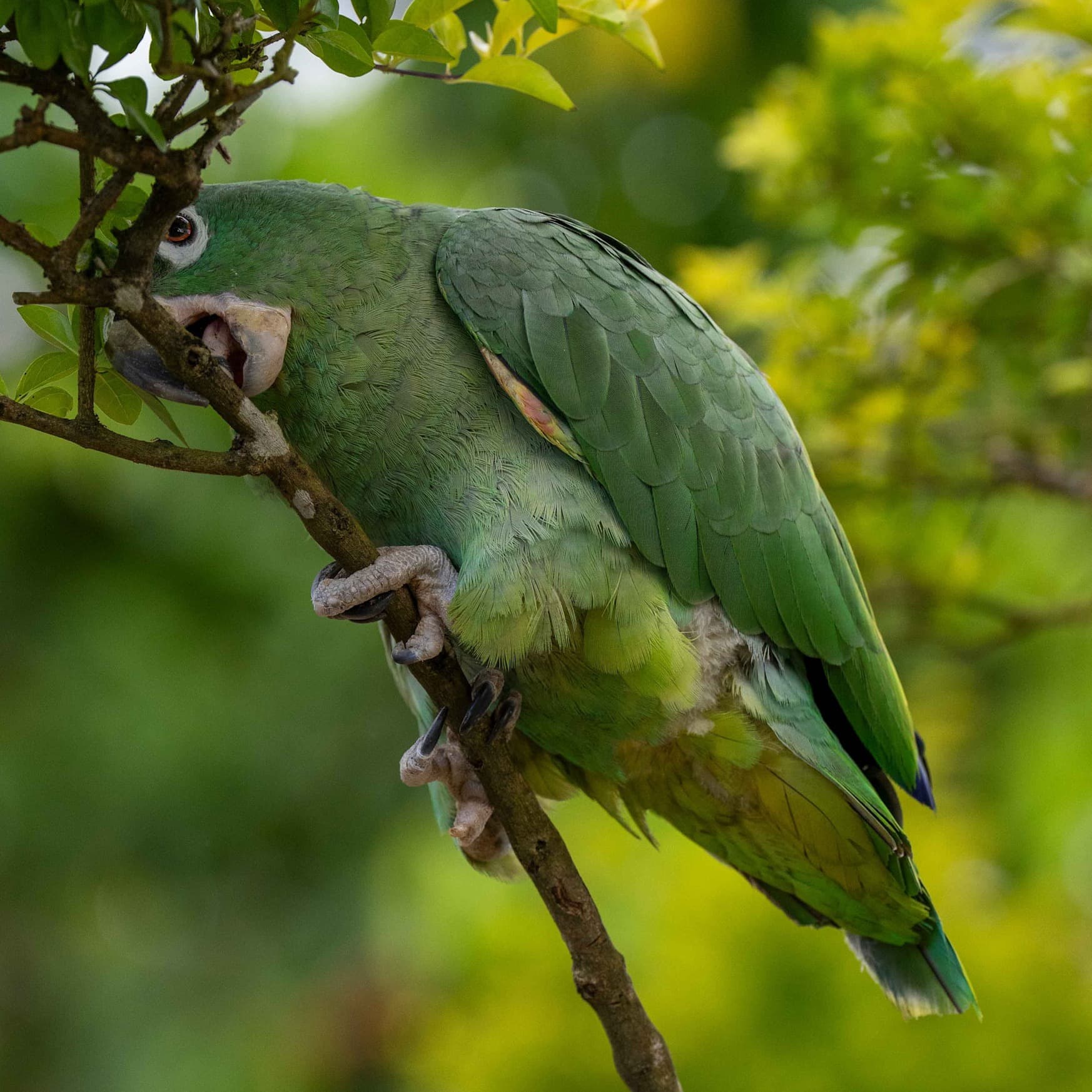
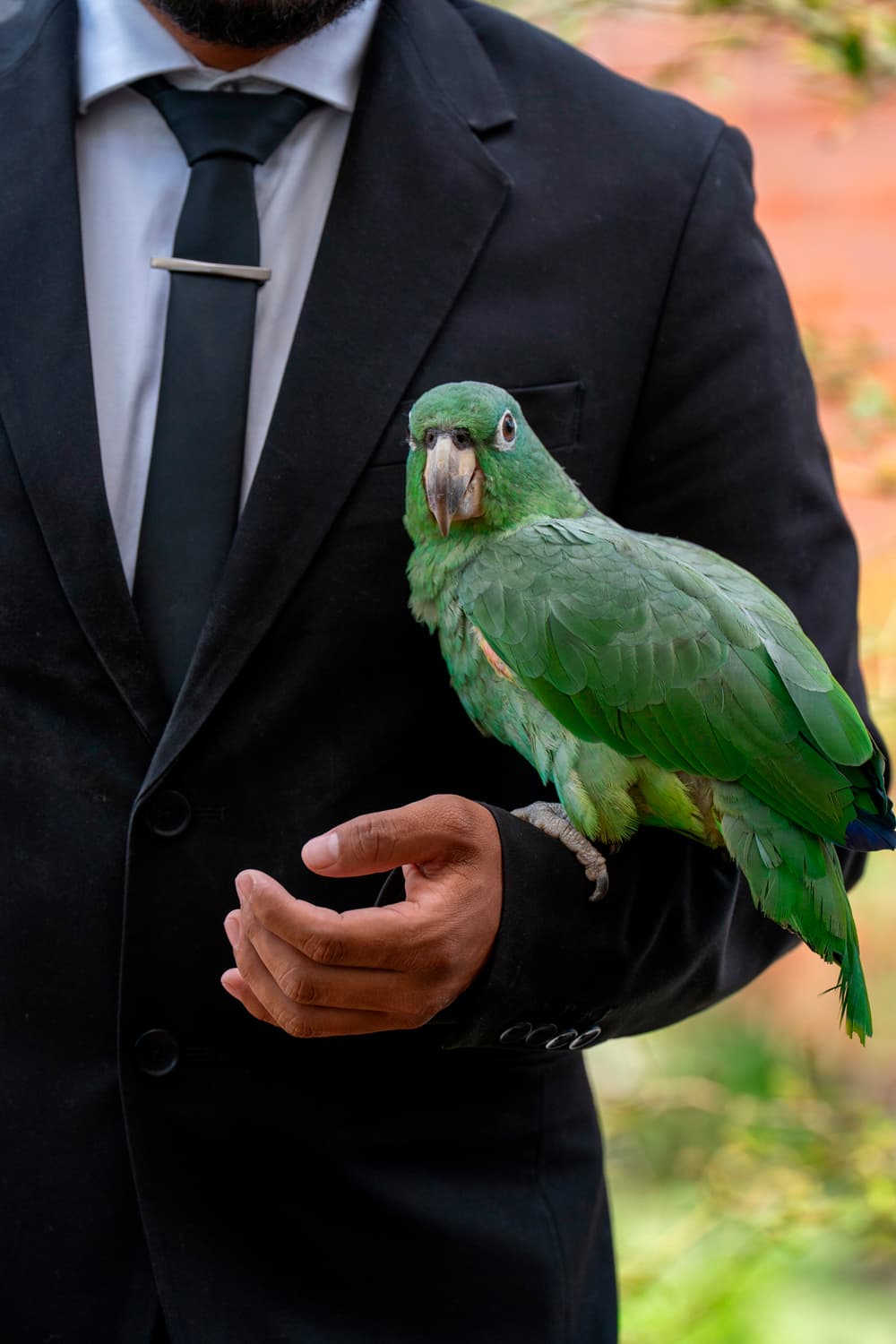
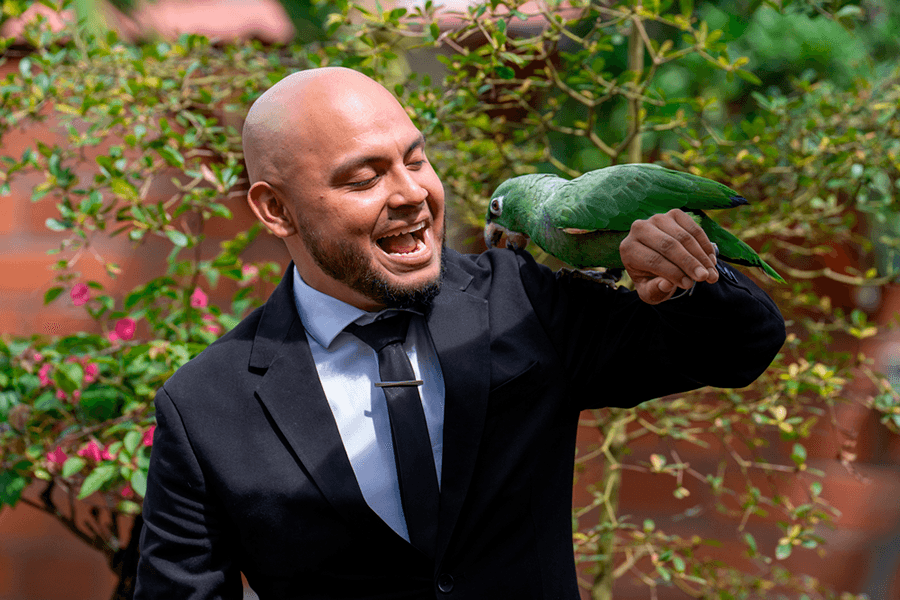
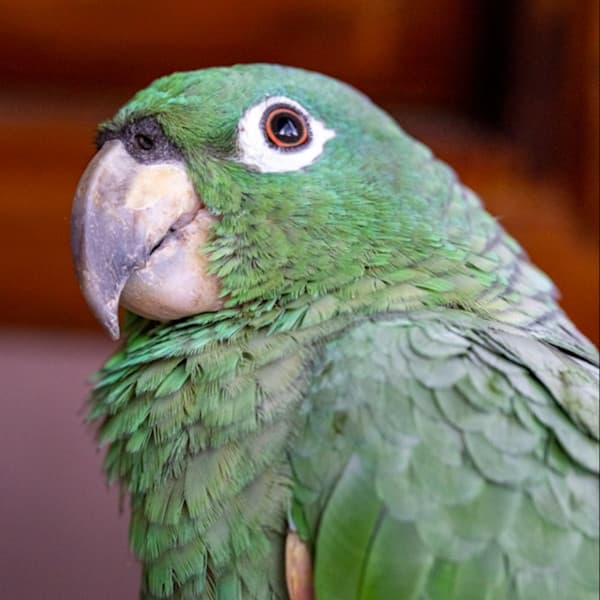
Pancho’s coexistence with Marcelo is not comparable to traditional captivity. Instead, it is based on respect for his natural behavioral patterns, providing space and environmental stimuli that approximate aspects of a natural setting, adaptive social interaction that engages his curiosity, and specialized care from avian experts who tailor his diet, physical activity, and environmental enrichment to his biological needs.
His physical recovery and adaptation to a stable environment have made his presence a source of learning for those who interact with him. Although some parrots may imitate sounds from their surroundings, in Pancho’s case this has been less about “talking” and more about conveying emotional states and needs, which is an indicator of cognitive well‑being in psittacids.
Pancho’s story goes beyond his individual condition and has become an example of how ethical care, technical knowledge, and respect for the biology of a species can produce positive outcomes, even under adverse circumstances. His presence within Hortus Deliciarum provides concrete evidence that wildlife protection does not always end with reintegration into nature, but can also manifest in spaces of respectful coexistence that promote well‑being, care, and learning.
Beyond his initial survival, Pancho represents a hopeful message: even in the face of the complex threats currently confronting wildlife—such as habitat loss and illegal trafficking—it is possible to build social action models that respect the biology, behavior, and individuality of each living being. His story stands as testimony that commitment to wildlife can take diverse forms, always grounded in ethics, knowledge, and shared responsibility.