

On 11 November 2026, at the World Leaders Summit of the United Nations climate conference in Antalya, a coalition of nine philanthropic organisations, among them a private family office, announced plans to commit eighty-eight million dollars to the Tropical Forest Forever Facility. The sum is small beside the target it serves. The facility, launched a year earlier at the conference in Belém, has until the end of December to reach a first capitalisation of ten billion dollars, and by its backers' own account two point one billion is still missing. Eight governments have joined as sponsors so far: Brazil, Norway, Indonesia, Germany, France, Luxembourg, the United Kingdom and, with up to five hundred million dollars, the Netherlands.
The design is unlike anything forest finance has tried. Sponsor countries and philanthropies are to provide twenty-five billion dollars in long-term loans and guarantees; on that base the facility intends to raise a further one hundred billion from private investors. The combined capital would be invested in bonds, and the margin between what the portfolio earns and what the facility owes its lenders would be paid out each year to tropical forest countries. According to its promoters, sixty-seven countries holding more than ninety percent of the world's tropical forests back the scheme.
What it pays for is the unusual part. A country would receive up to four dollars a year for every hectare of tropical forest still standing, verified by satellite, provided its deforestation rate stays below half a percent. At least twenty percent of the money must go to Indigenous Peoples and local communities. And for every hectare deforested, a penalty of four hundred or eight hundred dollars is deducted from the payment, according to the analysis published by the German Institute for International and Security Affairs.
None of this exists yet as money in motion. The figures announced are pledges; the investment fund is due to be incorporated in Luxembourg before the end of the year and has yet to open the account that will receive contributions. The hundred billion from private investors is an intention, not a commitment, and analysts have warned that tying forest payments to the performance of a bond portfolio imports the volatility of financial markets into the one thing the scheme promises to make stable. The same analysis notes that public and private forest finance together amount, on average, to about a quarter of what the 2030 forest goals would require, and expects the facility to add to that flow, not to reverse the trend.
The design does answer a problem that peer-reviewed research has documented. In 2023, West and colleagues examined in Science twenty-six voluntary avoided-deforestation projects in six countries, whose carbon credits are issued against a baseline: an estimate of the deforestation that would otherwise have occurred. Most of the projects had not significantly reduced deforestation, and where they had, the reductions were substantially smaller than claimed, because the baselines did not match what happened in comparable areas. A payment for forest that is standing needs no such counterfactual. A satellite can observe a forest. It cannot observe what would have happened to it.
It is worth stating precisely what is known and what is not. The four dollars is a ceiling that assumes the full capital is raised and the portfolio performs; with less capital the payment is smaller. Whether such a sum can compete with the returns from cattle, soya or timber on the same land is doubted even by sympathetic observers. The announcements come from the facility's sponsors and from organisations that have put money into it, and the critical analyses come from institutes with positions of their own. The Science study concerns a different instrument, project-based carbon credits, and says nothing about whether this one will work. The facility may yet fall short of its target, or reach it and disappoint.
Whatever its fate, the term sheet already contains a valuation. The same design that offers four dollars a year for a hectare that stays charges four hundred to eight hundred for a hectare that goes. Its authors, in other words, price the loss of a hectare at one hundred to two hundred times a year's payment for its presence. That is how a lender treats interest and principal: the yield is modest and recurrent, and the capital is what cannot be allowed to disappear. For the first time, a multilateral instrument proposes to pay for a state and not for a change, and in doing so it describes standing forest in the vocabulary of an asset held, not of a service rendered.
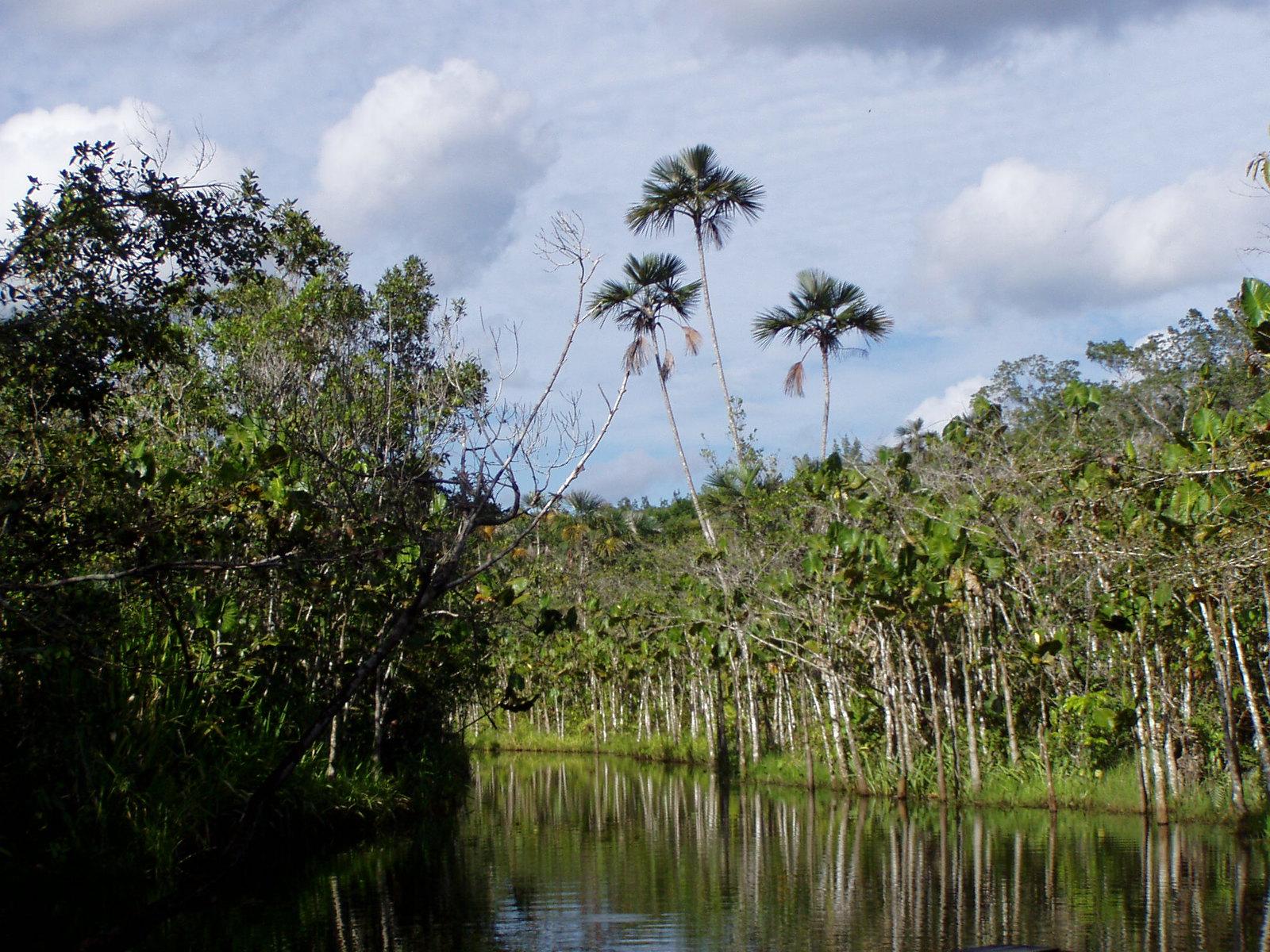
That is the premise behind Hortus Deliciarum in the Ecuadorian Amazon: securing primary forest under title and long-term custody is not philanthropy. It is holding the principal on which every such scheme, public or private, proposes to pay. If governments are trying to assemble one hundred and twenty-five billion dollars in order to pay four dollars a year for a hectare that stays, what is that hectare worth to whoever holds it? The documentation is at www.hortusdeliciarum.org
SOURCES
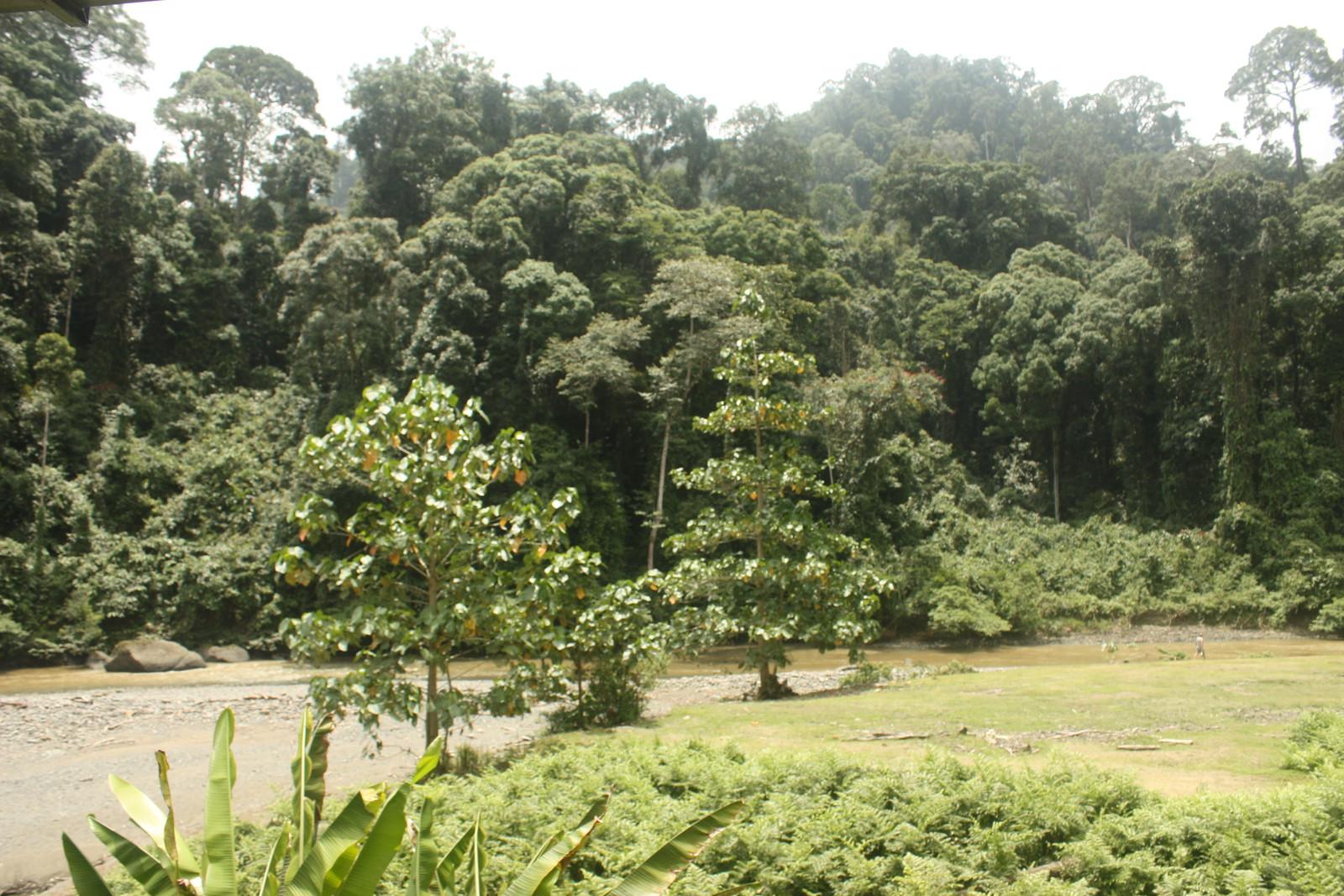
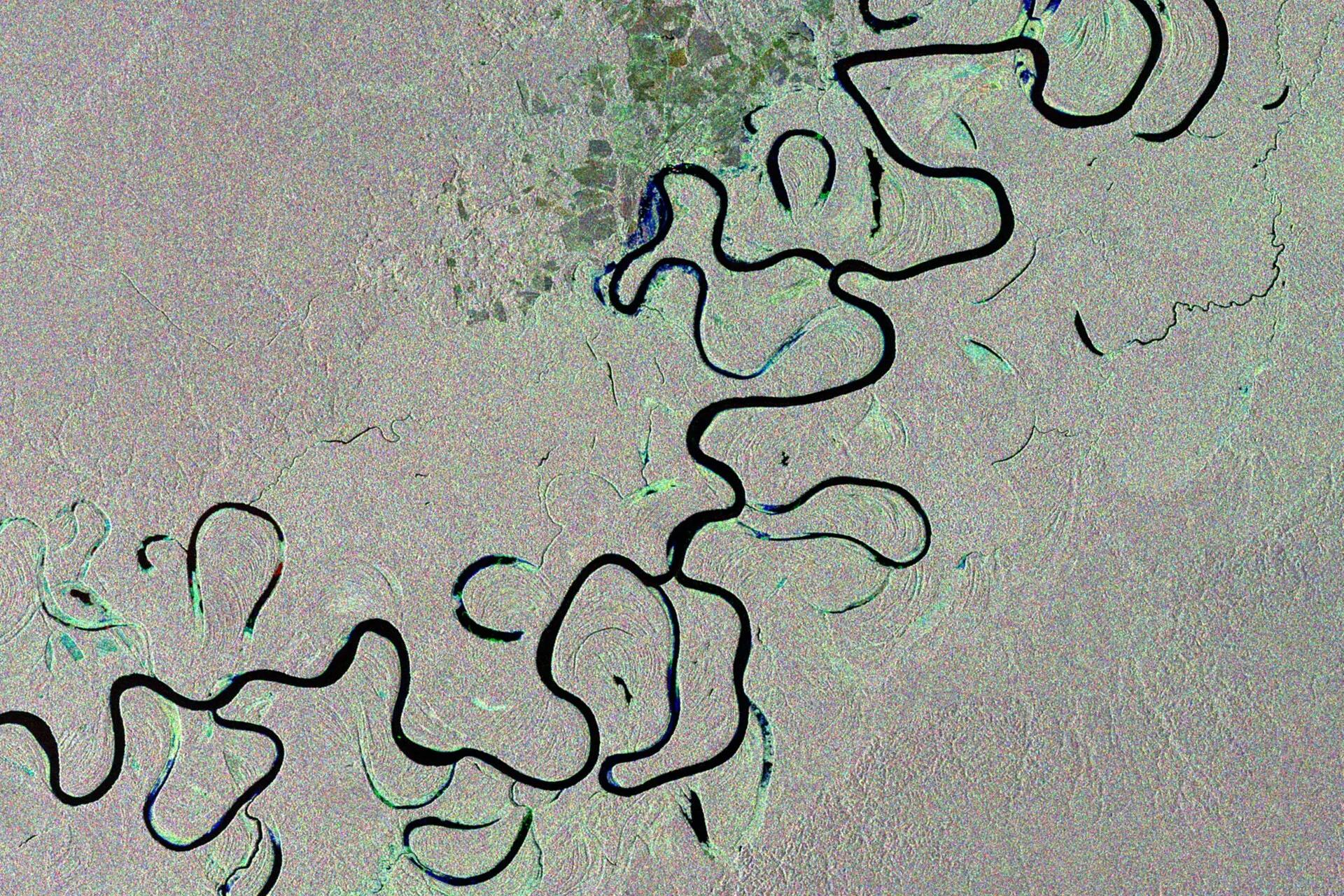
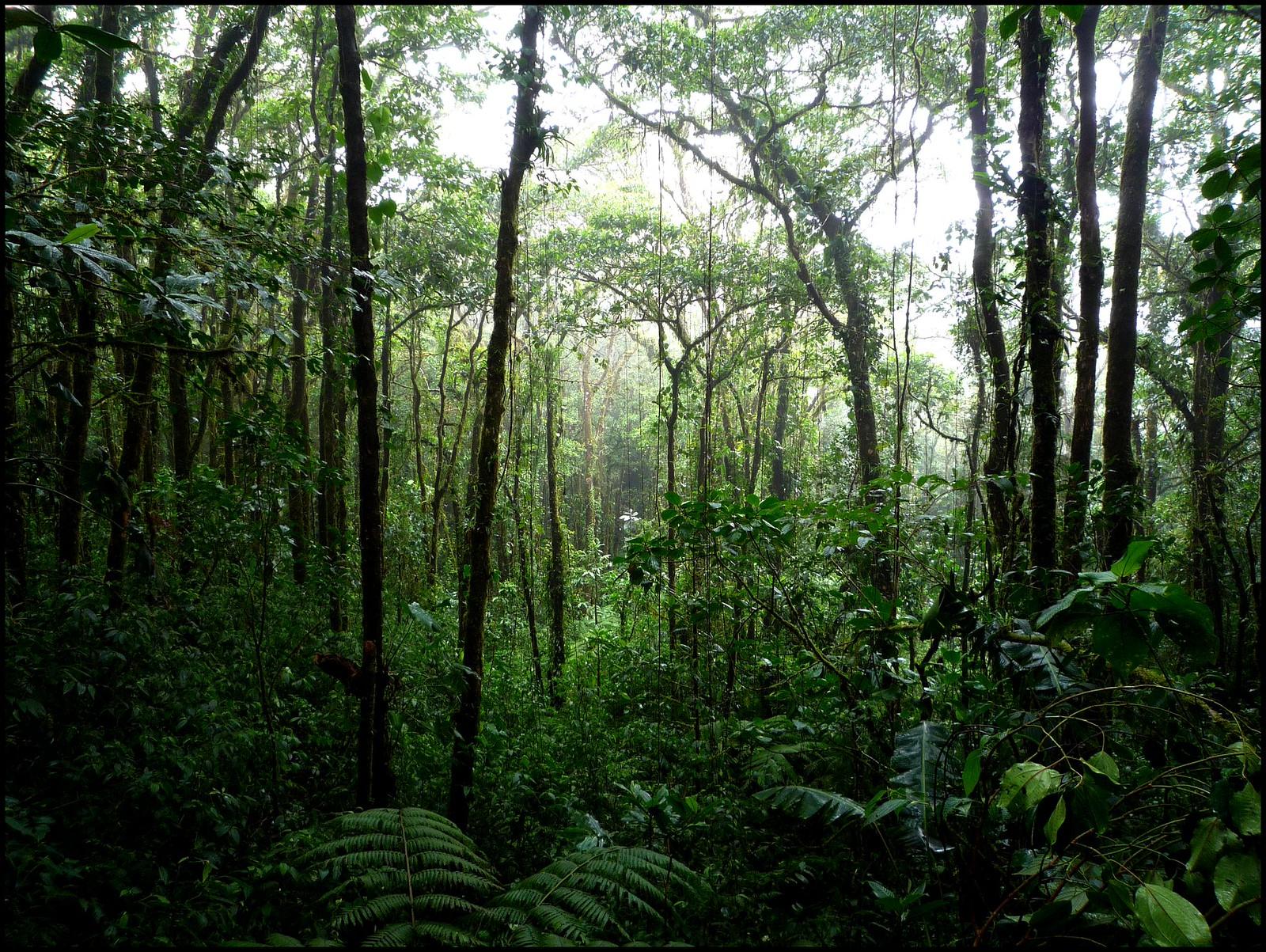
Announcements — Children's Investment Fund Foundation, "Philanthropies plan to commit $88 million to Tropical Forest Forever Facility as race to close fundraising gap enters final stage", COP31 World Leaders Summit, Antalya, November 2026; WWF, "New philanthropic pledges signal strong confidence in the TFFF", 11 November 2026. Policy analysis — Stiftung Wissenschaft und Politik (German Institute for International and Security Affairs), "The Tropical Forest Forever Facility and Its Role in International Forest Finance". Peer-reviewed research — West, T. A. P. et al., "Action needed to make carbon offsets from forest conservation work for climate change mitigation", Science 381, 873–877 (25 August 2023), doi 10.1126/science.ade3535. Methodological note — The facility's terms (payment per hectare, deforestation threshold, penalties, share for Indigenous Peoples and local communities, capital structure) are taken from the SWP analysis, not from the facility's own documents, which were not consulted; other sources describe the penalty and the number of eligible countries differently. The ratio of one hundred to two hundred is this article's own arithmetic. Pledges are commitments, not disbursements. The abstract of the Science paper was consulted through its Crossref record. Photo credits — Cover and forest interior: Victoria Reay, CC BY 2.0. Borneo rainforest: Elliot and Emma, CC BY 2.0. Forest in Yasuní: twiga_swala, CC BY-SA 2.0. All via Flickr. Radar image of a rainforest river: European Space Agency (Envisat), CC BY-SA 3.0 IGO, via Wikimedia Commons, cropped.
© Hortus Deliciarum Strategic Conservation | Amazon
This document is provided for informational purposes. Data and findings are sourced from peer-reviewed research, government records, and verified scientific publications.