
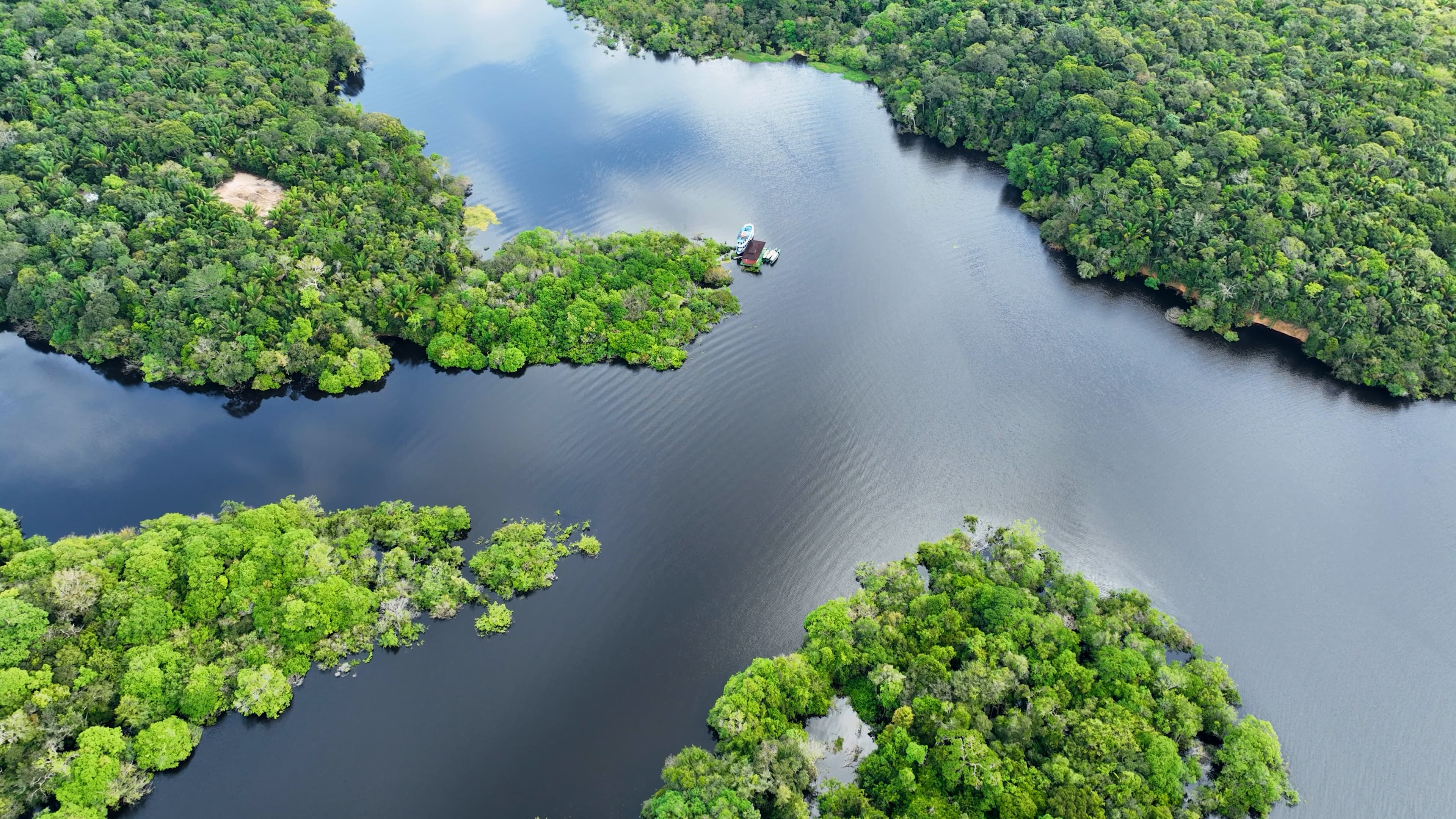
There is a question that separates those who accumulate from those who endure: what do you protect when everything else can be built again?
A portfolio can be reconstructed. A company can be refounded. A property in any major city can be replaced by another property in another major city. But a virgin ecosystem that has been operating without interruption for sixty-five million years cannot be replicated by any amount of capital, engineering, or time. Once it is gone, it is gone permanently. No technology reverses that. No market corrects it.
This is the premise on which Hortus Deliciarum was built. Not as a real estate proposition but as access to an asset class the world can no longer produce.
We operate in the Ecuadorian Amazon. The choice of jurisdiction is not incidental.
Ecuador is the only country on Earth that recognizes nature as a subject of constitutional rights. Since 2008, Chapter 7, Articles 71 through 74 of its constitution grant ecosystems the right to exist, to regenerate, and to be restored with the same legal standing as human rights. Any person or organization can petition a court to defend these rights on nature's behalf. This framework has already stopped multinational mining operations, revoked corporate extraction licenses, and permanently prohibited industrial activity in protected forests.

No other country operates at this level of legal protection. Bolivia and New Zealand have recognized rights of nature through ordinary legislation, which a parliamentary majority can amend. India and Colombia have done so through court rulings, which future courts can reinterpret. Ecuador's framework sits at the constitutional level the most difficult legal threshold to modify in any legal system.
Every property structured through Hortus Deliciarum is titled, permanently conserved, and protected by this triple-layered architecture: private property rights, environmental regulatory law, and constitutional rights of nature as the supreme legal ceiling. For those who think in generations rather than quarters, this is not a detail. It is the foundation.
Our proposition rests on three pillars.
The first is refuge. In an era of increasing systemic fragility climate volatility, supply chain disruption, geopolitical instability intact land with access to fresh water, a self-regulating microclimate, and functioning biodiversity is not a romantic idea. It is infrastructure. A Hortus Deliciarum property provides what no urban asset can guarantee: a functioning ecosystem that produces clean water, regulates its own temperature, and sustains biological processes independently of any external system. It requires no maintenance, no irrigation, no human input. It has operated autonomously for millions of years and will continue to do so provided it remains intact. That is what protection ensures.
The second is value. The economics of scarcity are straightforward: what becomes rarer becomes more valuable. Global forest cover is declining. In 2023, the tropics lost approximately ten million hectares. International regulation is tightening the EU Deforestation Regulation is hardening supply chain requirements, institutional investors are integrating nature-related risk into portfolio frameworks, and the Tropical Forests Forever Facility committed $125 billion at COP30 to forest preservation. A recent study published in Communications Earth and Environment valued the Amazon's rainfall generation at $20 billion annually. Each one percent of forest loss reduces regional rainfall by 2.4 millimeters per year, directly impacting agricultural output across an area where eighty-five percent of farming is rain-dependent. The trajectory is clear. Intact forest is appreciating not because of speculation, but because the ecological services it provides are becoming scarcer and more expensive to lose. A titled, conserved property in the Amazon is a position in an asset whose fundamental value increases as the world's natural capital decreases.
The third is legacy. There is a form of wealth that cannot be measured in financial statements. It is the knowledge that what you hold will outlast you not as a static monument, but as a living system that improves over time. A virgin forest does not depreciate. It matures. It becomes more complex, more biodiverse, more resilient with each passing decade. A building reaches its peak the day it is completed and begins deteriorating immediately. A forest reaches its peak never because it is continuously optimizing. Protecting it is not philanthropy. It is the most sophisticated form of inheritance: an asset that your grandchildren will receive in better condition than you found it, without a single dollar of maintenance.
Consider what is actually contained within a single Hortus Deliciarum property.
Spring-fed water systems that predate every civilization. A canopy so precisely structured it regulates its own climate. Jaguars, harpy eagles, and over twelve hundred plant species per hectare a living architecture no engineer could design and no budget could replicate. Six streams carving forms that optimize water flow with a hydraulic precision no infrastructure project can match. Centuries-old trees with root systems that hold entire slopes in place, preventing erosion across thousands of square meters.
Every element has function. Every structure has been tested by millennia of evolutionary pressure. Every curve, every contour, every branching pattern is the result of optimization so thorough that contemporary biomimetic design the field of engineering that studies natural forms to improve human technology still cannot fully replicate what a single hectare of virgin rainforest achieves autonomously.
This is not a metaphor for luxury. This is what luxury has always aspired to be: form in perfect service of function, achieved without effort, without waste, without obsolescence.
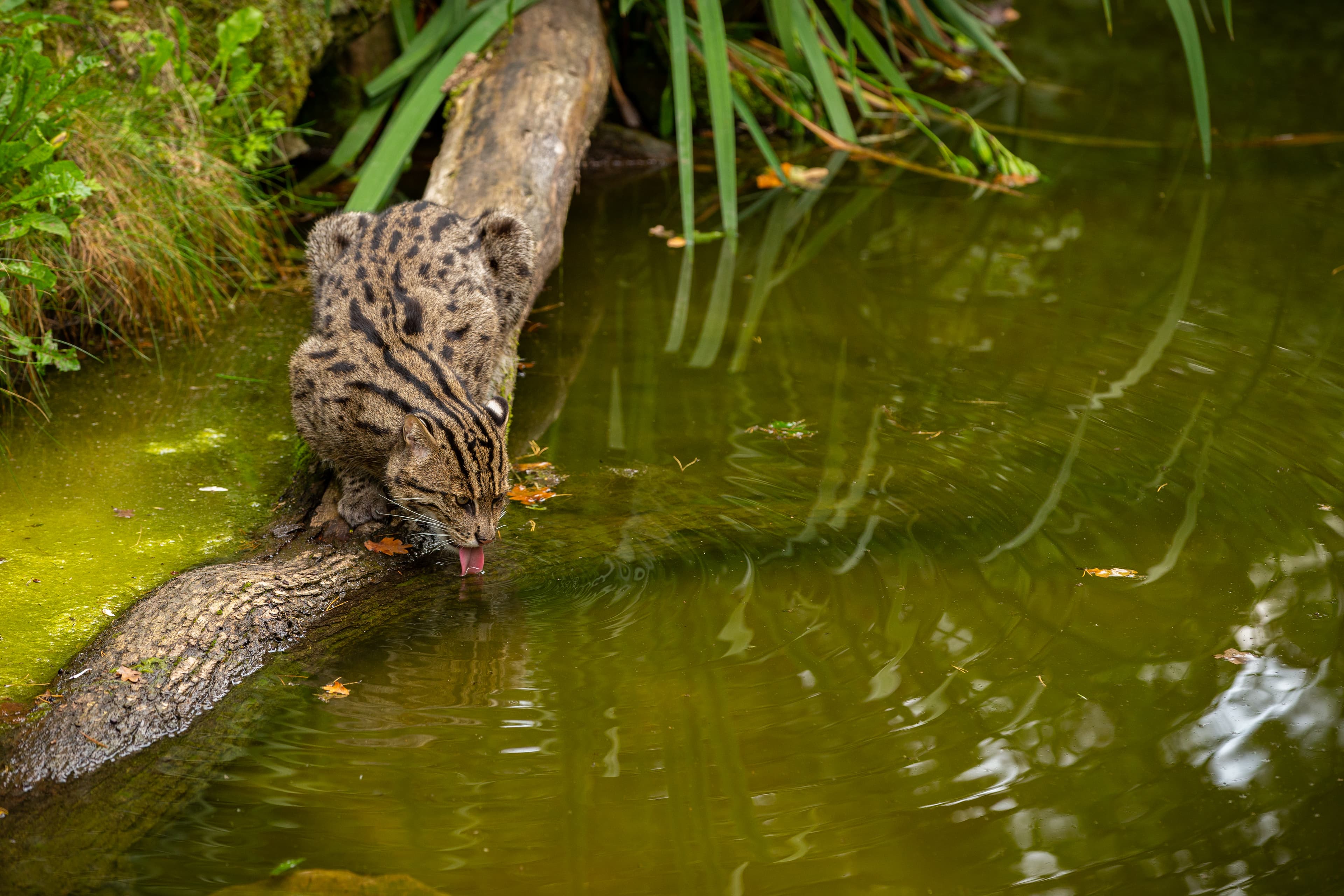
The Amazon is losing territory every year. The window in which titled, legally protected, ecologically intact properties can be secured is finite. What exists today in pristine condition will not exist in the same form in twenty years. The question is not whether this land has value science, law, and economics have converged on that answer. The question is who secures it before the market fully prices it in.