

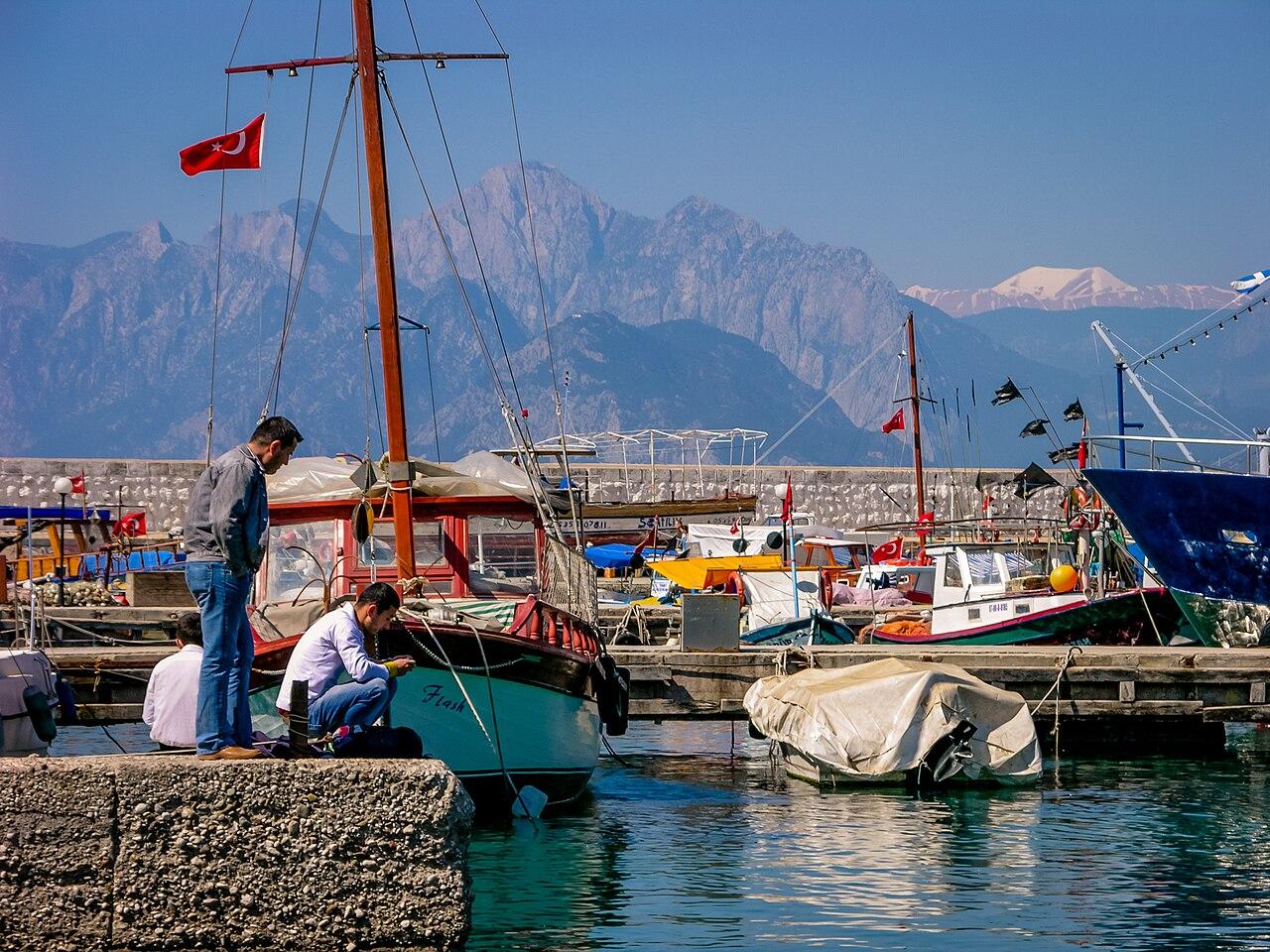
On Sunday 22 November 2026, in Antalya, the president of the thirty-first United Nations climate conference, Türkiye's environment minister Murat Kurum, closed two weeks of negotiation and two days of overtime with a sentence no host wishes to pronounce. "I understand that there is no agreement on this text," he said. "For that reason, these decisions have not been adopted." The proposed Antalya pact fell with it. By Carbon Brief's count, at least thirty-two countries had rejected the final draft from the floor. The summit had run nearly fifty hours past its deadline and became the longest on record.
The cause was not forests. The European Union objected formally because the text omitted any reference to fossil fuels or to a transition away from them, and several climate-vulnerable states withheld their support for the same reason. Other decisions were adopted in the closing plenary, and the unresolved questions pass to the next conference, in Addis Ababa. The Secretary-General of the United Nations, António Guterres, summarised the result in two sentences: there may be no consensus in the negotiating room; there is no ambiguity in the science.
Forests were lost in the wreckage, and the successive drafts show how. The first, circulated on 16 November, welcomed the Brazilian-led roadmap on deforestation and referred to the critical role of forests in carbon storage, food security, biodiversity and the adaptation of communities. Both passages had been removed by the second draft, three days later. The final text retained the language on deforestation that governments had agreed in Dubai in 2023, and added a sentence of its own. It emphasised the importance of nature, forests, the ocean and other ecosystems as "natural infrastructure for resilience", and recognised that they play a critical role as sinks and reservoirs of greenhouse gases. That sentence has no standing. None of the text was adopted.
Outside the negotiating rooms the news was thinner than a year earlier in Belém. A forest leaders' summit on 11 November was devoted largely to the Tropical Forest Forever Facility, which received two new contributions during the fortnight. Canada pledged an initial contribution of up to three hundred and ninety-three million dollars over four years. Norway's loan of up to three billion remains conditional on the fund reaching ten billion by the end of 2026, and its prime minister acknowledged that it will take some time before payments reach the countries and people they are meant for.
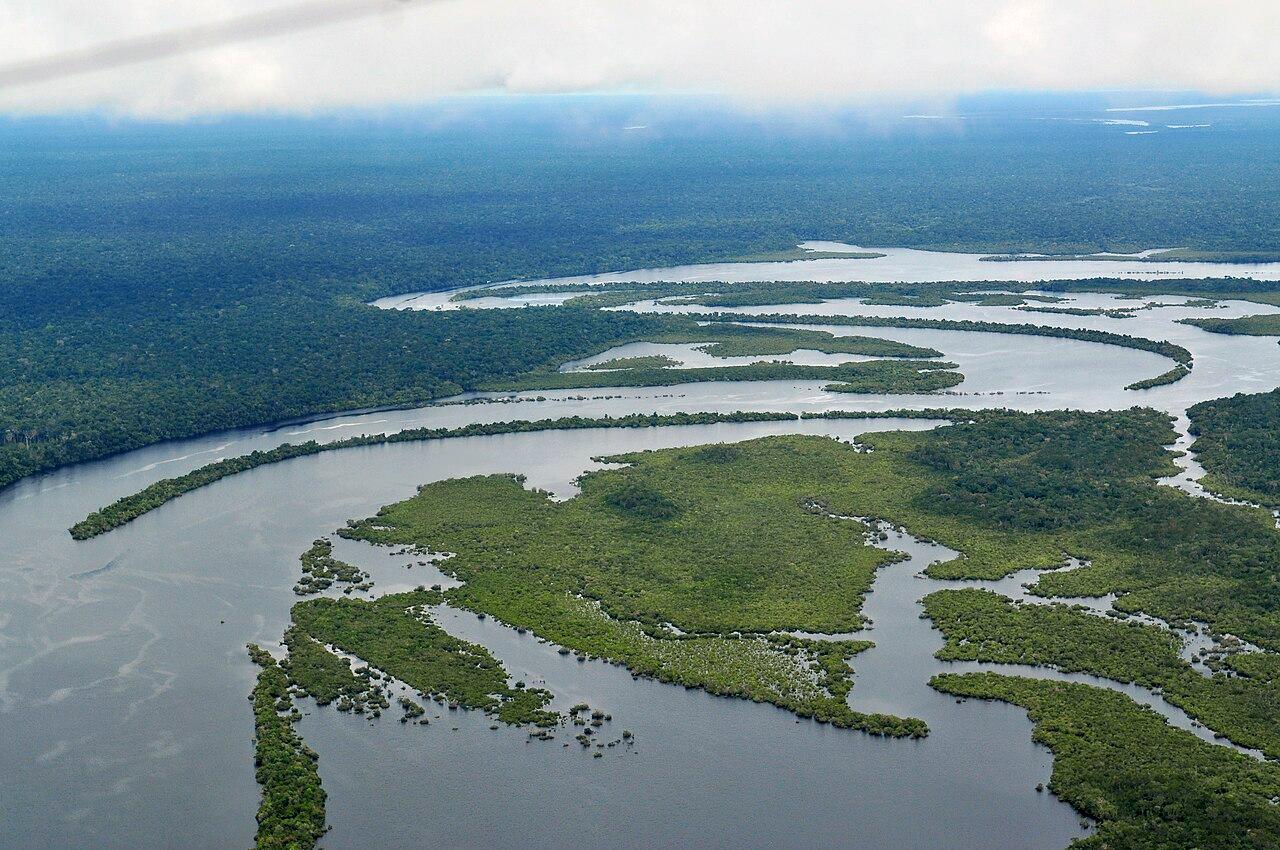
What the unadopted sentence describes is measured every year, with or without a decision. The Global Carbon Budget published on 10 November, during the conference's first week, puts the land sink, the net uptake of carbon dioxide by the world's vegetation and soils, at two point five billion tonnes of carbon a year over the decade from 2016 to 2025, and at three point six billion in 2025 alone. Over that decade it took up twenty-two percent of all the carbon dioxide that human activity emitted. No paragraph of any agreement instructs it to.
It is worth stating precisely what this does and does not mean. The failure is not neutral for forests: the deforestation roadmap lost its mention, and finance of the kind described above depends on political momentum that a collapsed summit does not supply. A rejected draft is not a position of the parties; its wording belonged to the presidency, shared this year between Türkiye and Australia, and might not have survived scrutiny of its own. The conference broke down over energy, and to single out one phrase about ecosystems is this article's choice, not the negotiators'. The land sink is an estimate derived from models, with an uncertainty of about a third of its value, it varies sharply from year to year, and the budget that reports it is a preprint under review.
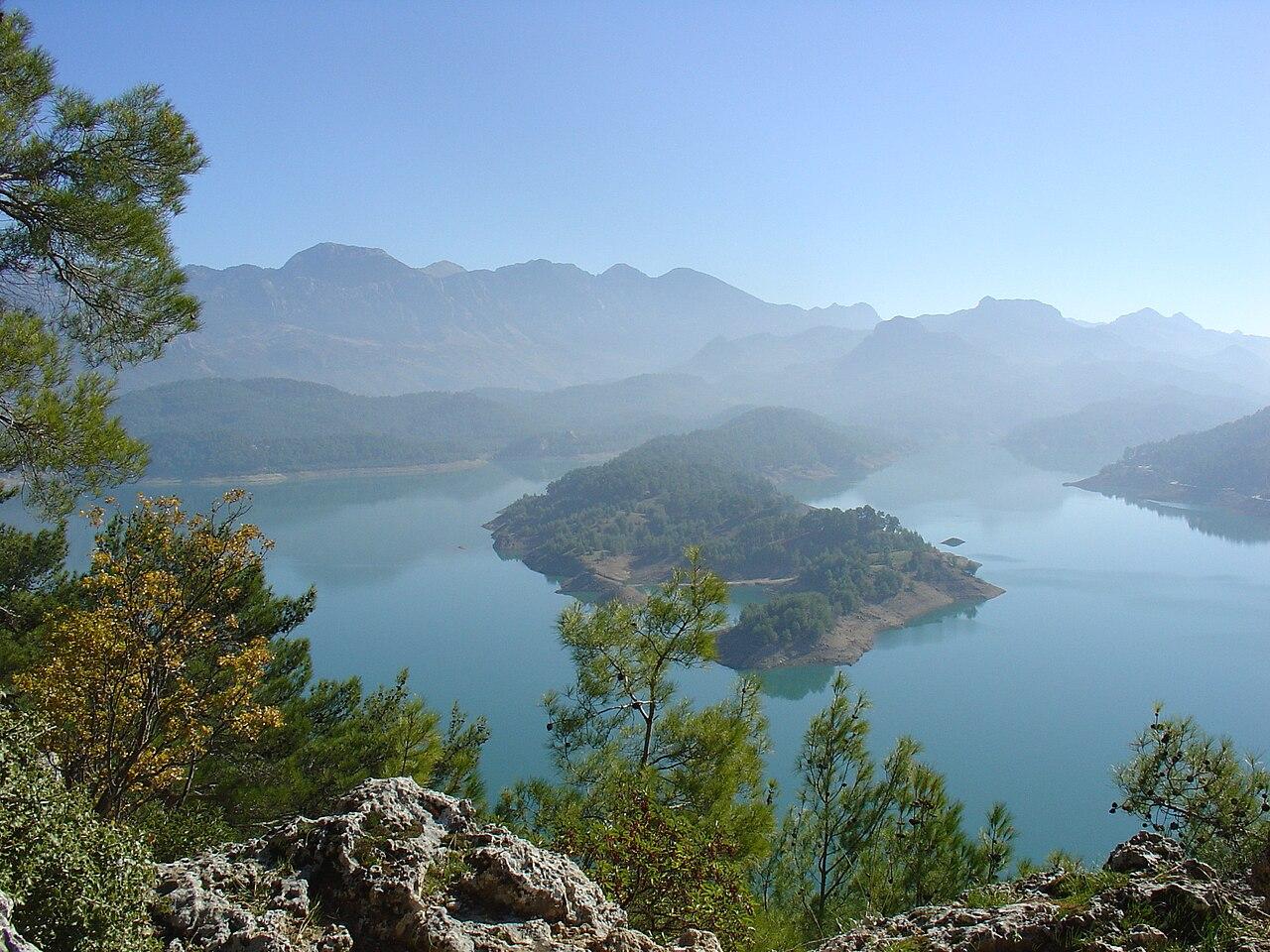
And there the reading reorders itself. A decision of the conference exists only if every party in the room allows it to exist. The sentence about natural infrastructure needed that consent and did not receive it. What the sentence described needs no one's consent. That is the property that makes something infrastructure in the first place: it operates between meetings. A reservoir does not stop holding water when a budget lapses, and the forests named in the draft went on absorbing carbon through fifty hours of overtime, as they will through the year that separates Antalya from Addis Ababa. What a missing consensus can suspend is the recognition, the finance and the promise. It cannot suspend the function. The function has only one way of ending, and it is not procedural.
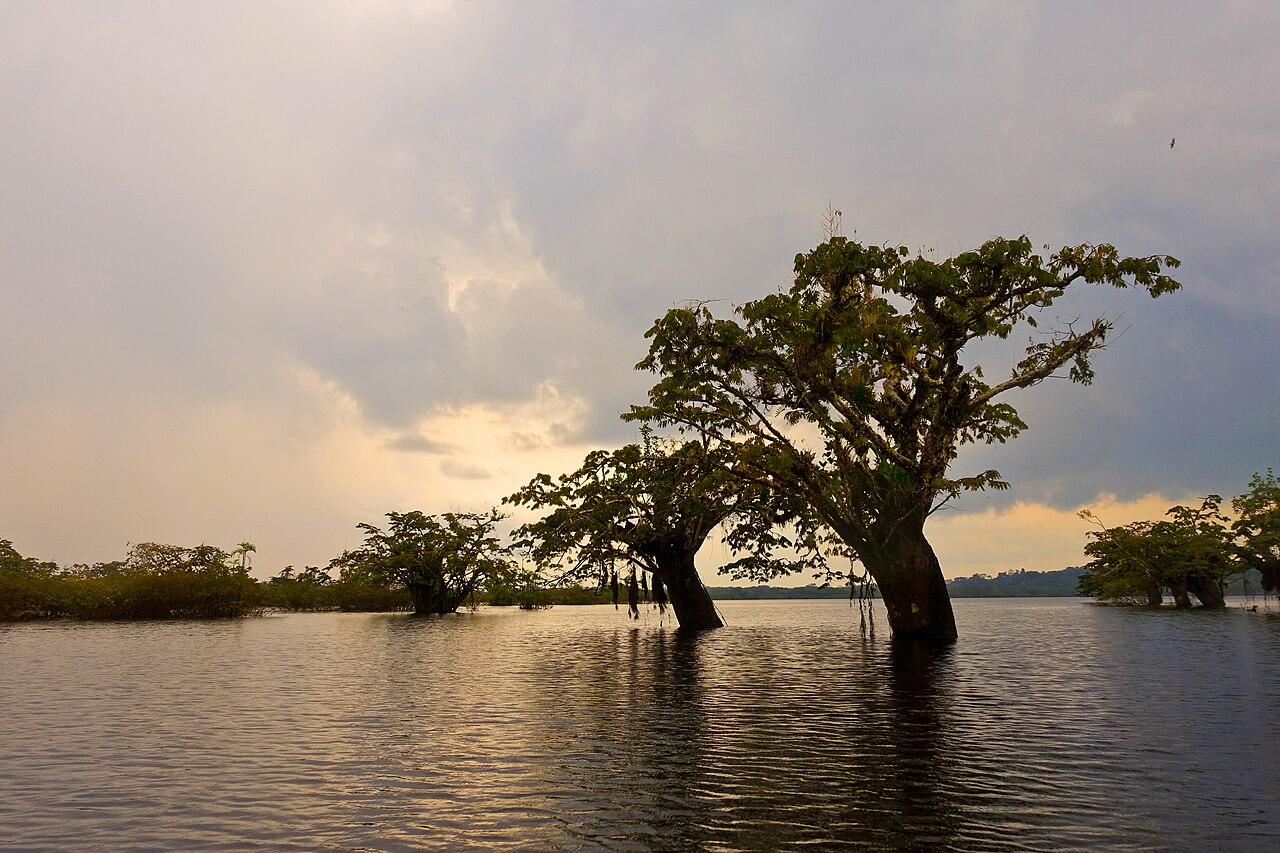
That is the premise behind Hortus Deliciarum in the Ecuadorian Amazon: securing primary forest under title and long-term custody is not philanthropy. It is holding infrastructure whose operation does not wait for the next text to be adopted. If the governments of the world could not agree on a sentence about forests, who is keeping the forests the sentence was about? The documentation is at www.hortusdeliciarum.org
SOURCES
Institutional sources — UN News, "COP31 ends without climate pact as UN chief warns there is 'no ambiguity in the science'", 22 November 2026, including the statements of Murat Kurum, António Guterres and the European Union. Specialist press — Carbon Brief, "COP31: Key outcomes agreed at the UN climate talks in Antalya", 23 November 2026, and "COP31: Key outcomes for food, forests, oceans and nature at the UN climate talks in Antalya", 24 November 2026. Peer-reviewed research — Friedlingstein, P. et al., "Global Carbon Budget 2026", Earth System Science Data Discussions, preprint, discussion started 10 November 2026, doi 10.5194/essd-2026-895. Methodological note — The account of the successive drafts, the count of objecting countries and the financial announcements rely on Carbon Brief's reporting; the draft decisions published by the UNFCCC were not read directly. The quotations from the final draft are reproduced as Carbon Brief cites them. The land sink is given in tonnes of carbon, not of carbon dioxide; the budget states it as two point five plus or minus zero point eight billion tonnes a year for 2016 to 2025. Photo credits — Cover, rainforest of Ituri from the air: MONUSCO/Abel Kavanagh, CC BY-SA 2.0. Harbour of Antalya and the Taurus Mountains: Julia Maudlin, CC BY 2.0. Reservoir in the Taurus Mountains: Duesentrieb, CC BY-SA 3.0. Amazon river and forest from the air: CIAT, CC BY-SA 2.0. Flooded forest in Laguna Grande, Cuyabeno, Ecuador: Fährtenleser, CC BY-SA 4.0. All via Wikimedia Commons, resized.
© Hortus Deliciarum Strategic Conservation | Amazon
This document is provided for informational purposes. Data and findings are sourced from peer-reviewed research, government records, and verified scientific publications.