

On 16 October 2026, Brazil's National Institute for Space Research published the annual estimate of its PRODES satellite programme: three thousand three hundred and thirty-five square kilometres of Amazon rainforest cleared in the twelve months to the end of July. It is the lowest figure in a series that begins in 1988, about forty-two percent below the previous year and well under the previous low of four thousand five hundred and seventy-one square kilometres, recorded in 2011 and 2012. In the mid-1990s the same series had reached nearly thirty thousand square kilometres in a single year. By any reading, it is a result.
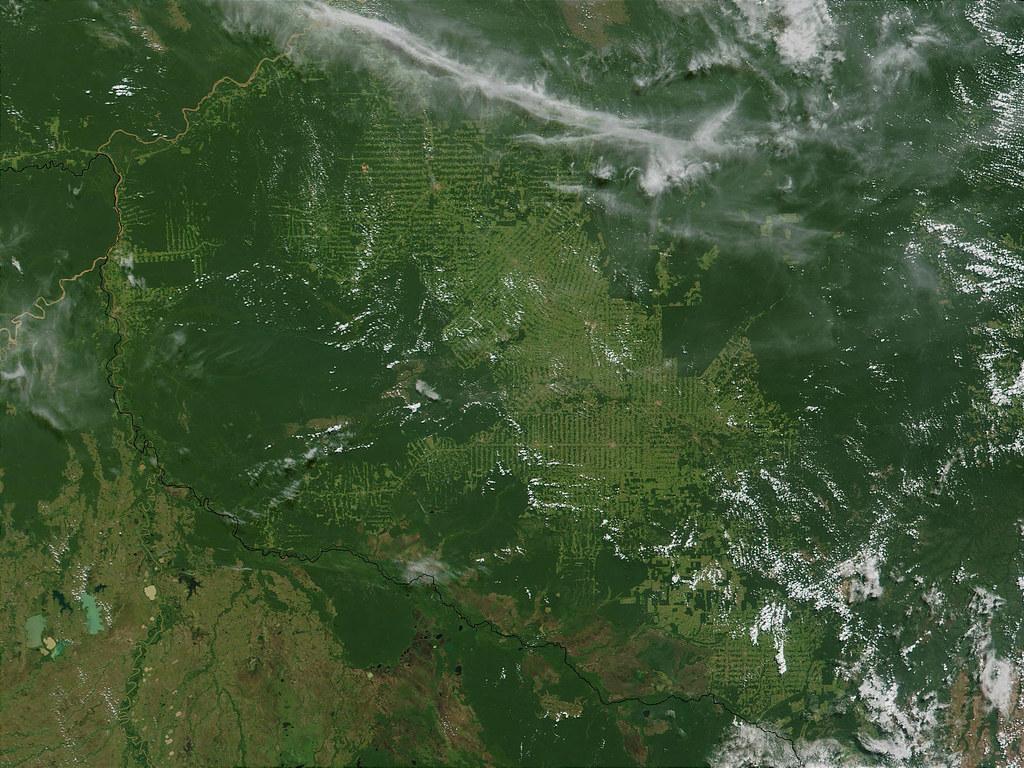
It is also the main reason the global number moved. Two days earlier, the Forest Declaration Assessment, which tracks the pledge made by one hundred and forty-five countries in Glasgow in 2021 to end deforestation by 2030, had reported that forest loss worldwide fell fifteen percent in 2025. The report attributes the decline primarily to Latin America, where measures such as Brazil's revived action plan for the Amazon and stepped-up enforcement have cut deforestation by thirty-three percent over five years. Its authors chose their words with care: one better year, they wrote, is not yet a bend in the curve.
The arithmetic behind that caution is simple. The Assessment measures each year against a baseline of eight point three million hectares, the annual average for 2018 to 2020, and against a straight path from there to zero in 2030. Staying on that path required deforestation to fall by roughly one million hectares every year. From 2021 to 2024 it barely moved. By 2024 it should have been no higher than five million hectares and was eight; by 2025 it should have been four point two million and was seven. The world, the report concludes, remains seventy percent off track.
What the rate does not show is the sum. Added up year by year, the distance between the path and the record now comes to ten point seven million hectares, an area the size of Iceland: forest that, in the report's phrase, would still be standing had the world stayed on track. One of its authors compares it to a credit card on which not even the minimum payment has been made, with the balance compounding. The comparison holds in one respect and fails in another. A debt can be repaid in the currency in which it was incurred. This one was incurred in standing forest, and can only be repaid in forest that has yet to grow.
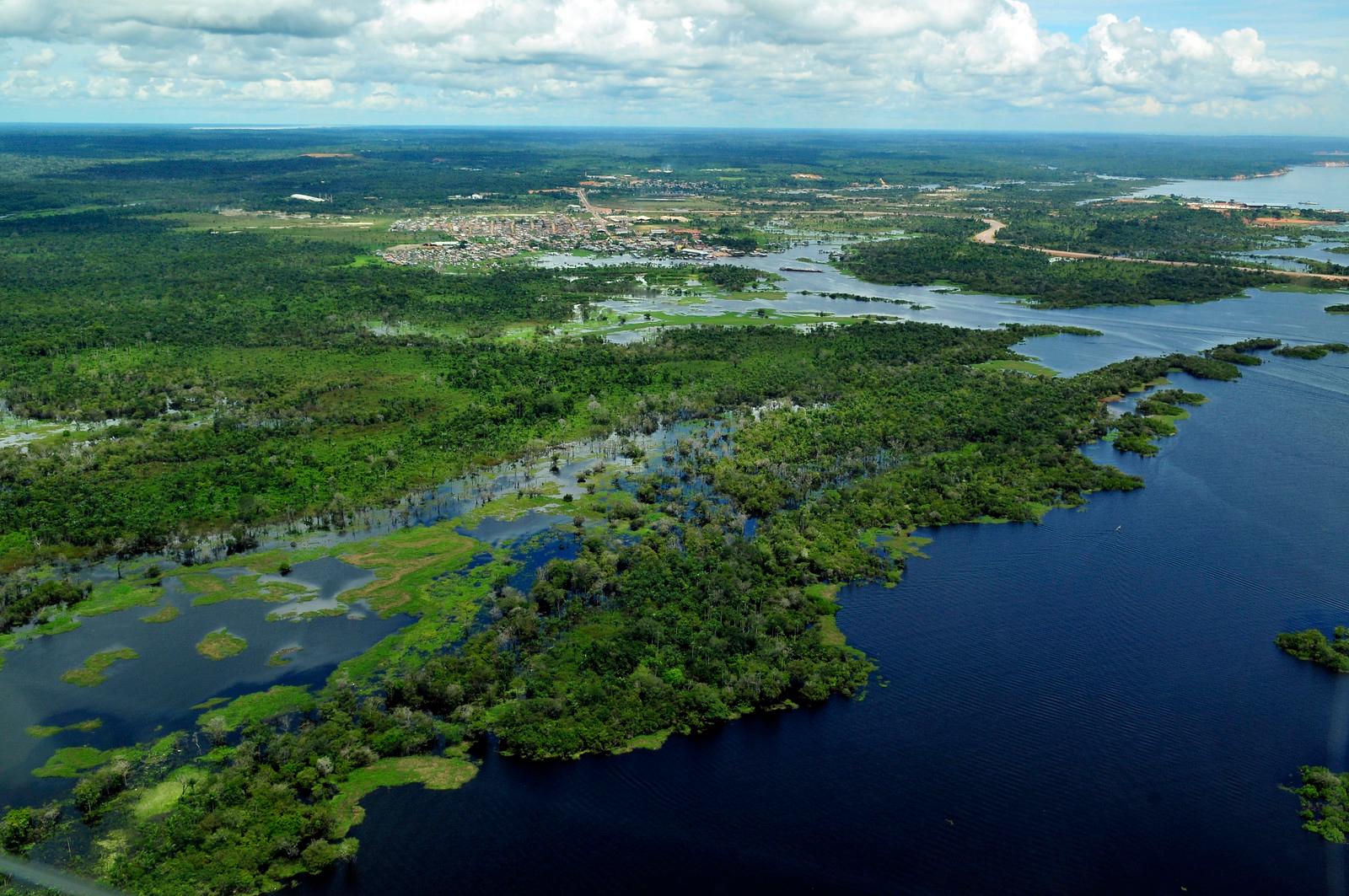
What that repayment costs has now been measured. On 17 September 2026, a team led from Lancaster University published in Science the first systematic comparison of three ways of spending on tropical forest: avoiding deforestation, avoiding the disturbance of standing forest by fire and selective logging, and restoring forest on agricultural land. The analysis covered more than three million hectares in two regions of the Brazilian state of Pará between 2010 and 2020, drawing on three hundred and eighty-one field transects and four hundred and ninety-nine rural properties. The two forms of avoidance delivered the greatest benefits for biodiversity and carbon and were more cost-effective than restoration, which was the most expensive strategy and the least effective on its own. One of the authors, Joice Ferreira of Embrapa, described restoring forest in one place while it is degraded and lost in another as pouring money into a leaky pot.
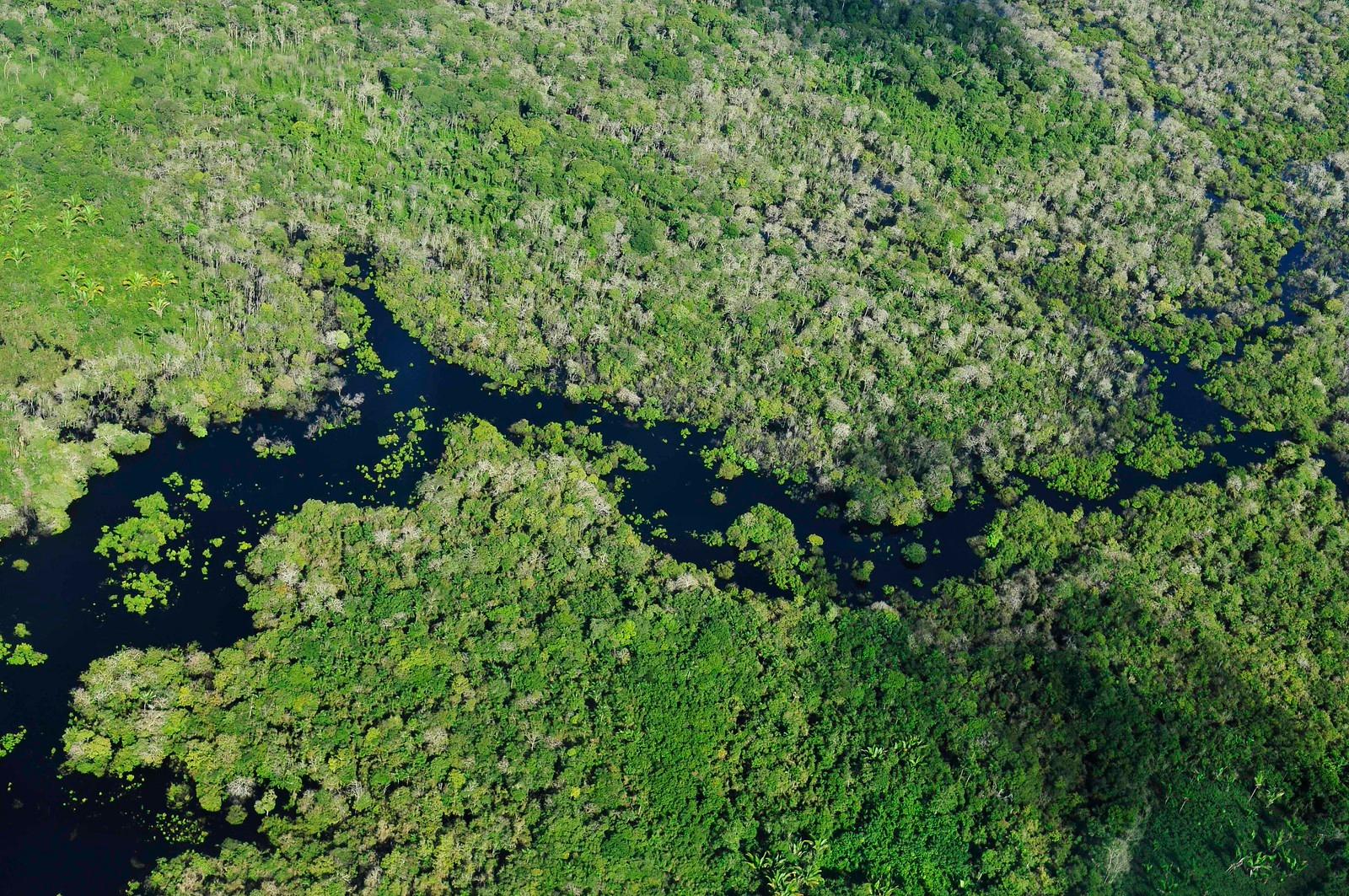
It is worth stating precisely what these figures are and what they are not. The Brazilian number is a preliminary estimate; the consolidated rate, drawn from the full set of satellite images, is due in the first half of next year. It measures clearing in Brazil, which holds just over sixty percent of the Amazon rainforest, and it does not count forest degraded by fire or logging. The deficit is not a measurement but the difference between the record and a straight line drawn by the Assessment, a coalition of civil society and research organisations formed to hold governments to the pledge. The Science study covers two regions of one state and compares observed outcomes with modelled alternatives, and its authors are explicit that restoration remains essential where forest has already been lost across large areas. None of this diminishes the result. A rate that falls by more than two thirds in four years shows what enforcement can do.
And there the reading reorders itself. A deforestation rate is a flow, and a flow can be revised every twelve months by policy, enforcement, weather and prices, in either direction. The forest is a stock, and what leaves it does not return on the next good figure. The best year since the series began still removed an area a little smaller than Mallorca; it was the smallest subtraction on record, not an addition. That is the asymmetry the deficit describes, and the Science paper puts a price on it: every hectare that passes from the column of what could have been avoided to the column of what must be restored becomes more expensive and less certain. The cheapest hectare in forest policy is the one that never enters the series.
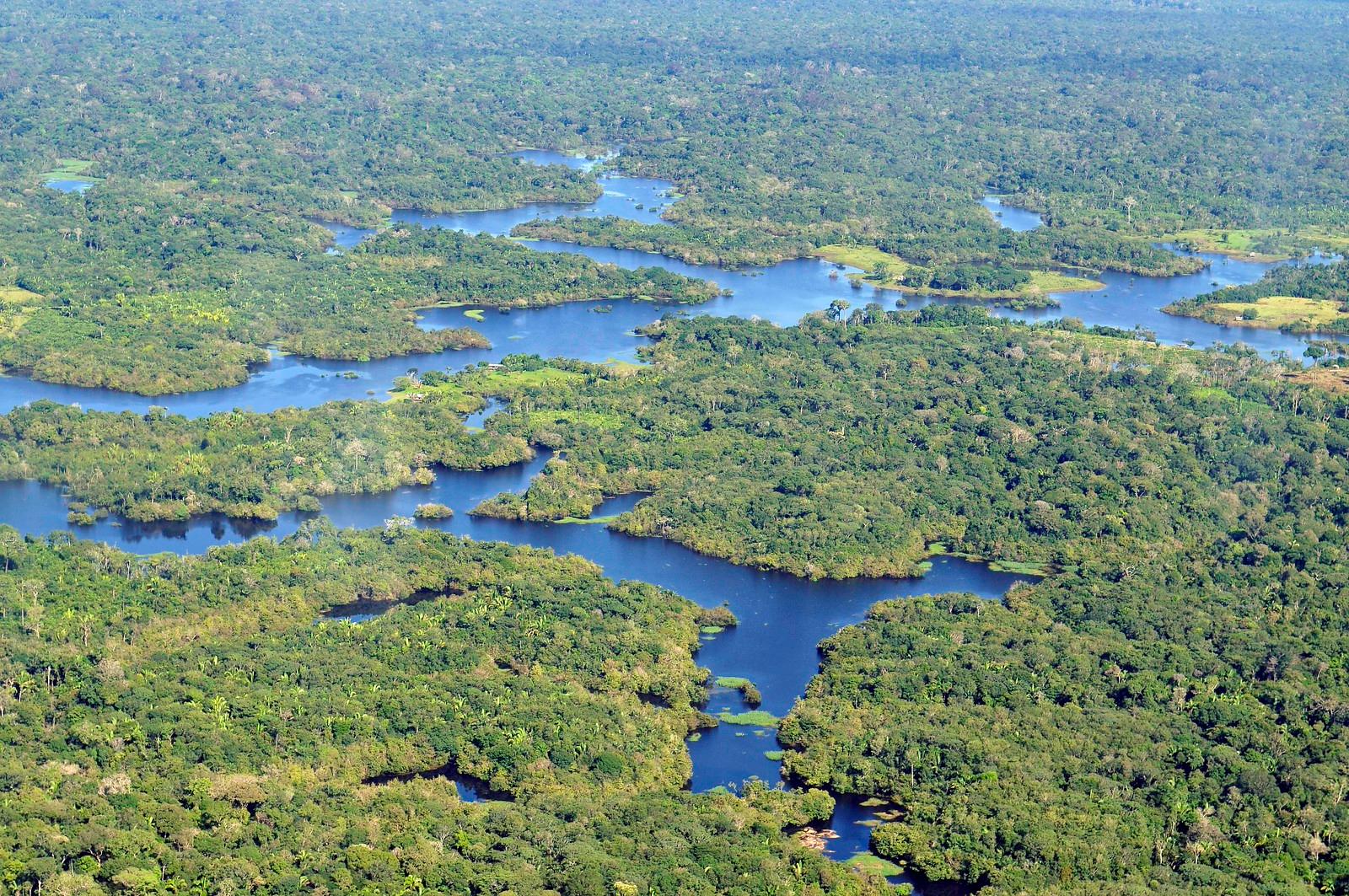
That is the premise behind Hortus Deliciarum in the Ecuadorian Amazon: securing primary forest under title and long-term custody is not philanthropy. It is taking hectares out of the series altogether, so that no annual figure, good or bad, applies to them. If the best year on record is still a subtraction, what is the hectare worth that is no longer exposed to the count? The documentation is at www.hortusdeliciarum.org
SOURCES
Institutional monitoring — National Institute for Space Research (INPE), PRODES annual estimate for August 2025 to July 2026, released 16 October 2026, as reported by Reuters and Mongabay; Forest Declaration Assessment 2026 and its press release, 14 October 2026 (forestdeclaration.org). Peer-reviewed research — Miranda, L. et al., "Protecting tropical forests is more cost-effective for biodiversity and climate than restoration", Science 393, 1221–1225 (17 September 2026), doi 10.1126/science.adx9928. Statements — Joice Ferreira (Embrapa), Lancaster University press release, 17 September 2026; Ivan Palmegiani (Climate Focus), Forest Declaration Assessment press release. Methodological note — The PRODES figure is a preliminary estimate; INPE publishes its consolidated rate in the first half of the following year. INPE's data were consulted through Reuters and Mongabay, not through the institute's own release. The abstract of the Science paper was consulted through its Crossref record and its details through the Lancaster University release; the full text was not opened. The ten point seven million hectares is the cumulative gap, since 2021, between recorded deforestation and a linear path to zero by 2030, as calculated by the Assessment. Photo credits — Cover and images 2, 3 and 4: CIAT (International Center for Tropical Agriculture), CC BY-SA 2.0, via Flickr. Image 1: NASA Terra-MODIS, via Banco de Imágenes Geológicas, CC BY 2.0.
© Hortus Deliciarum Strategic Conservation | Amazon
This document is provided for informational purposes. Data and findings are sourced from peer-reviewed research, government records, and verified scientific publications.