

He was not born Cofán. Yet he dedicated his life to protecting over one million acres of their territory. What his legacy teaches us about the true meaning of conservation.
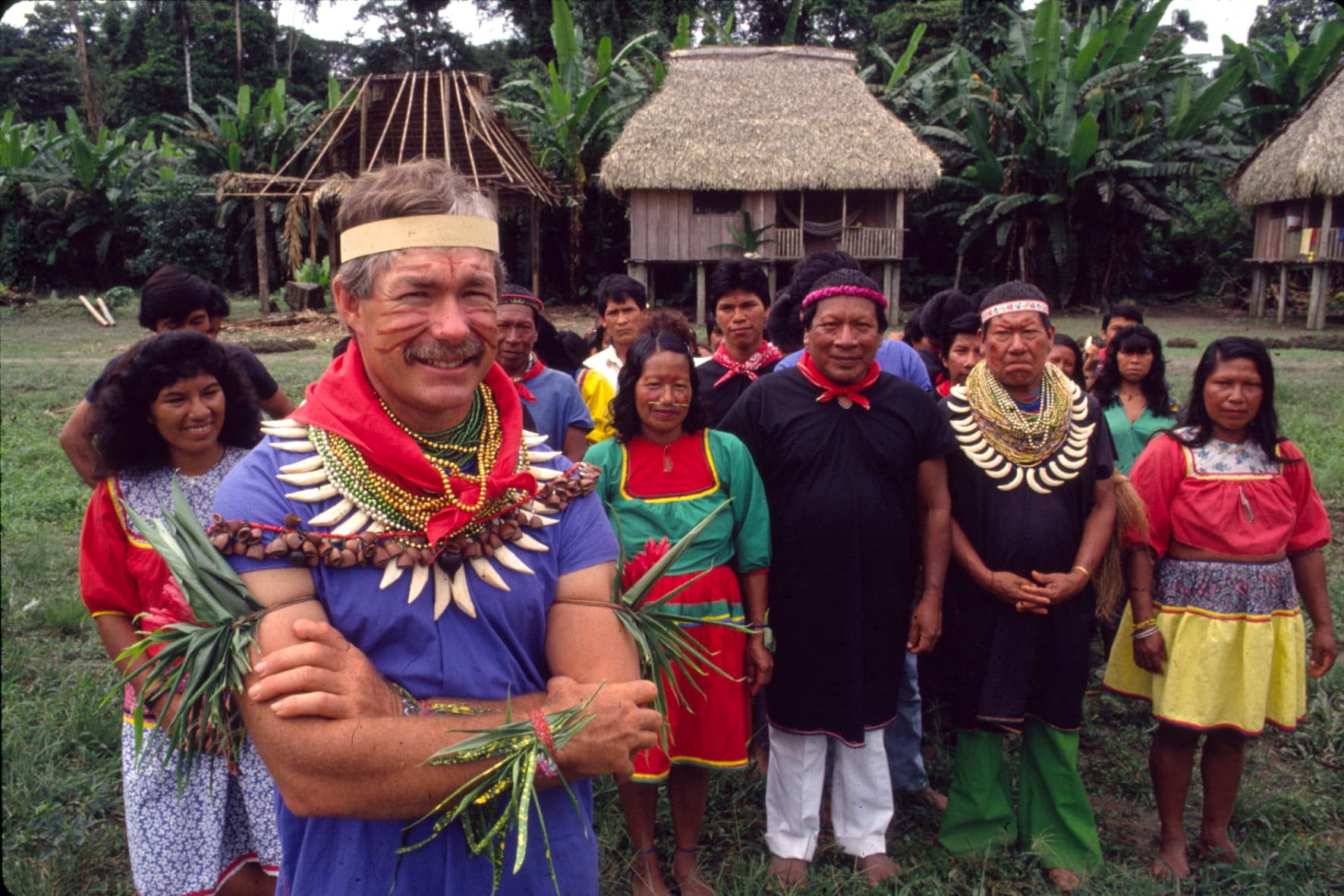
On February 17th, 2025, Randy Borman passed away at age 69.
He was not born Cofán. And yet, from the moment he arrived in the Ecuadorian Amazon in 1955, he belonged to them.
His parents, American missionaries, came to translate the Bible into the Cofán language. Their eldest son took to the forest as though it were written into his bones.
He grew up hunting with a blowgun, navigating rivers that had no names on any map, and learning a way of life that most of the world had forgotten existed.
When the time came to choose between finishing a college degree in the United States or returning to the Amazon, he chose the forest.
He married Amelia Quenamá. Had four children. Was elected to numerous leadership positions by the Cofán people including president of their ethnic federation.
He became one of them. And he spent the rest of his life ensuring they would not disappear.
The Weight of a Decision
In the 1970s, oil companies arrived in Cofán territory.
What followed was a pattern repeated across the Amazon: contamination, displacement, cultural erosion. The Cofán, once numbering in the thousands, dwindled to fewer than 400 people. Their way of life stood at the edge of extinction.
Randy Borman could have left. He had the passport, the language skills, the education to build a comfortable life elsewhere.
He stayed.
Not as an outsider trying to save a people, but as one of them fighting for what was his.
He understood something that many well-intentioned conservationists miss: protection cannot be imposed from outside. It must be led by those who belong to the land.
His role was not to speak for the Cofán, but to help them speak for themselves in legal chambers, in scientific expeditions, in international forums where their voice would otherwise not reach.

A Legacy Measured in Hectares
Randy Borman's achievements are not symbolic. They are measurable, verifiable, and enduring.
Over one million acres of Cofán territory secured under legal protection land that would otherwise have been vulnerable to oil extraction, logging, and colonization.
Four Rapid Biological Inventories coordinated with scientists from the Chicago Field Museum documenting species diversity that strengthened the case for permanent protection.
Establishment of protected areas preserving some of the most biodiverse regions on Earth including forests that harbor species found nowhere else.
Transformation of the Cofán nation from a people on the brink of cultural extinction into one of the most successful Indigenous land management groups in the Amazon.
These results did not happen by accident. They required decades of strategic work: navigating legal systems, building scientific credibility, training the next generation of Cofán leaders.
Protection, he demonstrated, is not a single act. It is a sustained commitment that must outlast any individual.
The Rivers Remain Clean
The true test of conservation is not what is declared, but what remains.
Fifty years after oil companies arrived in neighboring territories, the rivers Randy navigated as a boy still flow clean. The trees still hum with the calls of macaws and howler monkeys. The forest he fought for still stands.
His son Felipe now leads the next generation of Cofán stewards, continuing the work his father began. The knowledge has been transferred. The institutions have been built. The legal protections are in place.
Randy once said: "Indigenous people know that we need the forest to survive. The question is whether the rest of the world will wake up to that fact."
He did not live to see the world fully awaken.
But thanks to him, one corner of the Amazon still breathes — and will continue to breathe long after those who knew him are gone.
What His Legacy Teaches
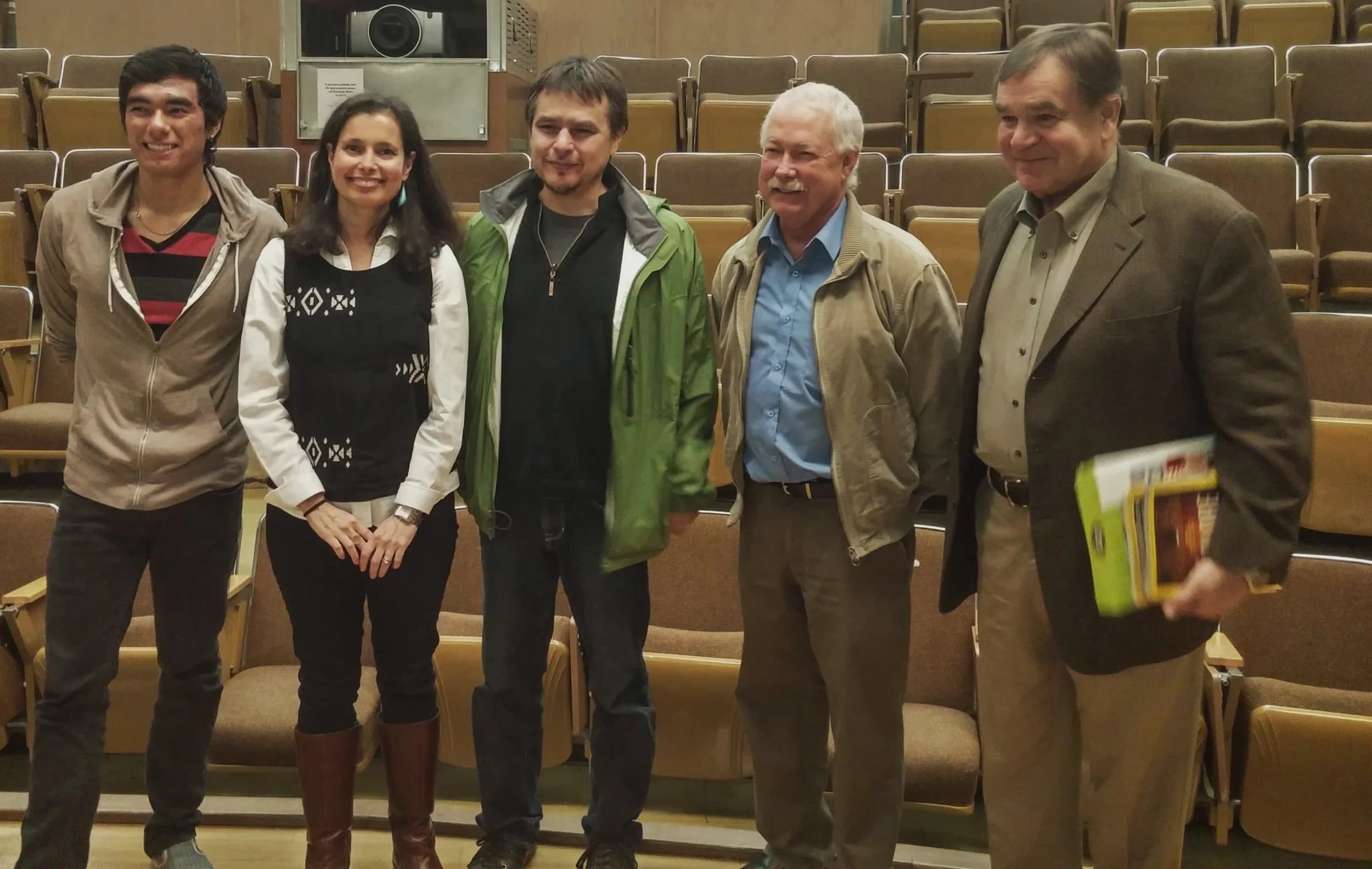
Randy Borman's life offers a clear lesson for those who think seriously about conservation and legacy.
Protection is not passive. It is not a donation made and forgotten. It is not a certificate framed on a wall.
Real protection requires vision — the ability to see value where others see only remote jungle.
It requires strategy — legal frameworks, scientific documentation, institutional coordination.
It requires local leadership — those who belong to the land must be the ones who defend it.
And it requires commitment that extends beyond a single lifetime — the willingness to build something that your children and grandchildren will continue.
His legacy endures not in monuments, but in living forest.
Not in wealth accumulated, but in hectares protected.
Not in what he built, but in what he preserved for those who came after.
Honoring Those Who Came Before
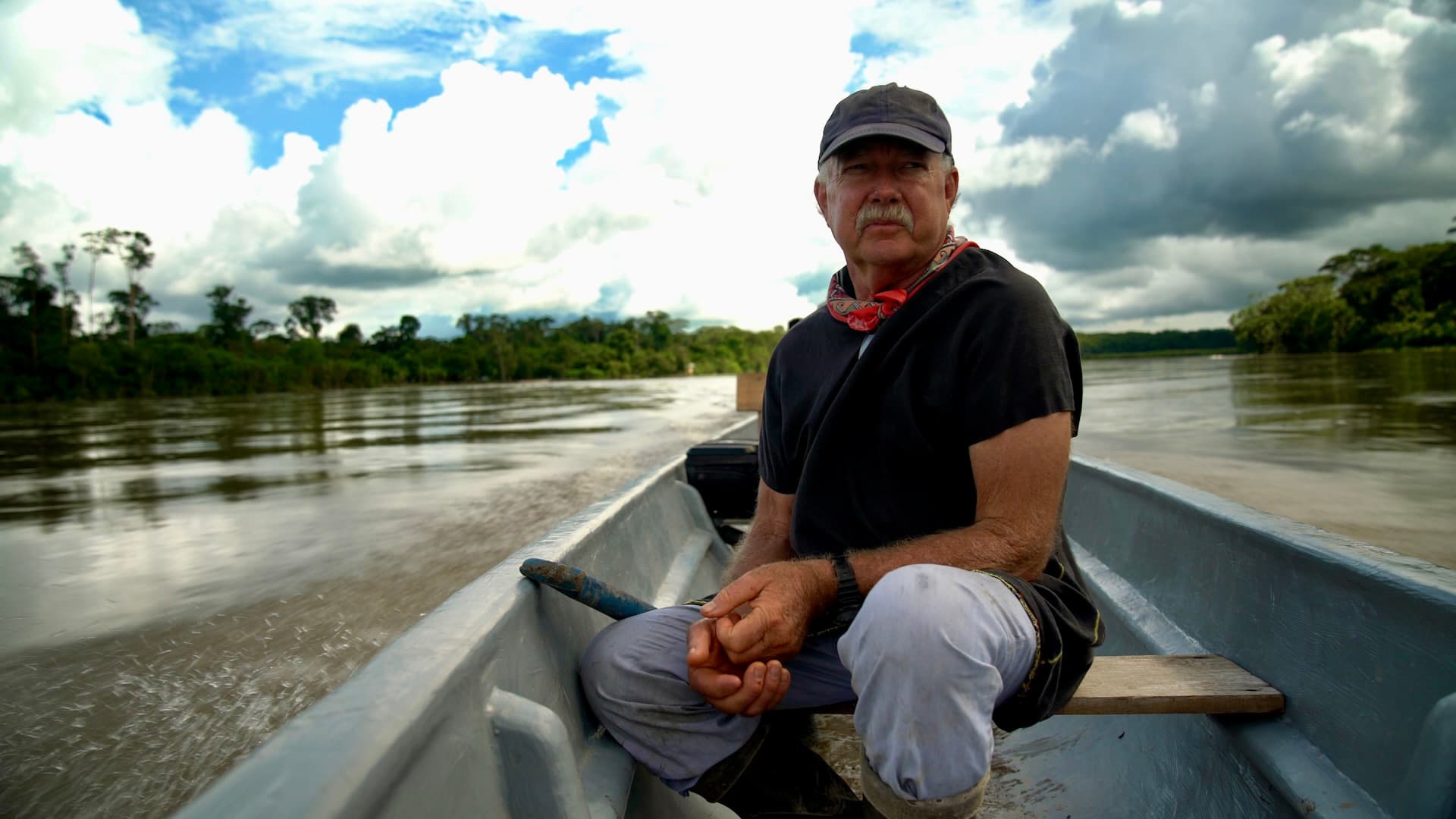
Hortus Deliciarum was founded on principles that Randy Borman embodied throughout his life.
That the Amazon is not a resource to exploit, but a heritage to safeguard.
That legal protection is the foundation of lasting conservation.
That true legacy is measured not in what we acquire, but in what we preserve.
We honor those who came before us in this work the Indigenous leaders, the scientists, the activists, and the visionaries who understood the value of the standing forest long before the world began to pay attention.
Randy Borman was one of them.
His question remains: Will the rest of the world wake up?
Hortus Deliciarum