

On 22 October 2026, the International Sustainability Standards Board published an exposure draft under a title designed to attract no attention: IFRS Sustainability Disclosure Practice Statement 1, Nature-related Disclosures. The board sits within the IFRS Foundation, whose accounting standards companies in more than one hundred and forty jurisdictions are required to use. The consultation runs for one hundred and twenty days, poses seventeen questions and closes on 19 February 2027. It is the first proposal from that institution on how a company should report what nature means to its finances.
The draft asks for information about nature-related risks and opportunities that could reasonably be expected to affect a company's cash flows, its access to finance or its cost of capital. Those risks are defined as arising from dependencies and impacts on environmental resources and the benefits associated with them, ecosystem services included, on land, underground, in fresh water, in the ocean and in the atmosphere. A company would have to consider where its assets and activities are located along its whole value chain, and how sensitive those places are. It would test the resilience of its strategy through scenario analysis. And it would disclose two figures: the amount and percentage of its assets or business activities that are vulnerable to nature-related risks, and the amount and percentage aligned with nature-related opportunities.
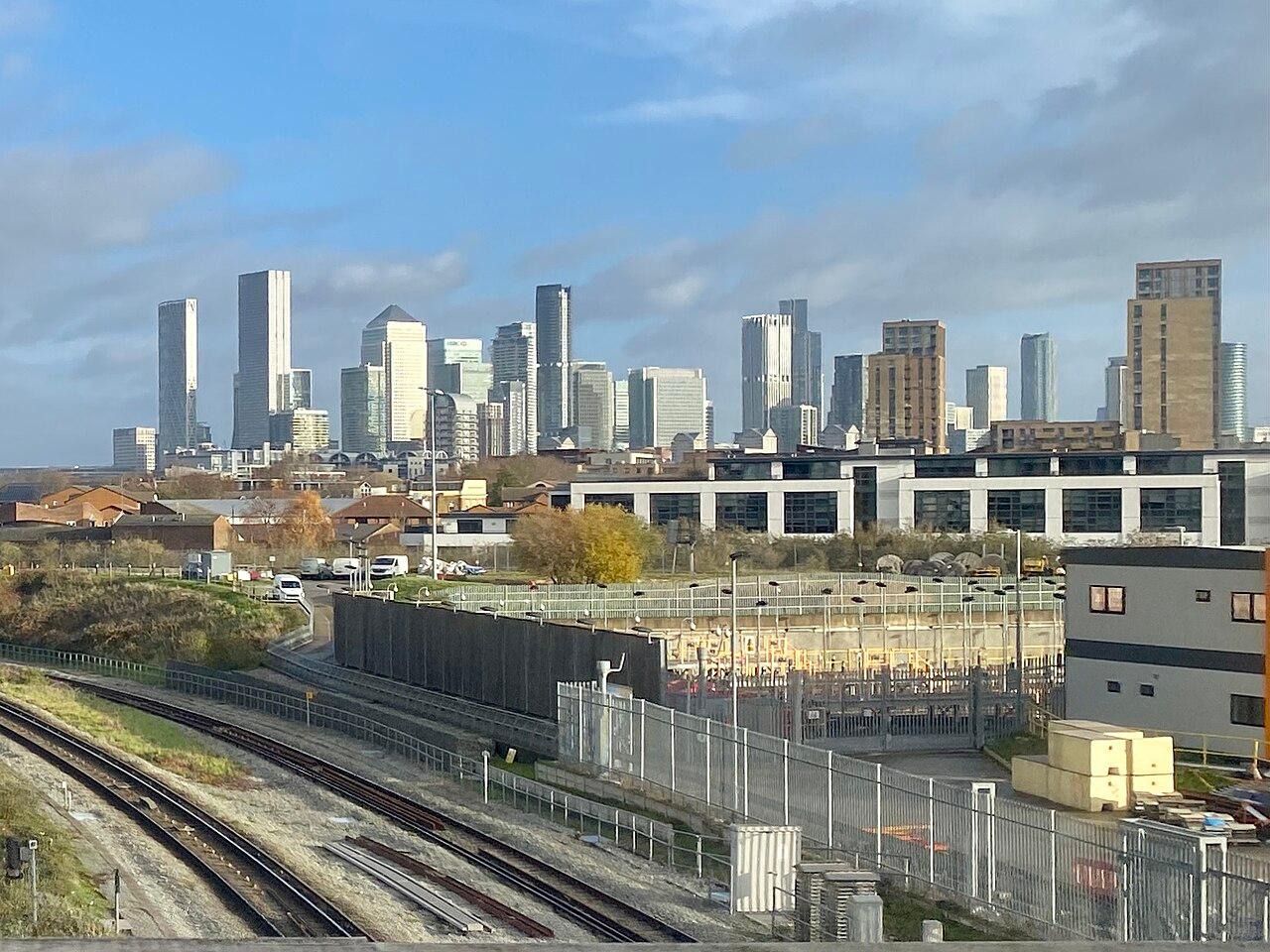
The form chosen is cautious. A practice statement carries requirements similar to those of a standard, but a company may choose whether to apply it, unless its jurisdiction makes it mandatory. The board's answer to the obvious objection is that the underlying duty already exists: providing material nature-related disclosures is not optional, it said when it announced the approach in May, because its general standard already requires them; the practice statement explains how. Whether that form is the right one is among the questions put to consultation. The Taskforce on Nature-related Financial Disclosures, on whose framework the draft draws, agreed last year to finish its own technical work and step aside so that a single global baseline could emerge.
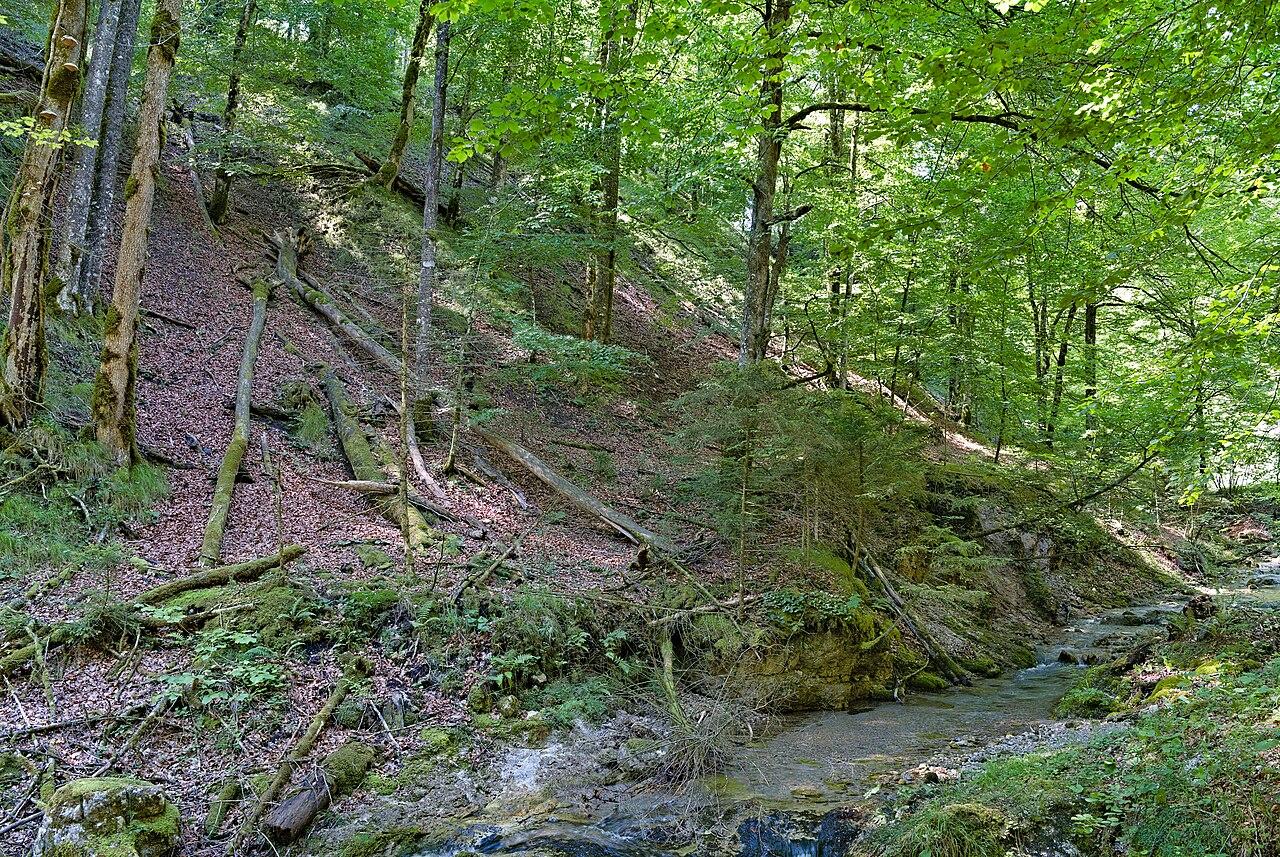
How much there is to disclose has been estimated by a central bank. In 2023 the European Central Bank assessed the dependence of euro area companies on ecosystem services. Approximately seventy-two percent of them, around three million firms, were highly dependent on at least one, and almost seventy-five percent of bank loans to companies in the euro area had been granted to firms in that position. The services that mattered most were not exotic: the stabilisation of soil and control of erosion by vegetation, the supply of surface and ground water, protection against floods and storms, and the uptake and storage of carbon.
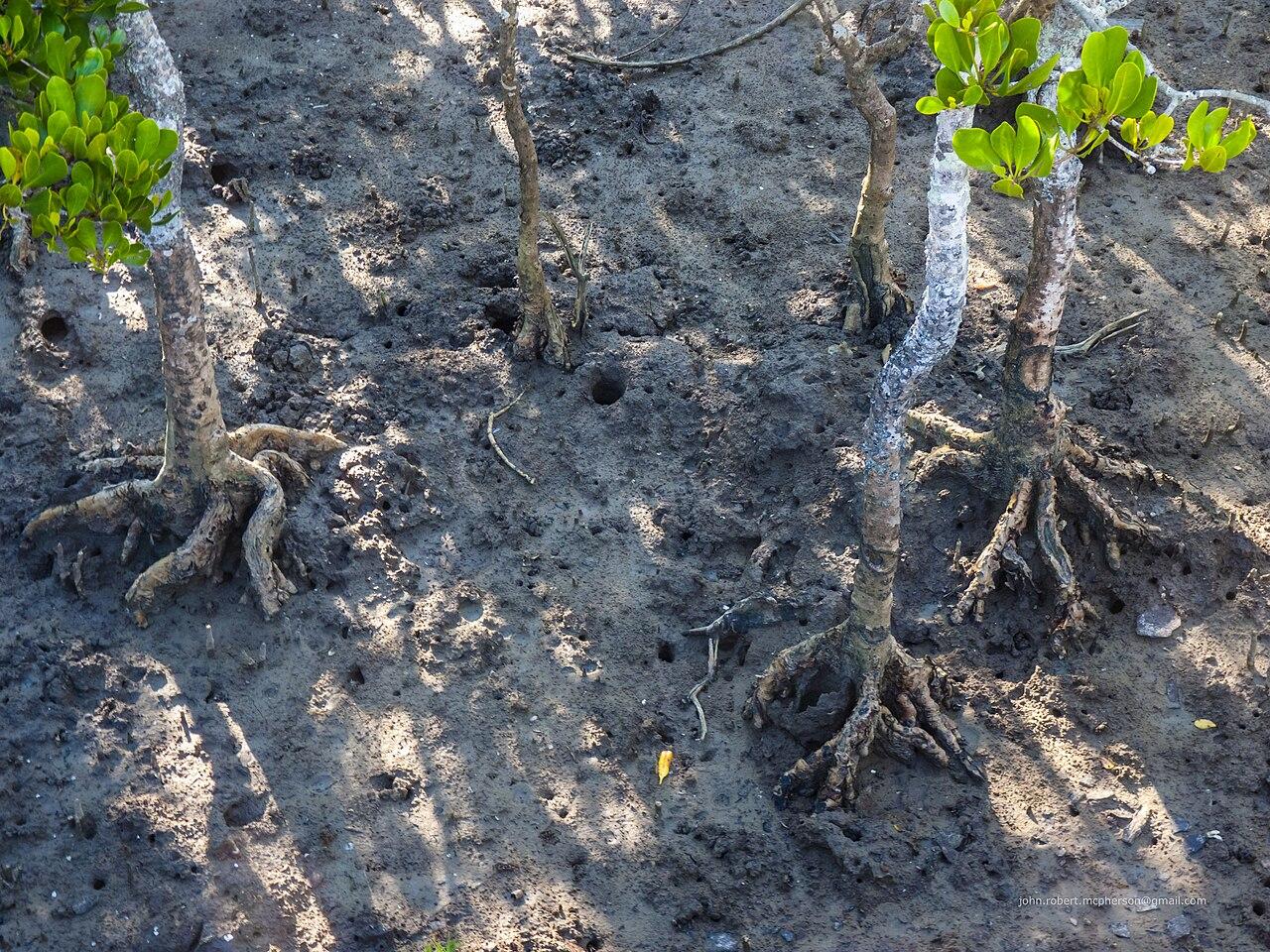
If the proposal is adopted in something like its present shape, the result will be a new kind of record. Annual reports will state, place by place, which operations rely on a functioning watershed, a stable hillside or a coast buffered by mangroves, and what share of a company's assets stands exposed if those systems fail. Dependencies that have always existed will acquire, for the first time, a standard format and a line in a filing that investors compare.
It is worth stating precisely what the draft is and what it is not. It is a proposal, open to revision, and voluntary wherever no regulator requires it. Disclosure is not valuation: nothing in it puts a price on an ecosystem or recognises one as an asset. Its lens is financial materiality, the risk that nature poses to the company, not the harm that the company does to nature, except where that harm returns as a risk. The central bank's figures are an assessment built on dependency scores by sector, which the bank itself described as preliminary; they measure exposure, not losses incurred. And the exposure draft was not read directly for this article, which relies on the summary published by PwC and on the announcements of the IFRS Foundation.
And there the reading reorders itself. Accounting rests on double entry: what one party records as owed, another holds as a claim. A dependency is a kind of standing obligation, a continuing need for something that someone else supplies. The practice statement would have companies record the need. It has nowhere to record the supplier. Water, stable ground and protection from storms arrive without an invoice, from ecosystems that appear on the balance sheet of no reporting entity. The world's accounts are therefore about to carry half an entry: dependencies disclosed by the million, each without a counterparty. The other half exists. It is a forest, a wetland or a reef, and it belongs to whoever holds it, or to no one.
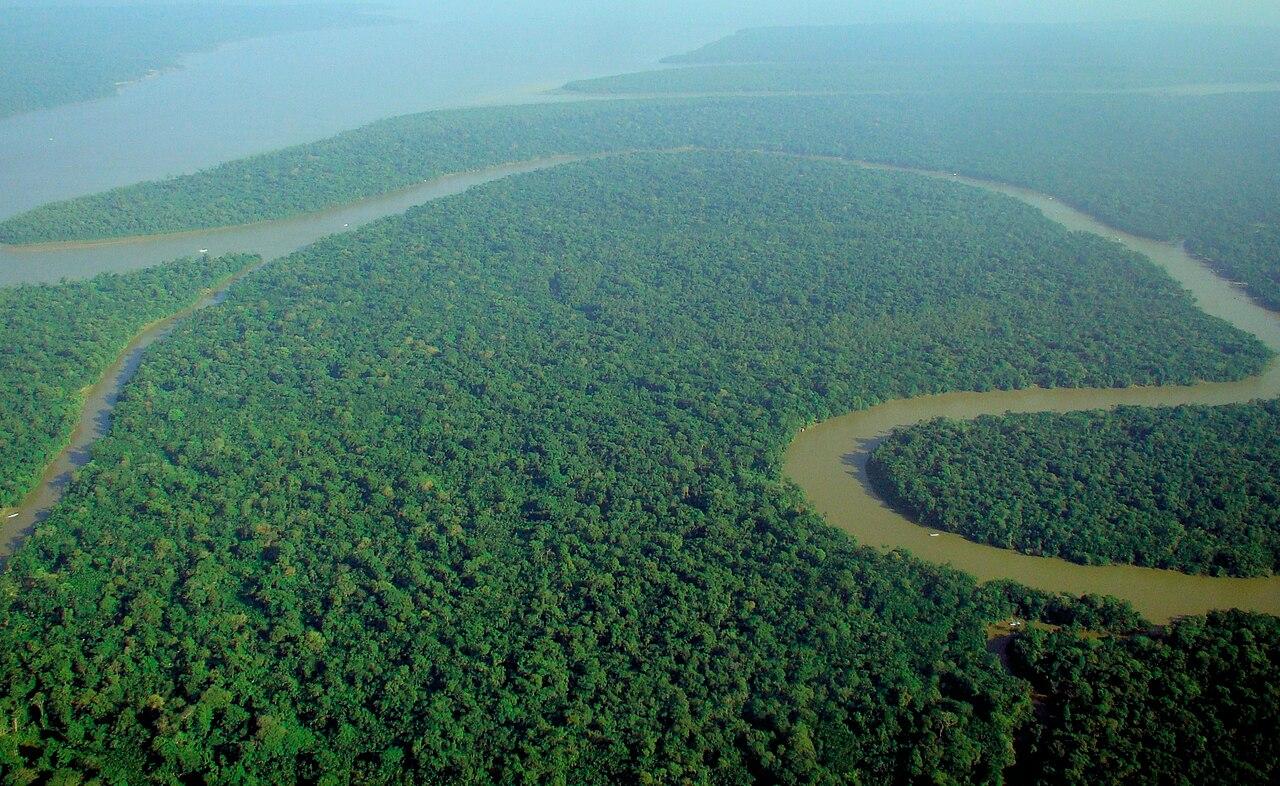
That is the premise behind Hortus Deliciarum in the Ecuadorian Amazon: securing primary forest under title and long-term custody is not philanthropy. It is taking the position those disclosures leave vacant: the holder of the thing depended upon. If companies are about to state, line by line, what they depend on, who holds the other side of the entry? The documentation is at www.hortusdeliciarum.org
SOURCES
Regulatory framework — IFRS Foundation, "ISSB agrees on the proposed way forward for nature-related disclosures", May 2026, and "ISSB welcomes TNFD's support as it advances nature-related disclosures", November 2025; PwC, In brief, "Nature-related disclosures: ISSB proposes a Practice Statement", on the exposure draft of 22 October 2026. Institutional research — European Central Bank, "The economy and banks need nature to survive", The ECB Blog, 8 June 2023. Methodological note — The exposure draft of IFRS Sustainability Disclosure Practice Statement 1 was not read directly; its content is described from PwC's summary, and its form and rationale from the IFRS Foundation's own announcements. PwC is an audit firm with a commercial interest in sustainability reporting. The figure of one hundred and forty jurisdictions refers to IFRS Accounting Standards, not to the sustainability standards, whose adoption is more recent and narrower. The reading of dependencies as entries without a counterparty is an analogy offered by this article; it is not a concept used in the draft. Photo credits — Cover, liana on a giant tree, Cuyabeno Wildlife Reserve, Ecuador: Hanspeter Bellers, CC BY-SA 4.0, cropped. Canary Wharf skyline, London: Alan Hughes, CC BY-SA 2.0. Mangrove roots, Queensland: John Robert McPherson, CC BY-SA 4.0. Forest stream, Kalkalpen, Austria: Leonhard Lenz, CC0. Amazon rainforest from the air: lubasi, CC BY-SA 2.0. All via Wikimedia Commons, resized.
© Hortus Deliciarum Strategic Conservation | Amazon
This document is provided for informational purposes. Data and findings are sourced from peer-reviewed research, government records, and verified scientific publications.