

On 30 December 2026, after two postponements, the European Union's Deforestation Regulation begins to apply to large and medium-sized operators and traders. From that day, seven commodities and the products made from them, cattle, cocoa, coffee, oil palm, rubber, soya and wood, may be placed on the Union's market or exported from it only with a due diligence statement declaring them deforestation-free and legally produced. Micro and small enterprises follow on 30 June 2027. The law was adopted in May 2023 and was originally due to apply from the end of 2024; its application date has been moved twice, in December 2024 and December 2025.
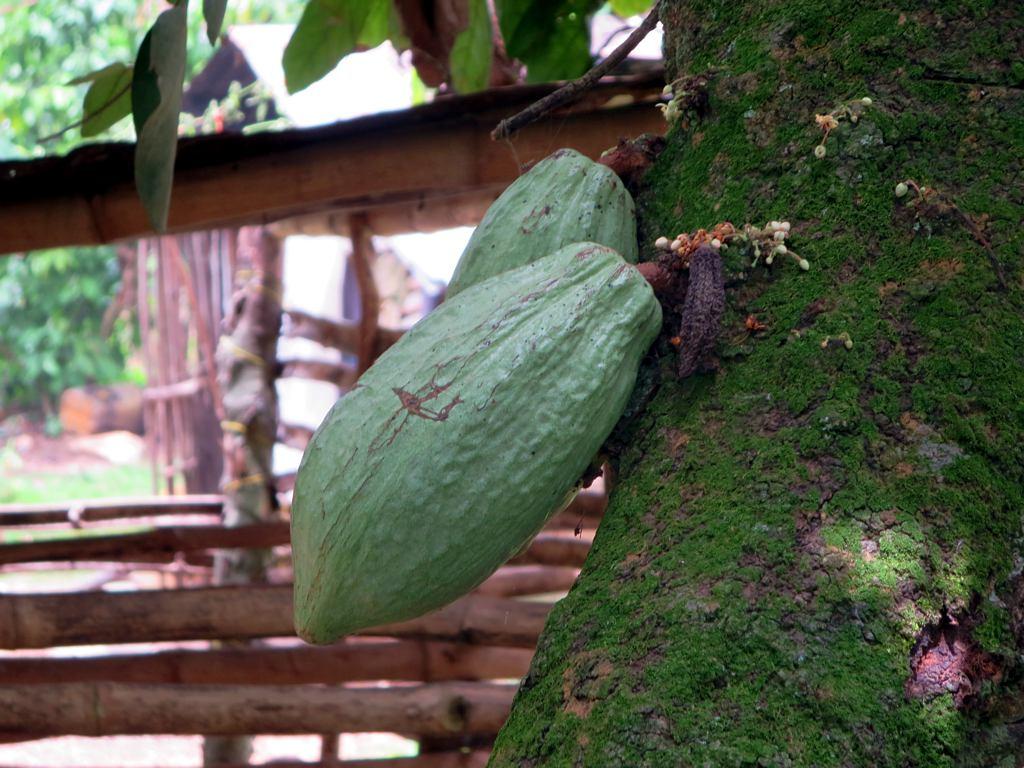
The reasoning is set out in the regulation's own recitals. The FAO estimates that four hundred and twenty million hectares of forest, an area larger than the European Union, were lost worldwide between 1990 and 2020. The Union is a significant consumer of the commodities most associated with that loss, and the impact assessment behind the law estimated that, without intervention, its consumption and production of six of them alone would be responsible for approximately two hundred and forty-eight thousand hectares of deforestation a year by 2030. Earlier European rules dealt mainly with illegal logging. This one applies whether or not the clearing was legal where it took place.
The mechanism rests on two instruments: a date and a coordinate. The date is 31 December 2020. A product counts as deforestation-free only if it was produced on land that has not been deforested after that day. The coordinate is the geolocation of every plot of land on which the commodity was produced, given as latitude and longitude to at least six decimal digits, a precision of roughly ten centimetres on the ground; for plots of more than four hectares, other than those used for cattle, the operator must supply a polygon describing the whole perimeter. To support the check, the Commission's forest observatory provides a global map of forest cover as it stood in 2020.
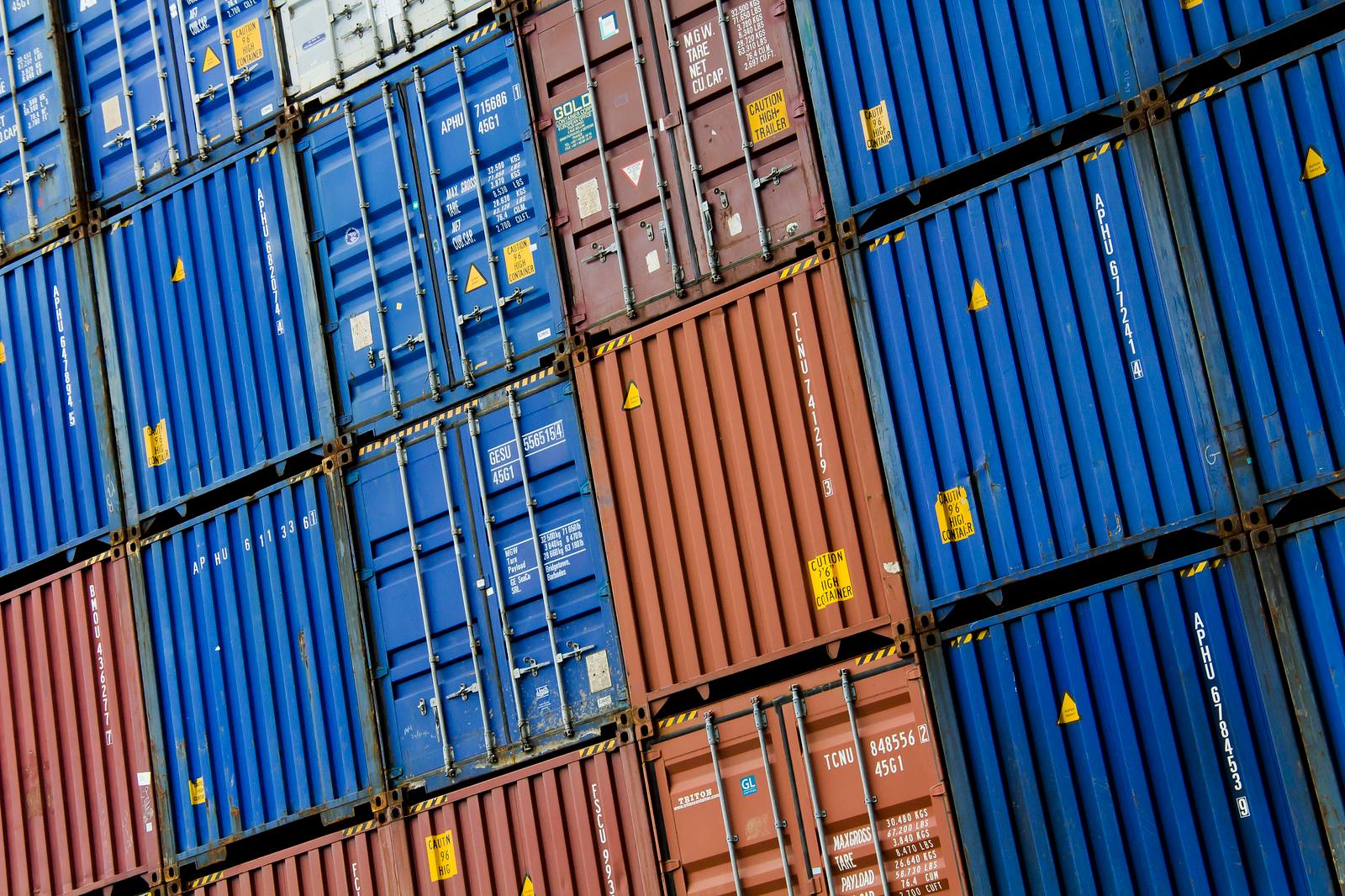
The law has limits, and its history shows them. It has been postponed twice and simplified along the way, and its enforcement by the competent authorities of twenty-seven member states is untested. It governs what enters and leaves one market; the same commodity can be sold elsewhere. Its definition of deforestation is the conversion of forest to agricultural use, and its definition of forest is the FAO's: more than half a hectare, trees above five metres, canopy cover above ten percent. Ecosystems that fall outside those thresholds fall outside the law, and degradation is addressed only for wood.
The research on which such laws lean also marks their reach. In 2022, a synthesis in Science by Pendrill and colleagues found that between ninety and ninety-nine percent of tropical deforestation from 2011 to 2015 was driven by agriculture, but that only forty-five to sixty-five percent of the deforested land became productive agriculture within a few years. A large share of clearing, in other words, never turns into a product that a supply chain can trace. The authors concluded that ending deforestation probably requires combining deforestation-free supply chains with governance of the landscapes themselves.
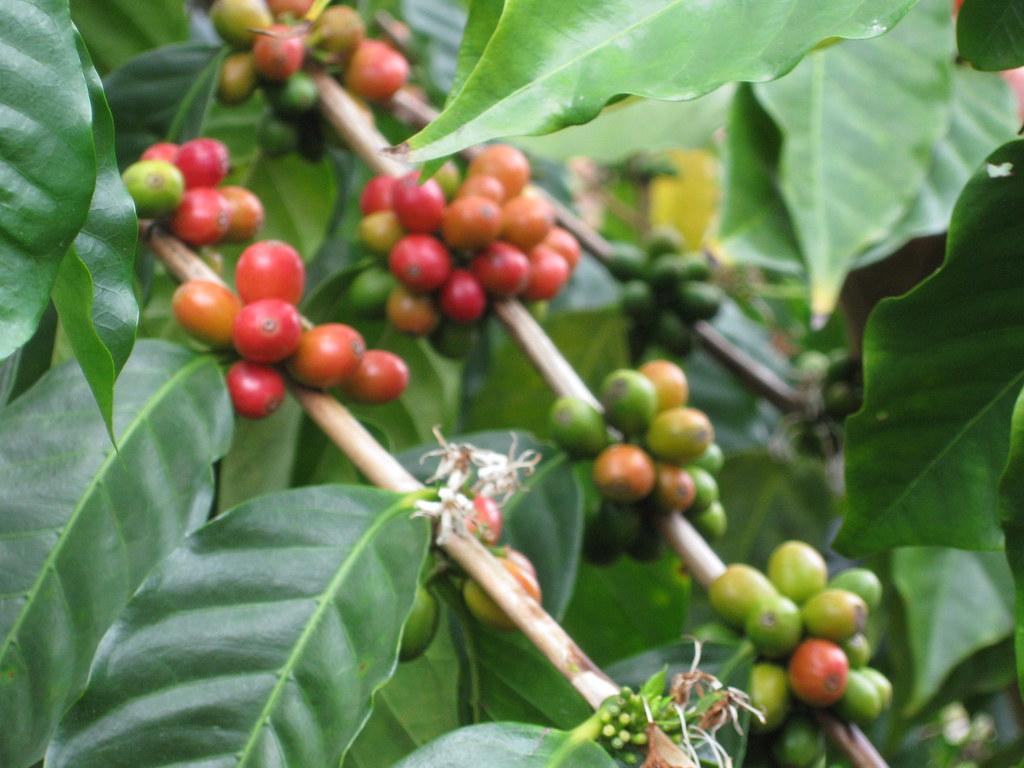
It is worth stating precisely what can and cannot be claimed. The hectare figures are an FAO estimate and a projection from an impact assessment, not measurements of the regulation's effect, which does not yet exist. The Science paper covers the tropics from 2011 to 2015 and names its own evidence gaps. Whether the law reduces deforestation or merely redirects trade will only be known from data that have not yet been collected. What can be described today is the rule, not its results.
And the rule contains something no pledge did. It writes a date into commerce. For seven commodities and one of the world's largest consumer markets, land that was forest on the last day of 2020 and has been cleared since carries that fact permanently: the definition offers no procedure by which a plot deforested after the cut-off becomes deforestation-free again. A forest standing on that day became a legal fact, and its loss after that day an irreversible one. Provenance to the plot, with coordinates and a date, is now what a commodity must prove in order to be sold. A standing forest with title and boundaries is that proof in its original form.
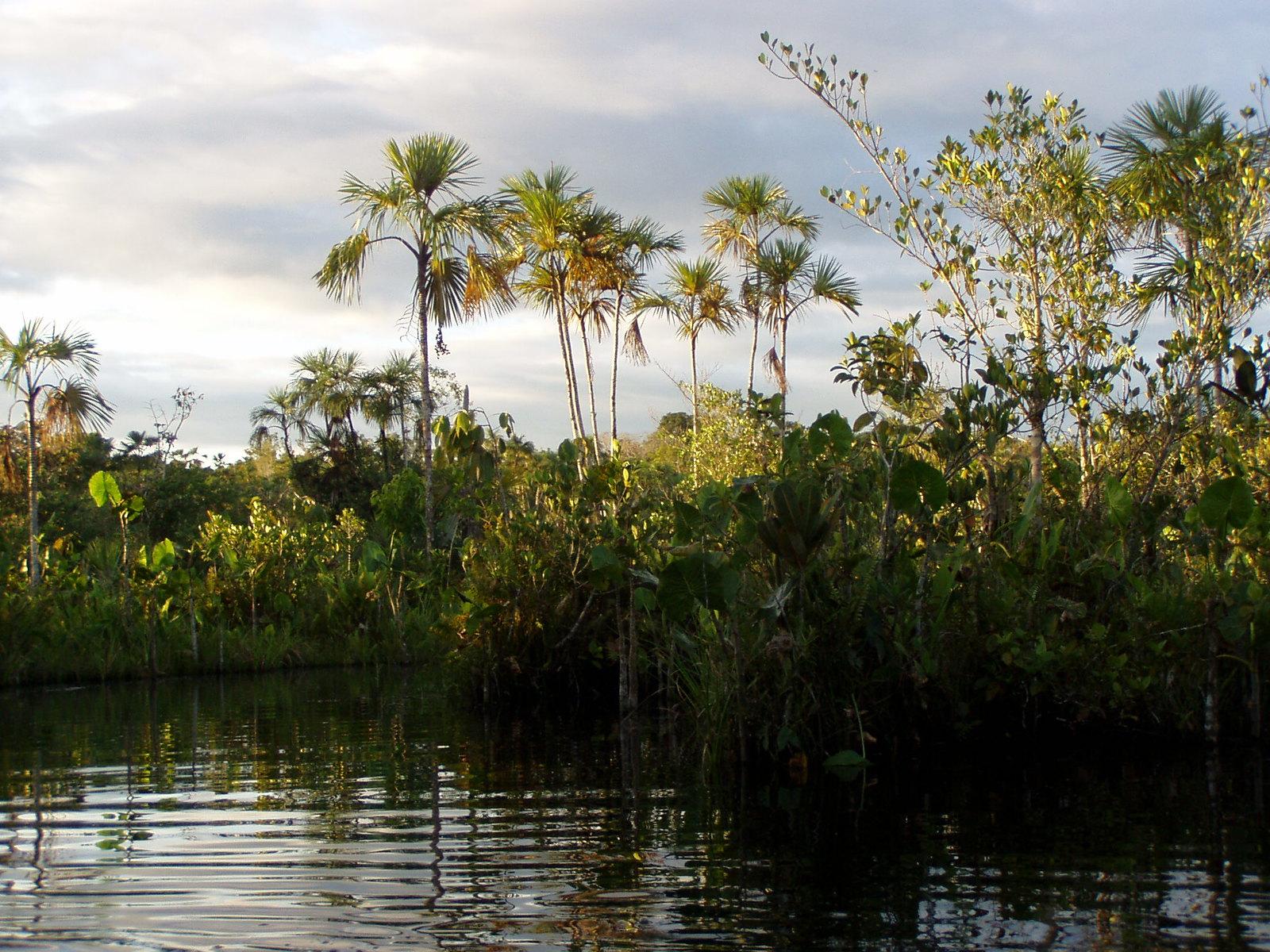
That is the premise behind Hortus Deliciarum in the Ecuadorian Amazon: securing primary forest under title and long-term custody is not philanthropy. It is holding land whose record needs no reconstruction: forest on the cut-off date and forest today. If the market now asks every product where it was grown and what stood there in 2020, what is the hectare worth whose answer has never changed? The documentation is at www.hortusdeliciarum.org
SOURCES
Regulatory framework — Regulation (EU) 2023/1115 of the European Parliament and of the Council of 31 May 2023: recitals, definitions of deforestation, forest and geolocation, and the cut-off date of 31 December 2020; amendments of December 2024 and December 2025; European Commission, Directorate-General for Environment, EU Deforestation Regulation page and implementation timeline, consulted in November 2026. Peer-reviewed research — Pendrill, F. et al., "Disentangling the numbers behind agriculture-driven tropical deforestation", Science 377, eabm9267 (9 September 2022), doi 10.1126/science.abm9267. Methodological note — The four hundred and twenty million hectares and the two hundred and forty-eight thousand hectares are quoted from the regulation's recitals; the Commission's page now cites four hundred and eighty-nine million hectares lost since 1990. The ground precision of six decimal digits is this article's own calculation. The abstract of the Science paper was consulted through its Crossref record; the full text was not opened. Photo credits — Cover, oil palm plantation: sbamueller, CC BY-SA 2.0. Cocoa pods: D-Stanley, CC BY 2.0. Containers in Rotterdam: LukePricePhotography, CC BY 2.0. Coffee cherries: Binder Of Daemons, CC BY 2.0. Forest in Yasuní: twiga_swala, CC BY-SA 2.0. All via Flickr.
© Hortus Deliciarum Strategic Conservation | Amazon
This document is provided for informational purposes. Data and findings are sourced from peer-reviewed research, government records, and verified scientific publications.