
What the world's most famous risk indicator reveals about our present and what remains within our power to change.
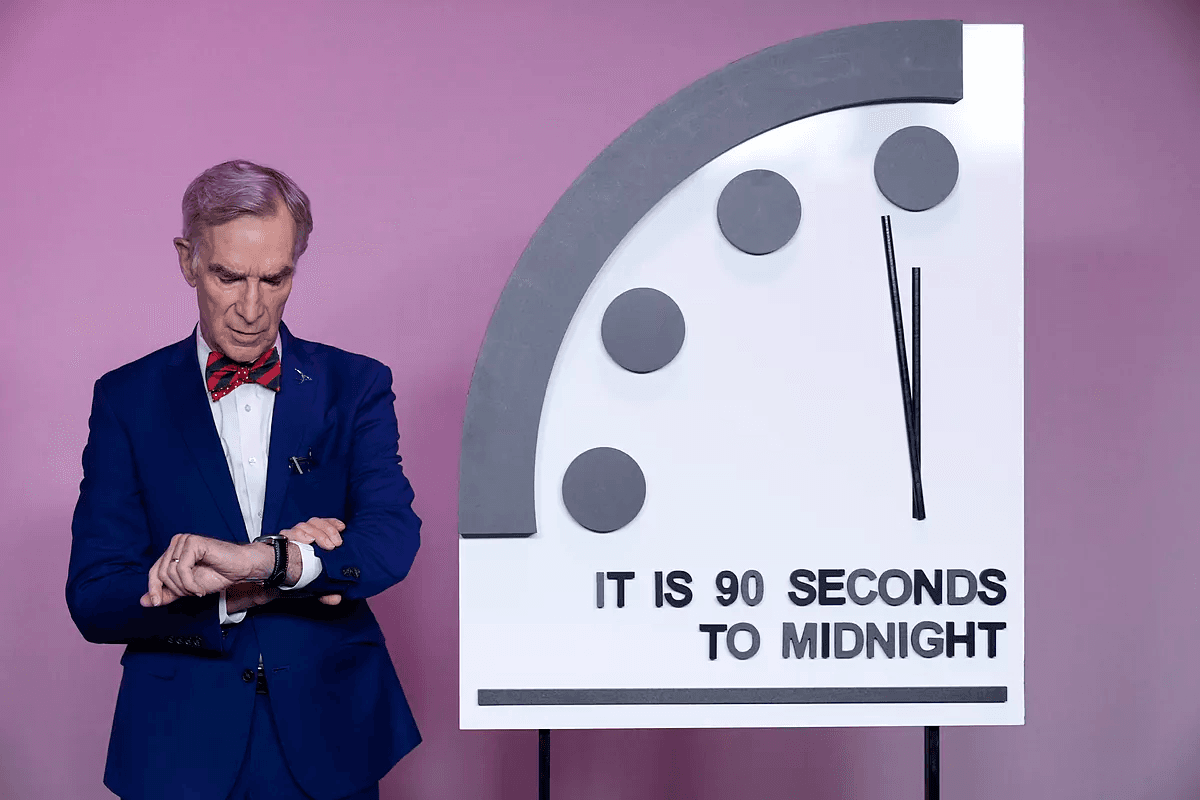
In January 2025, the Bulletin of the Atomic Scientists moved the Doomsday Clock to 89 seconds to midnight the closest point in its 79-year history.
The clock is not a prediction. It is a symbolic indicator of accumulated global risk, calibrated annually by a panel that includes thirteen Nobel laureates. Its purpose is to communicate, in a single image, the probability of civilizational disruption if current trajectories continue.
For nearly eight decades, this clock has served as a mirror reflecting not the future, but the present state of our collective decisions.
What does it reflect today? And more importantly: where does agency still exist?
The Three Converging Threats
The Bulletin identifies three systemic risks driving the clock forward:
Nuclear weapons. Geopolitical tensions between nuclear powers have reached levels not seen since the Cold War. Arms control agreements have eroded. The risk of miscalculation has increased.
Climate change. Global temperatures continue to rise. Extreme weather events are intensifying. Scientific projections indicate we are approaching critical thresholds faster than anticipated.
Emerging technologies. Artificial intelligence is developing at a pace that exceeds our collective capacity to govern it. The potential for unintended consequences grows with each advancement.
Each threat is real. Each is documented. Each contributes to the clock's position.
But they are not equal in one crucial respect: the degree to which private action can influence their trajectory.
Where Agency Exists
Nuclear disarmament requires international treaties, governmental will, and geopolitical alignment. No individual or private entity can unilaterally reduce this risk.
The governance of artificial intelligence demands global coordination, regulatory frameworks, and institutional agreements that are still in formation. Private influence is limited and indirect.
But ecosystem stability operates differently.
The biophysical systems that regulate climate forests that capture carbon, cycle water, and stabilize temperatures exist in specific, identifiable locations. They can be mapped, measured, and protected.
Unlike the other two threats, this one allows direct intervention at a non-state scale. The preservation of functional ecosystems is not dependent on treaties being signed or technologies being governed. It can happen now, through decisions made by individuals and organizations with the capacity to act.
This distinction matters. It determines where responsibility can translate into action.
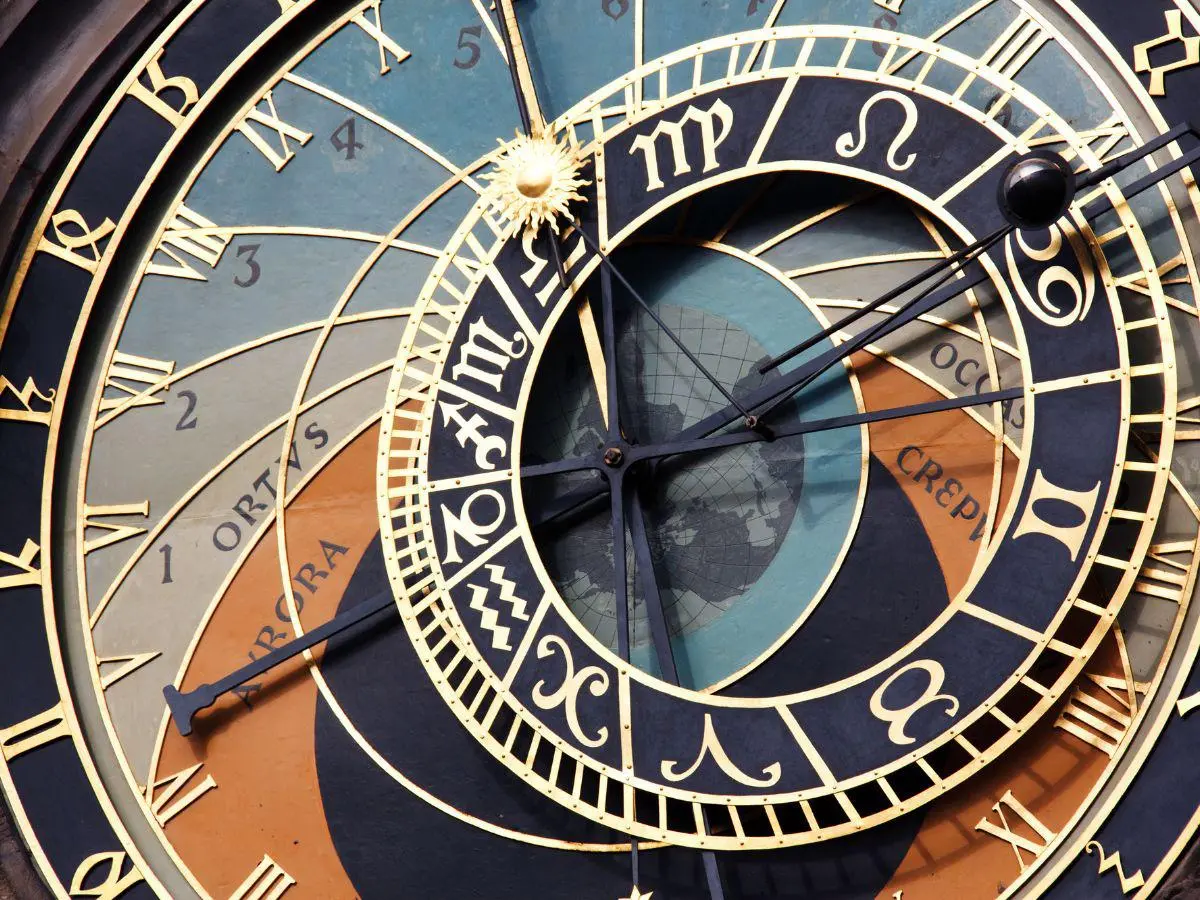
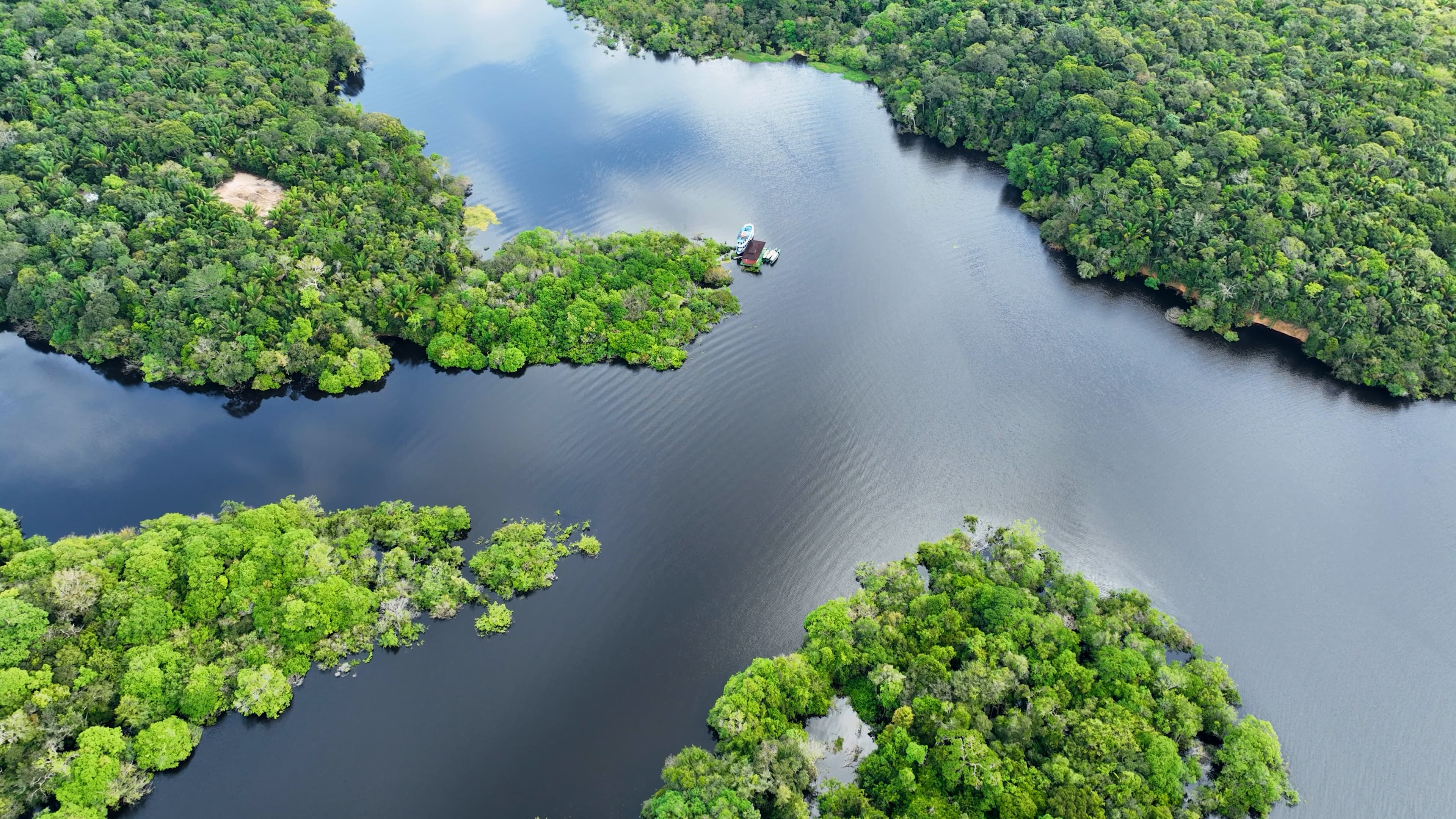
The Amazon: A System Under Pressure
In the same 35-year period during which the Doomsday Clock moved from 17 minutes to 89 seconds, the Amazon rainforest lost approximately 88 million hectares.
That rate translates to 6.3 football fields per minute. Every minute. For three and a half decades.
The Amazon is not merely a forest. It is a continental-scale infrastructure system. It cycles 20% of the world's freshwater. It stores carbon equivalent to a decade of global emissions. It generates rainfall patterns that sustain agriculture across South America.
Scientific literature identifies a critical threshold: if deforestation reaches 20–25% of the original forest cover, the system may enter irreversible collapse losing its capacity to regenerate and shifting permanently toward savannization.
Current estimates place cumulative loss at approximately 17%.
The margin between present conditions and systemic tipping point is narrower than commonly perceived.
A Warning, Not a Verdict
The Doomsday Clock has moved backward before.
In 1991, following the end of the Cold War and the signing of the Strategic Arms Reduction Treaty, it retreated to 17 minutes the farthest from midnight since its creation.
The clock responds to action. It reflects not fate, but trajectory. And trajectories can be altered.
The scientists who maintain it do not present their warning as inevitable doom. They present it as a measure of urgency a call to recognize that the decisions made in this window will determine whether the clock continues forward or begins to retreat.
History suggests that collective action, when it occurs, can shift the calculus. The question is whether such action will emerge in time, and from where.
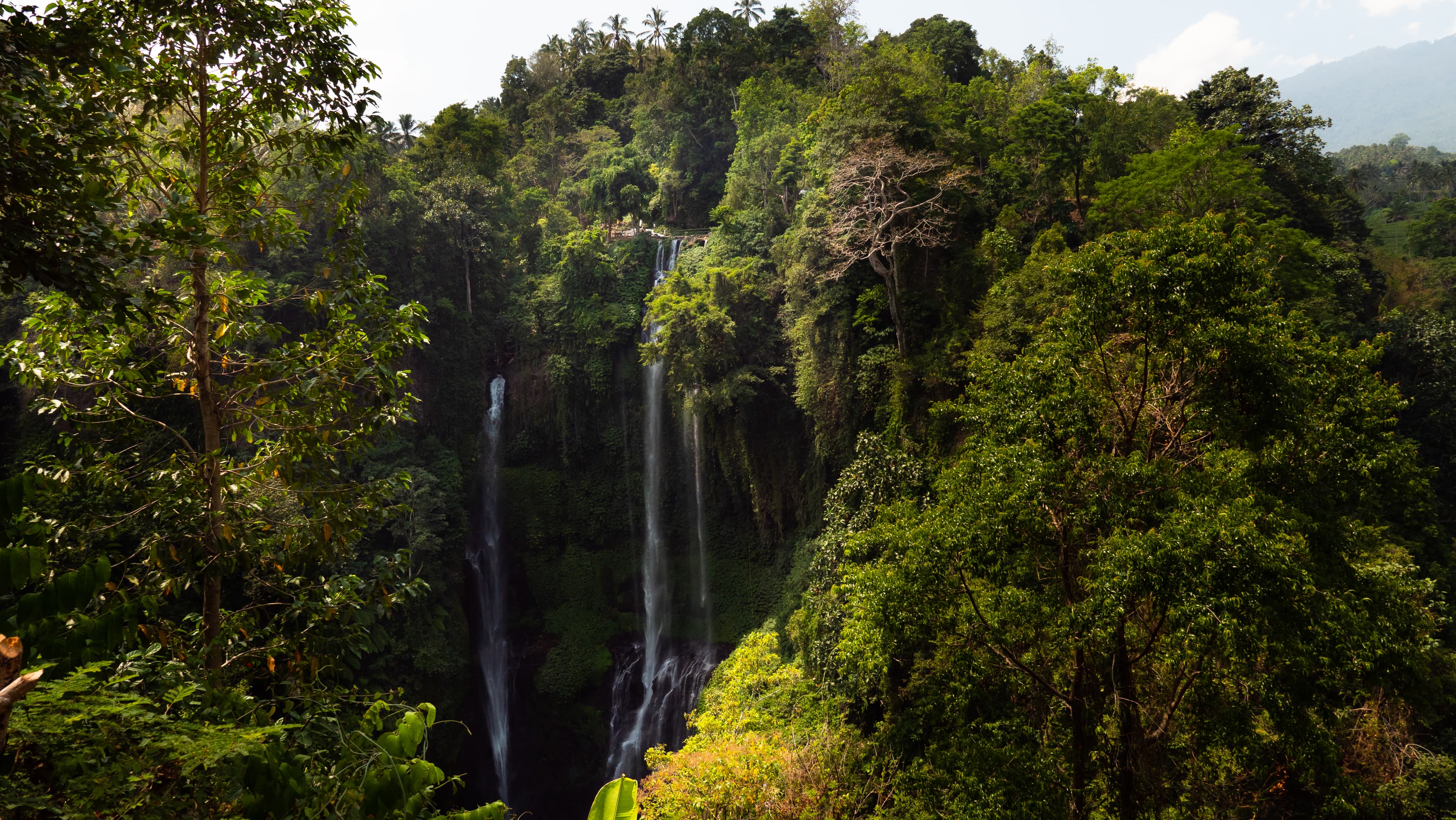
The Doomsday Clock does not tell us when midnight will arrive.
It tells us where we stand and reminds us that standing still is also a choice.
© Hortus Deliciarum Strategic Conservation | Ecuadorian Amazon
Contac: info@hortusdeliciarum.org
This document is provided for informational purposes. Data and findings are sourced from peer-reviewed research. Hortus Deliciarum does not provide investment advice. Readers should conduct independent due diligence.