

On the fourteenth of October 2025, three weeks before the climate summit opened in Belém, the United Nations Environment Programme published two reports from Nairobi that are rarely read together. One measured how much money tropical forests receive. The other measured how much work they do. Its executive director summed up the second with a sentence that does not often come out of an environmental agency: forests are "the infrastructure of our global food, water, and economic systems."
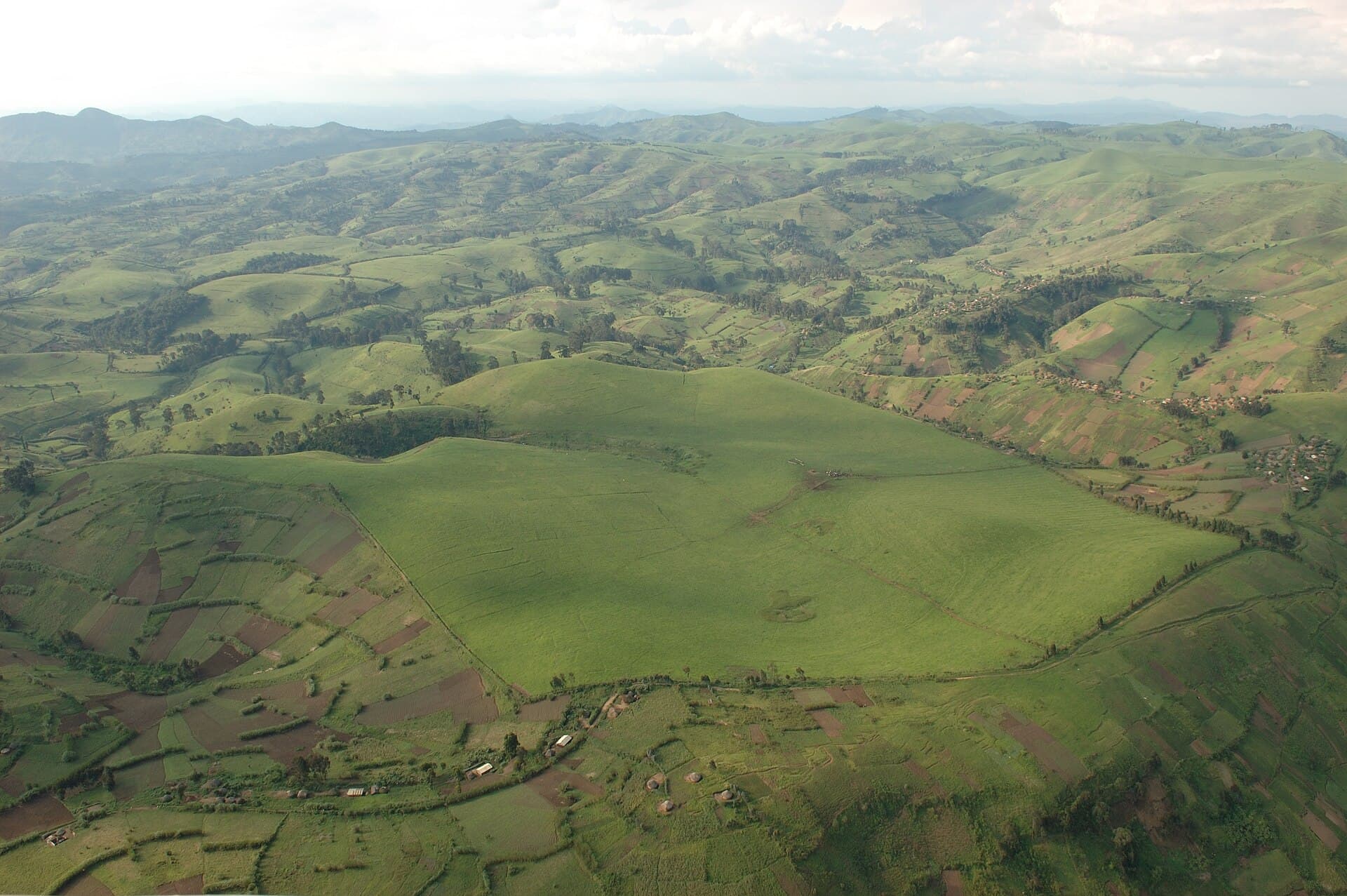
The scale of the object is precise. The report identifies three hundred and ninety-one million hectares of tropical forest at high risk of deforestation, roughly a quarter of the world's tropical forest area, a surface comparable to the European Union. These are not the most remote or the best-protected forests. They are the ones closest to the agricultural frontier, the road and the land price, and for that very reason the ones the economy has already begun to value, if still in the wrong column.
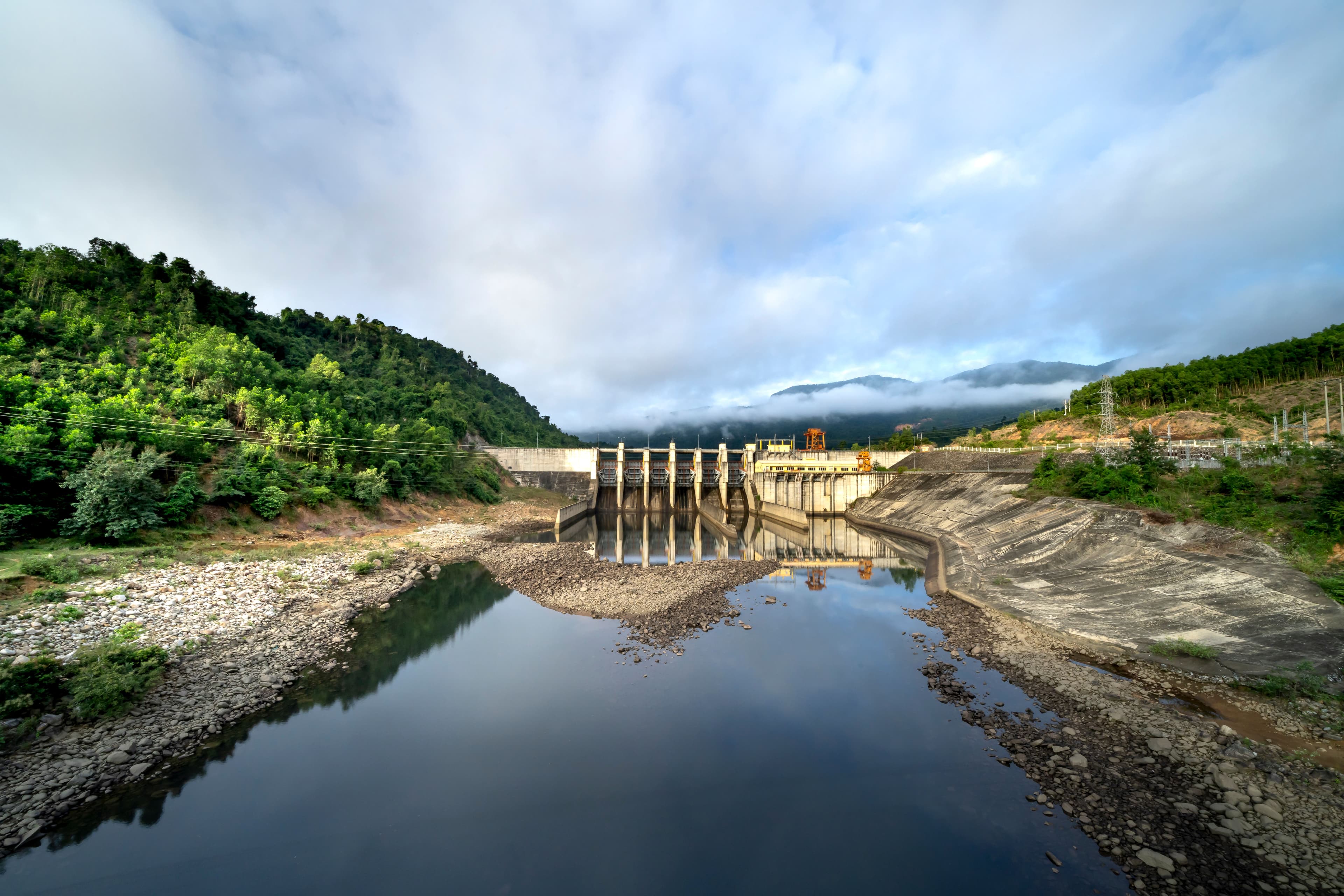
What those forests do each year can be itemised. They keep an estimated two point three million tonnes of nitrogen and five hundred and twenty-seven million tonnes of sediment out of rivers, protecting drinking water, reservoirs, hydropower and irrigation downstream. They recycle between ten and fourteen percent of regional rainfall, sustaining the precipitation patterns on which neighbouring basins depend. They support the pollinators that meet the nutritional needs of some ten million people and supply fuel, food and income to twenty-five million low-income people. And they act as a buffer against extreme weather, averting disaster losses the report puts at eighty-one billion dollars a year.
The second report explains why that infrastructure still has no financial owner. In 2023 the world directed eighty-four billion dollars to forests; eighty-eight percent came from domestic public budgets and only seven point five billion, nine percent, from private capital, concentrated moreover in low-risk markets rather than in the tropical commodities that account for most deforestation. To meet the climate, biodiversity and restoration goals already signed, that flow would have to reach three hundred billion by 2030. The annual gap is two hundred and sixteen billion dollars. Meanwhile, harmful agricultural subsidies exceed four hundred billion a year and are associated with the loss of two point two million hectares of forest annually. Capital is not scarce. It is pointed the other way.
One detail in that calculation reorders the discussion. Of all the additional money needed by 2030, protecting existing forest requires only thirty-two billion dollars a year, and with that fraction it covers eighty percent of the land area the global goals call for. Restoring what was lost costs far more per hectare than preventing the loss. UNEP's arithmetic is, at bottom, the arithmetic of any asset: maintenance is cheaper than rebuilding, and what was never degraded does not need to be rebuilt.
It is worth stating precisely what these figures mean and what they do not. They are modelled estimates, produced by overlaying spatial layers of ecosystem value with layers of deforestation risk; they are not audited cash flows or direct measurements. The eighty-one billion is avoided damage, a value that materialises in the column of what did not happen. The reports come from an agency with a mandate to advocate for forests, although the technical work was led by the National University of Singapore. And they are global aggregates: they describe an asset class, not a specific property. Anyone who wants to carry these numbers down to a given hectare will have to measure it.
With those caveats, the reframing stands. If protecting a quarter of the tropical forest avoids eighty-one billion dollars in losses every year, that value existed while the forest was standing and no balance sheet recorded it. It is infrastructure nobody built, that does not depreciate if left untouched, that demands no capital expenditure to keep working, and whose only peculiarity compared with a dam or a treatment plant is that, once lost, it cannot be put out to tender for replacement. In Belém, that evidence moved into design: Brazil drew on it to advance the Tropical Forest Forever Facility, which gathered five point five billion dollars in pledges, and more than thirty countries endorsed a forest finance roadmap. On the ninth of November, in Antalya, the next summit opens with deforestation back on the agenda. The question is no longer whether the forest has value. It is who carries it on their books.
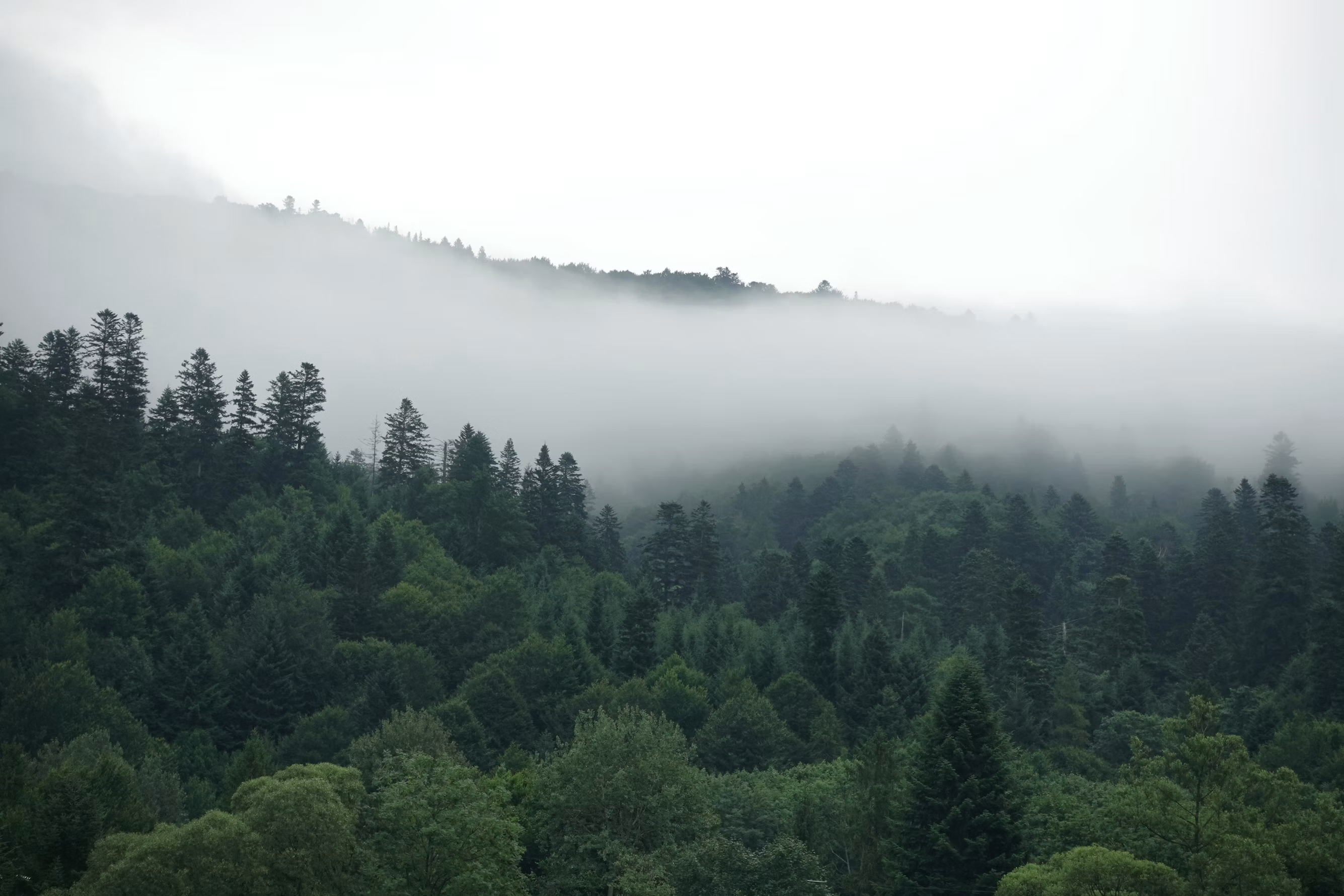
That is the premise behind Hortus Deliciarum in the Ecuadorian Amazon: that intact primary forest, under verified title and custody designed on the scale of centuries, is not a philanthropic gesture but an infrastructure asset the rest of the market has not yet priced. If public accounting already calculates what that forest produces every year, how much longer can private accounting keep entering it at zero? www.hortusdeliciarum.org
SOURCES
Institutional reports — UNEP (2025), High-risk forests, high-value returns: A co-benefits assessment for decision-makers, Nairobi, DOI 10.59117/20.500.11822/48717; UNEP (2025), State of Finance for Forests 2025: Unlock. Unleash., Nairobi, DOI 10.59117/20.500.11822/48718; UNEP press release, Nairobi, 14 October 2025. Post-COP30 follow-up — UN-REDD Programme, "Evidence on forest finance and co-benefits helps shape post-COP30 climate action", July 2026. Calendar — UNFCCC, COP31, Antalya, 9–20 November 2026. Methodological note — Co-benefit figures are modelled spatial estimates, not direct measurements; the avoided-damage figure represents losses that do not occur.
© Hortus Deliciarum Strategic Conservation | Amazon
This document is provided for informational purposes. Data and findings are sourced from peer-reviewed research, government records, and verified scientific publications.