

On 27 October 2026, at the United Nations biodiversity conference in Yerevan, European Commissioner Jessika Roswall launched a group called the Friends of Credits for Nature and Biodiversity, at an event co-hosted by the European Union, France and Peru. The Commission describes it as an informal, government-led initiative to build international support for nature credits. Twelve further countries were welcomed to it: Finland, Luxembourg, the Netherlands, Portugal, Spain, Australia, Botswana, Canada, Chile, Indonesia, Japan and New Zealand. The Commission announced a further European side-event at the climate conference in Antalya for 18 November, and a joint statement for governments to endorse is to follow.
The reason is arithmetic. In its Roadmap towards Nature Credits, published in July 2025, the Commission cites a global biodiversity financing gap of seven hundred billion dollars a year, and a commitment under the Kunming-Montreal framework to mobilise at least two hundred billion a year by 2030. Within the European Union alone the investment needed is estimated at sixty-five billion euros annually. The same document notes that more than half of global output depends on nature and its services, and that around seventy-two percent of companies in the euro area are critically dependent on them. Public money, it concludes, cannot close the gap.
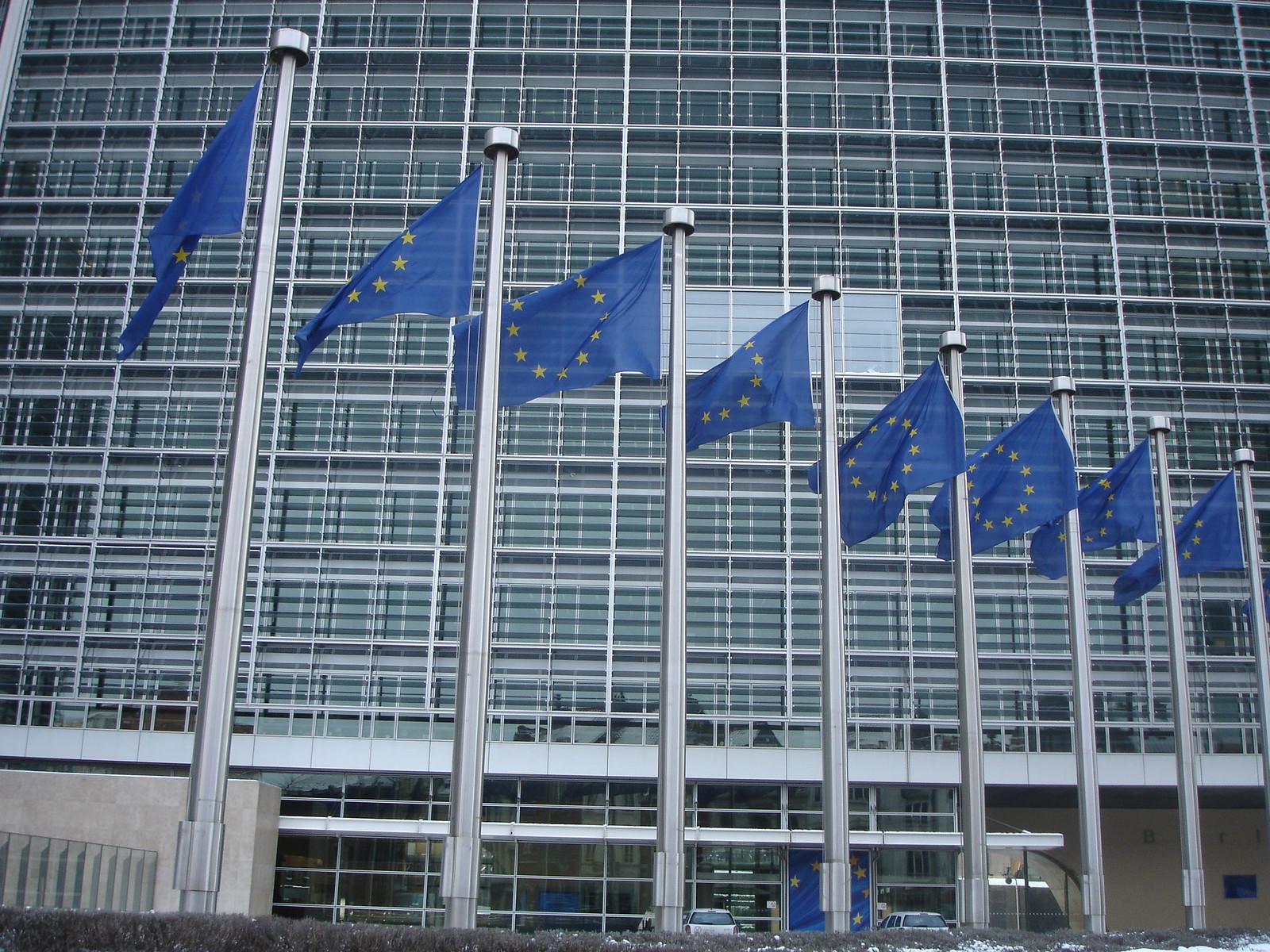
The instrument proposed has two steps. First an action is certified: an independent body verifies that an intervention meets agreed standards. Then, as results are demonstrated, credits are issued. The roadmap suggests that a nature credit could be considered a unit that represents a nature-positive outcome, derived from a certified and independently verified action and quantified using a recognised biodiversity metric or indicator. Its own example is a group of farmers and land managers who work together to enhance a wetland. Once issued, the unit can be registered, pooled, banked and transacted. The document counts more than fifty initiatives of this kind already reported around the world, converging on shared principles: additionality, attribution, measurability, permanence, no double counting.
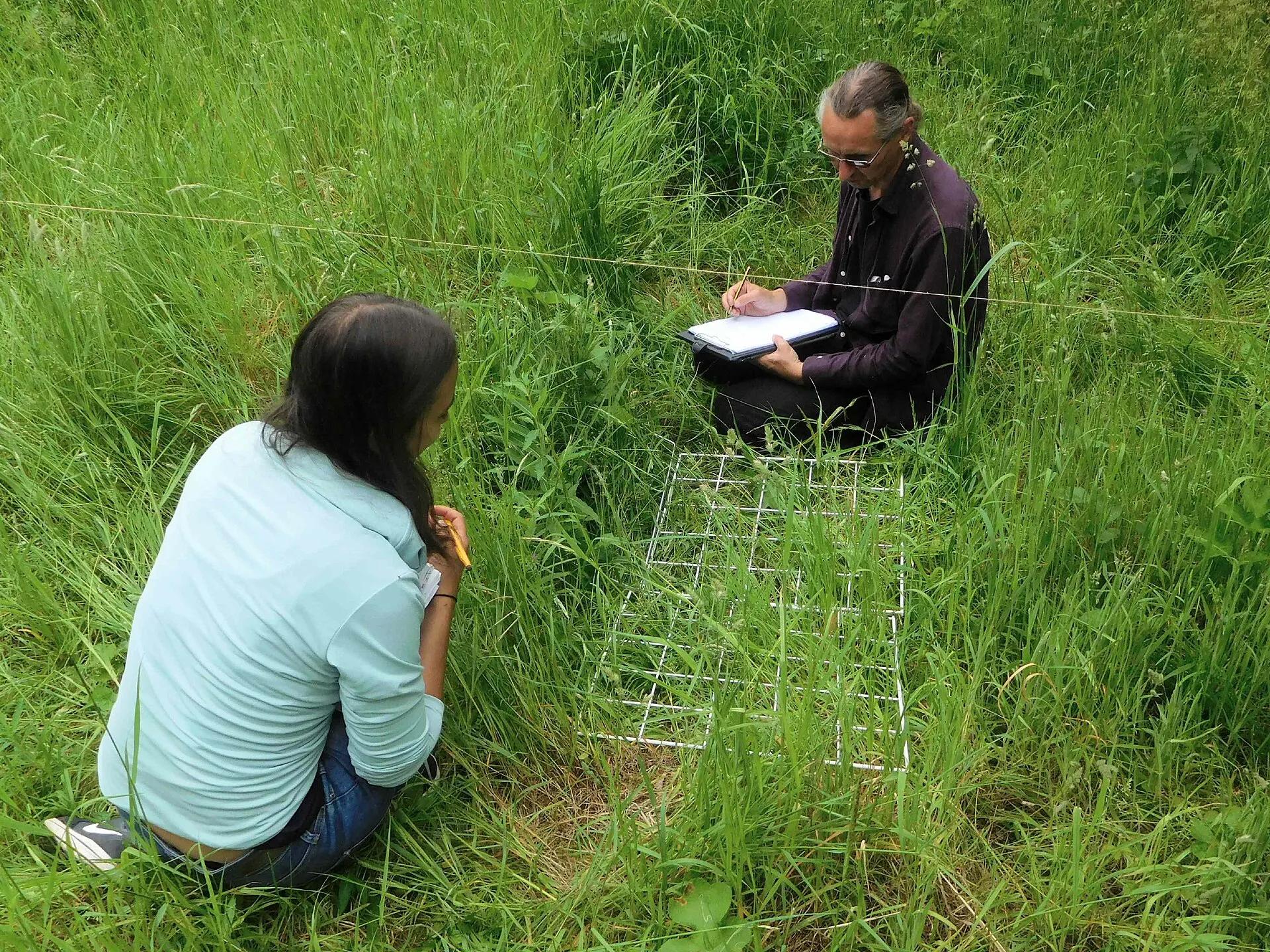
The difficulty is the unit itself. Carbon has the tonne. Nature has no equivalent, and the Commission does not pretend otherwise: its roadmap states that ecosystem services remain difficult to monetise and lists difficulties in measuring biodiversity outcomes among the barriers to investment. In December 2024, Wauchope and colleagues put the question in the title of a paper in Proceedings of the Royal Society B: what is a unit of nature? Their review of the emerging market found deep uncertainties throughout the process of defining, measuring and crediting biodiversity. They concluded that credits can have a positive effect only under unprecedentedly strict regulation, and only if they are bought as contributions to nature and not as offsets for damage done elsewhere. They also drew attention to the many aspects of nature that cannot be reduced to a unit.
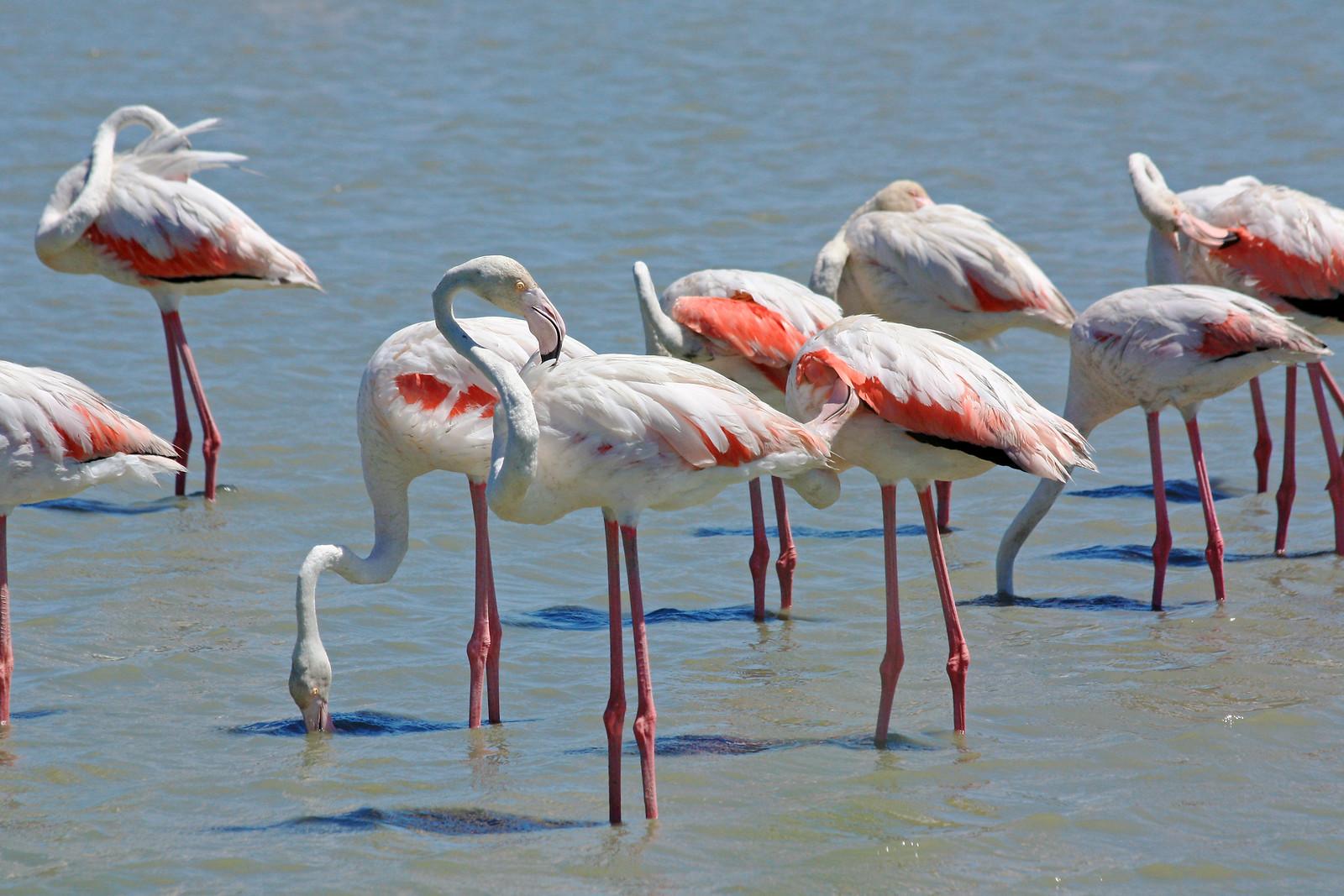
It is worth stating precisely what exists and what does not. The roadmap is a communication from the Commission, not legislation, and there is no European market in nature credits. The group launched in Yerevan is informal, and its joint statement has not been published. The roadmap does speak of maintaining biodiversity as well as improving it, and of rewarding those who protect ecosystems, so the design is not closed. The Royal Society paper analyses a market that is still forming and may be overtaken by it. And this article was written before the event of 18 November, whose conclusions it cannot report.
And there the reading reorders itself. A credit, as the roadmap frames it, translates observed and verified improvements into a unit. Something has to get better, and better than it would have without the intervention, for a unit to exist. That is the grammar of additionality, and it suits a drained wetland that is flooded again or a field returned to meadow. It has little to say about an ecosystem that never deteriorated. An instrument that measures the distance travelled records the place that never left as zero. That is a statement about the instrument, not about the place. The intact ecosystem is the reference against which every restoration is scored, and the reference is the one thing the unit does not issue.
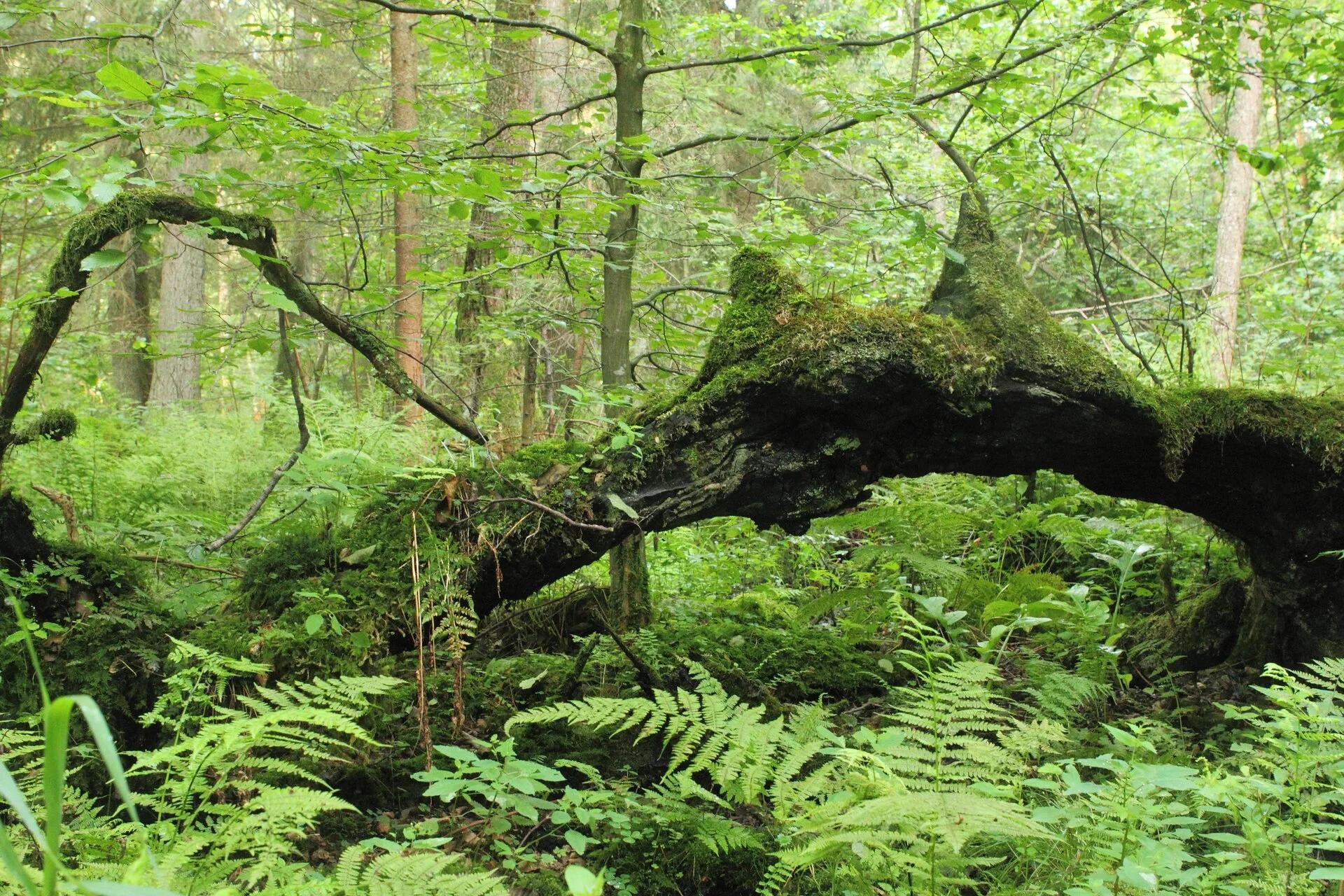
That is the premise behind Hortus Deliciarum in the Ecuadorian Amazon: securing primary forest under title and long-term custody is not philanthropy. It is holding the original against which improvement elsewhere is measured, an asset that an outcome-based market can describe but cannot manufacture. If a market can price only what has been repaired, who holds what was never broken? The documentation is at www.hortusdeliciarum.org
SOURCES
Official documents — European Commission, Directorate-General for Environment, "EU launches Friends of Credits for Nature and Biodiversity at COP17", October 2026; European Commission, "Roadmap towards Nature Credits", COM(2025) 374, July 2025. Peer-reviewed research — Wauchope, H. S. et al., "What is a unit of nature? Measurement challenges in the emerging biodiversity credit market", Proceedings of the Royal Society B 291, 20242353 (December 2024), doi 10.1098/rspb.2024.2353. Methodological note — The figures on the financing gap, the Kunming-Montreal target, European investment needs and corporate dependence on ecosystem services are those cited by the Commission in its roadmap; their underlying sources were not consulted. The abstract of the Royal Society paper was read through its Crossref record, not the full text. The observation that an outcome-based unit does not capture an intact ecosystem is this article's own reading of the roadmap's definition, not a statement made by the Commission or by the authors of the paper. Photo credits — Cover, treetops of the Amazon rainforest in Tena, Ecuador: Jay, CC BY 2.0. Ecologists surveying with a quadrat: Ian Alexander, CC BY-SA 4.0. Old-growth stand in Białowieża Forest: Bouke ten Cate, CC BY 4.0. All three via Wikimedia Commons. Berlaymont building, Brussels: Eoghan OLionnain, CC BY-SA 2.0. Flamingos in the Camargue: Andrea Schaffer, CC BY 2.0. Both via Flickr.
© Hortus Deliciarum Strategic Conservation | Amazon
This document is provided for informational purposes. Data and findings are sourced from peer-reviewed research, government records, and verified scientific publications.