

On 29 October 2026, in Yerevan, during the seventeenth Conference of the Parties to the Convention on Biological Diversity, the FAO, the United Nations Environment Programme and the Convention's Secretariat published the progress report of the United Nations Decade on Ecosystem Restoration, at the midpoint of its course from 2021 to 2030. The headline figure is two hundred and fifty-two million hectares, spread across one hundred and forty-nine countries, with more than one million green jobs created along the way. The report describes it as the largest documented restoration effort to date. A careful reading begins with the verb. The report does not say restored. It says under restoration.
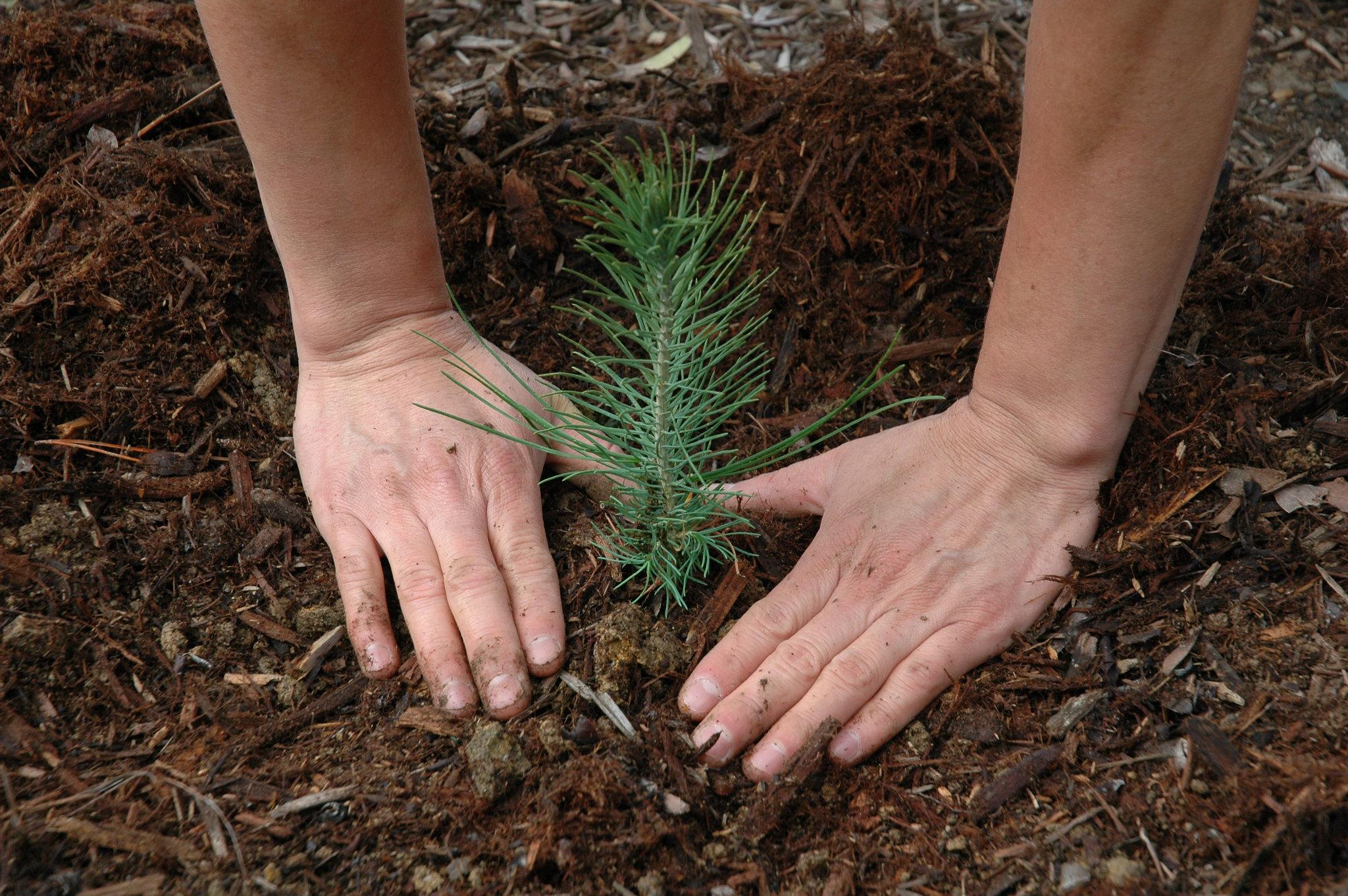
The regional distribution gives the phenomenon its scale. Asia reports one hundred and ninety-two point two million hectares; Africa, thirty-six point three; Europe, nine point one; North and Central America, five point eight; South America, five point four; Oceania, three point two. China alone reports one hundred and twenty-seven point four million, half the global total. Freshwater ecosystems account for eleven million hectares in sixty-two countries; marine and coastal ecosystems, five point seven million in forty-six. The backdrop is the set of commitments countries have signed under the Paris Agreement, the Kunming-Montreal Global Biodiversity Framework, land degradation neutrality and the Bonn Challenge: one billion hectares, an area larger than China. Target 2 of Kunming-Montreal requires that by 2030 at least thirty percent of degraded terrestrial, inland water, coastal and marine areas be under effective restoration. According to the report, terrestrial restoration has reached nearly half of that target; marine and coastal restoration, far less.
It is worth understanding how the figure is built. The data come from government-endorsed submissions through global reporting processes and from initiatives reporting to the FAO's Framework for Ecosystem Restoration Monitoring. And the Convention's own guidance note on Target 2 is explicit: the target does not require areas to be restored, but that effective restoration activities have been initiated, because restoration is a long-term process. The unit of account, therefore, is the hectare on which something began. On that basis the report calculates what is missing: annual finance must rise from sixty-four billion dollars to two hundred and ninety-six billion by 2030, more than a fourfold increase, with the largest estimated needs in agroforestry, eighty-seven billion a year; restorative reforestation, fifty-two billion; peatlands, forty-four billion; and seagrass, twenty-eight billion. That investment could generate up to thirty-two million jobs by 2030. The share of Parties reporting wetland restoration programmes has risen from eight to fifty-four percent since 2022.
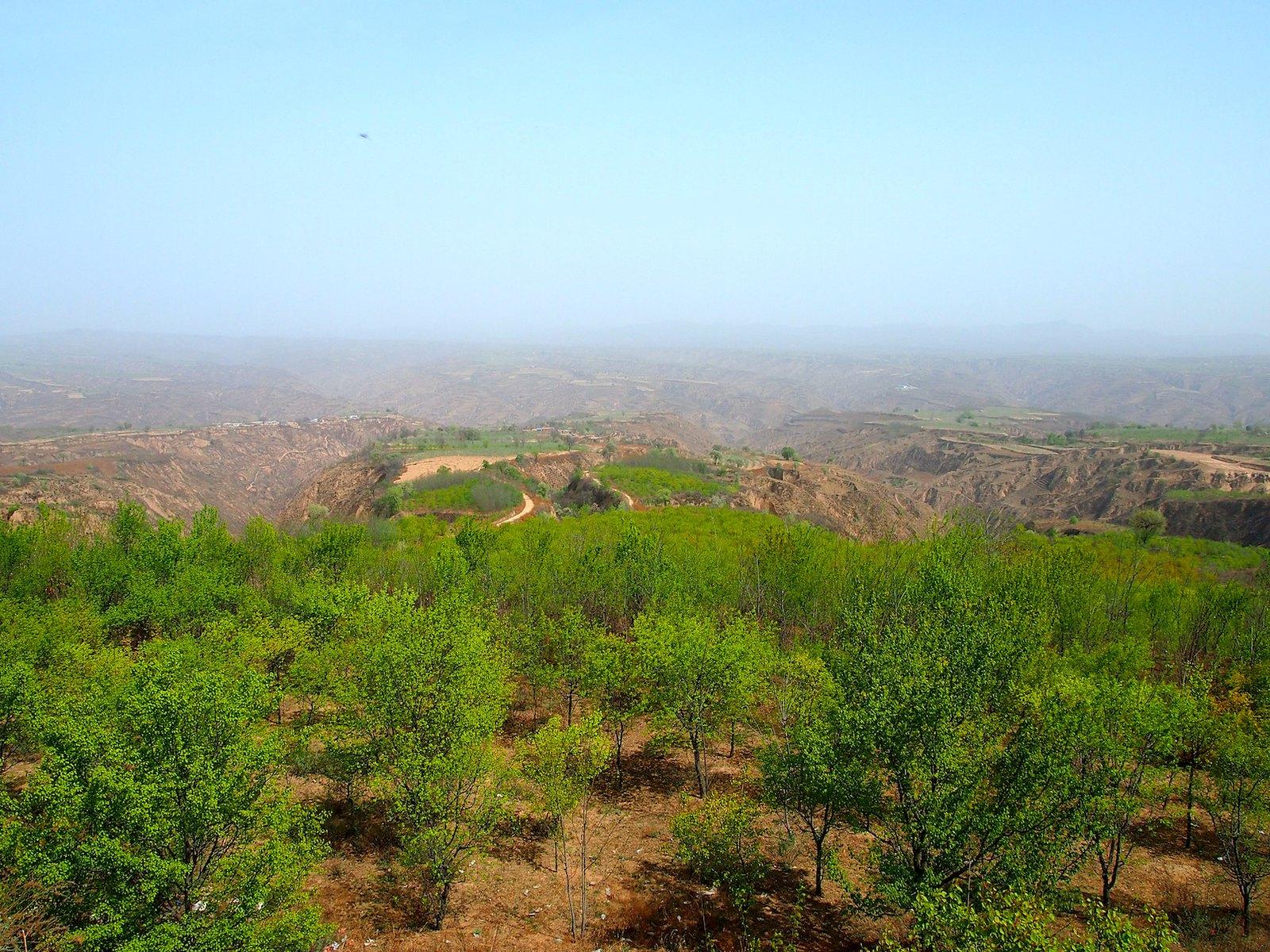
The crack lies in the distance between process and outcome. The report cautions that limited reporting on aquatic restoration may result in an underestimation, and that regional differences reflect the scale of activity as much as each region's land area and its monitoring and reporting capacity. Nothing on the launch page states how many of those hectares have verifiably recovered their ecological function. The Convention's Executive Secretary, Astrid Schomaker, summarised it at the launch in a sentence that allows no comfortable reading: we cannot expect to fix nature with one hand while we destroy it with the other one. The figure measures a movement. The state of the ecosystems that movement pursues is a different variable, measured in a different unit.
That unit is time, and peer-reviewed science has quantified it. In December 2021, Poorter and colleagues published in Science an analysis of twelve forest attributes across seventy-seven tropical sites: after twenty years of regrowth, secondary forests reach on average seventy-eight percent of old-growth values, within a range of thirty-three to one hundred. Soil recovers ninety percent of its value in under a decade; plant functioning, in under twenty-five years; structure and species diversity, in twenty-five to sixty years; biomass and species composition, in more than one hundred and twenty. A decade earlier, in Nature, Gibson and colleagues had assembled one hundred and thirty-eight studies and two thousand two hundred and twenty comparisons between primary and disturbed forests: biodiversity values were substantially lower in degraded forests, with the possible exception of selective logging, and the conclusion was that, for sustaining tropical biodiversity, there is no substitute for primary forests. The Yerevan report itself rests on a third paper, Strassburg and colleagues in Nature, October 2020: restoring fifteen percent of converted lands in priority areas could avoid sixty percent of expected extinctions and sequester two hundred and ninety-nine gigatonnes of carbon dioxide, thirty percent of the atmospheric increase since the Industrial Revolution or, following the correction the journal published in 2022, fourteen percent of total emissions over that period.
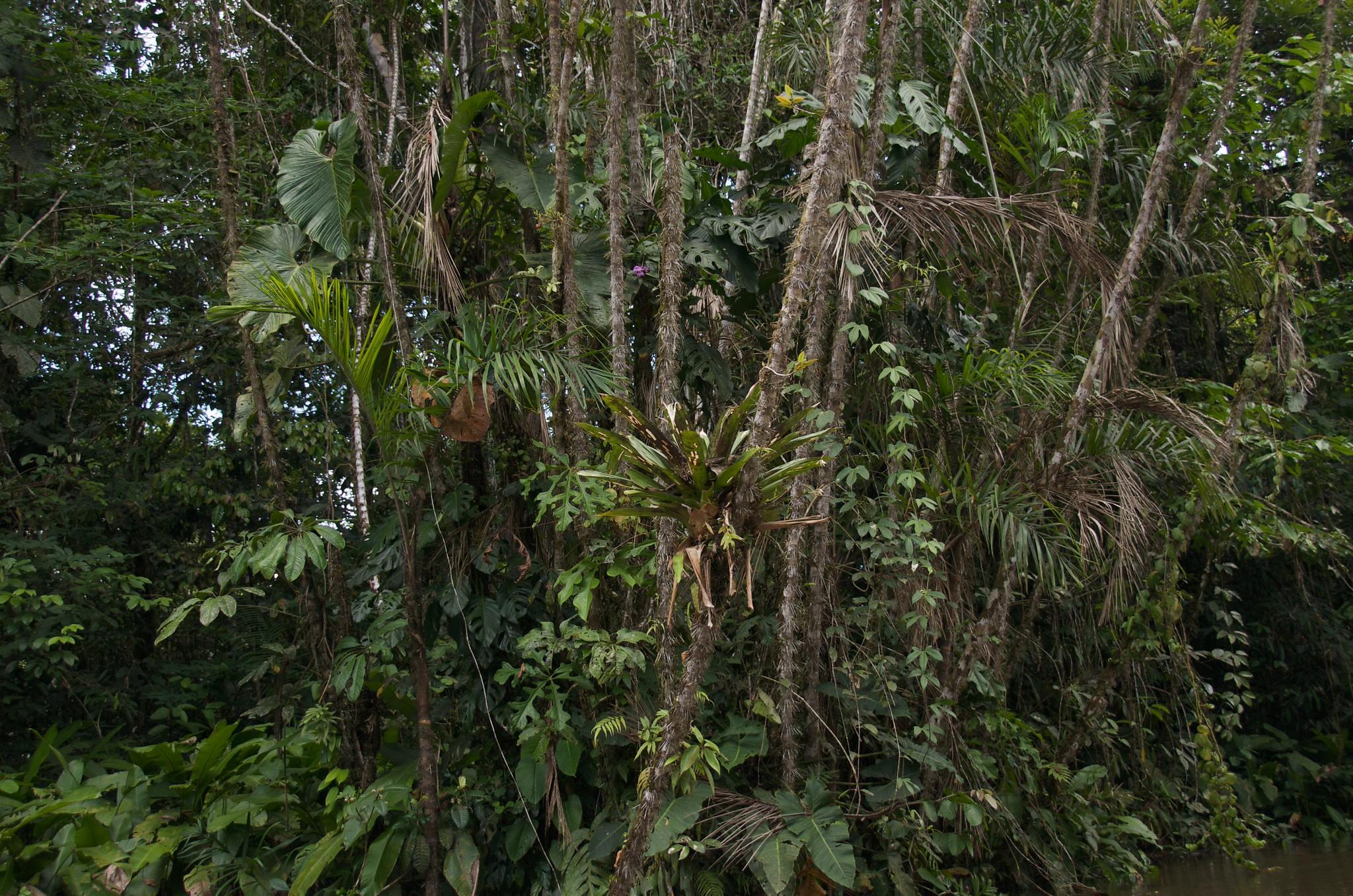
It is worth stating precisely what this evidence supports and what it does not. Poorter's recovery times are estimates drawn from sites of different ages, not a single forest followed for a century, and their range is wide. Strassburg's results are modelling of optimal scenarios, not measurements of restoration carried out. The report's hectares are declarations by governments and initiatives, not independent verification, and its finance figures are estimated needs, not observed spending. None of this contradicts the sentence with which the FAO's Director-General opened the launch, that restoration works: secondary forests are, in the words of Poorter and colleagues, a low-cost natural solution for restoration, mitigation and conservation. What the evidence adds is the timescale on which it works.
And there the reading reorders itself. Two hundred and ninety-six billion dollars a year is the price the international community estimates it needs to return part of the Earth to a state it once had. The attributes that take longest to return, biomass and species composition, more than one hundred and twenty years, are precisely those a primary forest holds in the present moment, without a single dollar of that budget. The accounting of restoration is denominated in money and in time, and the second input cannot be bought: a century of recovery spans the lives of three generations of owners and none of the life of a fund. What is under restoration pursues a state. What is intact already has it, and has it with the one resource no budget can mobilise.
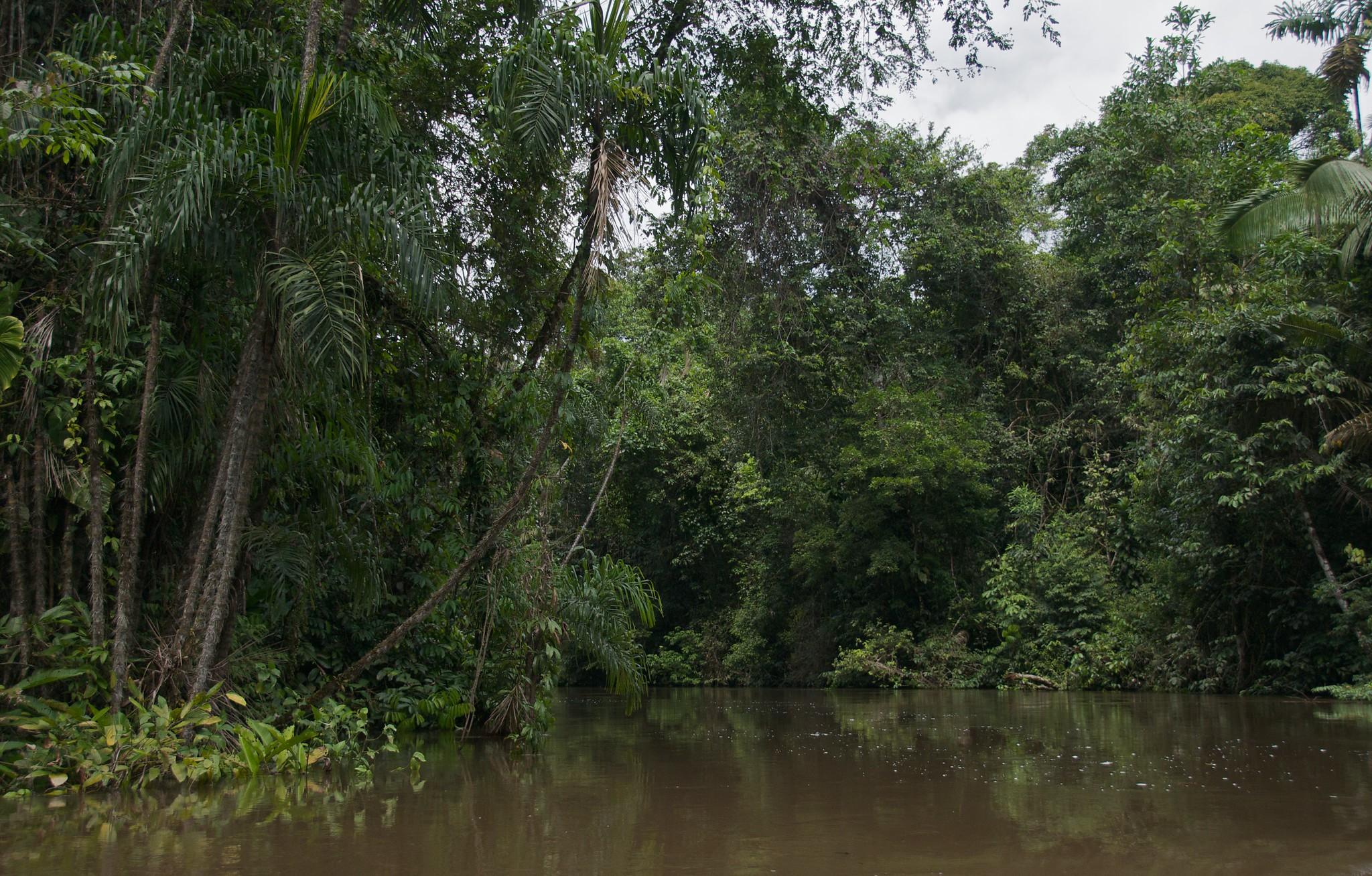
That is the premise behind Hortus Deliciarum in the Ecuadorian Amazon: securing primary forest under title and long-term custody is not philanthropy. It is holding the end state that two hundred and fifty-two million hectares are trying to reach, with the advantage that the time has already been paid. If the world needs more than a century and four times its current budget to approach what an intact forest already is, what is the hectare worth that never had to begin? The answer, with its sources, is at www.hortusdeliciarum.org
SOURCES
Institutional monitoring — FAO, UNEP and the Secretariat of the Convention on Biological Diversity, "Nature's comeback: scaling ecosystem restoration for people and planet", progress report of the UN Decade on Ecosystem Restoration, Yerevan, 29 October 2026 (FAO press release); Framework for Ecosystem Restoration Monitoring (FERM), FAO. Peer-reviewed research — Poorter, L. et al., "Multidimensional tropical forest recovery", Science 374, 1370–1376 (10 December 2021), doi 10.1126/science.abh3629; Gibson, L. et al., "Primary forests are irreplaceable for sustaining tropical biodiversity", Nature 478, 378–381 (2011), doi 10.1038/nature10425; Strassburg, B. B. N. et al., "Global priority areas for ecosystem restoration", Nature 586, 724–729 (14 October 2020), doi 10.1038/s41586-020-2784-9, and Author Correction, Nature 609, E7 (30 August 2022). Regulatory framework — Kunming-Montreal Global Biodiversity Framework, Targets 2 and 3, and the Convention Secretariat's guidance notes (cbd.int/gbf). Statements — Qu Dongyu, Director-General of FAO; Inger Andersen, Executive Director of UNEP; Astrid Schomaker, Executive Secretary of the Convention on Biological Diversity; report launch, Yerevan, 29 October 2026. Methodological note — The report's figures were taken from the official FAO press release; the report PDF in the UNEP repository could not be opened in this session. The report cautions that limited reporting on aquatic restoration may result in an underestimation. The Poorter et al. abstract was consulted on the Wageningen University institutional repository. Gibson et al. carries a correction published in December 2013 that was not consulted; the figures cited come from the current abstract. Photo credits — Cover: Dallas Krentzel, CC BY 2.0. Image 1: USDA Forest Service, Region 5 Photography, CC BY 2.0. Image 2: kudumomo, CC BY 2.0. Images 3 and 4: A.Davey, CC BY 2.0. All via Flickr.
© Hortus Deliciarum Strategic Conservation | Amazon
This document is provided for informational purposes. Data and findings are sourced from peer-reviewed research, government records, and verified scientific publications.