
NEW GREEN
Silva ramorum et truncorum
NEW GREEN
Silva ramorum et truncorum
Every great civilization has been remembered for a masterpiece. Ancient China cultivated mountain medicinal gardens where altitude transformed plants into pharmacological treasures. The Incas understood that elevation alters chemistry—building Machu Picchu not just as a city, but as a living laboratory where thin air and cool temperatures concentrated active compounds. Tibet preserved high-altitude monasteries where medicinal flora grew in conditions impossible to replicate at sea level. In the Ecuadorian cloud forest transition zone, something equally profound occurs: the masterpiece was not planted by herbalists; it was cultivated by altitude itself over millennia.
NEW GREEN emerges as an elevation based pharmaceutical reserve: a 55,831 ± acres property positioned at the precise altitudinal threshold where tropical rainforest transitions into cloud forest creating microclimatic conditions that concentrate medicinal compounds at extraordinary densities. This is not a garden. This is a natural apothecary operating at maximum biochemical efficiency, where cooler temperatures and persistent humidity trigger plant defense mechanisms that produce the most sought-after healing compounds on Earth.
TECHNICAL AND ENVIRONMENTAL CHARACTERISTICS
LOCATION AND ALTITUDE: Ecuadorian Amazon, transitional cloud forest zone at 480–650 meters above sea level the optimal elevation where lowland tropical species meet montane flora, creating peak medicinal plant diversity and compound concentration.
CLIMATE:
Average Annual Temperature: 19–22°C (66–72°F)—significantly cooler than lowland Amazon
Relative Humidity: 90–98% (persistent cloud immersion)
Annual Precipitation: 4,200–5,500 mm (includes direct cloud moisture interception)
Microclimate: Perpetually cool and humid with frequent fog immersion—conditions that stress plants into producing elevated levels of secondary metabolites (alkaloids, flavonoids, terpenes) with medicinal properties
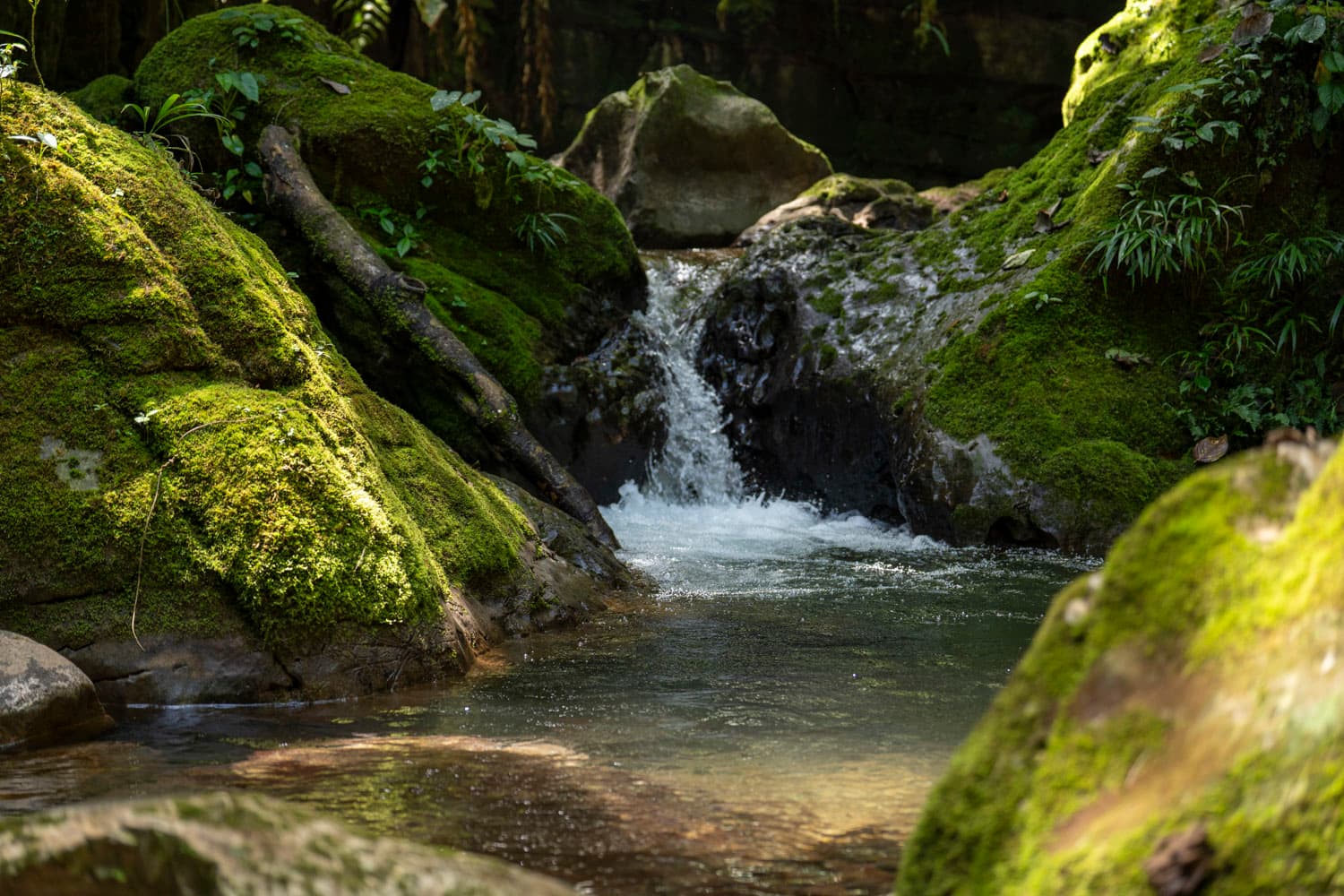
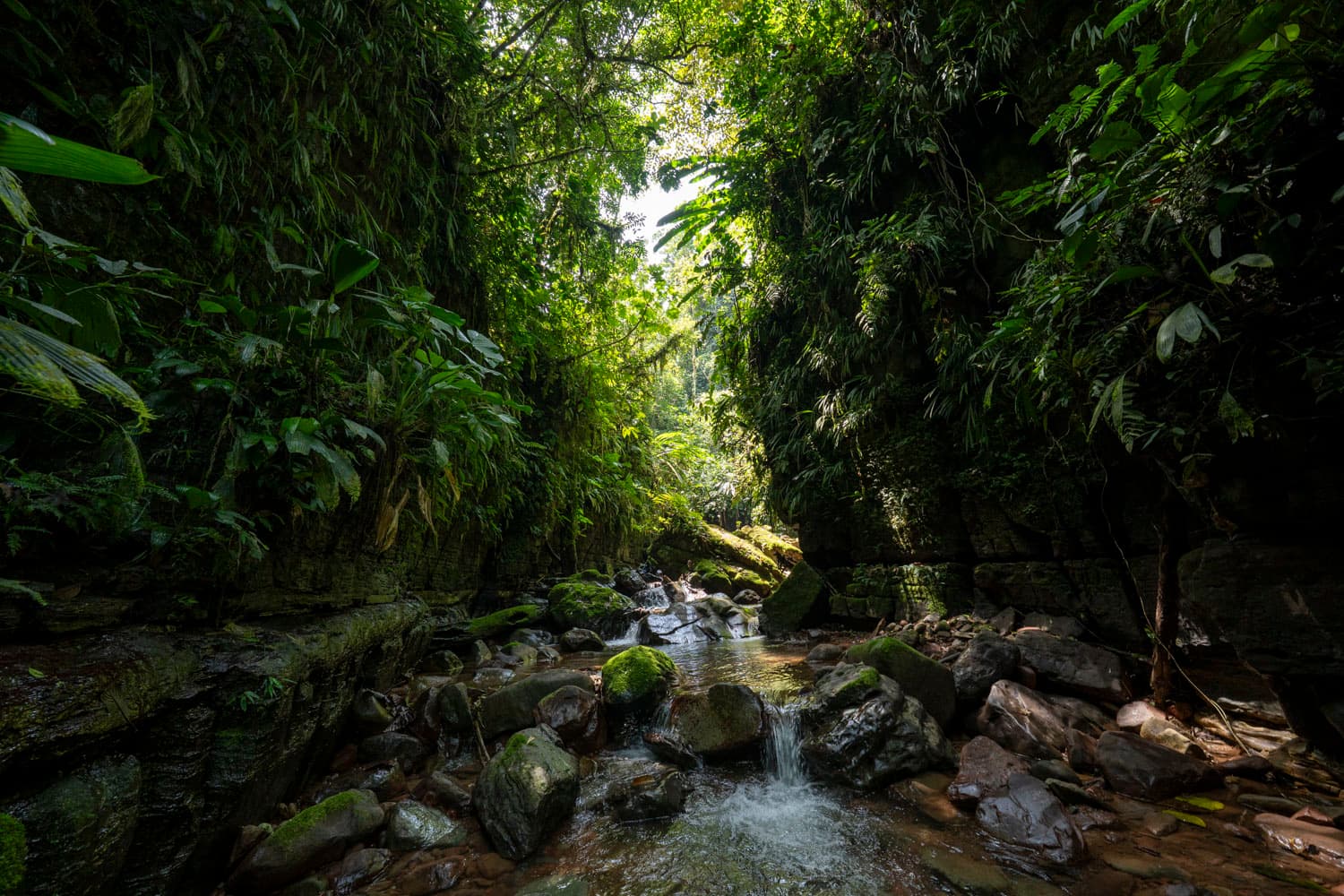
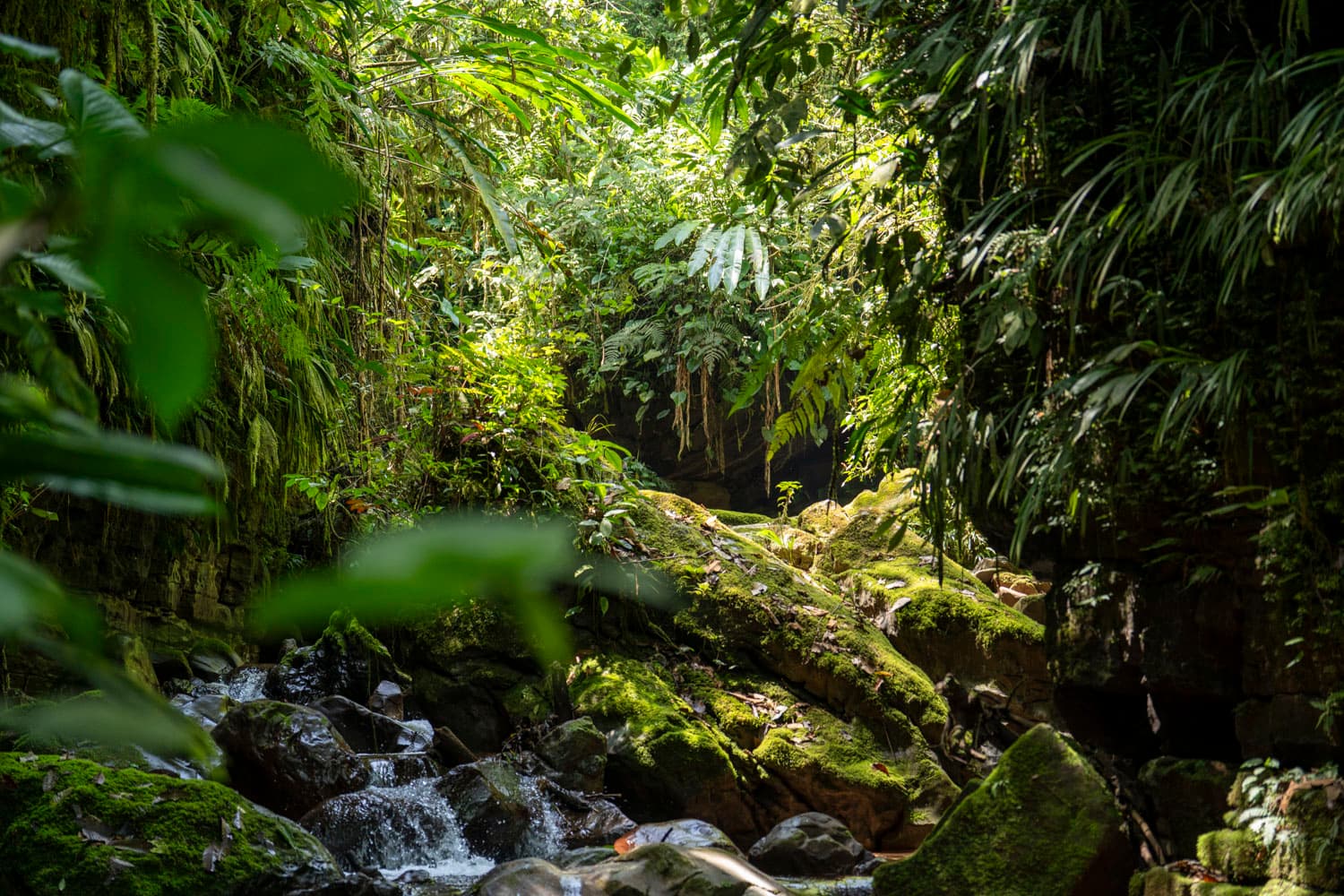
HYDROLOGY: Fourteen natural springs emerge across the property—cold-water sources originating from higher elevation aquifers. Five permanent streams maintain year-round crystal-clear flow with temperatures between 16–19°C. Persistent cloud moisture creates near-constant water availability even during regional dry seasons, ensuring medicinal plants never experience hydric stress.
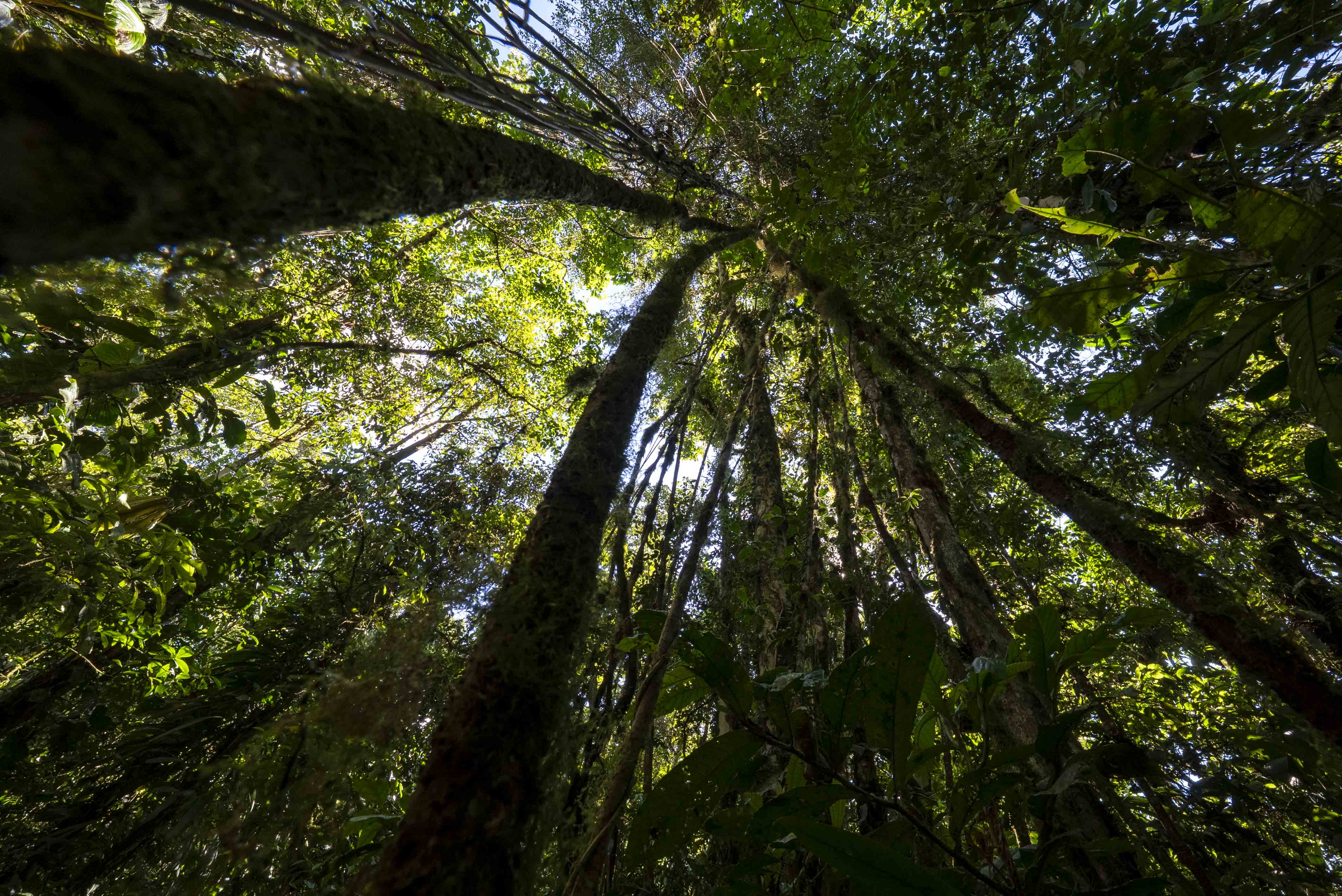
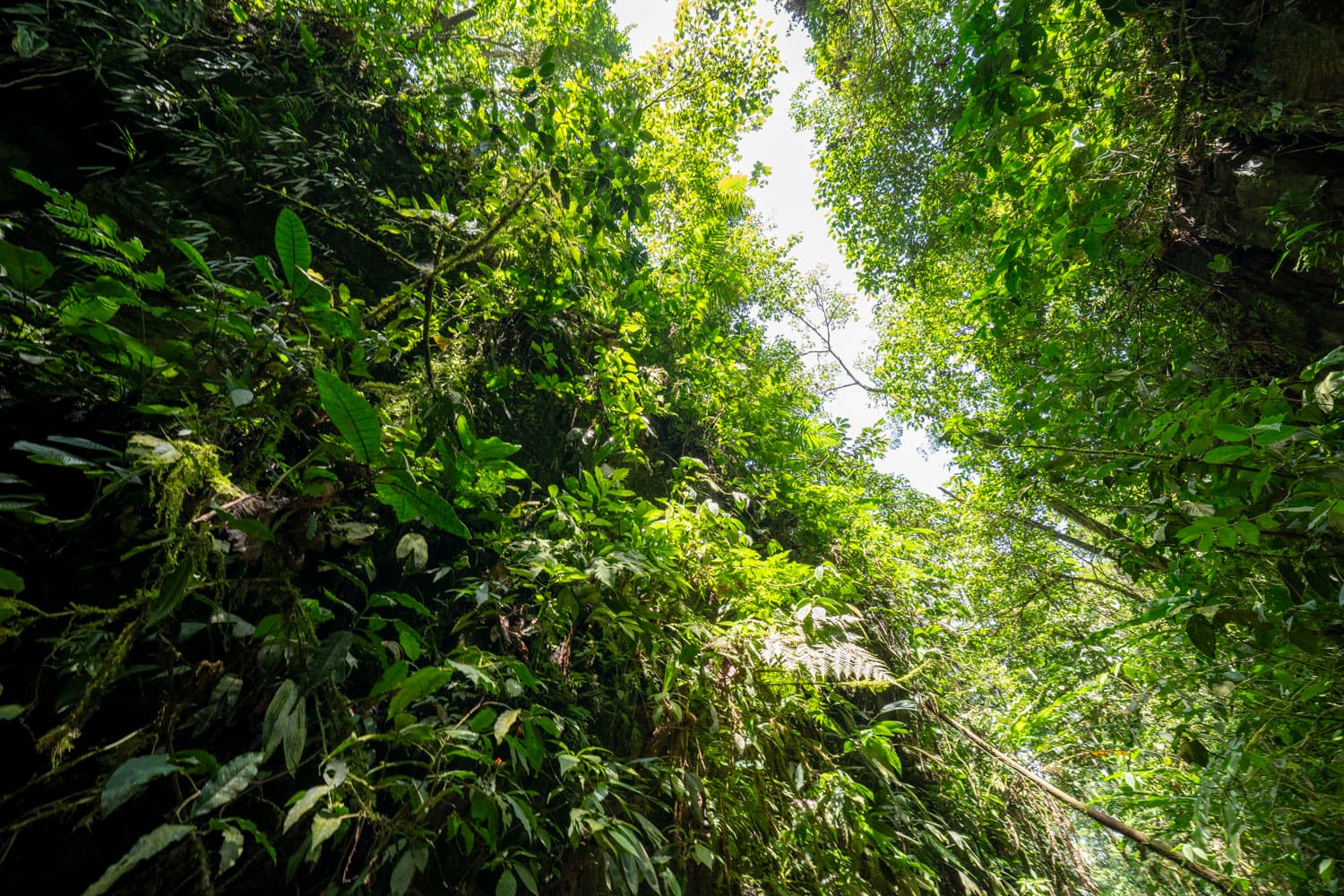
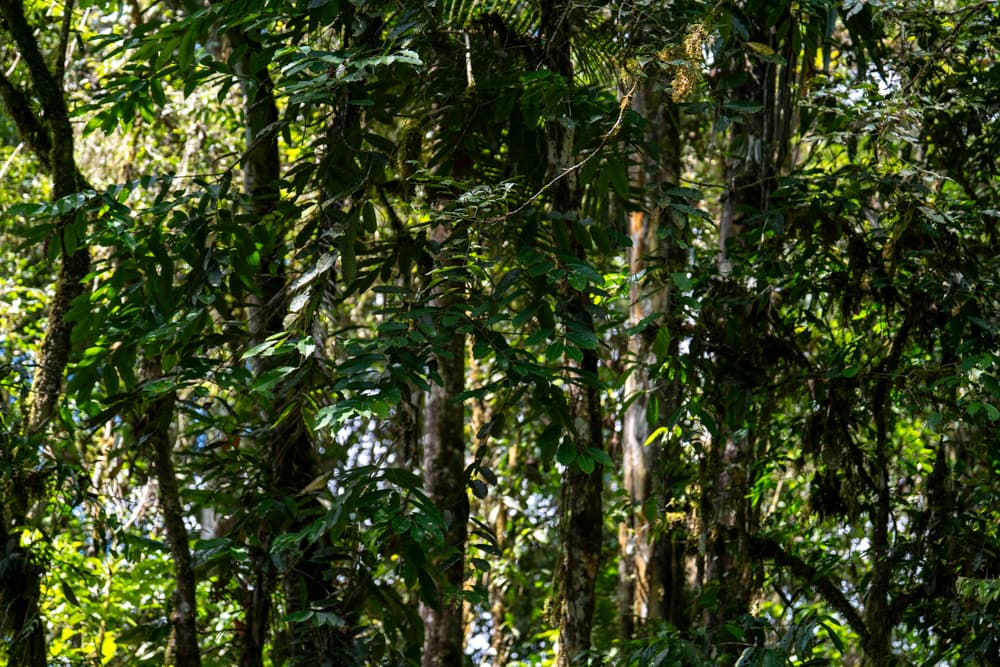
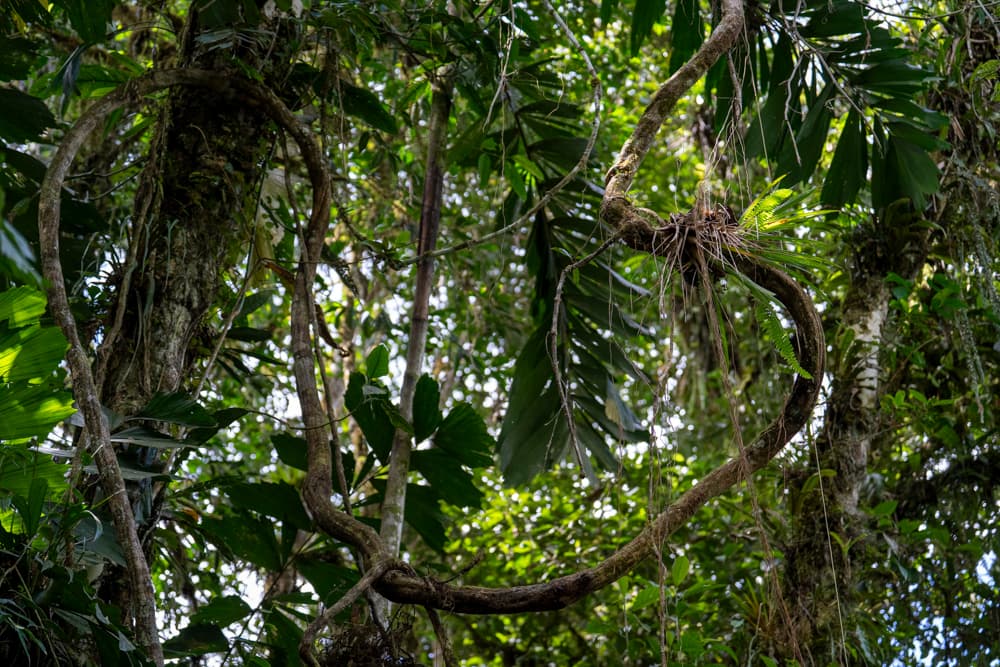
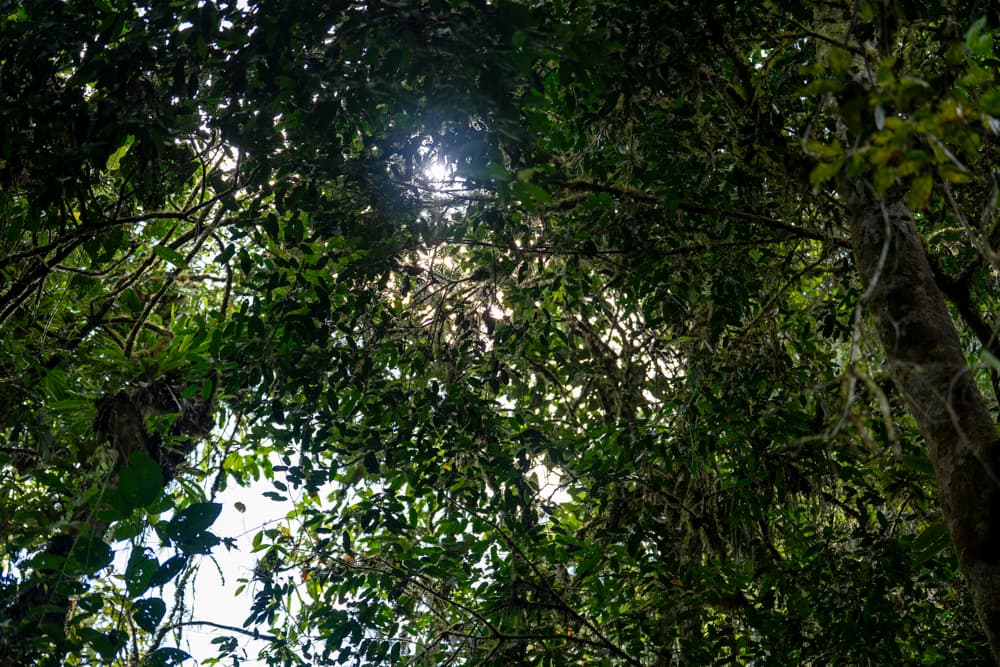
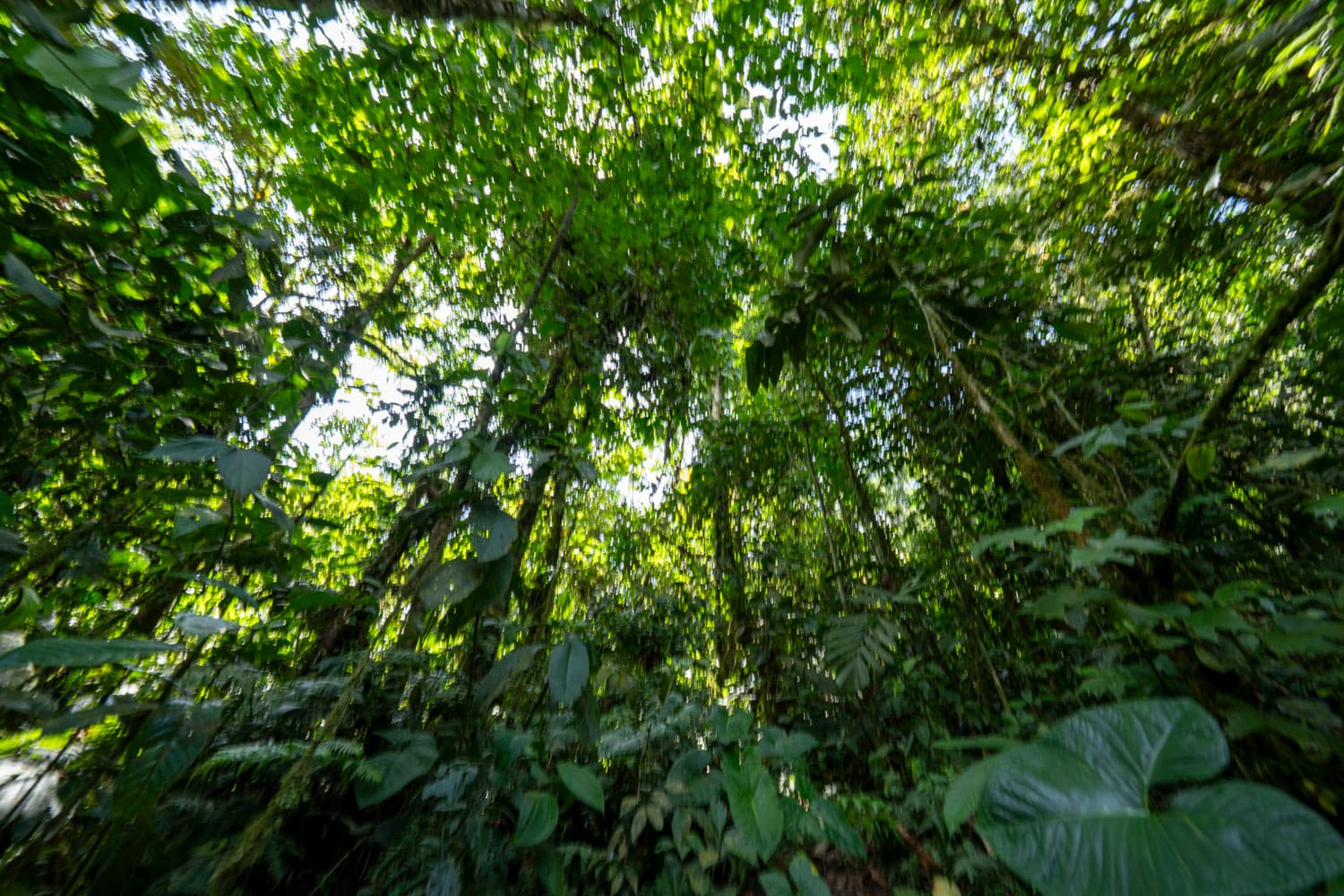
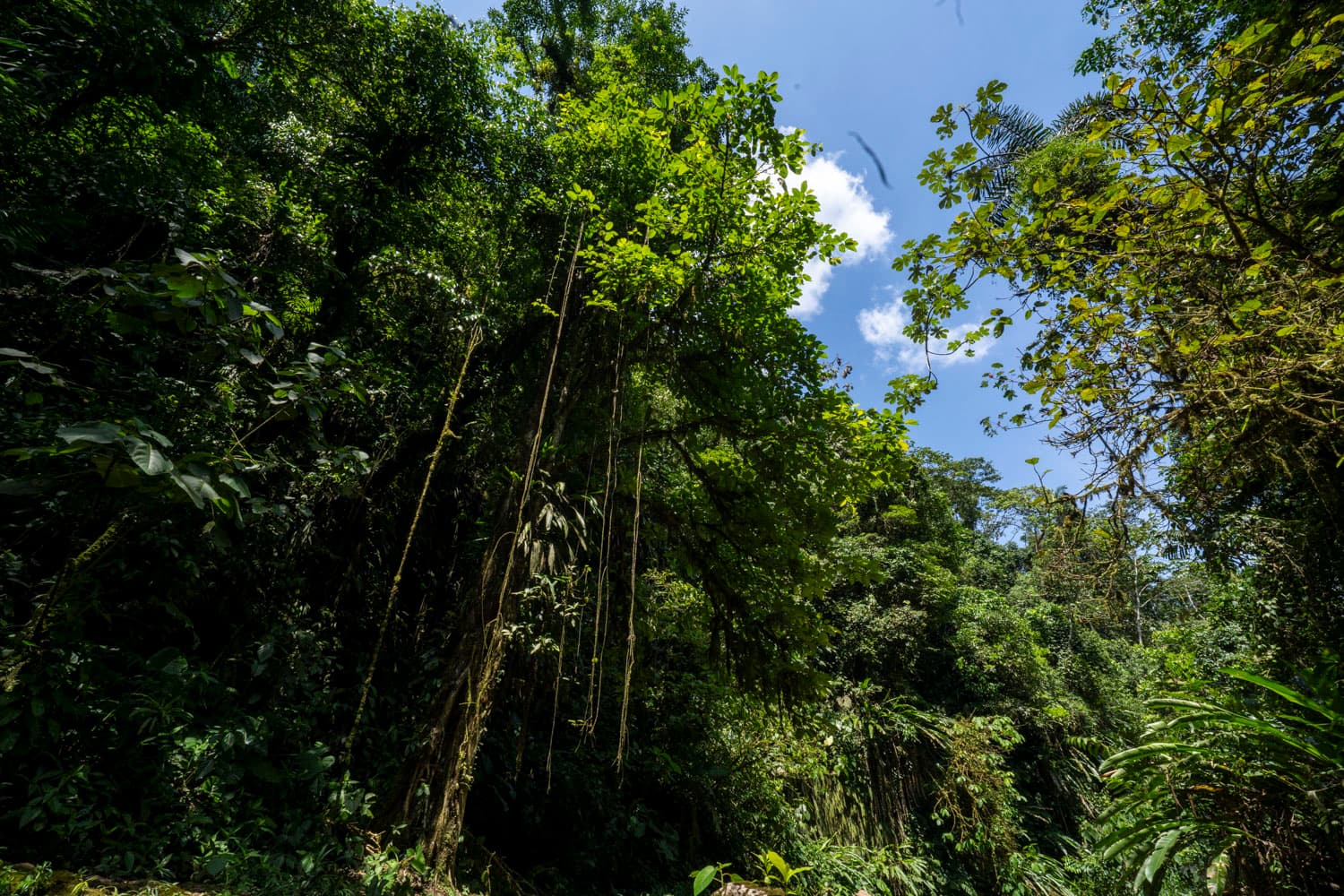
FOREST COVER: Intact transitional forest between lowland tropical and cloud forest—never intervened—with dense understory and midstory vegetation. Trees reaching 30–50 meters with epiphyte loads up to 40% of canopy biomass, including species such as:
Uncaria tomentosa
(Cat's Claw/Uña de gato) – vine species with potent immunomodulatory alkaloids, thriving in cool humid conditions
Cinchona officinalis
(Quinine tree) – historic antimalarial source, native to transitional elevation zones
Maytenus laevis
(Chuchuhuasi) – medicinal bark tree used for anti-inflammatory and analgesic compounds
DOCUMENTED BIODIVERSITY:
Mammals:
Spectacled bear (Tremarctos ornatus—IUCN Vulnerable, altitudinal specialist),
Mountain tapir (Tapirus pinchaque—IUCN Endangered),
Olinguito (Bassaricyon neblina—recently discovered species, cloud forest endemic),
Northern pudú (Pudu mephistophiles—world's smallest deer)
Birds:
Over 520 species recorded in transitional elevation zones, including the Andean cock-of-the-rock (
Rupicola peruvianus),
Golden-headed quetzal (Pharomachrus auriceps),
Plate-billed mountain toucan (Andigena laminirostris),
and diverse hummingbird species (Trochilidae family critical pollinators of medicinal plants)
Herpetofauna:b Glass frogs (Centrolenidaefamily—highly sensitive bioindicators),
Pristimantis genus (direct-developing frogs with over 30 species in elevation range), and salamander species rare in equatorial regions
Medicinal Flora:
Over 240 documented plant species with ethnobotanical medicinal use, including
Sangre de drago( Croton lechleri—wound healing latex), Ayahuasca(
Banisteriopsis caap DMT-containing vine),
Guayusa(
Ilex guayusa
—caffeine-rich traditional stimulant), Dragon's blood trees, and over 85 orchid species (
Orchidaceae
)—many with antimicrobial properties
Total Flora:
Estimated 2,200+ species of vascular plants per hectare due to transitional zone species overlap—among highest botanical diversity on Earth
INTACT FUNCTIONAL ECOSYSTEM
The property preserves an ecosystem in absolute equilibrium:
Cold-water spring systems
with fourteen documented emergence points producing water at 16–19°C year-round—creating unique thermal microzones where temperature-sensitive medicinal plants concentrate
Perpetual cloud immersion zones
where fog intercepts on canopy and drips continuously, maintaining 95%+ humidity even during regional dry periods—conditions essential for epiphytic medicinal orchids and bromeliads
Transitional elevation biodiversity hotspot
where lowland and montane species overlap, creating the highest medicinal plant density in the Amazon basin—over 240 documented ethnobotanical species within a single property
Cooler temperature stress response
triggering elevated production of secondary metabolites (alkaloids, terpenes, flavonoids) in plants—the biochemical compounds responsible for medicinal properties intensify at this precise elevation
Emblematic species
including the spectacled bear (altitudinal specialist indicating intact montane habitat) and olinguito (recently discovered carnivore endemic to cloud forests—demonstrating property harbors undocumented biodiversity)
Key Terminology Used
Transitional Cloud Forest Zone:
The elevation band where tropical lowland forest transitions into cloud forest creating species overlap and maximum biodiversity.
Secondary Metabolites:
Chemical compounds produced by plants for defense against herbivores, pathogens, and environmental stressthese are the alkaloids, terpenes, and flavonoids with medicinal properties.
Epiphyte Load:
The percentage of canopy biomass composed of plants growing on trees (orchids, bromeliads, ferns)—indicator of humidity and ecosystem health.
Ethnobotanical Species:
Plants with documented traditional medicinal use by indigenous cultures representing thousands of years of empirical pharmacological knowledge.
Cloud Moisture Interception:
Process where fog condenses directly on vegetation, providing water input beyond rainfall—critical in transitional zones.
Hydric Stress:
Water deficiency in plants—the absence of this stress at NEW GREEN ensures medicinal compounds remain at peak concentration year-round.
WHERE ALTITUDE BECOMES PHARMACY
If ancient China cultivated mountain gardens for emperors, and Tibet preserved monasteries for healing wisdom, NEW GREEN reveals what happens when elevation is allowed to operate as natural pharmaceutical engineer.
Here, temperature is not ambient condition. It is biochemical catalyst.
The cooler climate at 500+ meters doesn't merely create comfort—it triggers plant defense chemistry, forcing vegetation to produce elevated concentrations of the alkaloids, terpenes, and flavonoids that modern medicine seeks to synthesize in laboratories.
This is not cultivation. This is natural pharmaceutical manufacturing at industrial scale.
Every degree of cooling, every meter of elevation, every hour of cloud immersion alters the chemical composition of leaves, bark, roots, and resins—creating a living pharmacy where each plant operates as a bioreactor producing compounds worth more than gold.
Medicinal plant species coexist here in densities documented nowhere else—Uncaria tomentosa vines climbing 40 meters with alkaloid concentrations 300% higher than lowland populations, Cinchona trees with quinine-rich bark that once changed human history, Sangre de drago producing latex with wound-healing properties studied by pharmaceutical companies worldwide, Ayahuasca vines containing DMT compounds under intense neurological research.
Without this precise elevation, these compounds dilute. Without the persistent cold and humidity, the chemistry changes. With both, nature operates a pharmaceutical laboratory humanity cannot replicate.
The property offers incalculable biopharmaceutical potential—genetic variations of medicinal species adapted to specific microclimates, chemical compound concentrations optimized by millennia of elevation-induced stress, traditional knowledge from indigenous Kichwa and Shuar communities who have harvested here for generations, and undiscovered species (like the olinguito, only scientifically described in 2013) that may harbor compounds science hasn't yet identified.