
EDEN ORIGO
Silva ramorum et truncorum
EDEN ORIGO
Silva ramorum et truncorum
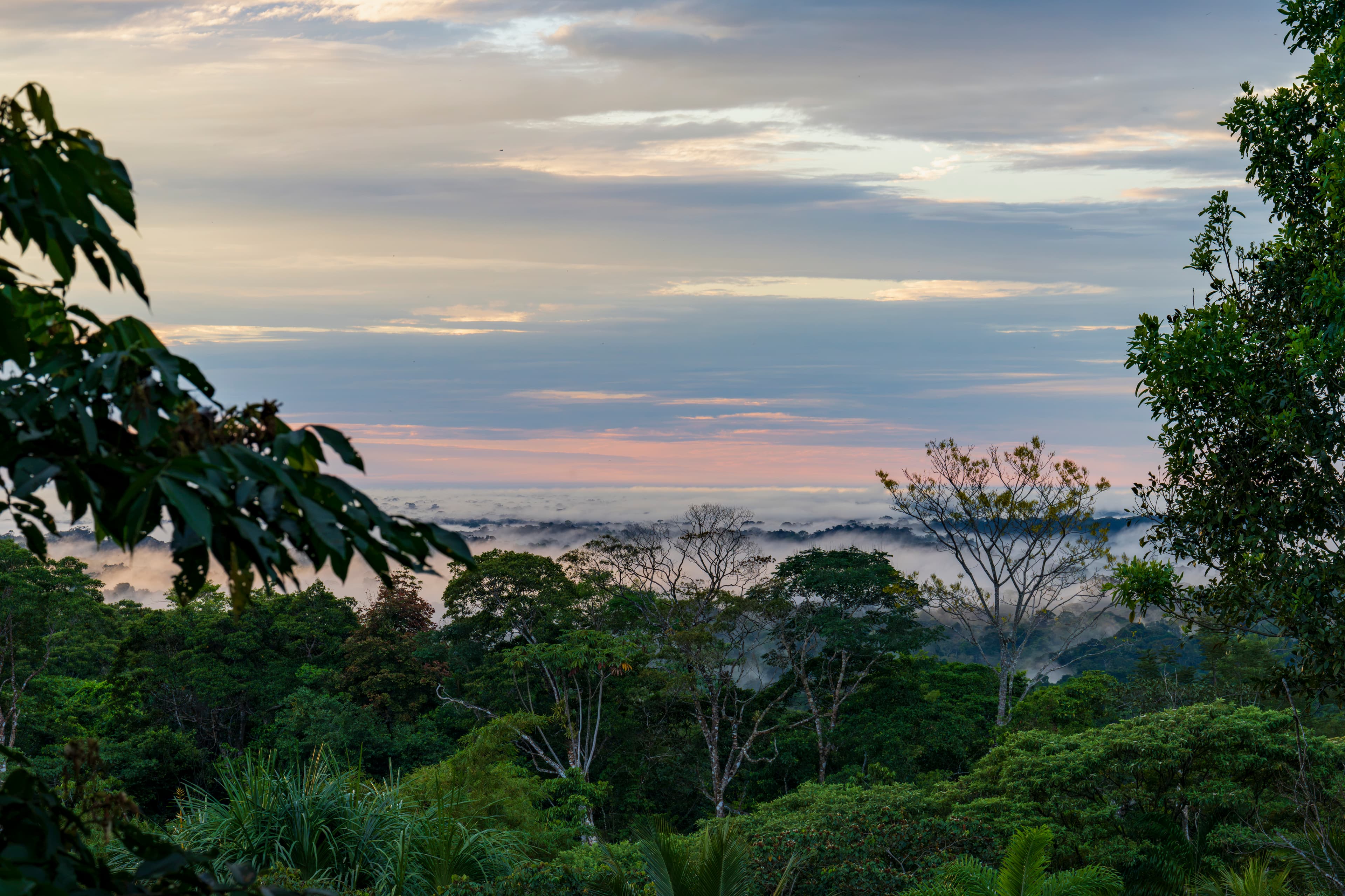
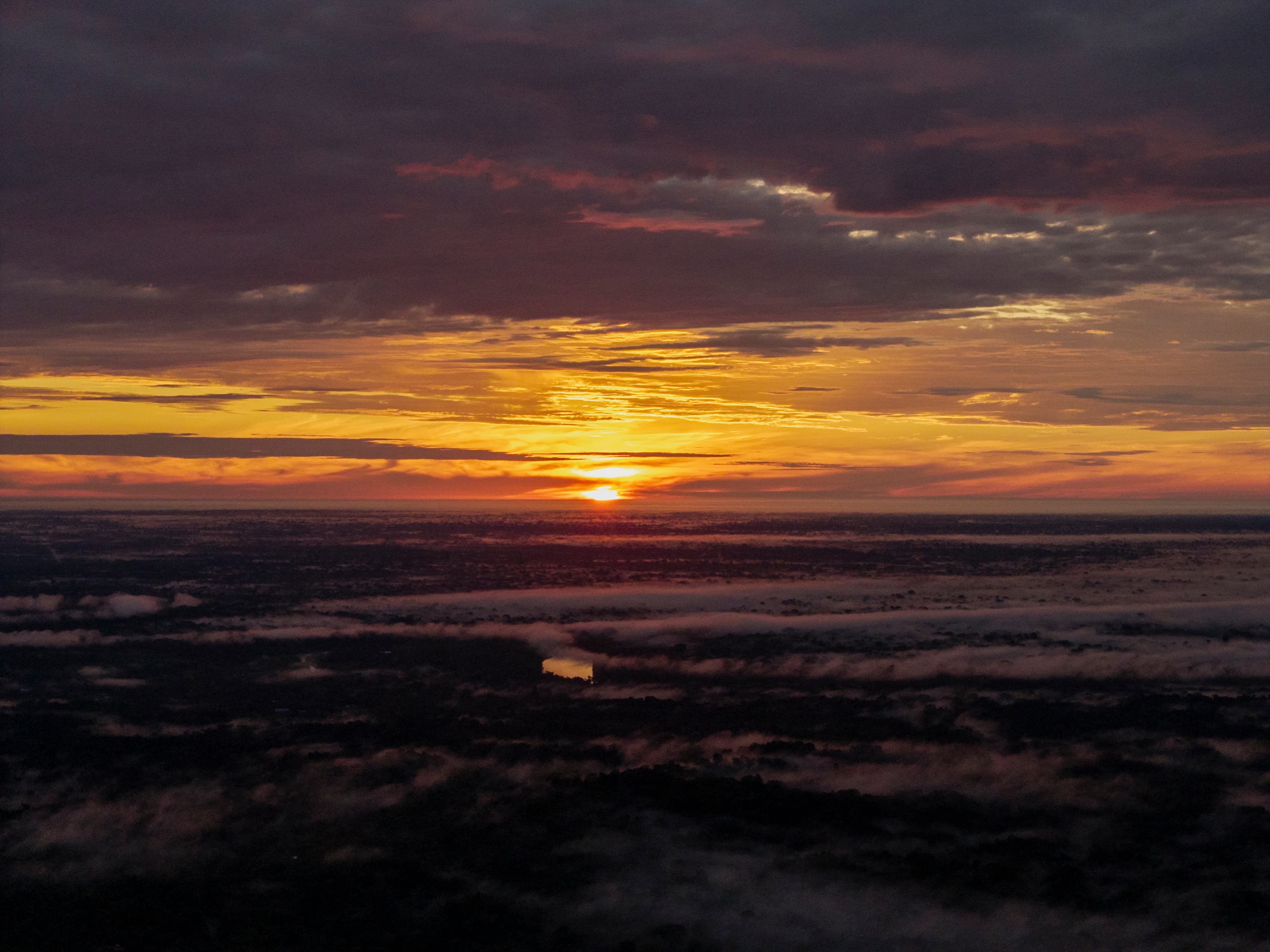
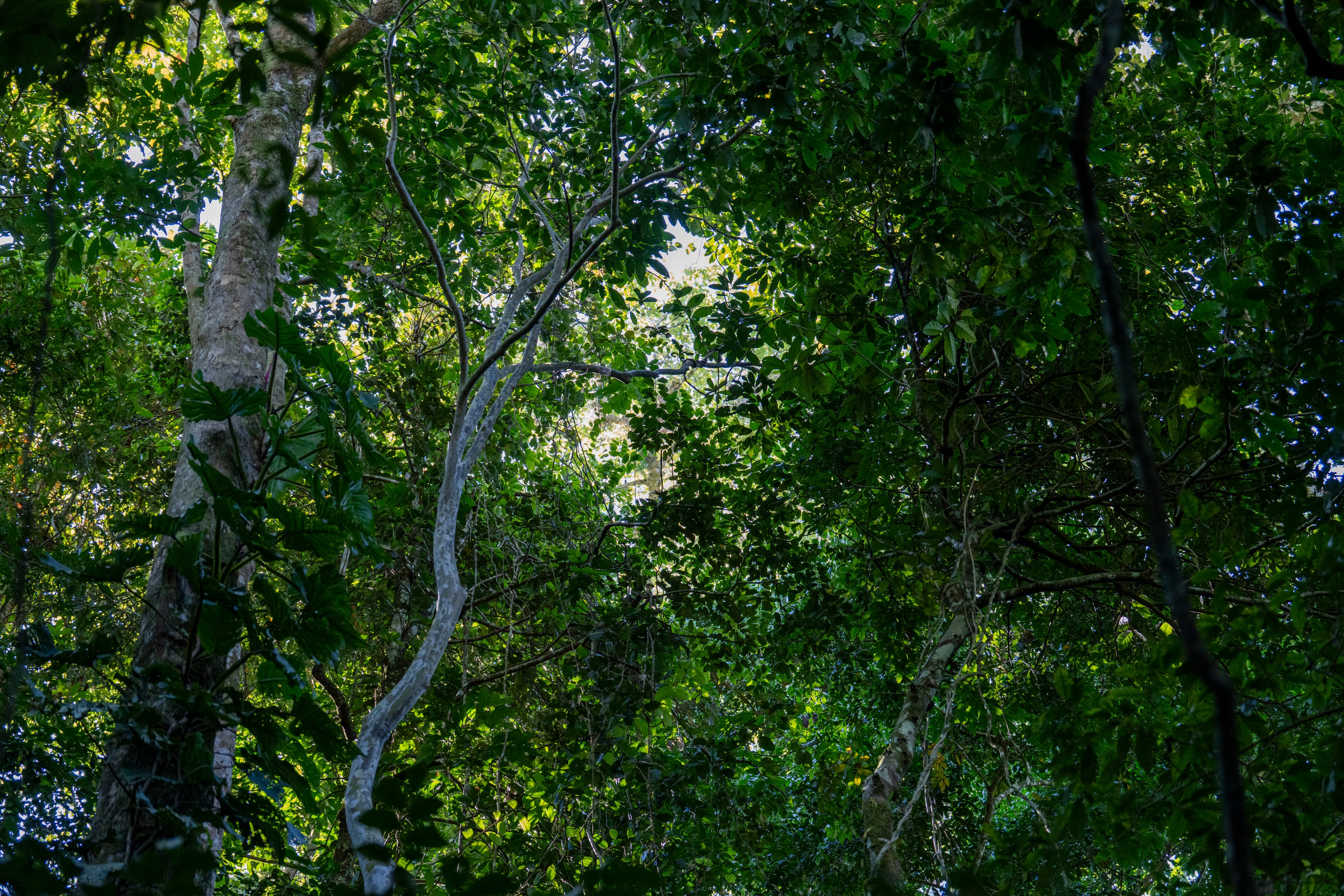
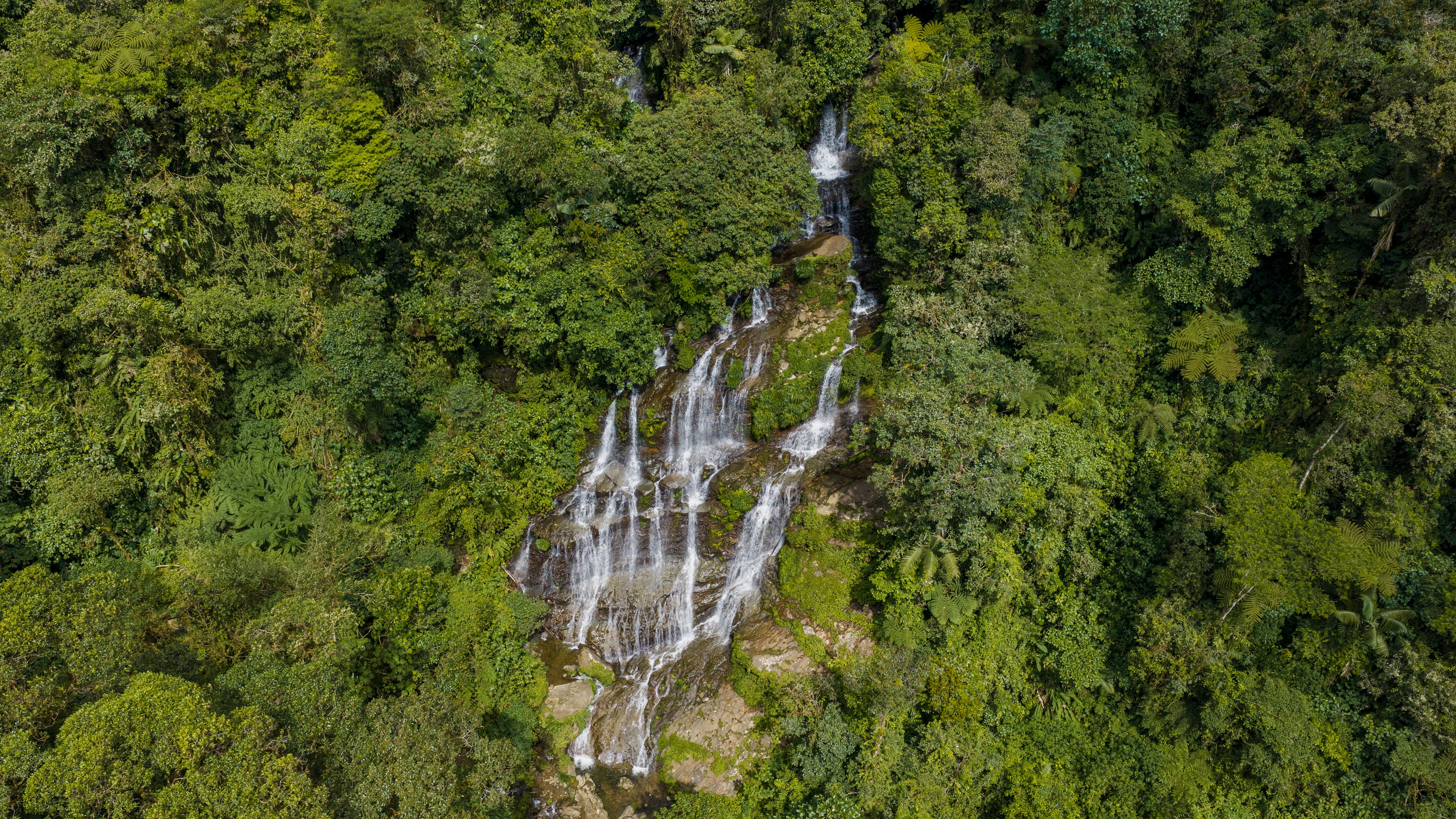
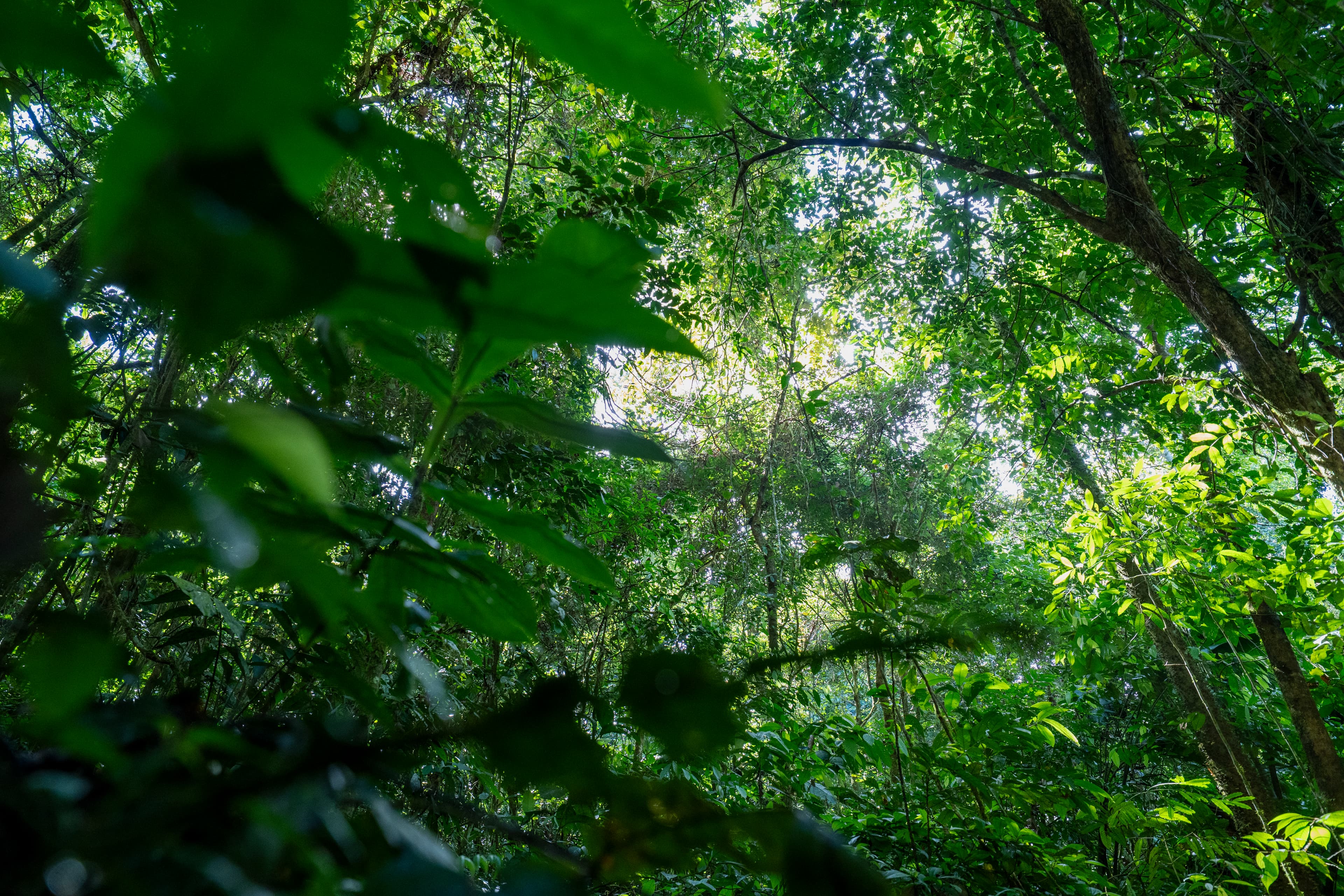
EDEN ORIGO is an elevation based botanical reserve of 105,831 acres, approximately 42,828 hectares, positioned at the altitudinal threshold where tropical rainforest transitions into cloud forest. At this threshold, microclimatic conditions shape a distinct concentration of medicinal plant chemistry. This is not simply a garden. It is a living herbarium at the edge between two ecosystems, where cooler temperatures and persistent humidity sustain a natural chemistry that has supported Amazonian and Andean medicine for generations.
TECHNICAL AND ENVIRONMENTAL CHARACTERISTICS
Property Size and Offering Price 105,831 acres, approximately 42,828 hectares USD $7,850,000
Location and Altitude Ecuadorian Amazon, cloud forest transition zone, 480 to 650 meters above sea level. This is the elevation band where lowland tropical species meet montane flora.
Climate Average Annual Temperature: 19 to 22°C (66 to 72°F), noticeably cooler than the lowland Amazon Relative Humidity: 90 to 98%, sustained by persistent cloud cover Annual Precipitation: 4,200 to 5,500 mm, including direct cloud moisture interception Microclimate: Consistently cool and humid, with frequent fog immersion. Conditions of this kind are associated with elevated production of plant secondary metabolites, including alkaloids, flavonoids, and terpenes.
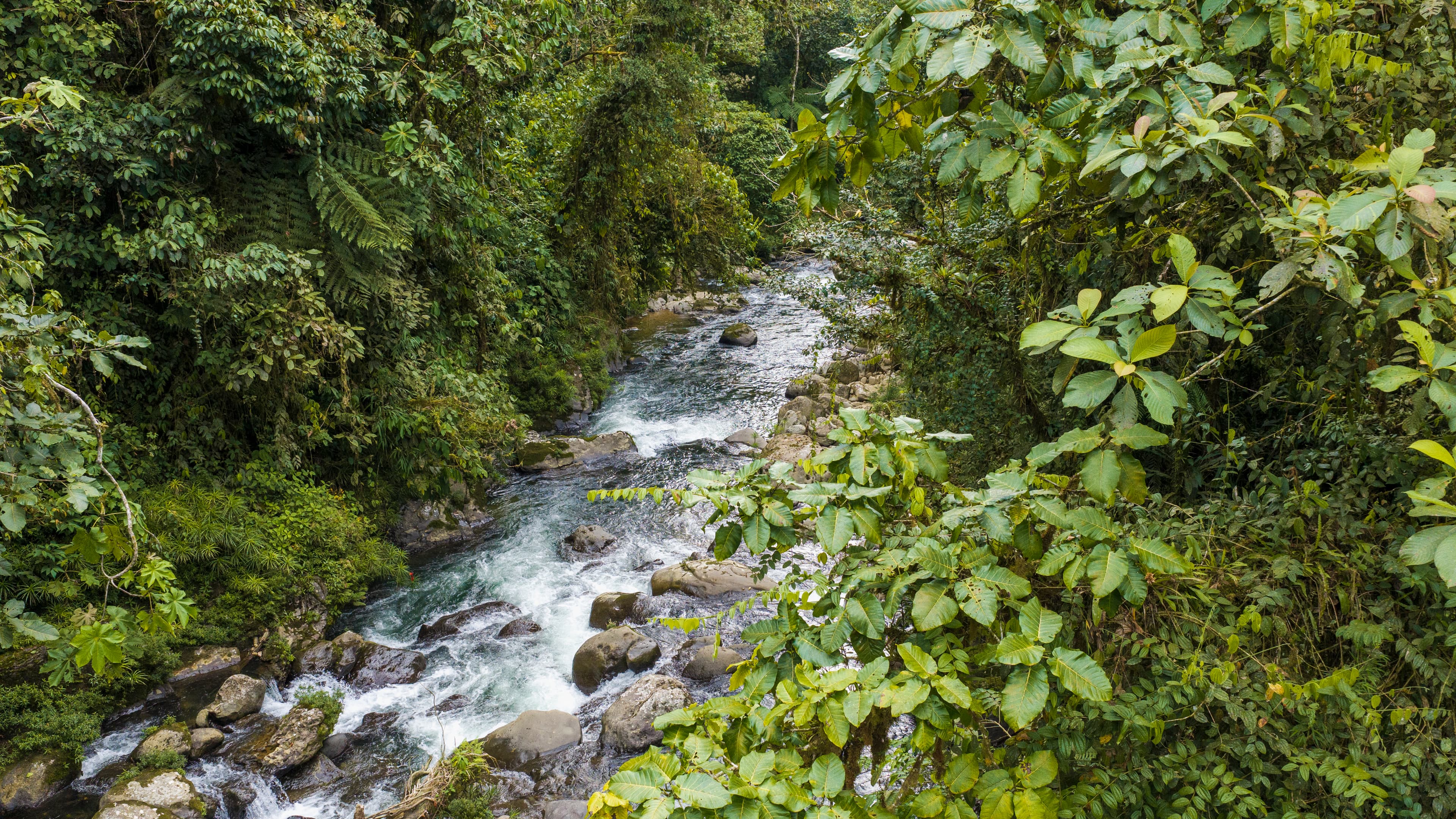
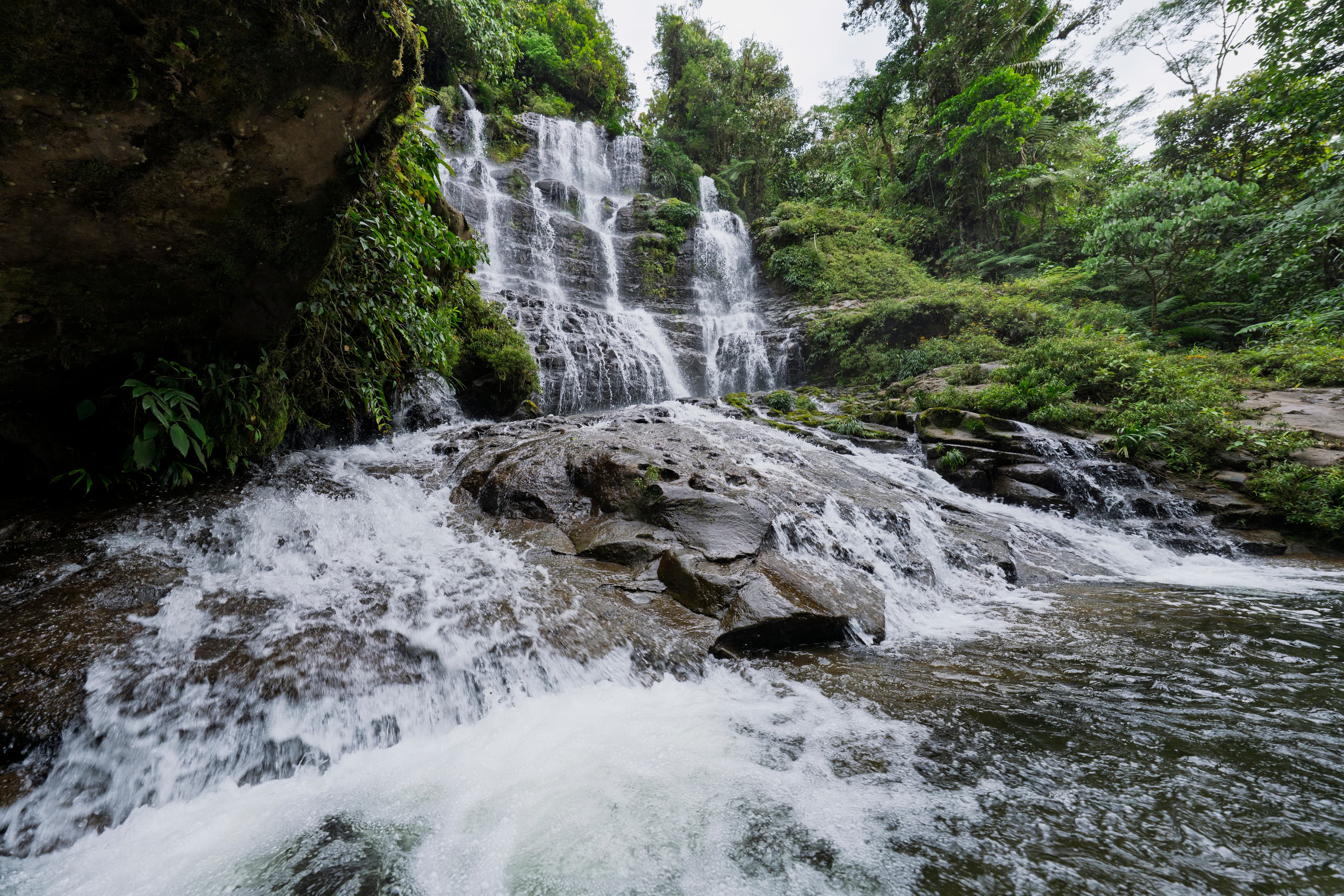
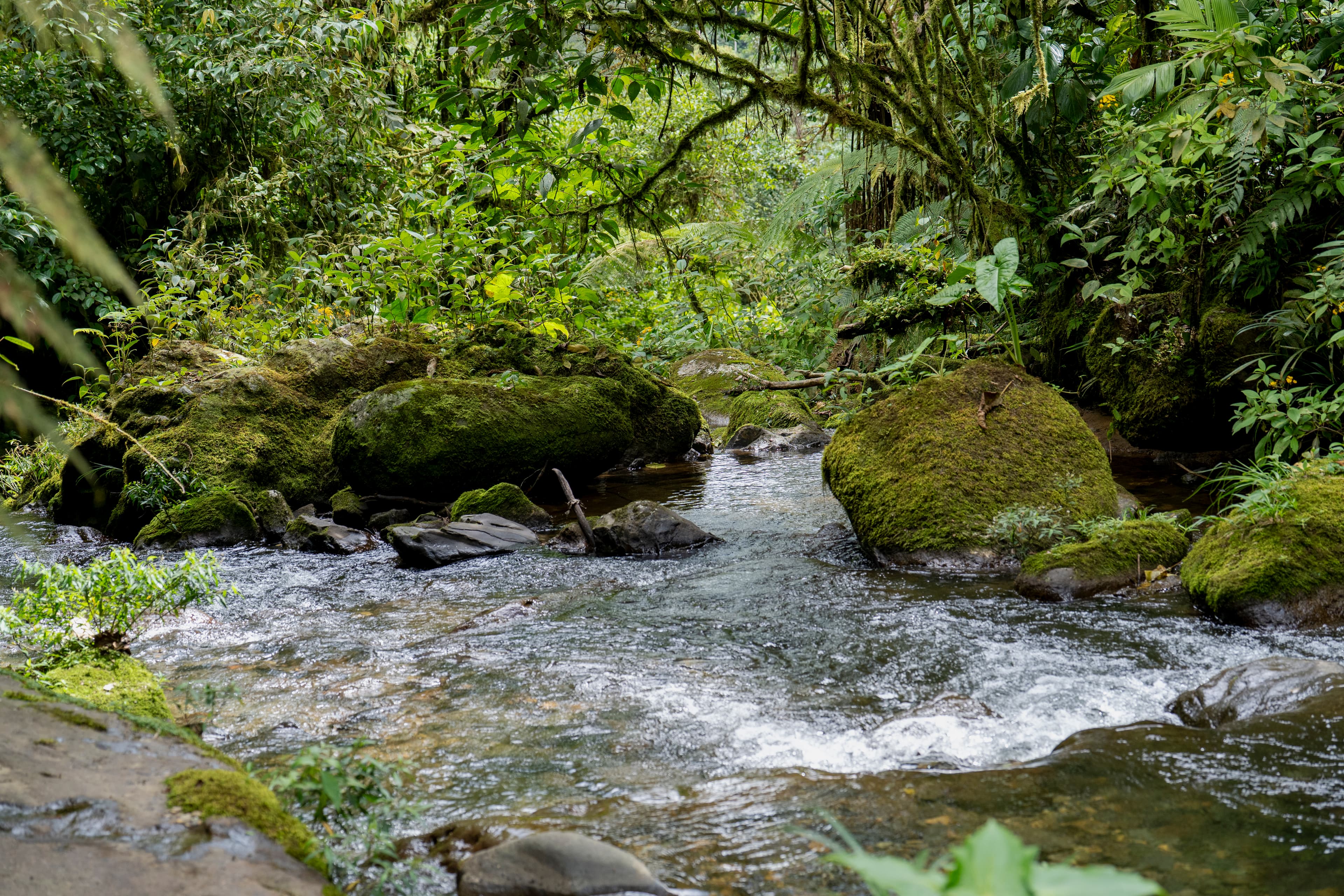
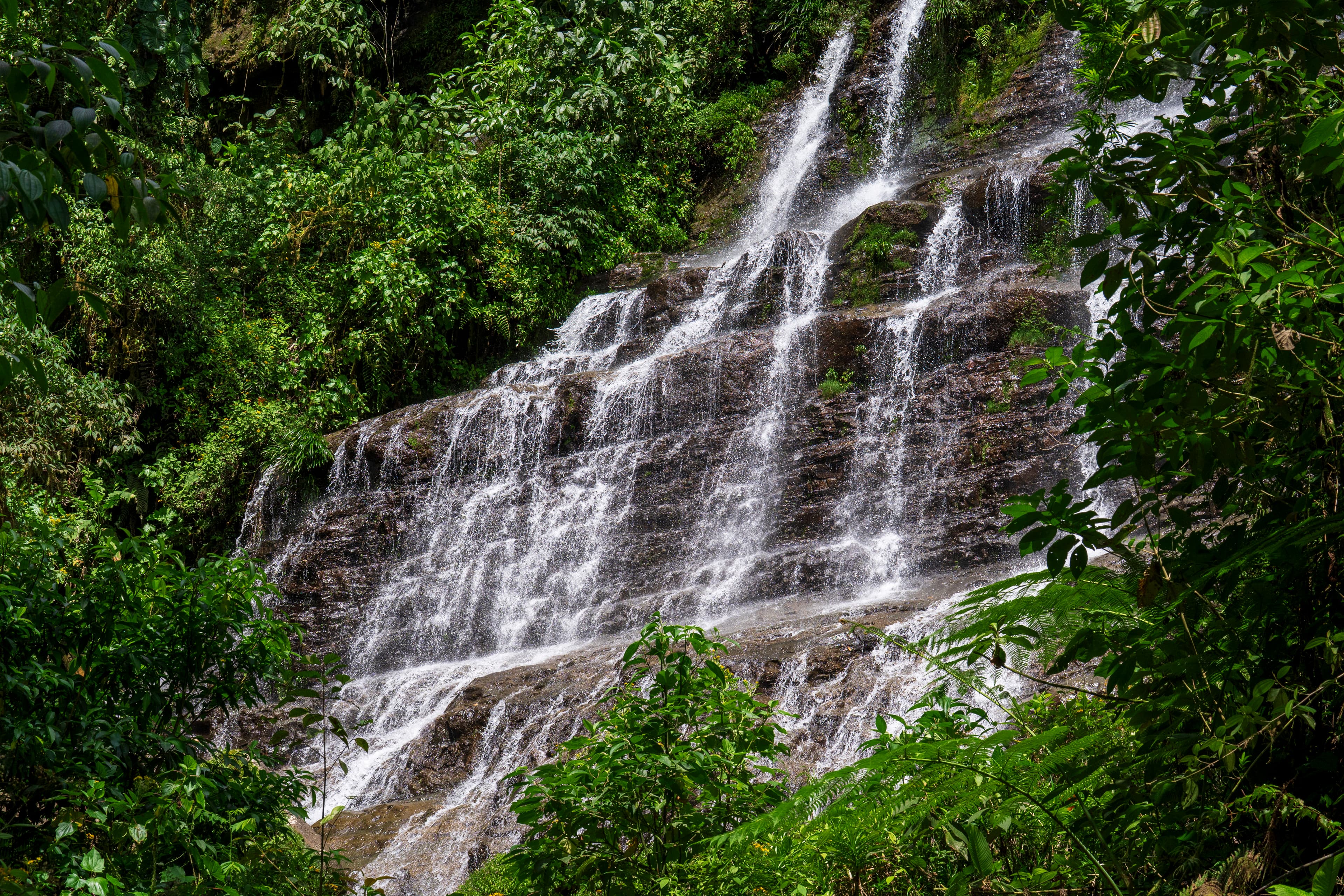
Hydrology Fourteen natural springs emerge across the property, fed by higher elevation aquifers. Five permanent streams maintain year round flow, with water temperatures between 16 and 19°C. Persistent cloud moisture sustains water availability even during regional dry seasons.
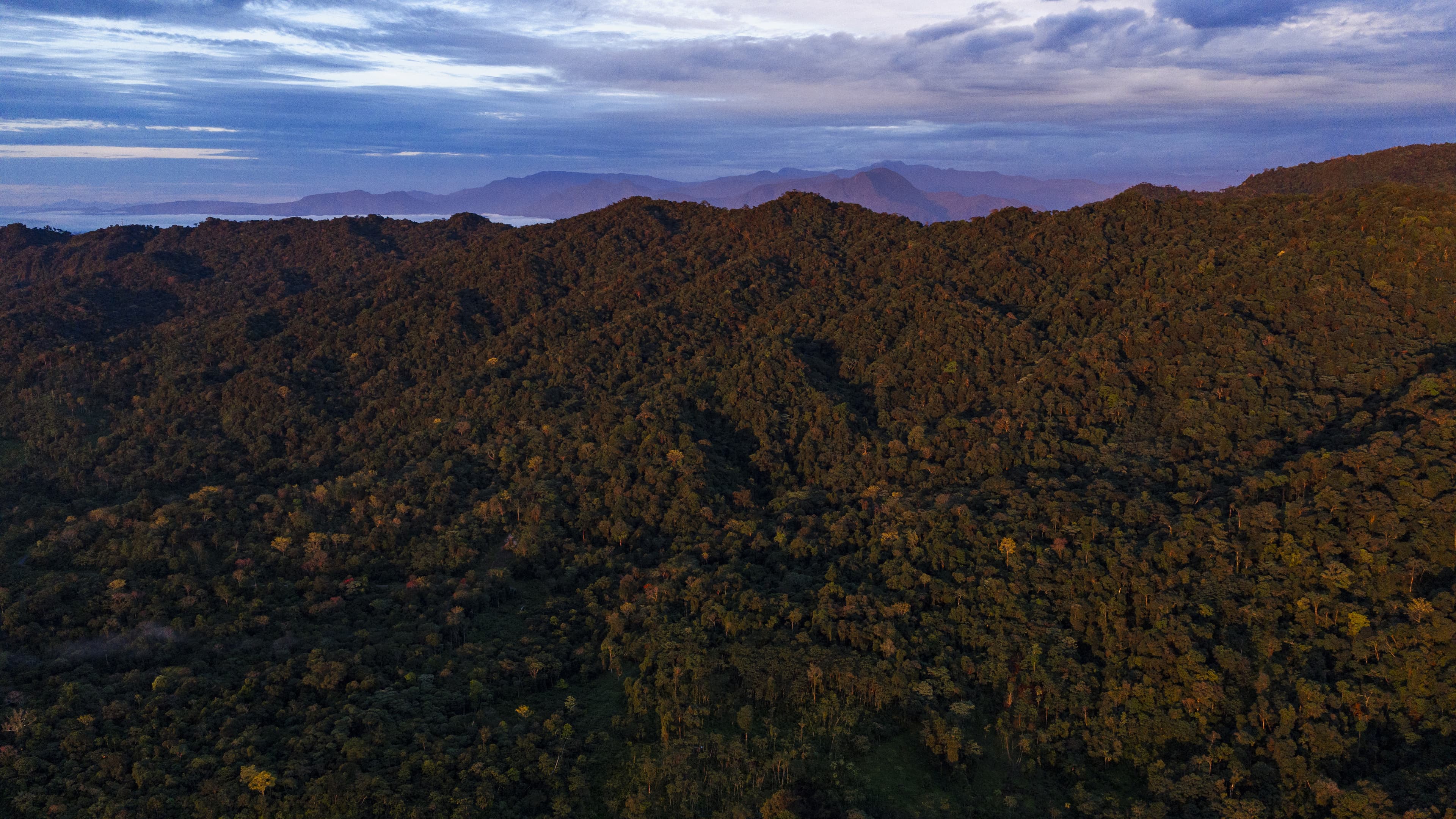
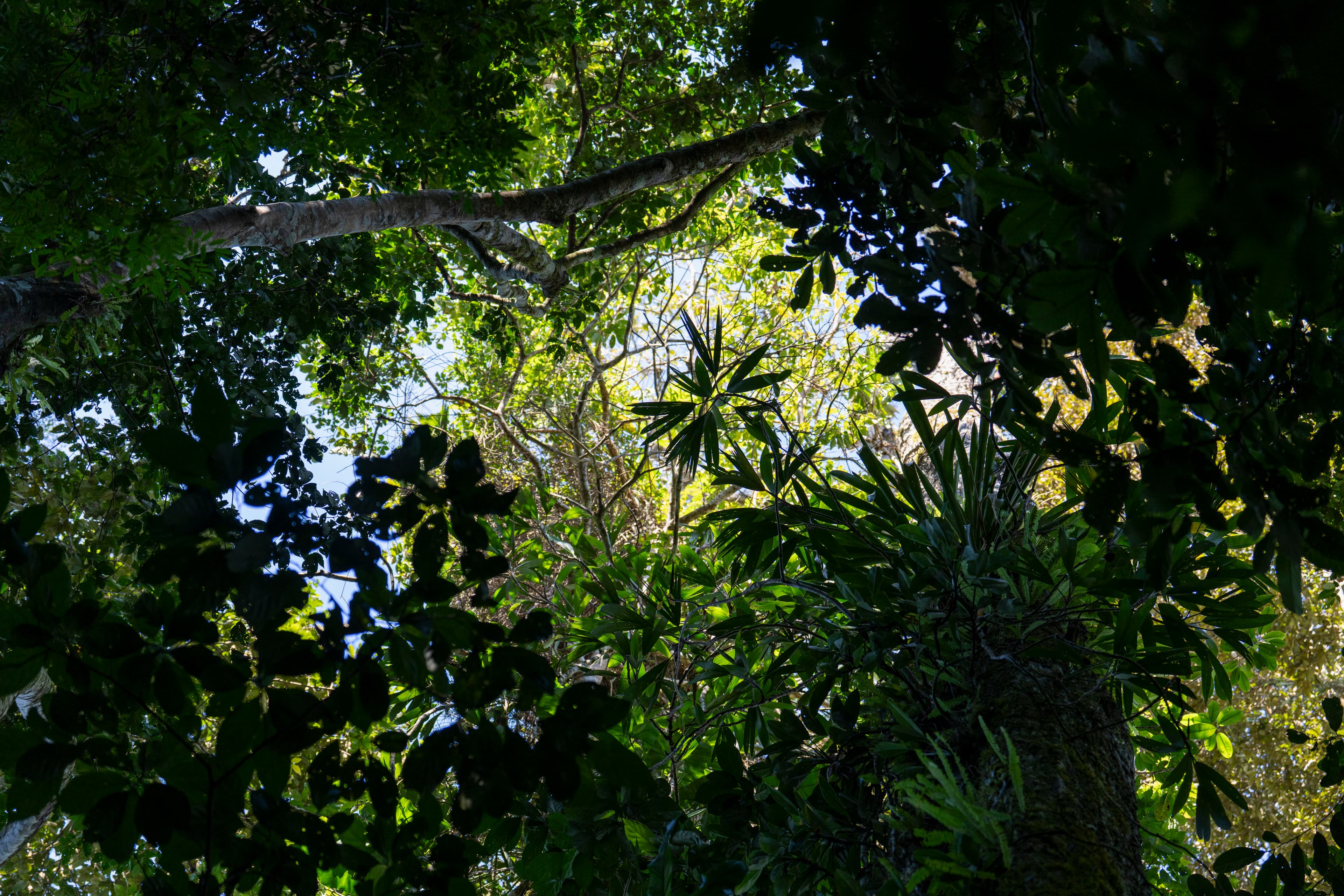
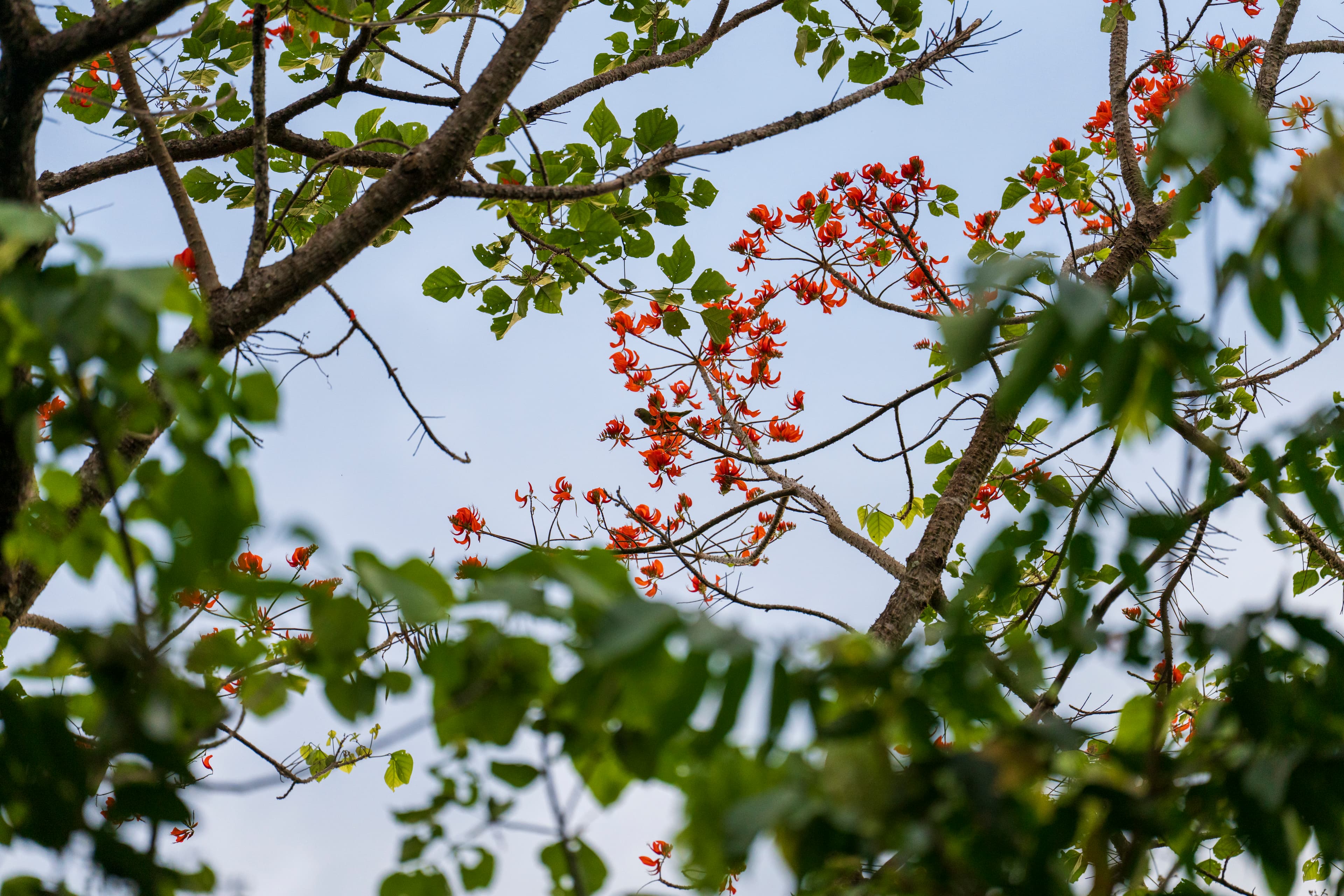
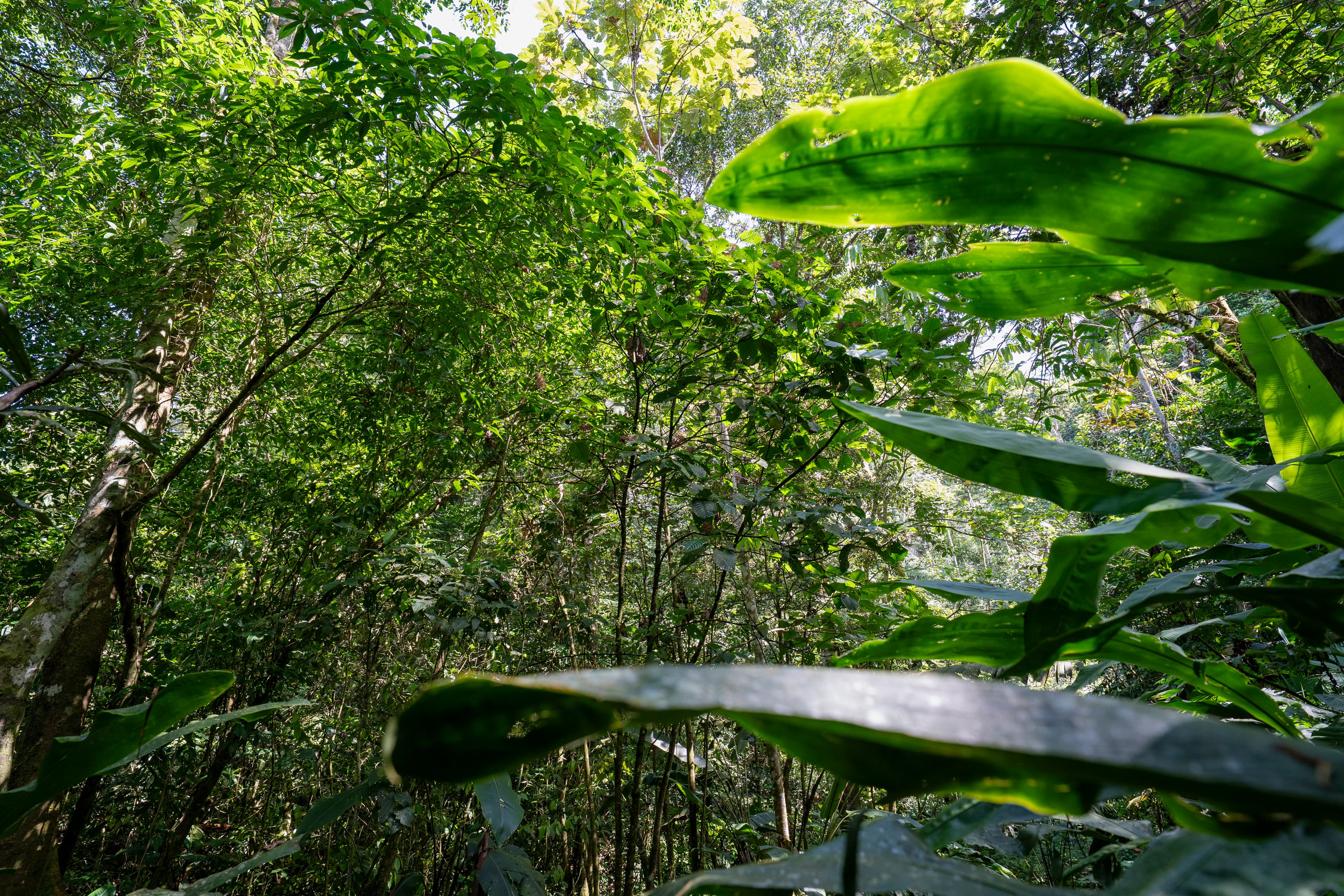
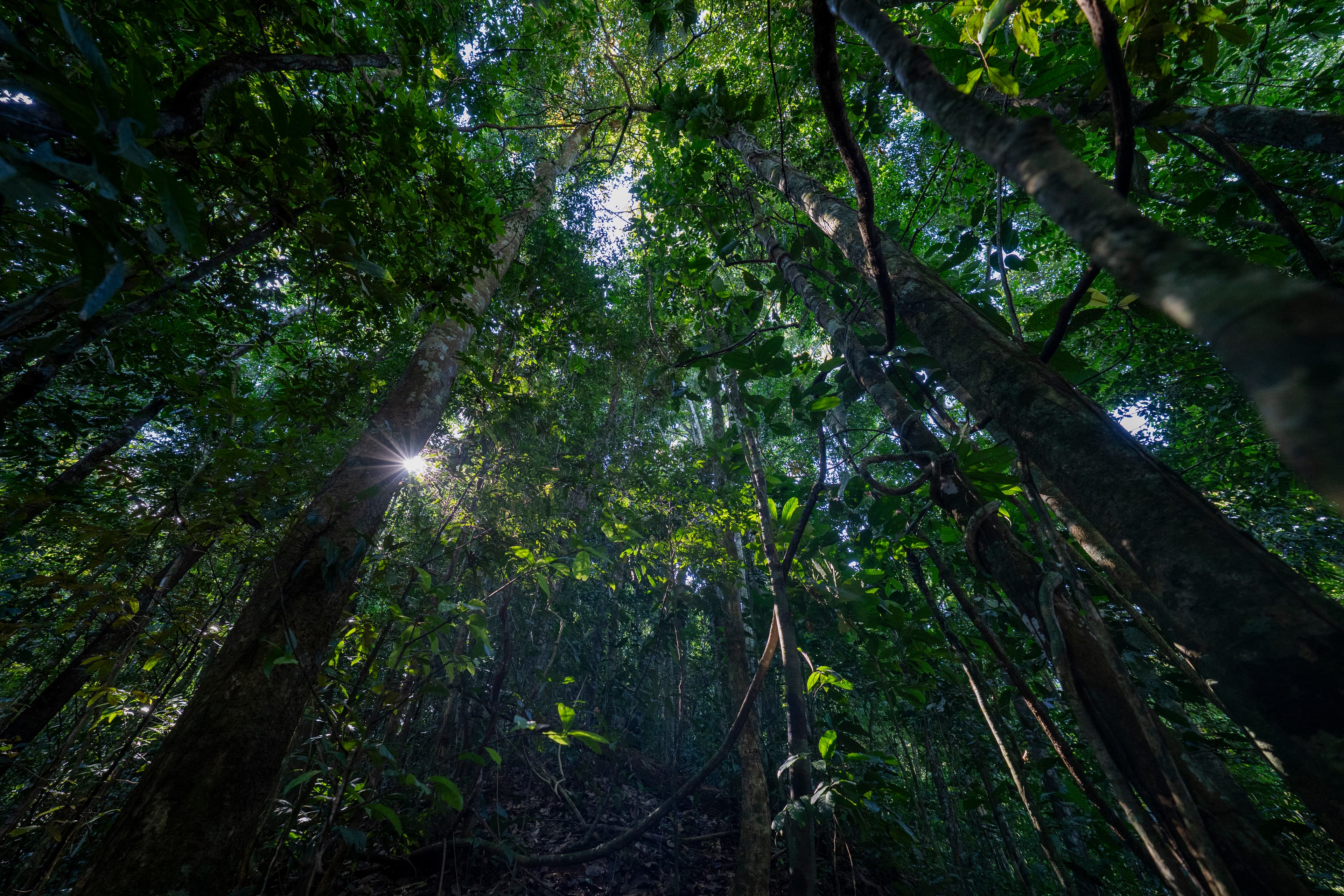
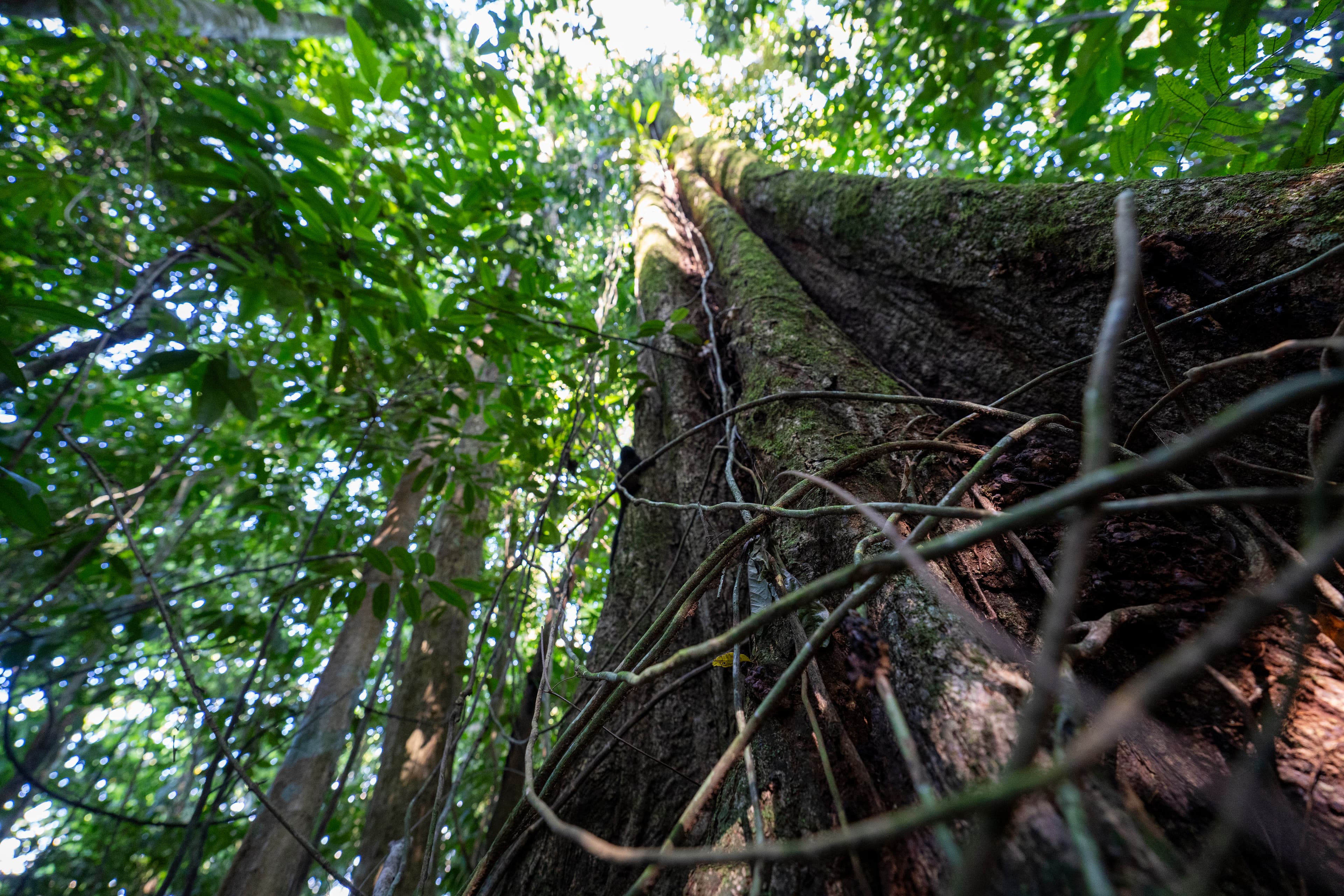
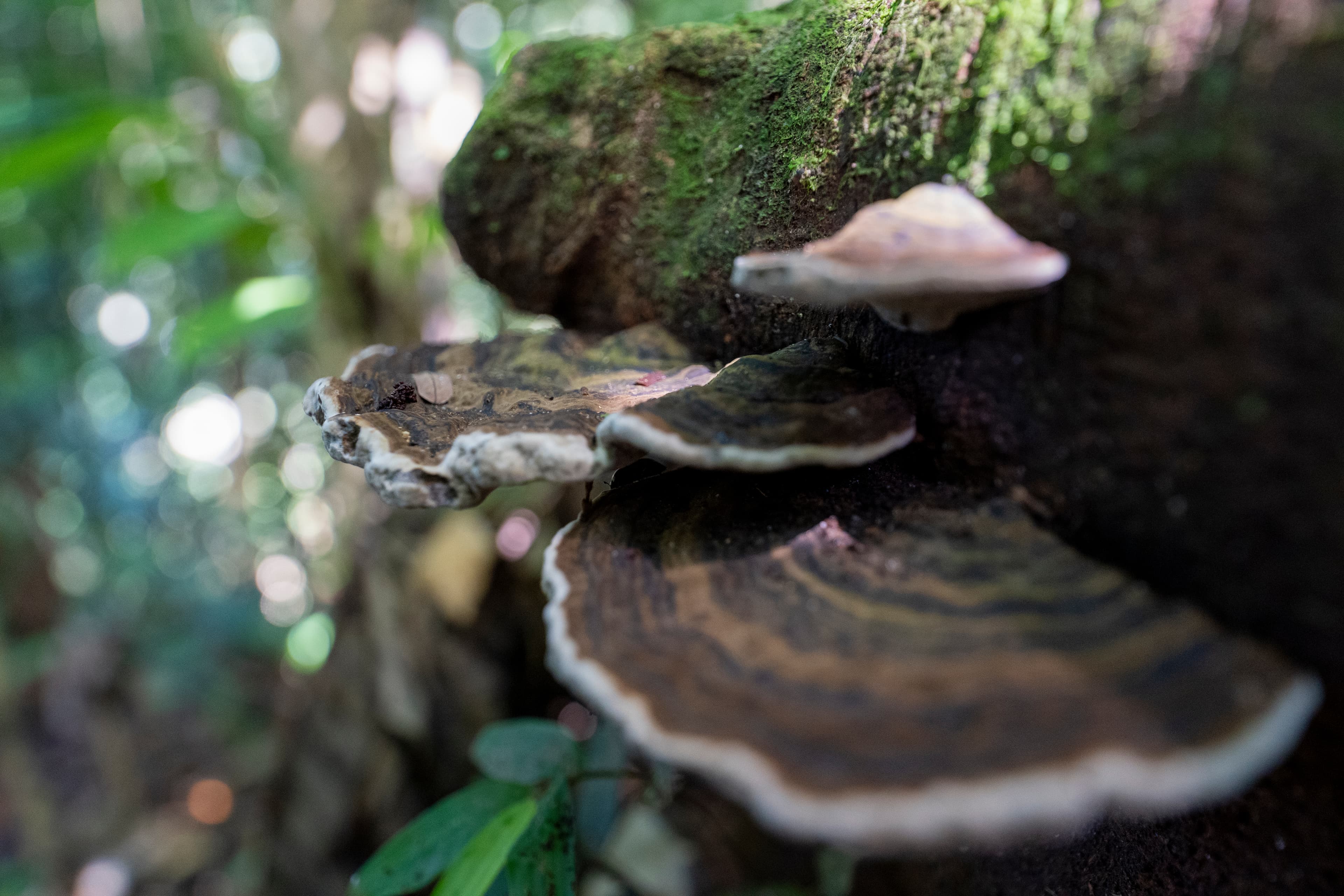
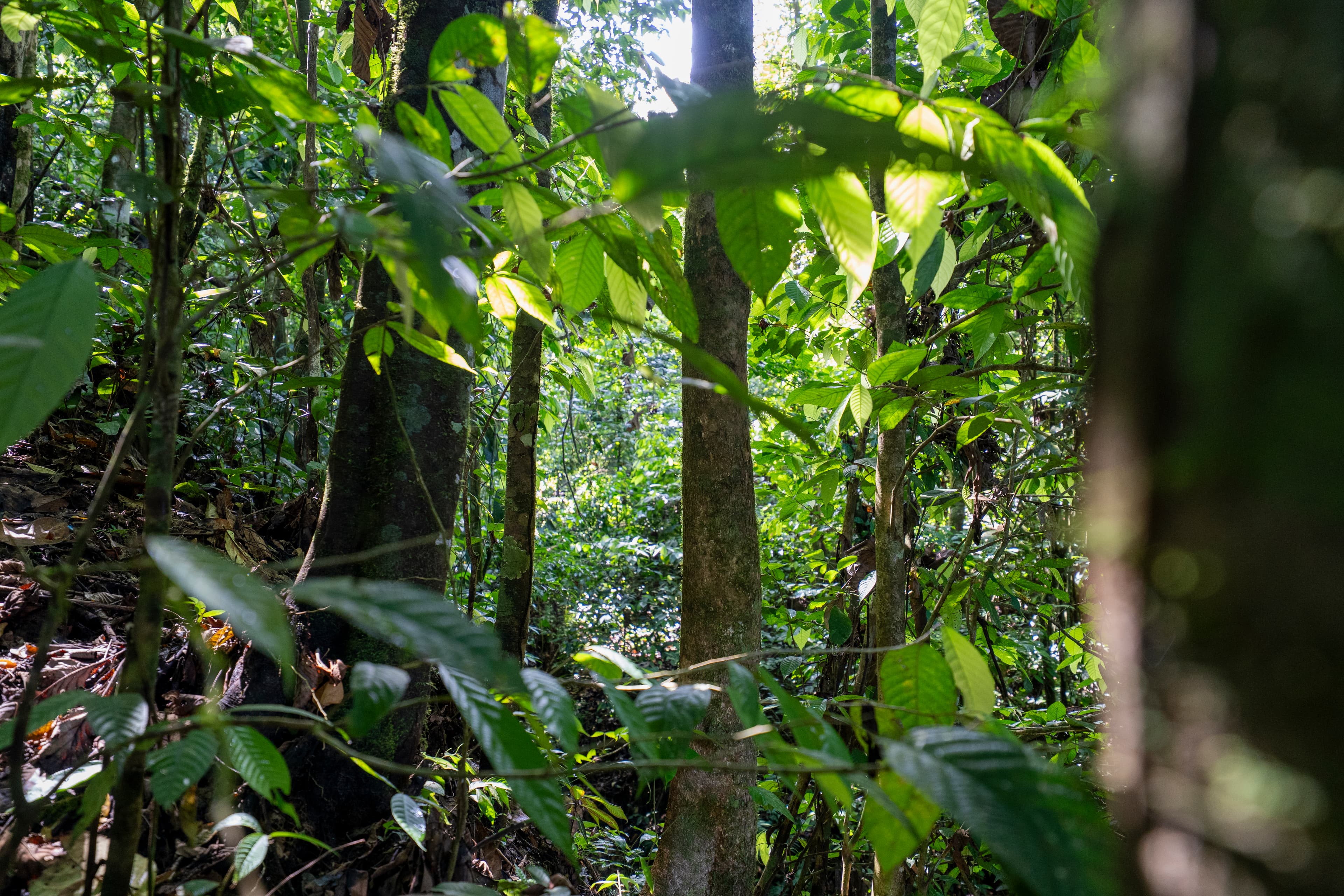
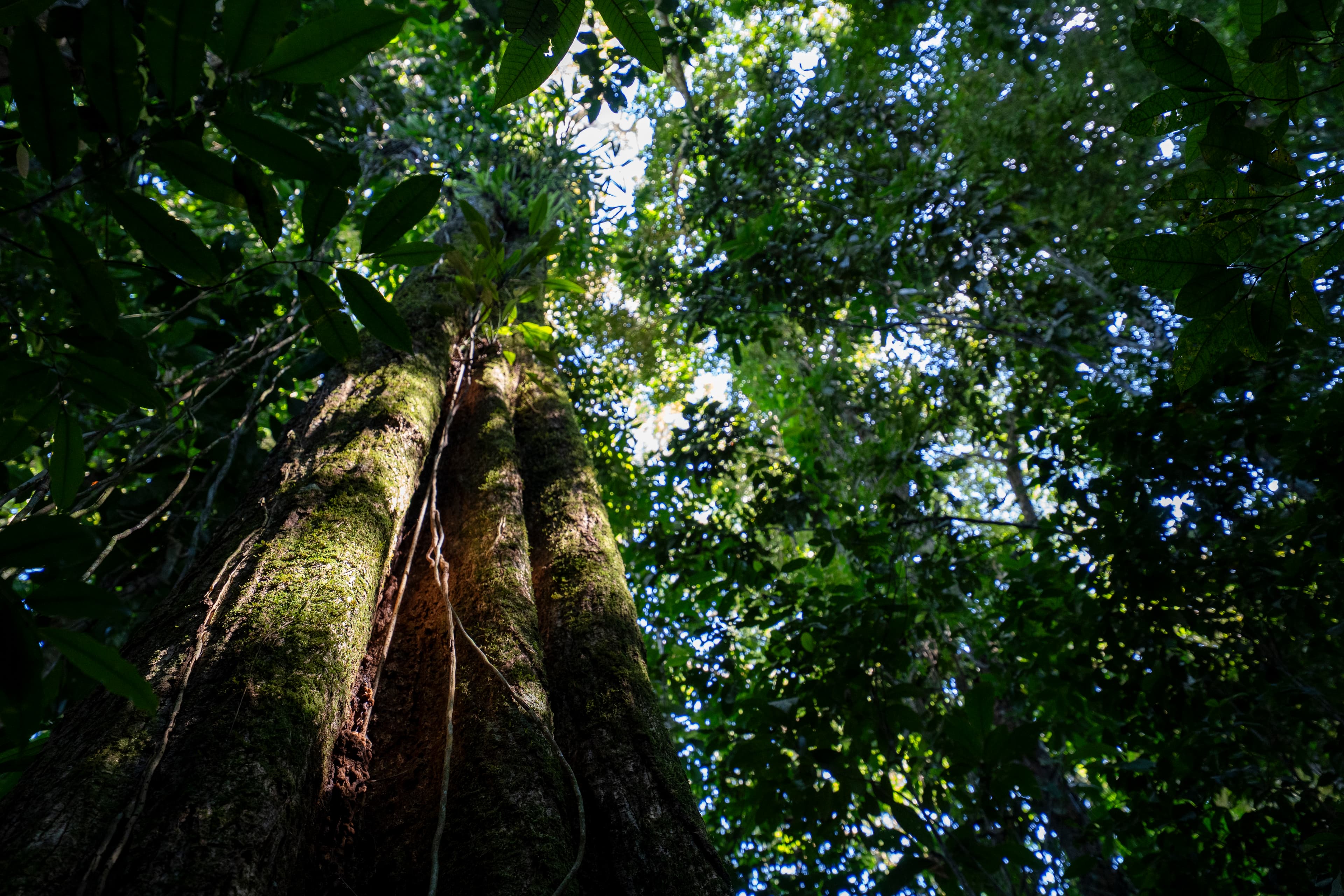
Forest Cover Intact transitional forest between lowland tropical and cloud forest, undisturbed, with dense understory and midstory vegetation. Trees reach 30 to 50 meters, with epiphyte loads representing up to 40% of canopy biomass. Species observed include:
Uncaria tomentosa (Cat's claw, Uña de gato). Vine species associated with immunomodulatory alkaloids, thriving in cool, humid conditions.
Cinchona officinalis (Quinine tree). Historic source of antimalarial compounds, native to transitional elevation zones.
Maytenus macrocarpa (Chuchuhuasi). Medicinal bark tree used traditionally for anti inflammatory and analgesic purposes.
DOCUMENTED BIODIVERSITY
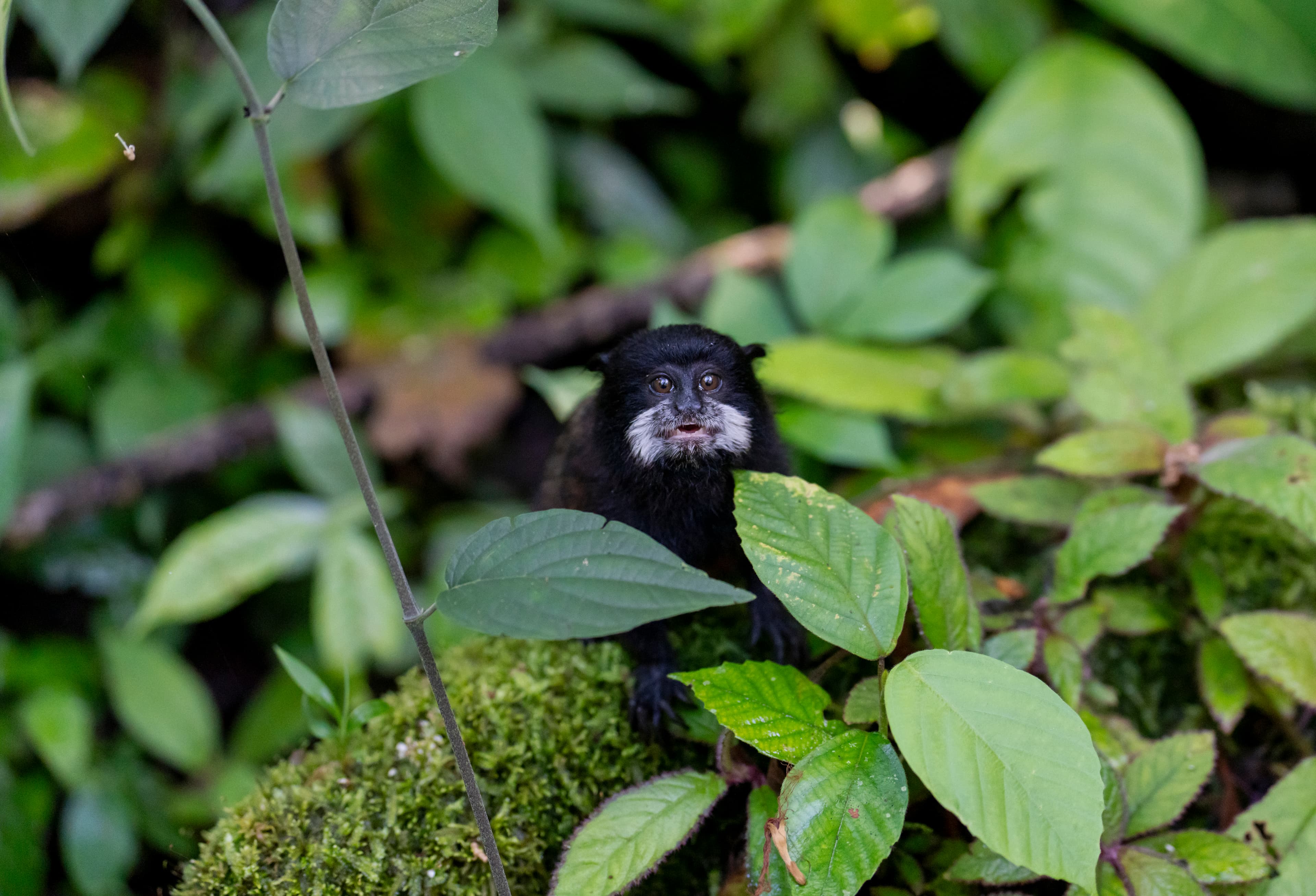
Mammals
Tremarctos ornatus (Spectacled bear). IUCN status: Vulnerable. Altitudinal specialist.
Tapirus pinchaque (Mountain tapir). IUCN status: Endangered.
Bassaricyon neblina (Olinguito). Cloud forest endemic, first scientifically described in 2013.
Pudu mephistophiles (Northern pudú). Recognized as the world's smallest deer species.
Birds A varied bird community recorded across the property's transitional elevation zones, including:
Rupicola peruvianus (Andean cock of the rock)
Pharomachrus auriceps (Golden headed quetzal)
Andigena laminirostris (Plate billed mountain toucan)
Trochilidae family (hummingbirds), key pollinators of the property's medicinal plant species
Herpetofauna
Centrolenidae family (glass frogs), sensitive bioindicators of habitat health
Pristimantis genus, multiple direct developing frog species recorded across the elevation range
Salamander species, uncommon in equatorial regions
Documented Medicinal Flora Approximately 240 plant species recorded in regional ethnobotanical knowledge, including:
Croton lechleri (Sangre de drago), used traditionally for wound healing
Banisteriopsis caapi (Ayahuasca vine), central to Amazonian traditional medicine
Ilex guayusa (Guayusa), a traditional caffeine rich stimulant
A notable diversity of orchid species (Orchidaceae family) within the canopy epiphyte community
INTACT FUNCTIONAL ECOSYSTEM
Cold water spring system Fourteen documented emergence points, producing water between 16 and 19°C year round. These create distinct thermal microzones that favor temperature sensitive medicinal plant species.
Persistent cloud immersion Fog condenses continuously on the canopy, sustaining humidity above 95% even during regional dry periods, conditions essential for epiphytic orchids and bromeliads.
Transitional elevation biodiversity Lowland and montane species overlap at this elevation band, a transition zone associated with elevated plant diversity.
Indicator species The spectacled bear, an altitudinal habitat specialist, and the olinguito, a carnivore first described in 2013, together point to an intact and still partially undocumented ecosystem.
KEY TERMINOLOGY
Transitional Cloud Forest Zone The elevation band where tropical lowland forest gives way to cloud forest, producing species overlap and elevated biodiversity.
Secondary Metabolites Chemical compounds produced by plants in response to environmental stress and herbivory. This category includes the alkaloids, terpenes, and flavonoids associated with medicinal properties.
Epiphyte Load The proportion of canopy biomass composed of plants growing on trees, such as orchids, bromeliads, and ferns. A commonly used indicator of humidity and ecosystem health.
Ethnobotanical Species Plants with documented traditional medicinal use among indigenous cultures, representing generations of accumulated empirical knowledge.
Cloud Moisture Interception The process by which fog condenses directly on vegetation, providing a water input beyond rainfall. Especially relevant in transitional elevation zones.
WHERE ALTITUDE BECOMES MEMORY
Ancient China cultivated mountain gardens for its emperors. Tibet preserved monasteries built around healing knowledge. EDEN ORIGO shows what happens when elevation itself is left to shape a forest without interruption.
Here, temperature is not simply a condition of comfort. Cooler air at this elevation is understood to influence the chemistry of the surrounding vegetation, one of the reasons Kichwa and Shuar communities have gathered plants from this transition zone for generations.
Species coexist here in combinations rarely documented within a single property. Uncaria tomentosa vines climbing through the canopy. Cinchona trees whose bark once changed the course of medicine. Croton lechleri, producing the latex still studied today for its wound healing properties. Banisteriopsis caapi, at the center of Amazonian traditional medicine for centuries.
The property holds real ethnobotanical and ecological value: documented traditional knowledge passed down by Kichwa and Shuar communities, a forest structure rarely intervened, and species such as the olinguito, first described only in 2013, a reminder that this elevation band may still hold undocumented biodiversity.
"If Eden was the garden where paradise began, Eden Origo is the altitude where it never stopped concentrating itself. One degree, one meter, one generation of knowledge at a time."