
ALAMOS
Flumina Amazonica vitae
ALAMOS
Flumina Amazonica vitae
Every great civilization has been remembered for a masterpiece. In the 20th century, humanity discovered how to concentrate energy to the point of annihilating matter. That foundational moment occurred in a place called Los Alamos, where science split the atom. Here, science reconciles cycles.
ALAMOS GARDEN emerges as the polar opposite of the Manhattan Project: if that was the laboratory of accelerated entropy, this is a system of living negentropy. A 120-acre property conceived not as land, but as a high-precision functional ecosystem, where life operates with the elegance of a Swiss mechanism and the silent power of a strategic reserve.
TECHNICAL AND ENVIRONMENTAL CHARACTERISTICS
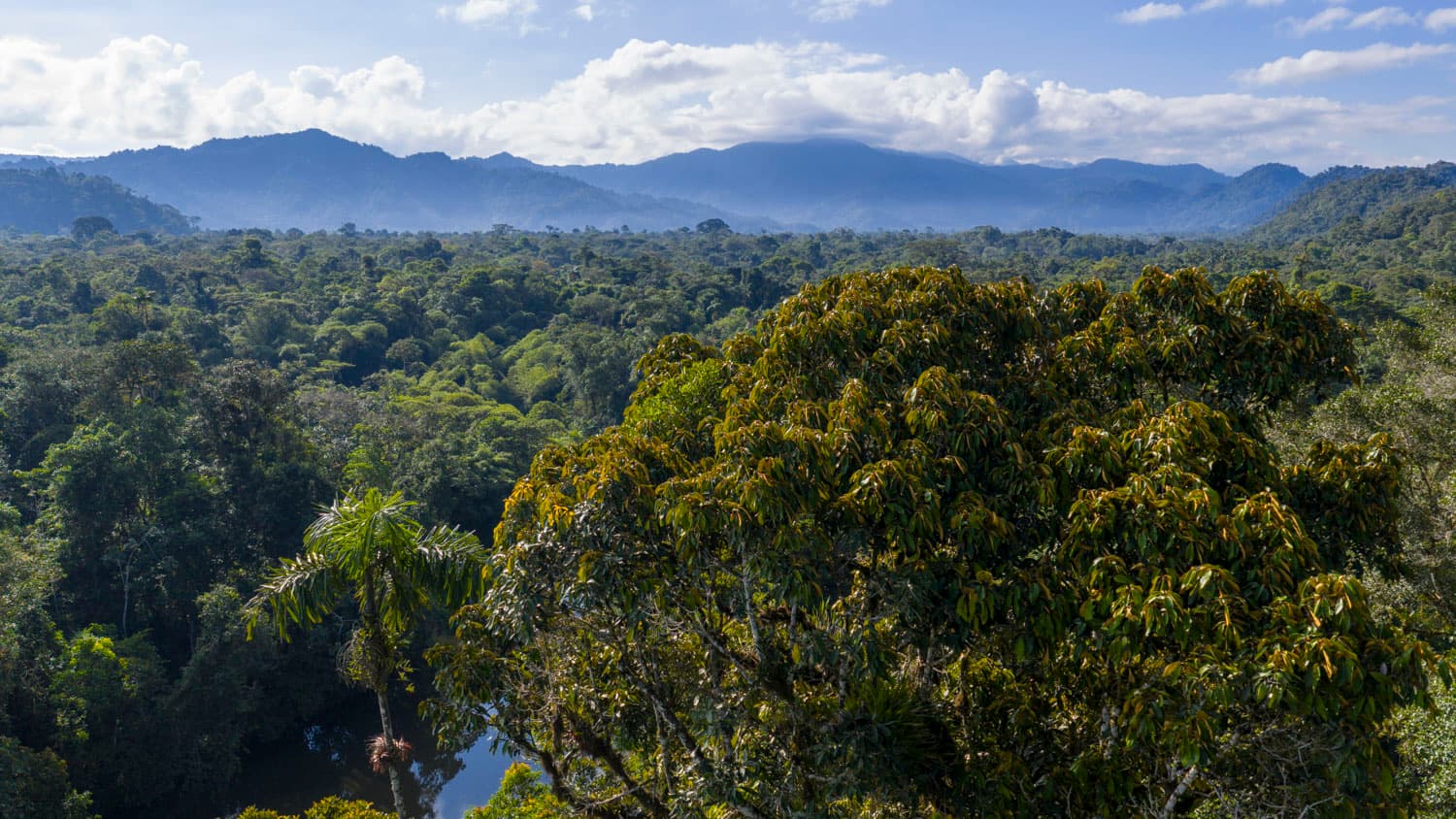
LOCATION AND ALTITUDE: Ecuadorian Amazon, between 300–600 meters above sea level the optimal altitude for maximum biodiversity tropical rainforests with wetland ecosystems.
CLIMATE:
Average Annual Temperature: 24–26°C (75–79°F)
Relative Humidity: 80–95% (elevated due to wetland presence)
Annual Precipitation: 3,000–4,500 mm
Microclimate: Hyper-stable with natural thermal regulation through forest canopy and wetland evapotranspiration
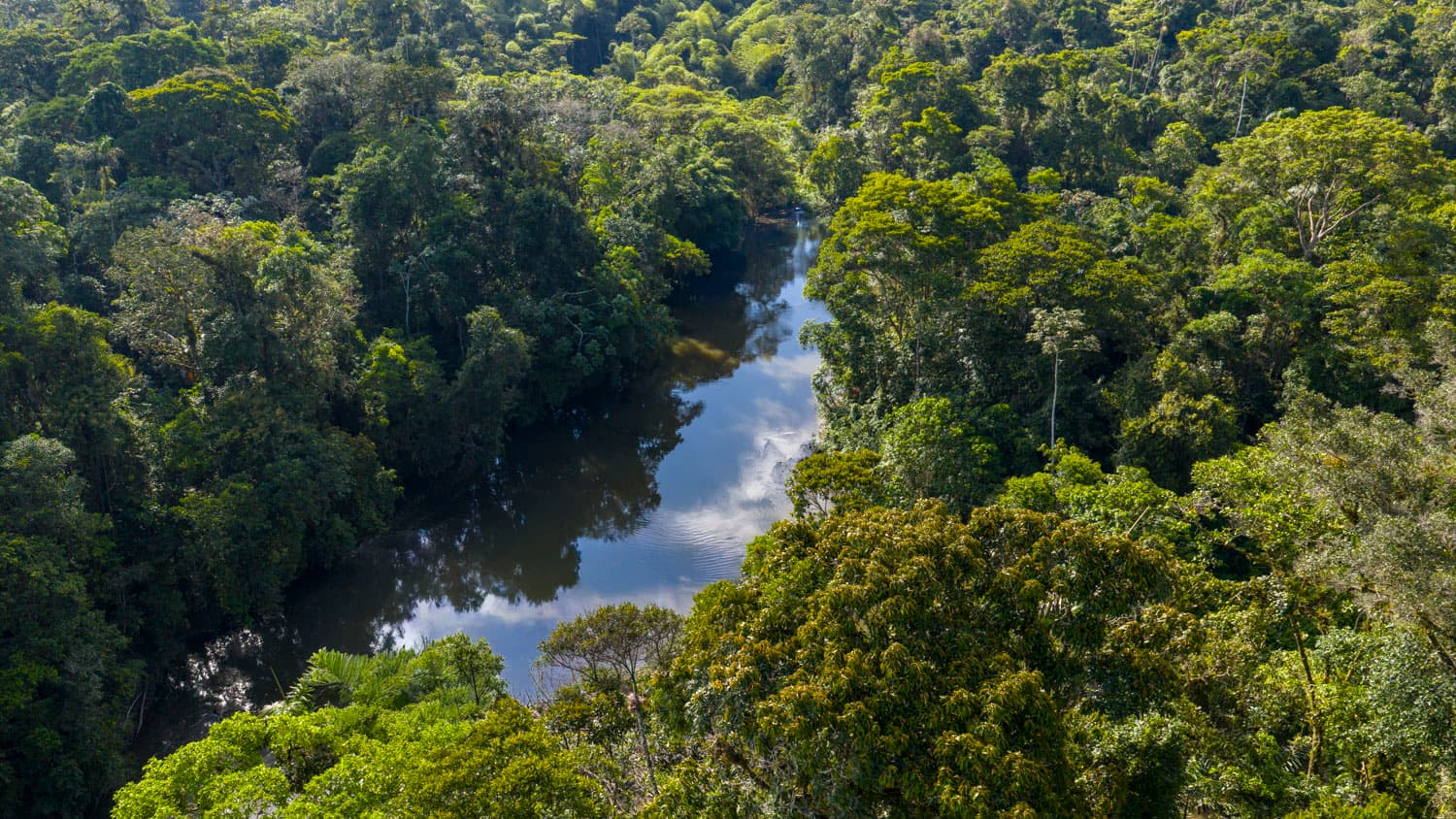
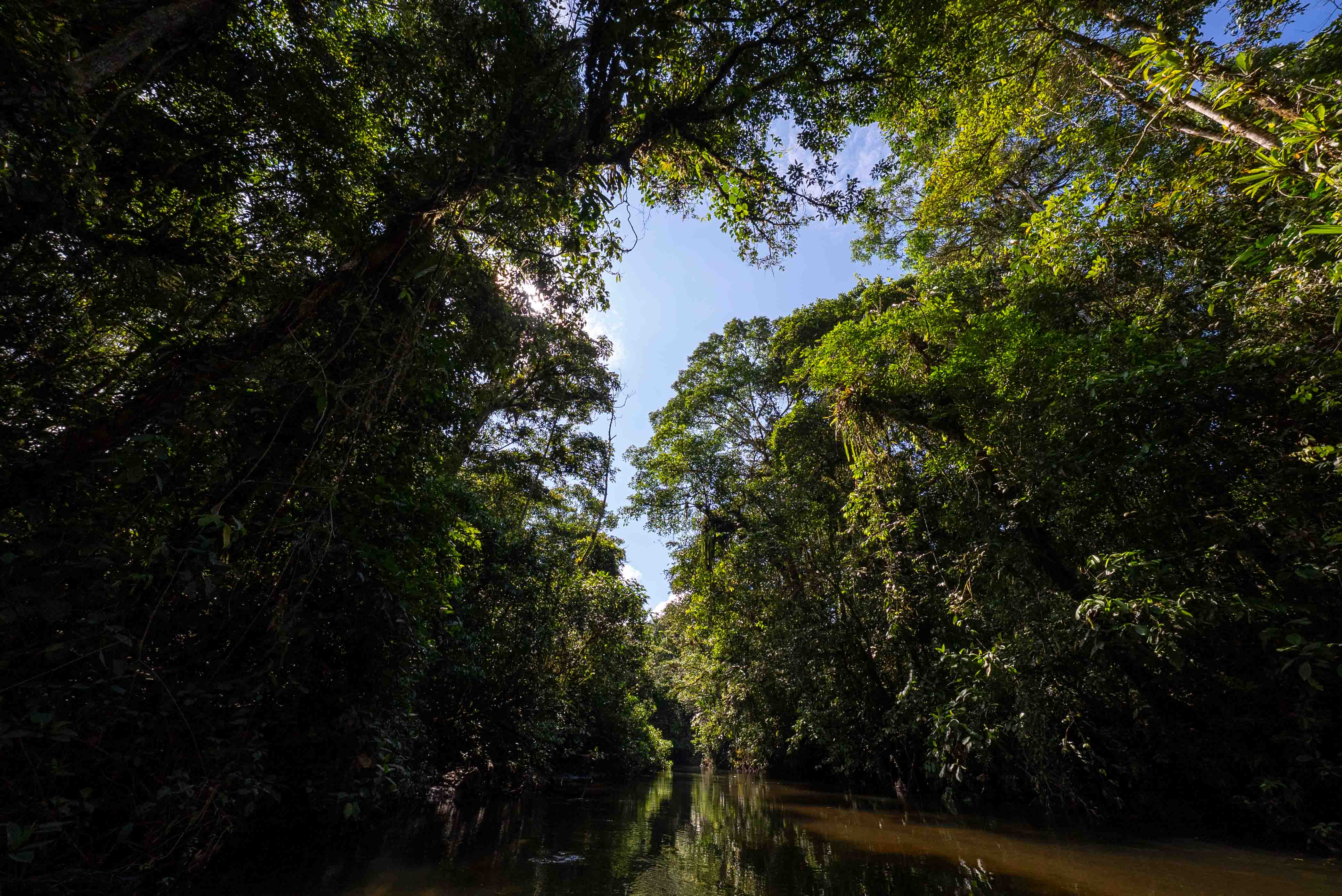
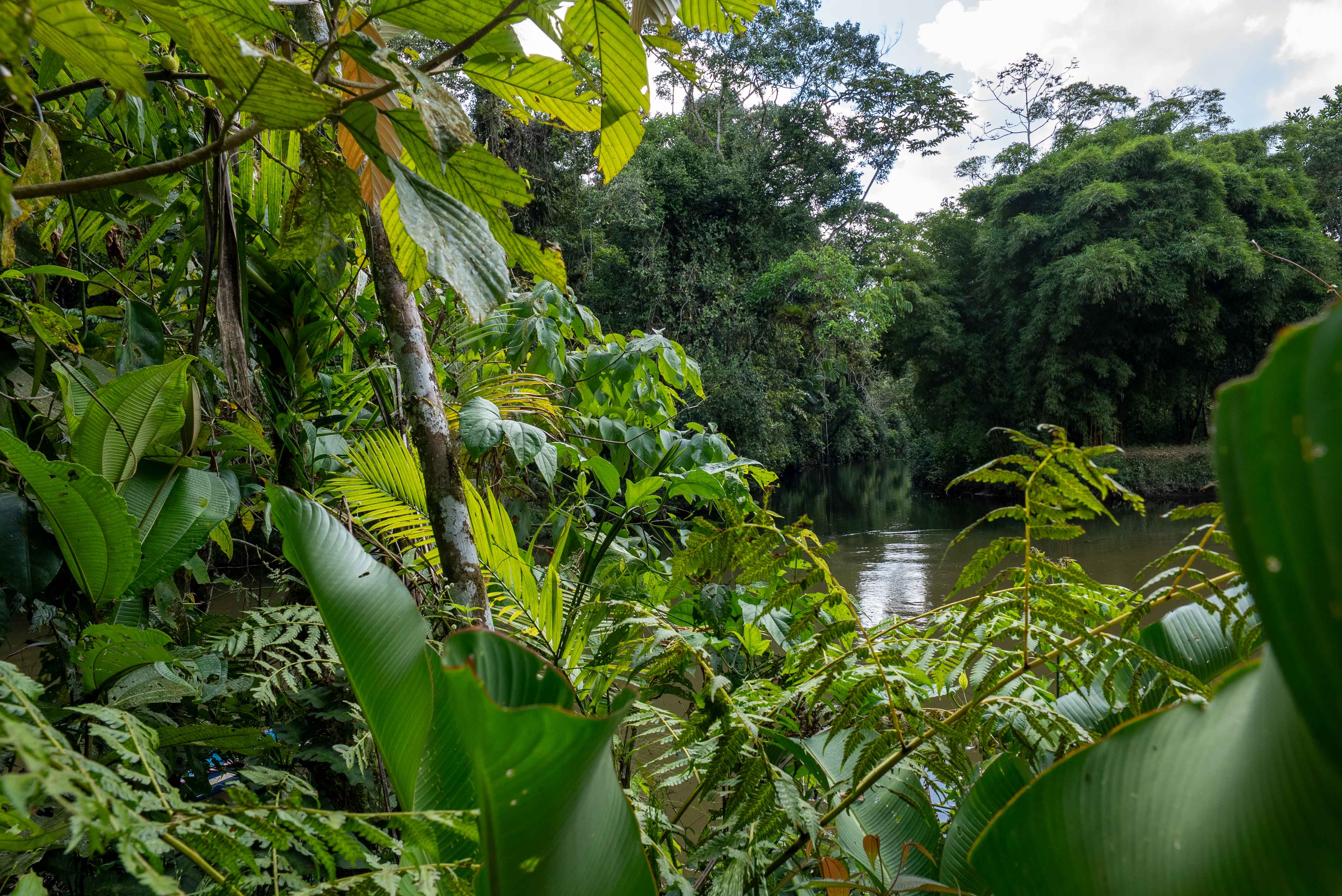
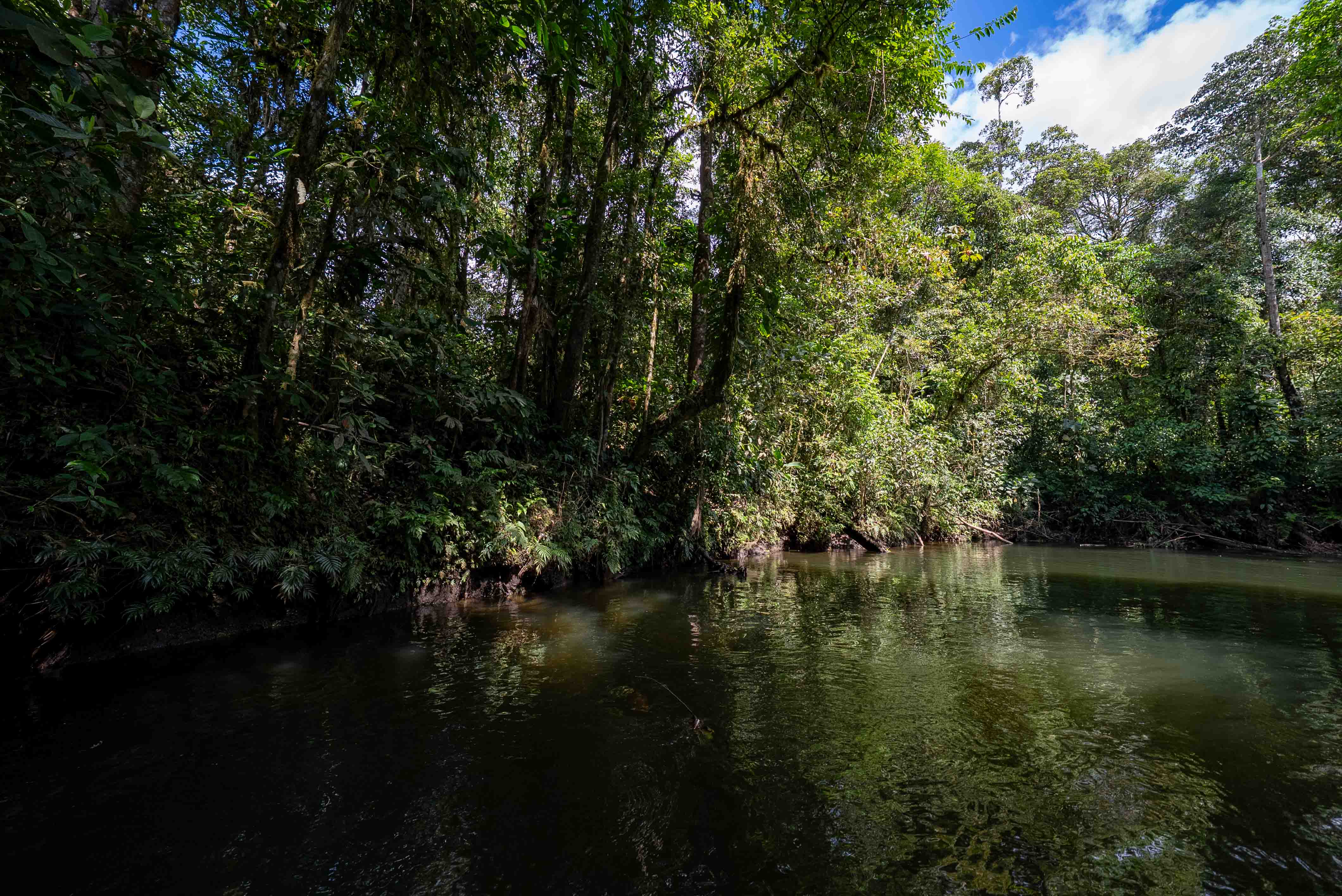
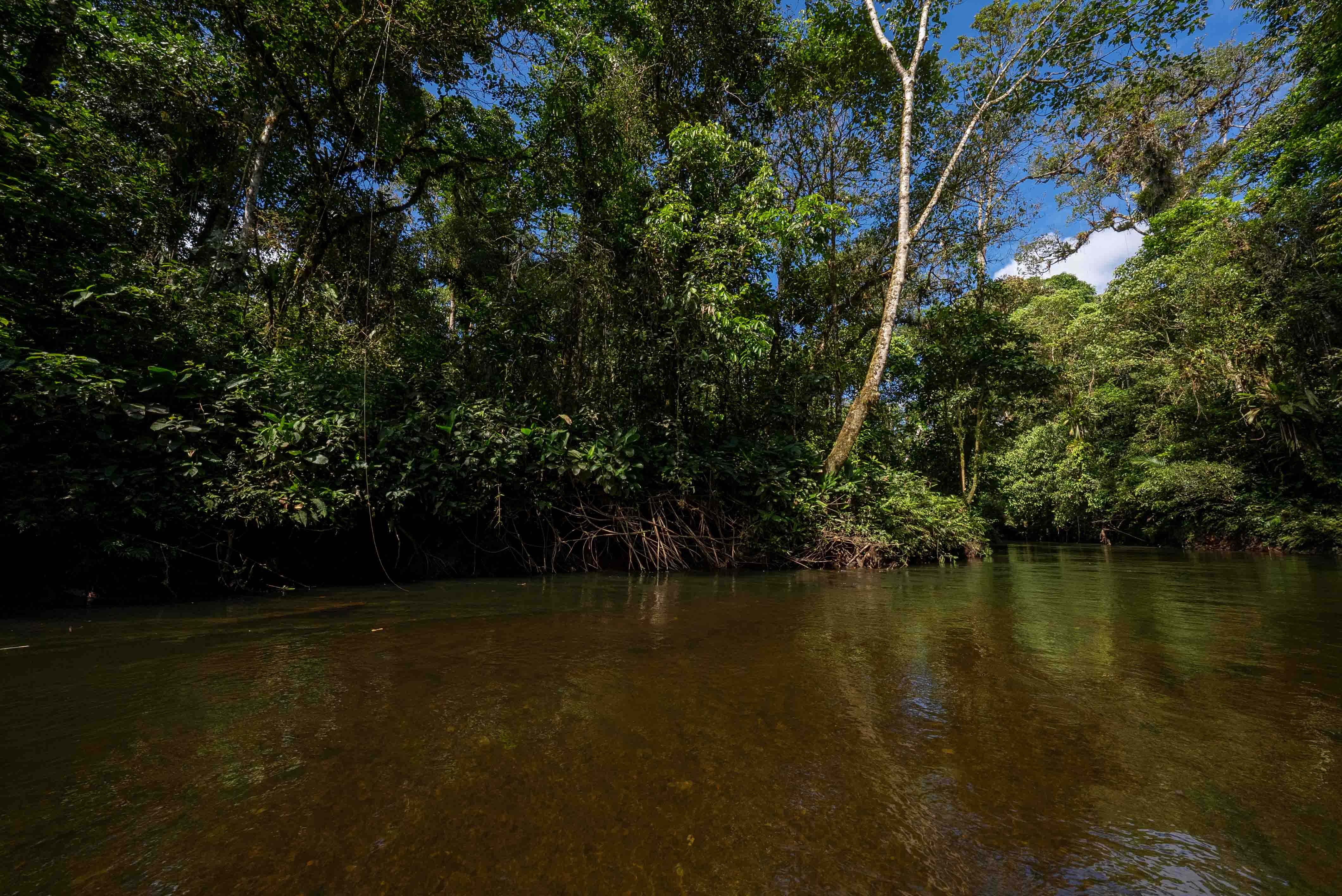
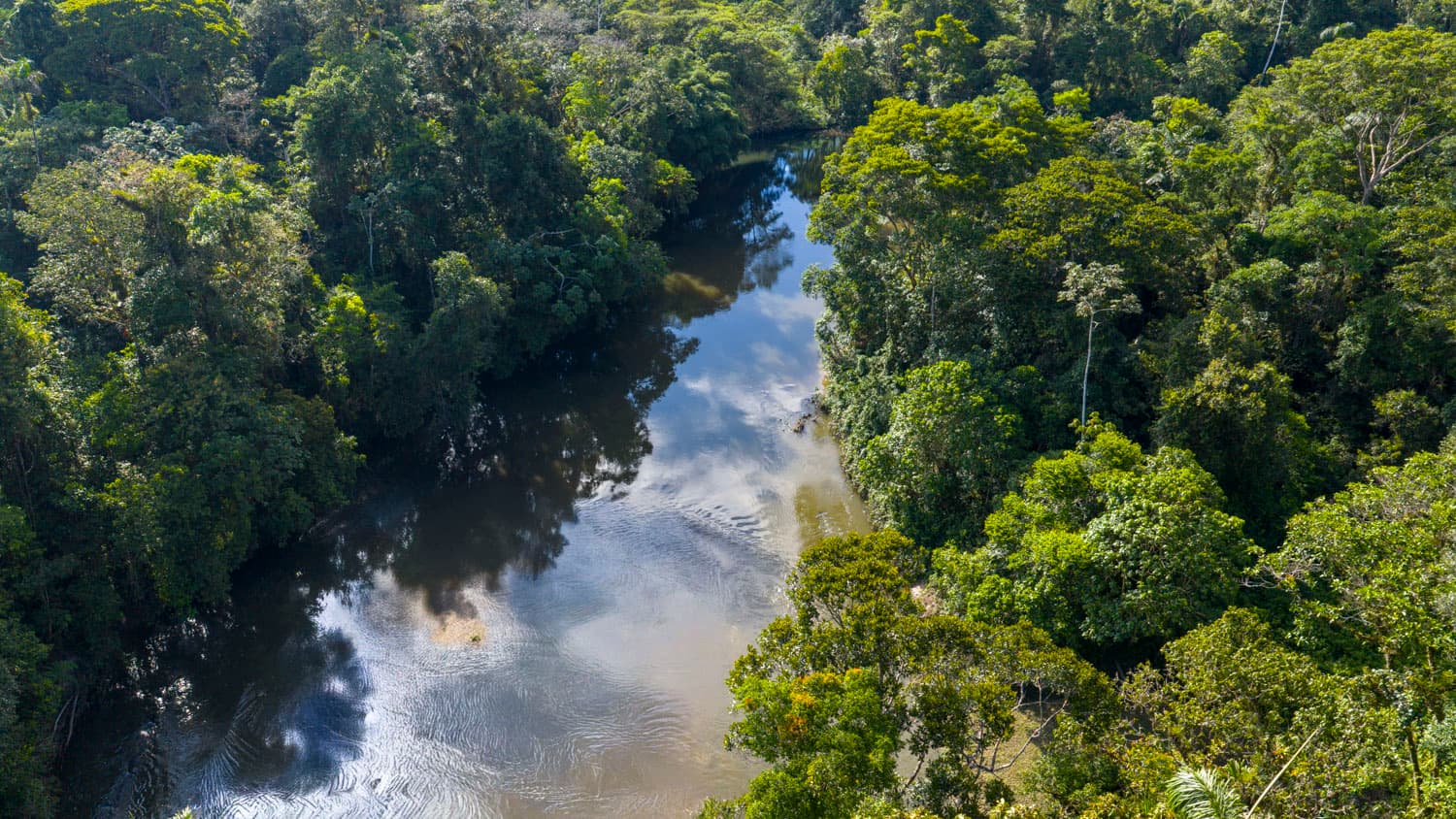
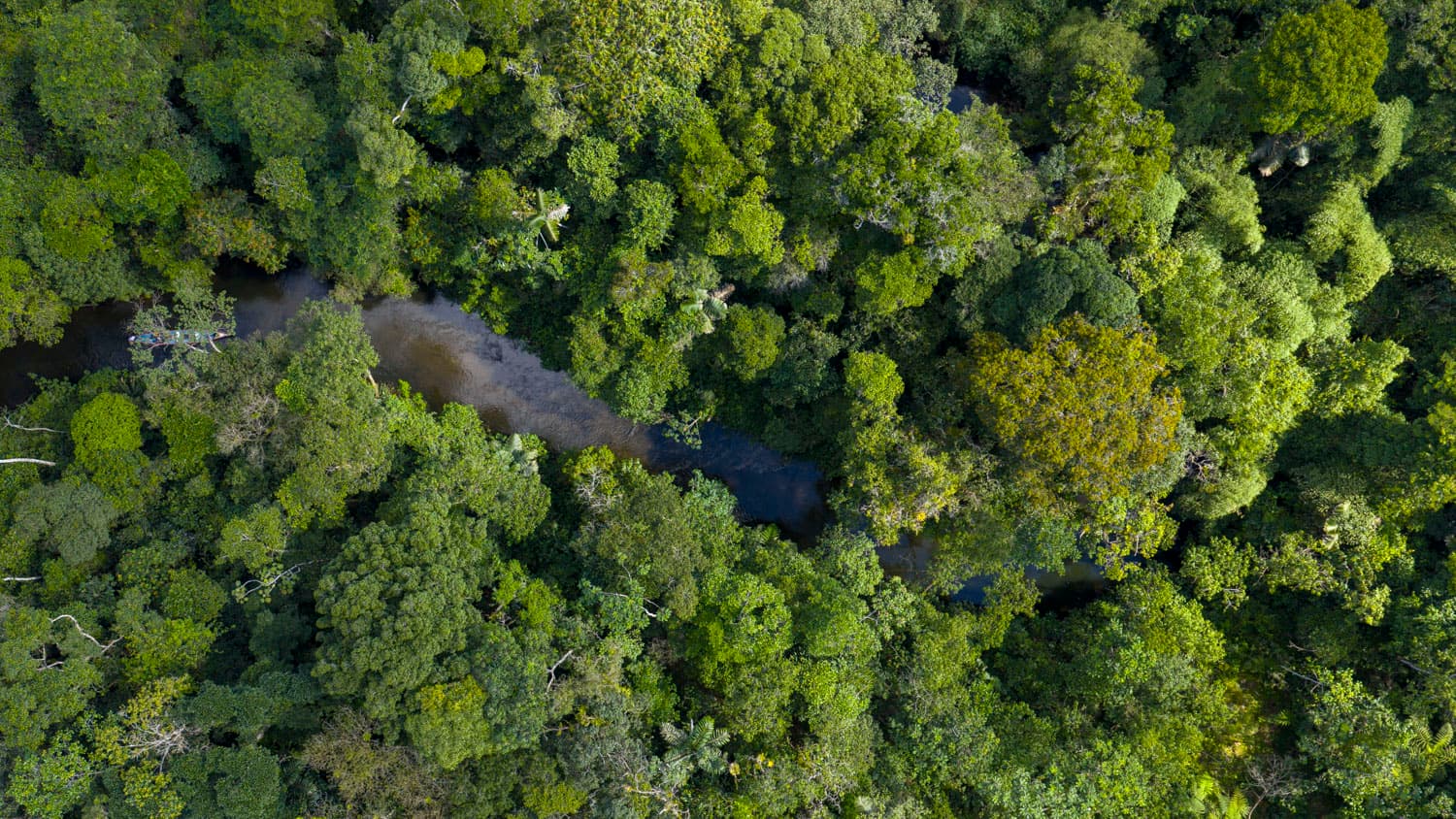
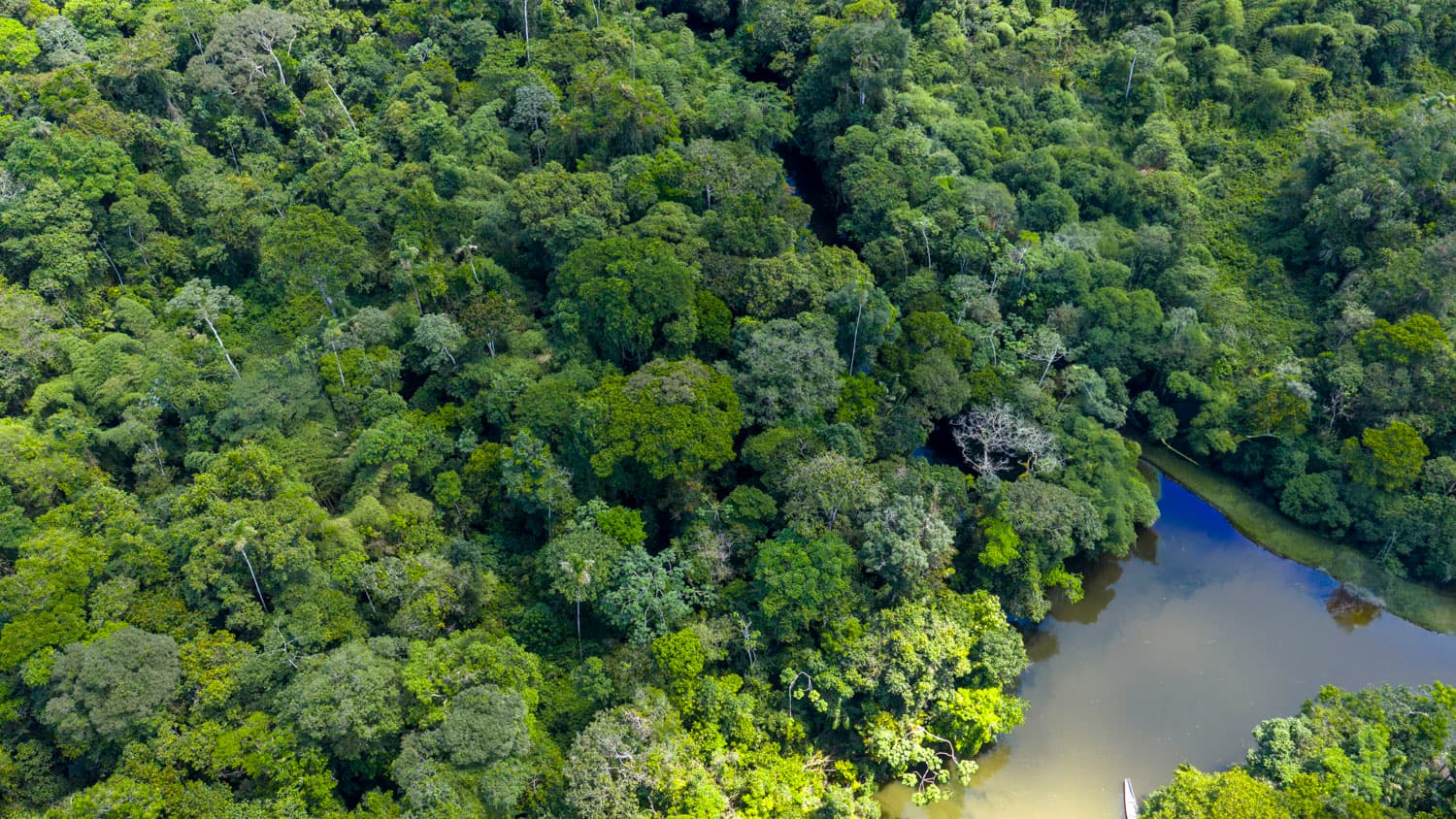
HYDROLOGY: Natural spring-fed water sources emerge as origin points across the property. Living wetlands function as biological incubation chambers. Multiple streams distribute life with the perfect logic of a closed-circuit system where water doesn't instrumentalize, it gestates.
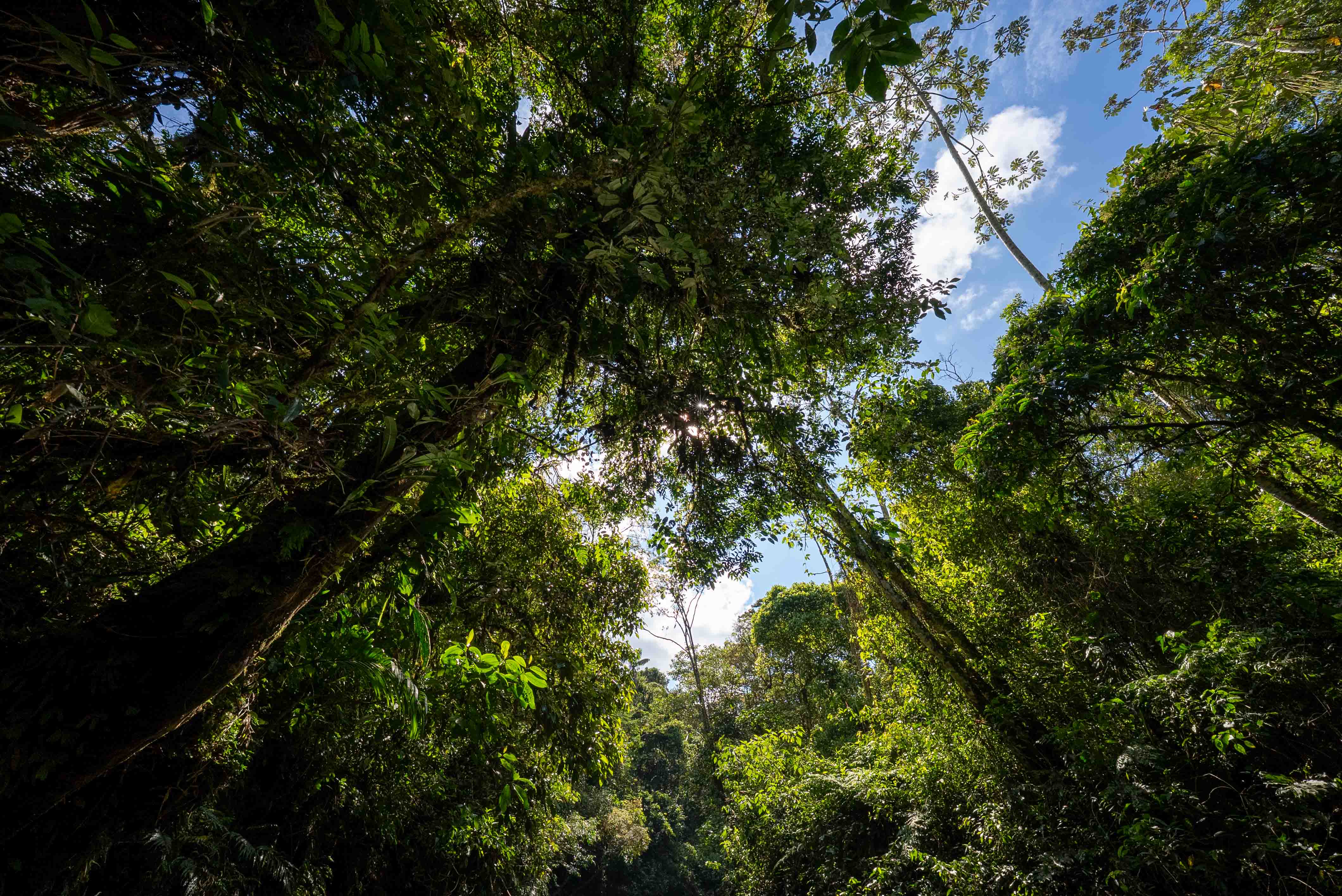
FOREST COVER: Intact primary forest interspersed with dense Guadua bamboo stands natural carbon sequestration infrastructure. Trees and bamboo reaching heights of 20–40 meters, including species such as:
Guadua angustifolia
(Guadua bamboo) – structural bamboo with carbon absorption efficiency surpassing most hardwoods
Ceiba pentandra
(Kapok/Ceibo) – emergent canopy trees up to 50m
Wetland-adapted species forming riparian corridors along water systems
DOCUMENTED BIODIVERSITY:
Mammals:Jaguar (Panthera onca), Amazonian tapir (Tapirus terrestris), Neotropical otter (Lontralongicaudis),White-lipped peccary (Tayassu pecari)
Birds: Over 350 species recorded in wetland-forest ecotones, including the Scarlet macaw (
Ara macao), Harpy eagle (Harpia harpyja), and diverse heron species (Ardeidae family)
Herpetofauna: Critical amphibian diversity including poison dart frogs (Dendrobatidaefamily), glass frogs (Centrolenidae), and multiple toad species essential for wetland ecosystem function
Flora: Estimated 1,200+ species of vascular plants per hectare, with specialized wetland vegetation and bamboo forest complexes
INTACT FUNCTIONAL ECOSYSTEM
The property preserves an ecosystem in absolute equilibrium:
Spring-fed hydrological system
with natural water sources emerging as origin points, creating perpetual flow independent of seasonal variation
Living wetlands
functioning as biological incubation chambers critical breeding grounds for amphibians, toads, and wetland species that maintain invisible balance sustaining the entire system
Guadua bamboo forests
operating as living engineering absorbing carbon, stabilizing soils, channeling energy, and growing with structural efficiency envied by contemporary architects
Emblematic species
including the jaguar (apex predator and ecosystem health indicator) and neotropical otter (aquatic ecosystem integrity indicator)
Key Terminology Used
Negentropy:
The opposite of entropy; a measure of order and organization in a system. In ecological terms, refers to living systems that maintain and increase complexity over time.
Spring-Fed Water Sources:
Natural groundwater emergence points that create constant flow systems independent of rainfall patterns.
Biological Incubation Chambers:
Wetland areas where amphibian reproduction and larval development occur—critical for ecosystem function.
Closed-Circuit System:
A hydrological network where water cycles internally, maintaining nutrients and supporting life without external input.
Riparian Corridors:
Vegetated zones along watercourses that provide habitat connectivity and ecological services.
WHERE ENERGY CEASES TO EXPLODE AND BEGINS TO CIRCULATE
If at Los Alamos energy was forced to collapse in microseconds, at ALAMOS GARDEN energy flows slowly, for centuries.
Here, air is not a byproduct. It is an atmospheric asset.
Each tree functions as a biological oxygen reactor, purifying the environment without noise, without residue, without expiration date a luxury impossible to replicate by any technology.
This is not air conditioning. This is original climate.
Life forms operating within wetland ecosystems coexist here amphibians, toads, and marsh species that reproduce the invisible balance sustaining everything else. Without them, the system collapses. With them, life prospers offering incalculable ecological potential developed through millennia of evolution.
"If Los Alamos was where humanity learned to destroy matter, Alamos Garden is where nature demonstrates how to regenerate it perpetually, elegantly, inevitably."