
AMAZONAS GARDEN´S
Amaozniae Cor Mundi
AMAZONAS GARDEN´S
Amaozniae Cor Mundi
Every great civilization has been remembered for a masterpiece. Mesopotamia thrived between the Tigris and Euphrates rivers that birthed agriculture and cities. Egypt rose along the Nile, where water dictated power and permanence. Venice constructed an empire on water itself, turning liquid into architecture. In the Amazon, something more profound occurred: the masterpiece was not engineered by humanity; it was sculpted by water over millennia.
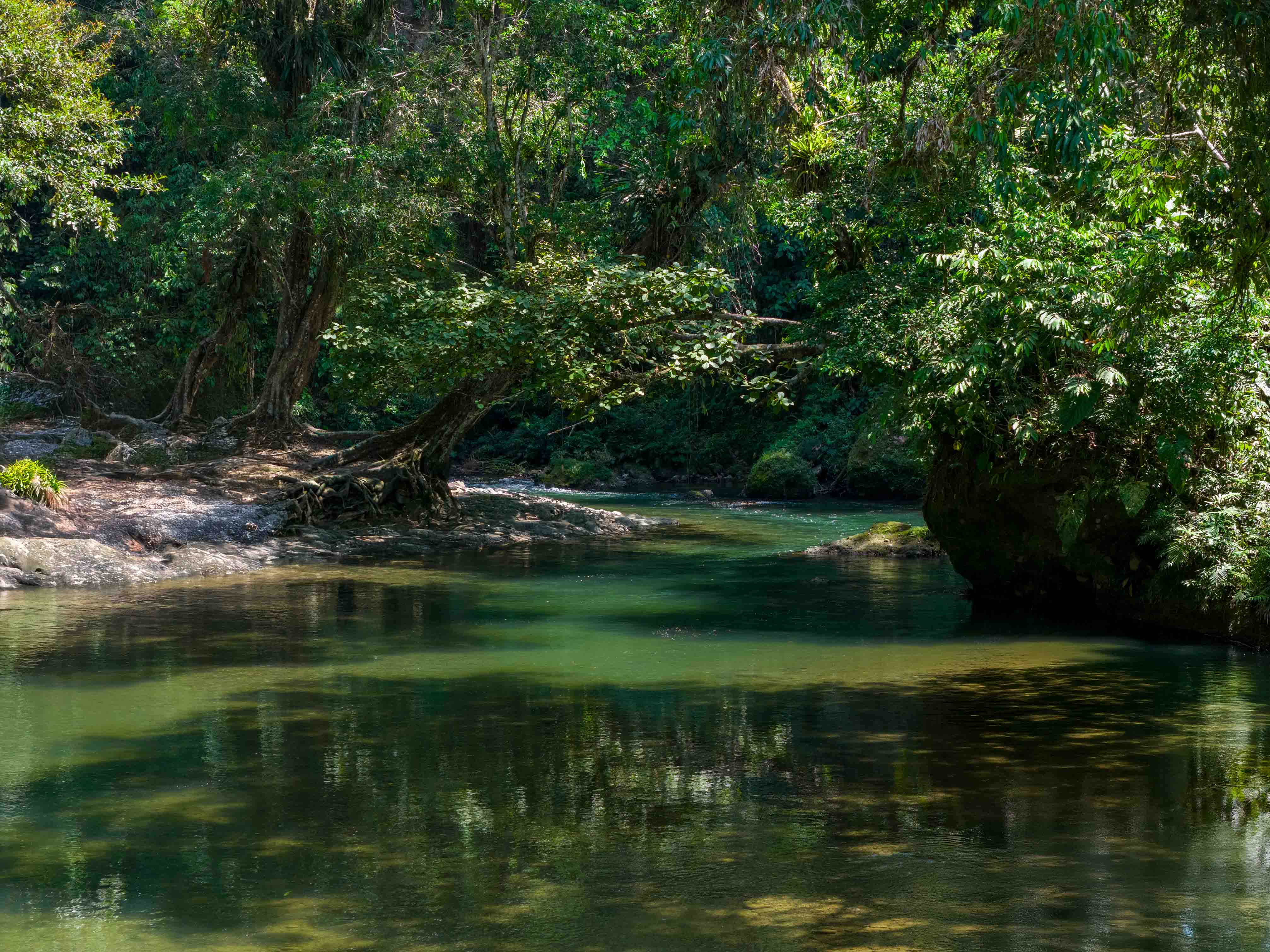
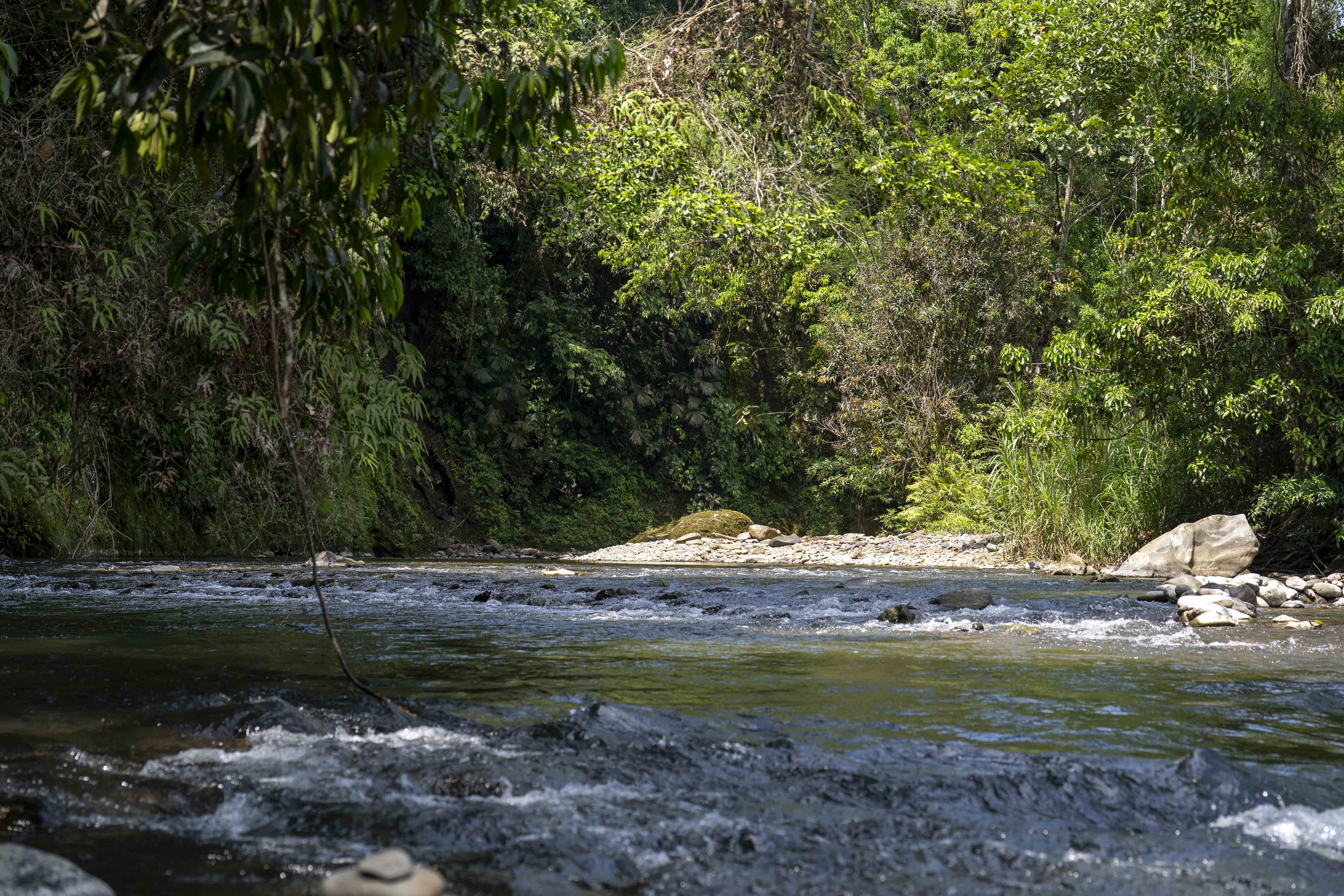
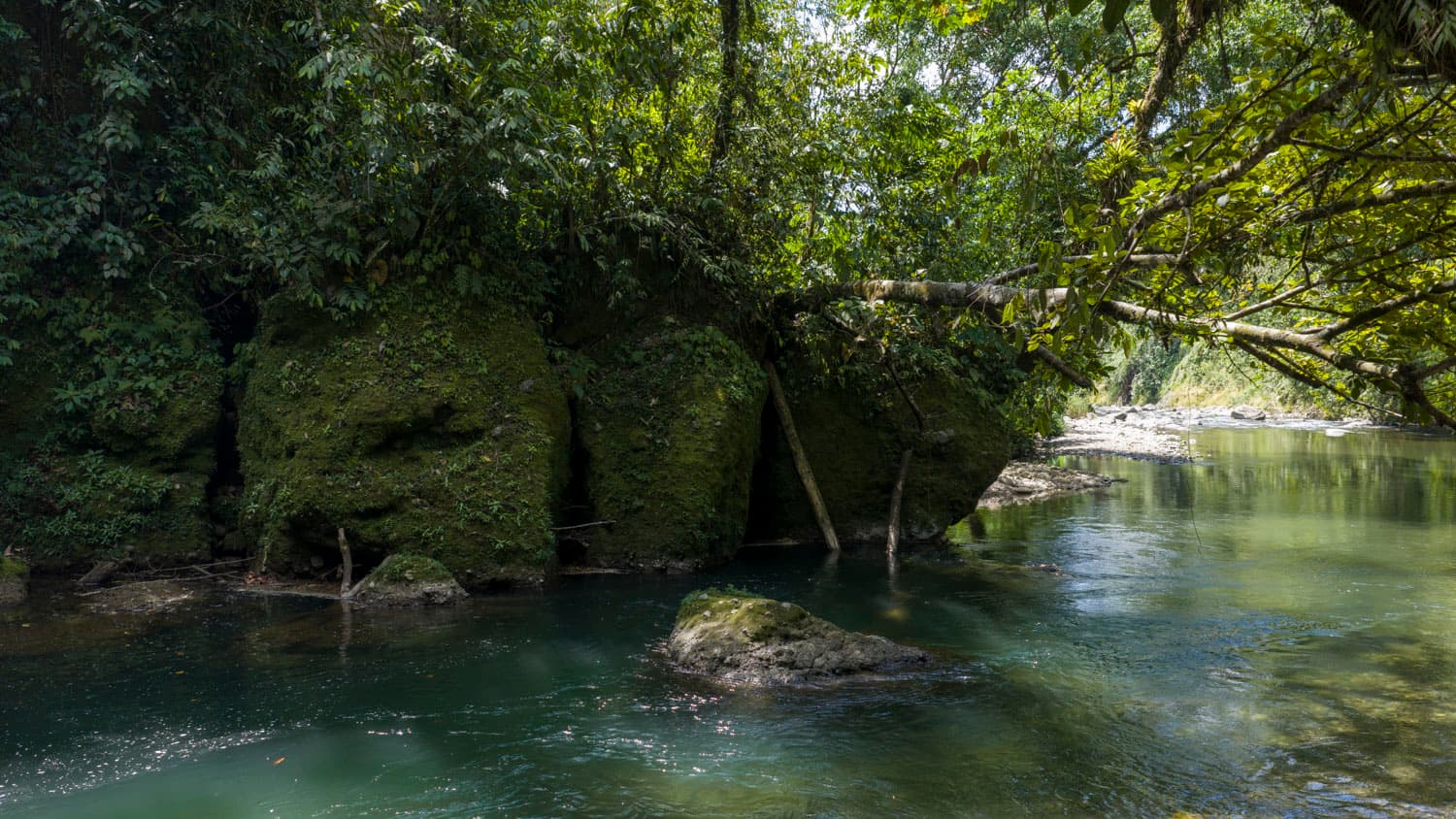
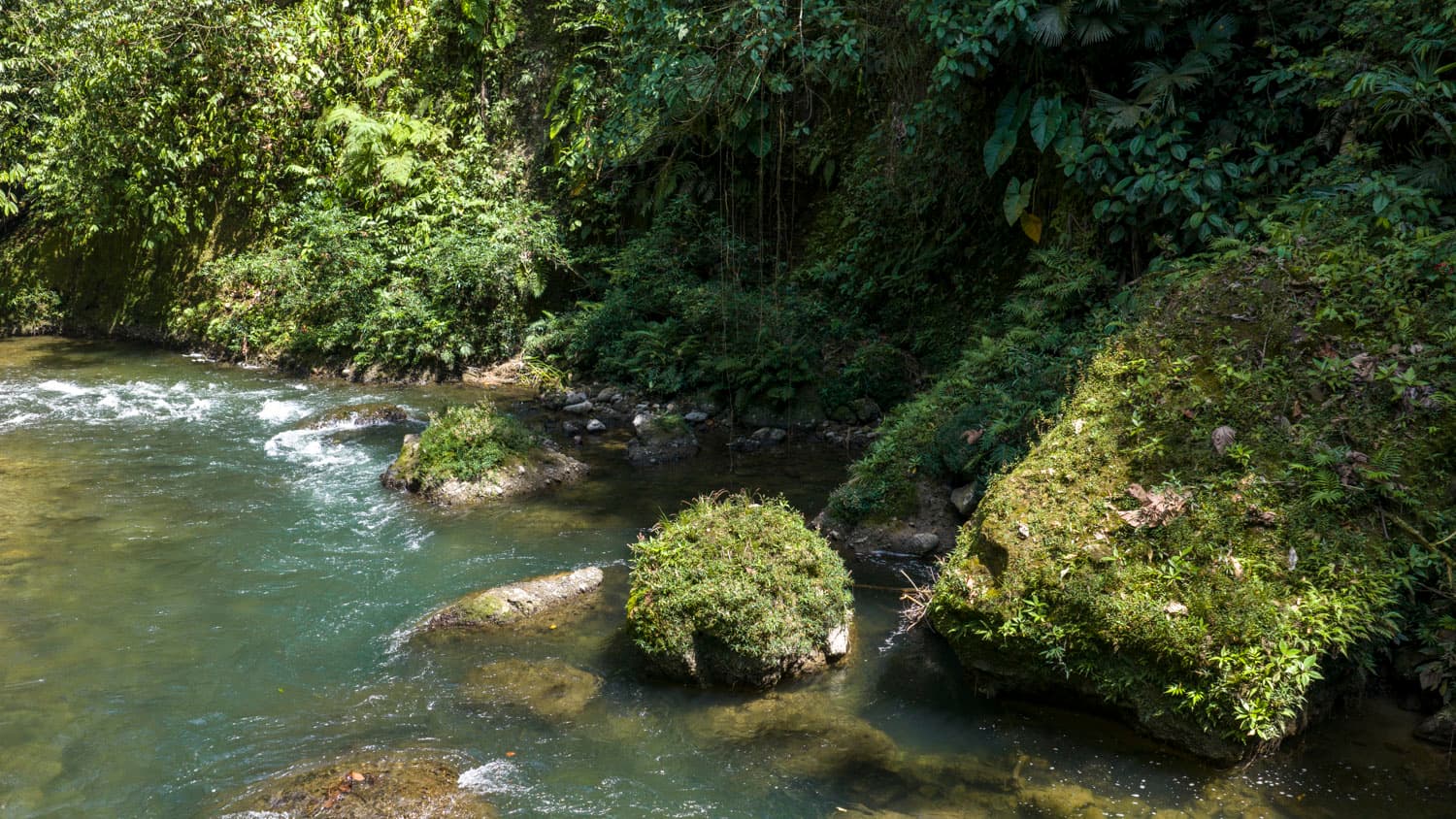
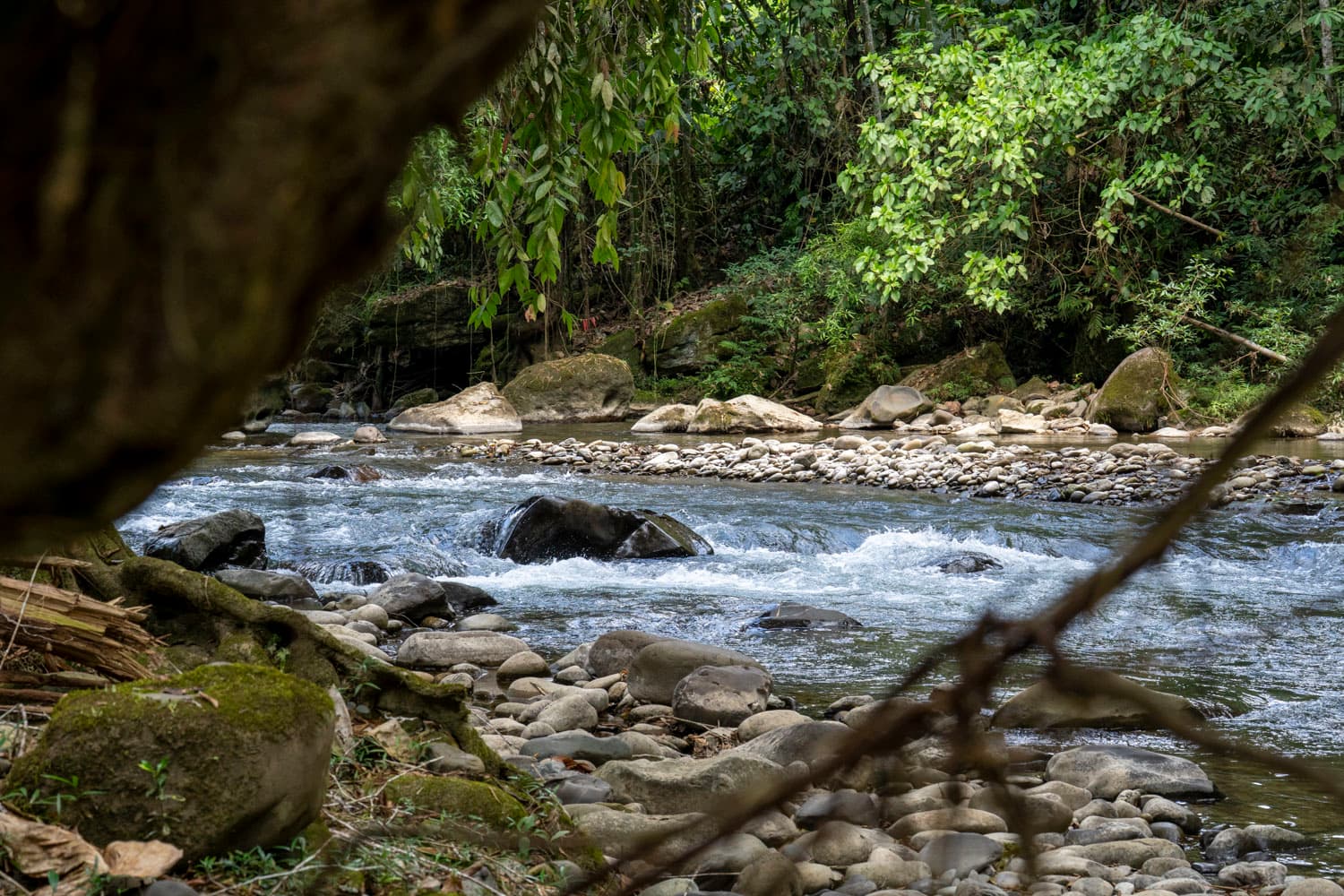
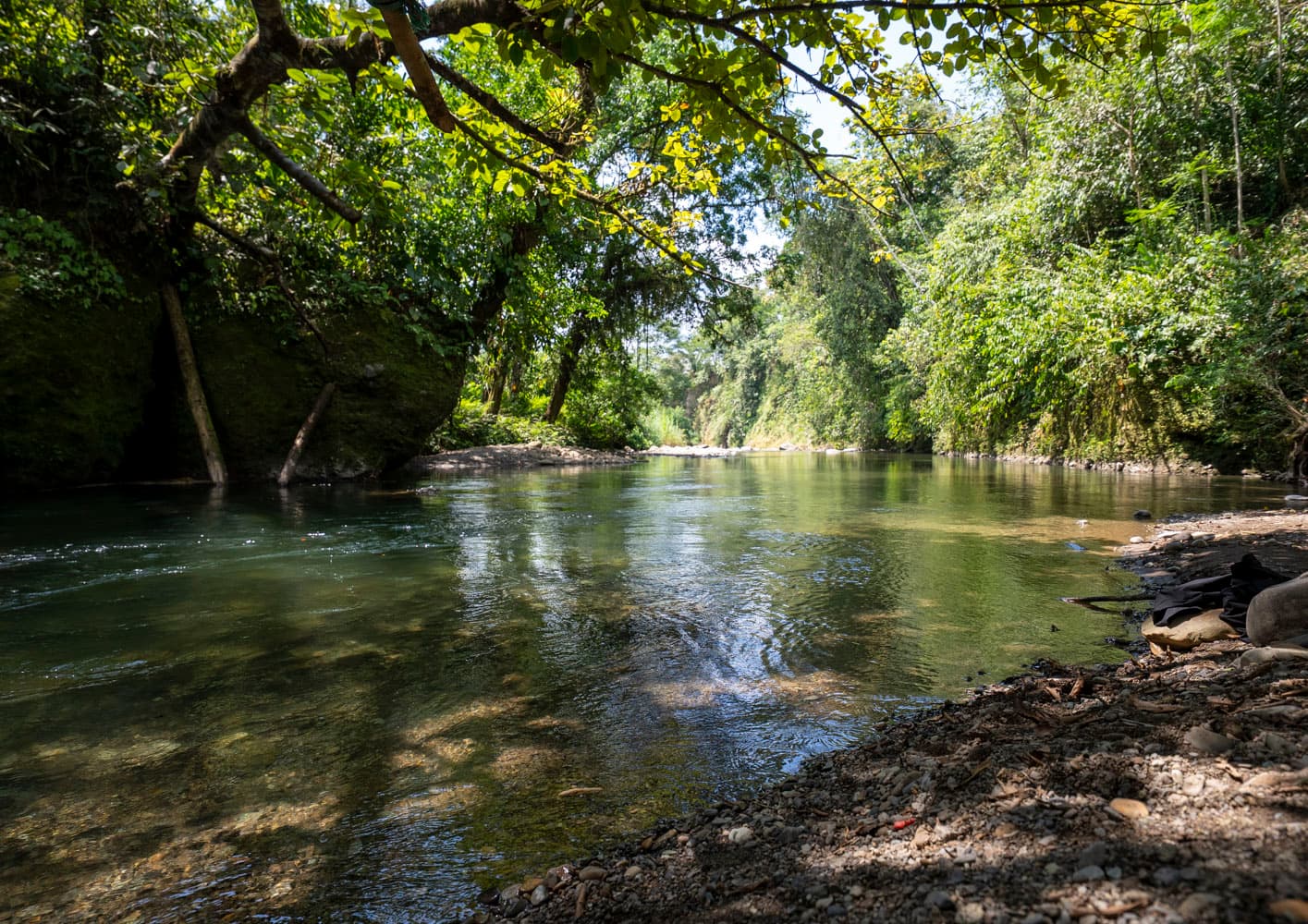
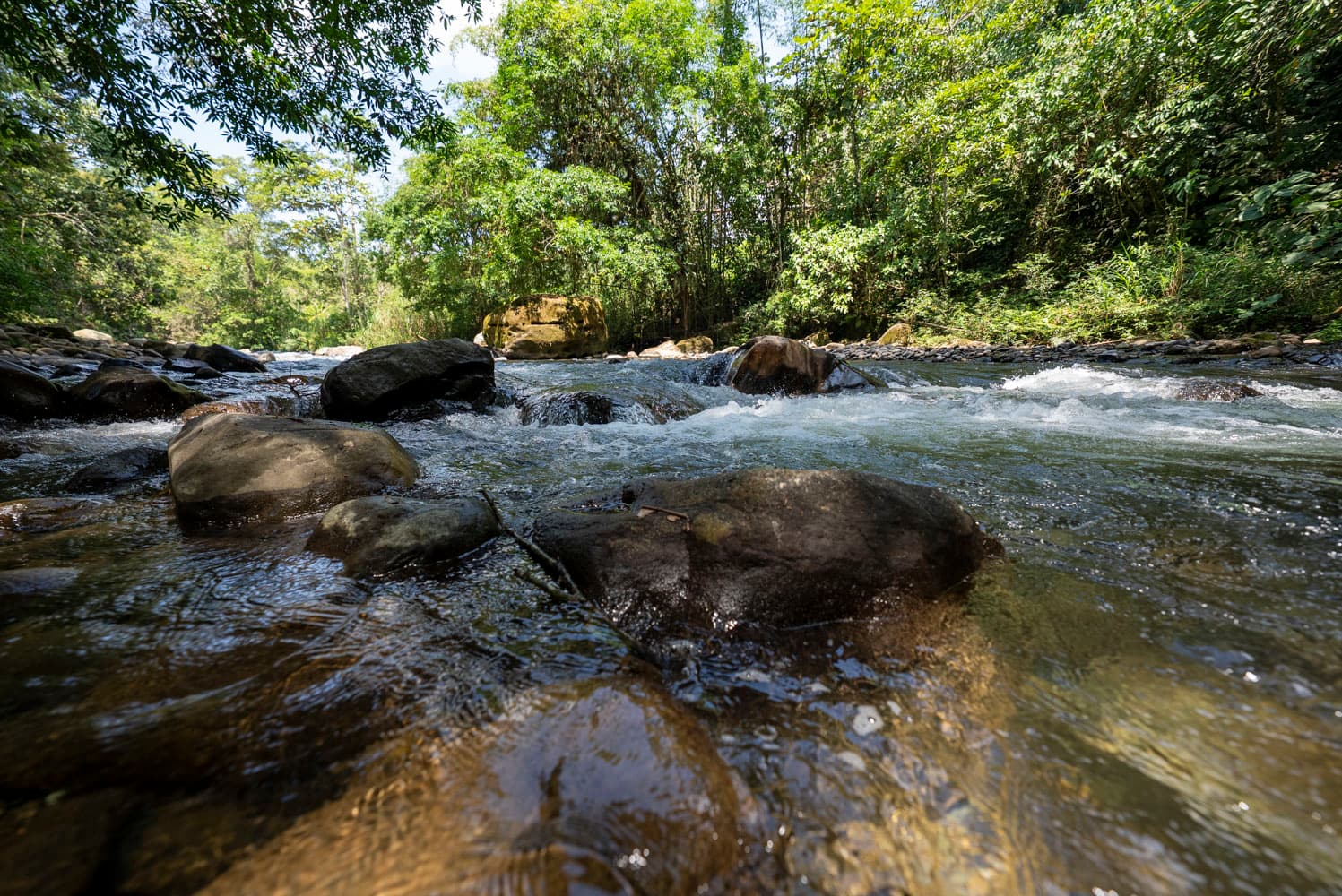
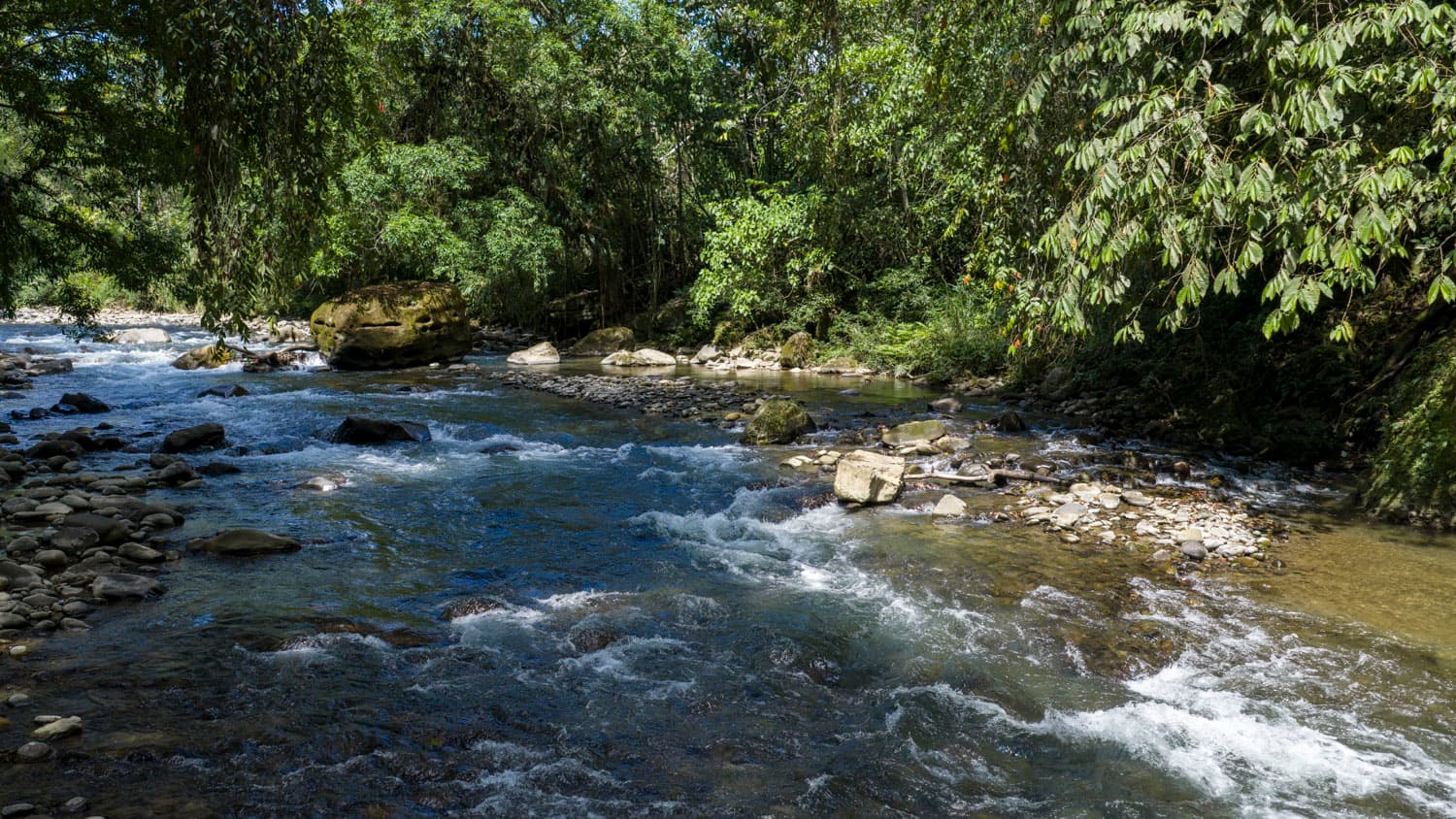
AMAZONAS GARDEN'S emerges as a liquid empire: a 156-acre property where water is not a feature it is the foundation. A navigable river carves through pristine rainforest, creating a living arterial system that has sustained biodiversity for thousands of years. This is not waterfront property. This is civilization defined by currents, where life flows in every direction and the river commands the landscape with the authority of an ancient monarch.
TECHNICAL AND ENVIRONMENTAL CHARACTERISTICS
LOCATION AND ALTITUDE: Ecuadorian Amazon, between 220–380 meters above sea level the optimal altitude for navigable river systems within maximum biodiversity tropical rainforests.
CLIMATE:
Average Annual Temperature: 25–27°C (77–81°F)
Relative Humidity: 85–95% (elevated due to extensive water presence)
Annual Precipitation: 3,500–4,800 mm
Microclimate: Hyper-humid with natural thermal regulation through river evaporation and dense forest canopy—constant cooling effect along water corridors
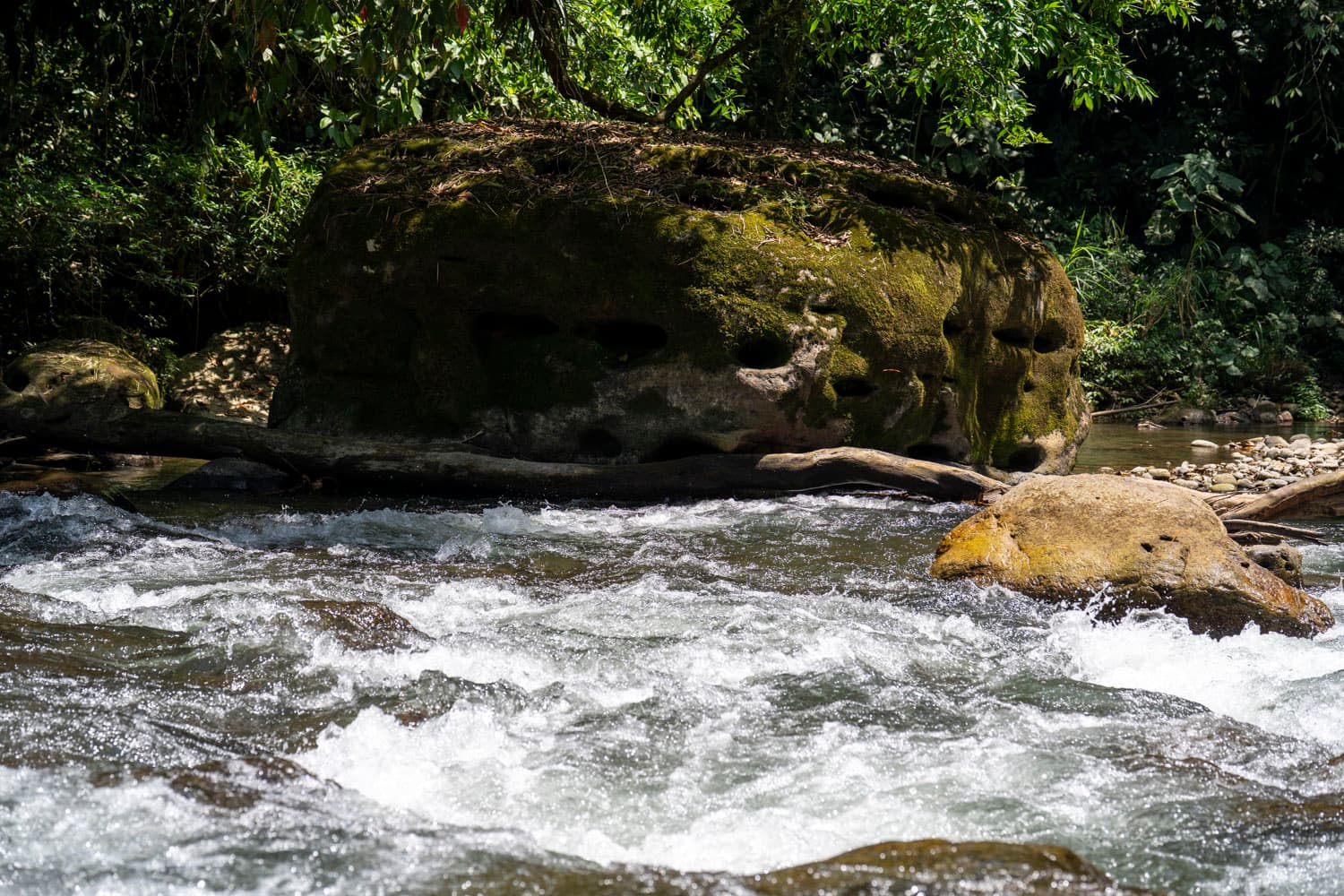
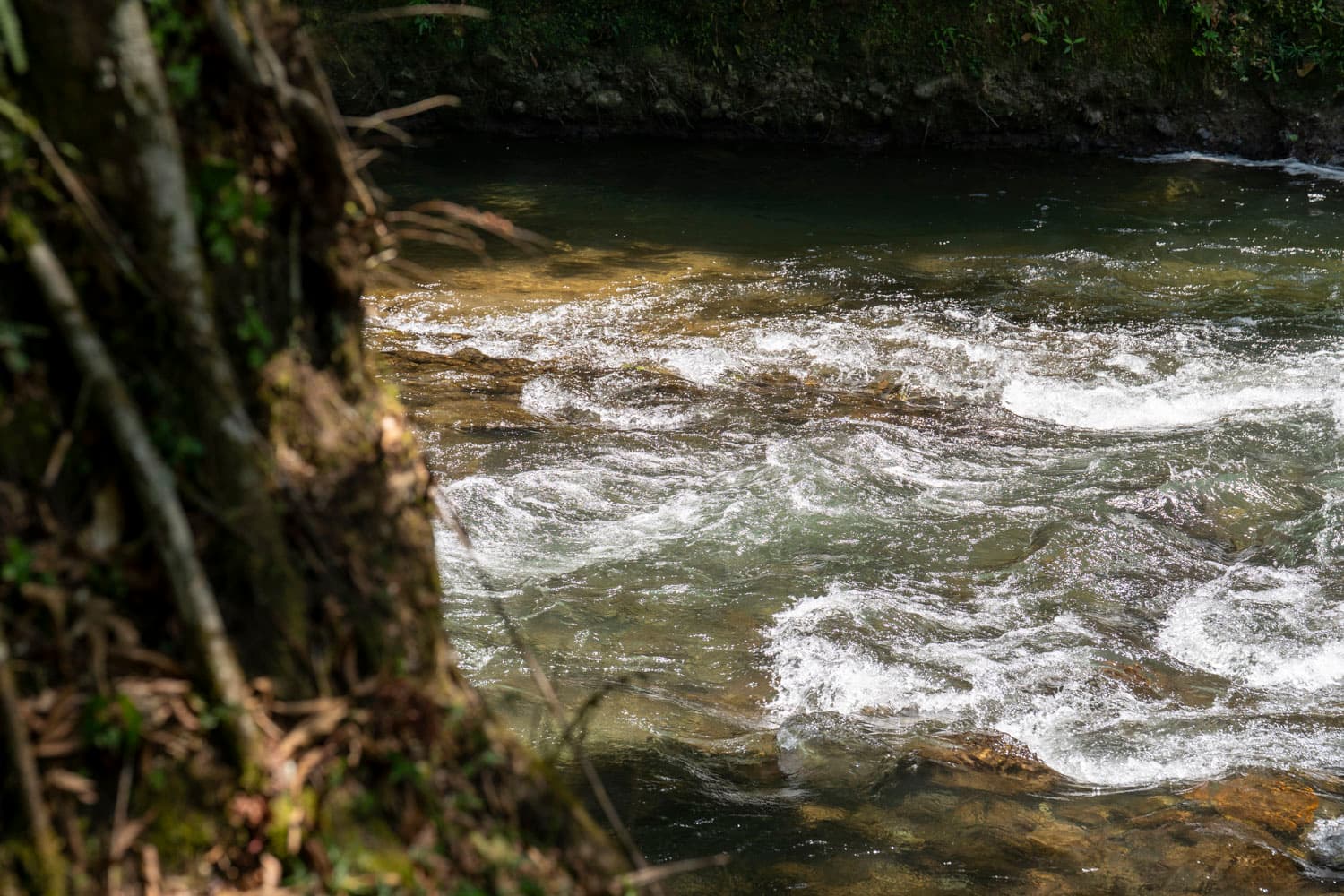
HYDROLOGY: A navigable river of 8–12 meters width crosses the property for approximately 1.2 kilometers, with year-round navigability during all seasons. Twelve secondary streams and tributaries feed into the main river, creating a dendritic water network. Multiple oxbow lakes and seasonal floodplain zones expand during wet season, creating dynamic aquatic habitats. Natural springs emerge at seven documented points across the property.
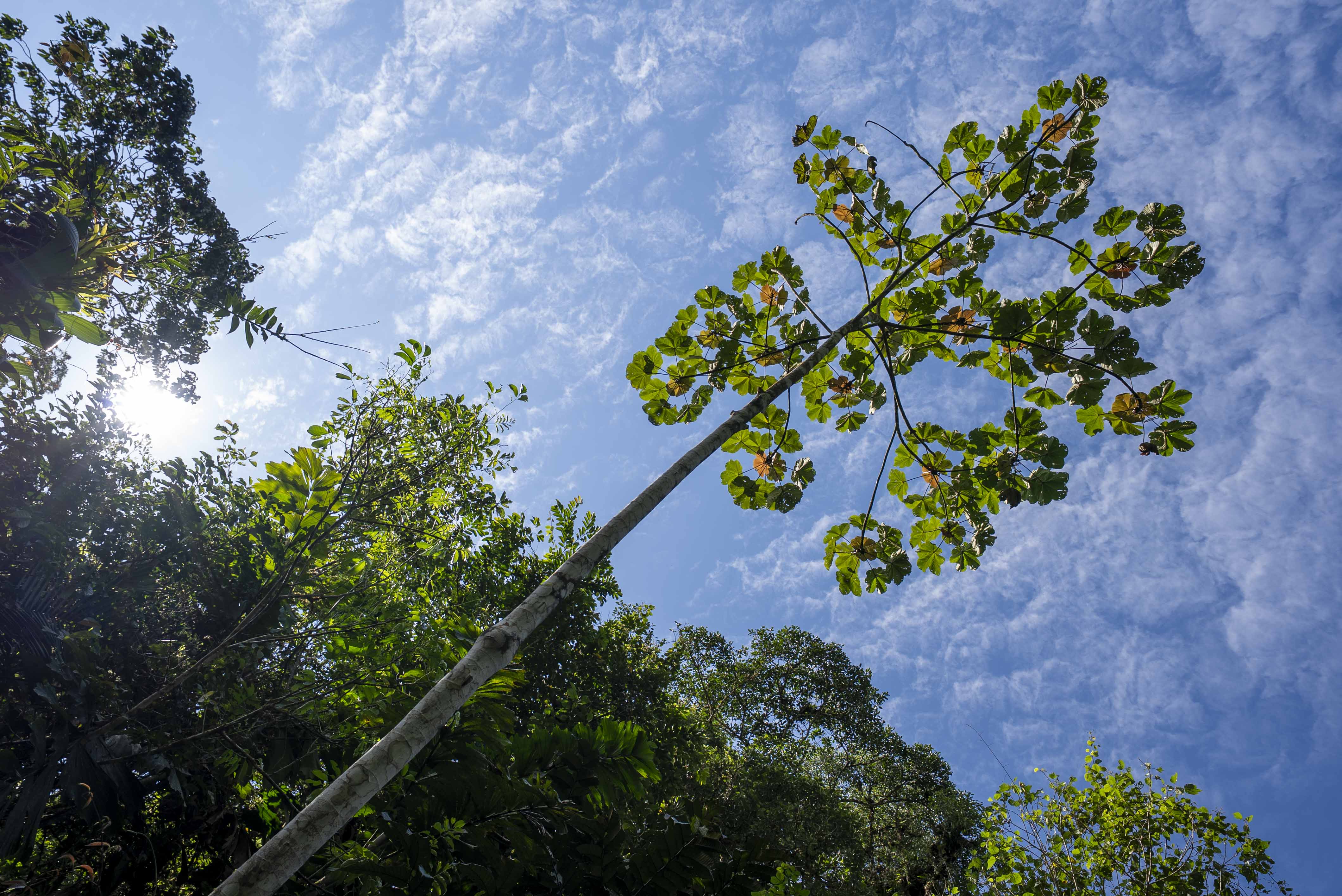
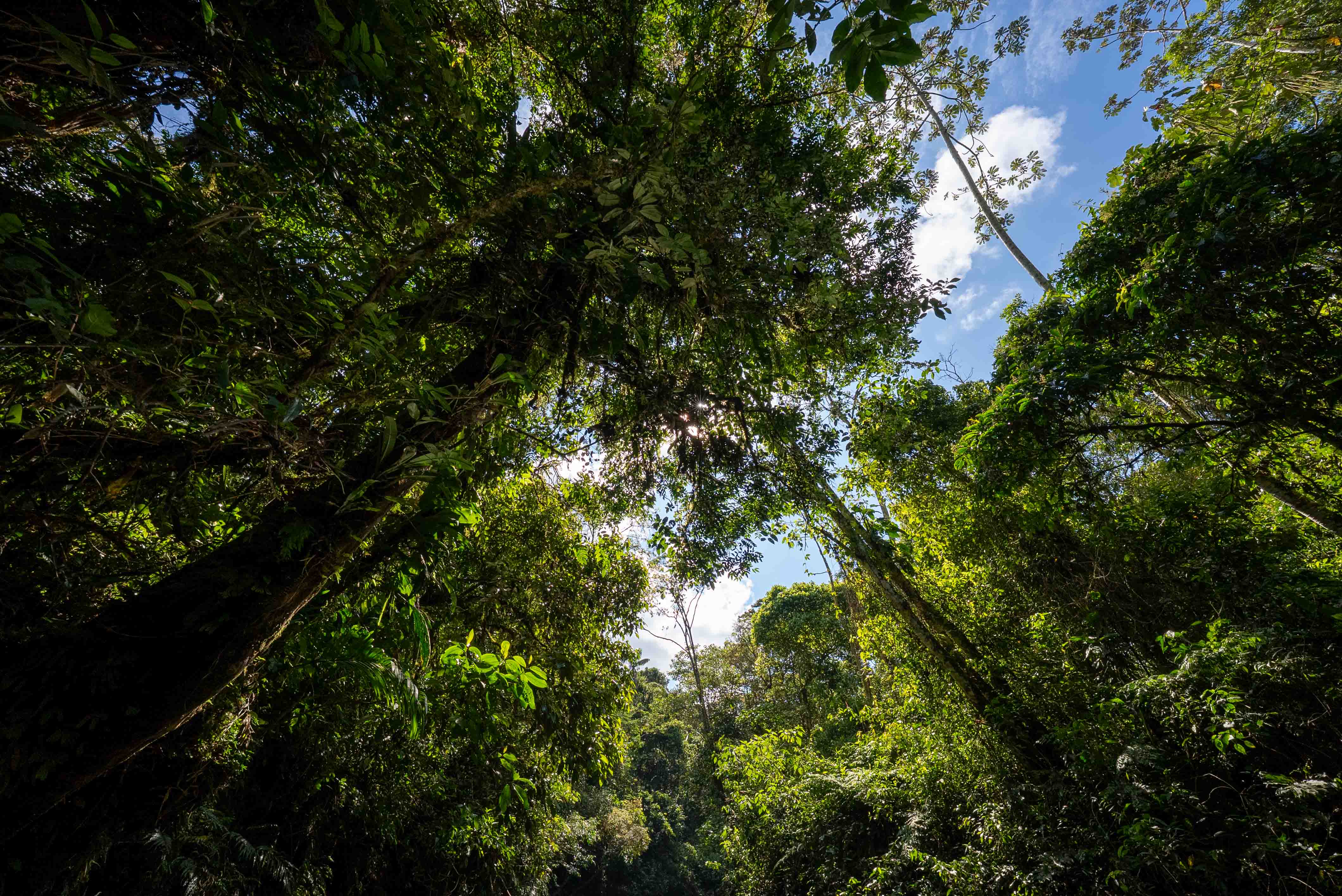
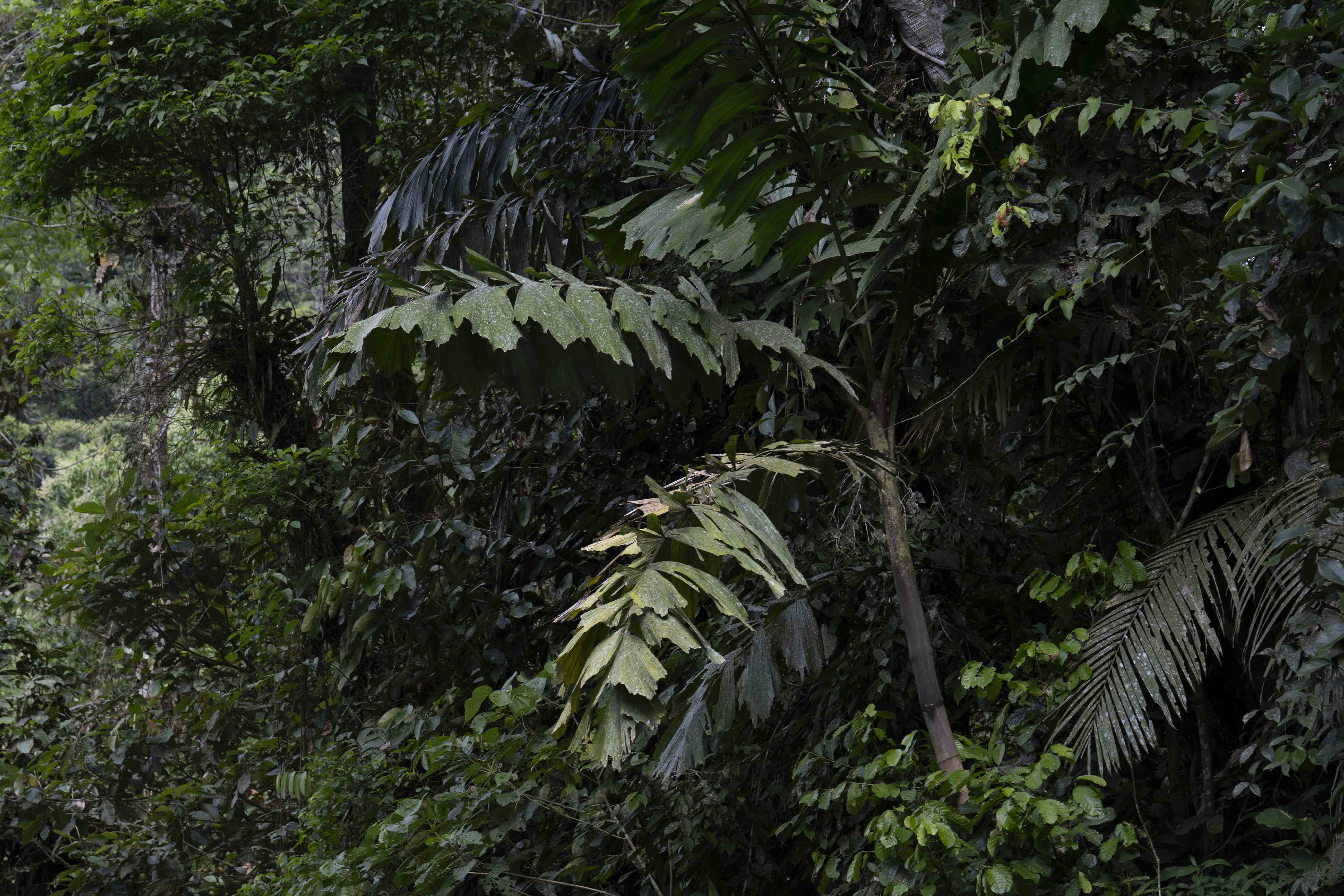
FOREST COVER: Intact primary rainforest with specialized riparian and floodplain vegetation. Emergent trees reaching 45–65 meters, including species such as:
Virola sebifera
(Cumala) – canopy dominant in floodplain forests, up to 50m
Cedrela odorata
(Spanish Cedar) – valuable hardwood with cultural and ecological significance
Inga edulis
(Ice-cream bean tree) – nitrogen-fixing species critical for riverbank stabilization
DOCUMENTED BIODIVERSITY:
Mammals:Jaguar (Panthera onca), Giant river otter (Pteronura brasiliensis IUCN Endangered), Amazonianmanatee (Trichechus inunguis), Capybara (Hydrochoerus hydrochaeris), Black-capped squirrelmonkey (Saimiri boliviensis)
Birds: Over 480 species recorded in riverine ecosystems, including the Hoatzin (
Opisthocomus hoazin "stinkbird," prehistoric appearance), Horned screamer (Anhima cornuta), Black skimmer (Rynchops niger), and diverse kingfisher species (Alcedinidae family)
Herpetofauna: Spectacled caiman (Caiman crocodilus), Yellow-spotted river turtle (Podocnemis unifilis), Emerald tree boa (Corallus caninus), and over 45 documented frog species including the critically important Osteocephalus genus
Aquatic Biodiversity: Over 120 fish species documented including Arapaima (Arapaima gigas one of world's largest freshwater fish), Electric eel (Electrophorus electricus), Red-bellied piranha (Pygocentrus nattereri), and diverse catfish families
Flora: Estimated 1,800+ species of vascular plants per hectare, with specialized aquatic vegetation including giant water lilies (Victoria amazonica) in oxbow lakes
INTACT FUNCTIONAL ECOSYSTEM
The property preserves an ecosystem in absolute equilibrium:
Navigable river system
spanning 1.2 kilometers through the property with 8 to 12 meter width, maintaining year round depth suitable for canoe and small boat navigation serving as natural highway through pristine rainforest
Dendritic tributary network
with twelve secondary streams feeding the main river, creating a complex hydrological web that distributes nutrients, seeds, and aquatic life throughout the ecosystem
Oxbow lakes and floodplain zones
that expand seasonally, providing critical breeding grounds for fish, amphibians, and aquatic reptiles the reproductive heart of riverine biodiversity
Seven natural spring emergence points
maintaining constant freshwater input independent of seasonal rainfall, ensuring river navigability and aquatic habitat stability
Emblematic species
including the giant river otter (ecosystem health indicator for aquatic systems and IUCN Endangered status making this property critical conservation territory) and jaguar (apex predator indicating intact forest water interface)
Key Terminology Used
Navigable River:
A waterway with sufficient depth and width to allow passage of watercraft year-round—in this context, canoes and boats up to 3 meters in length.
Dendritic Network:
A branching, tree-like pattern of water channels the most efficient natural drainage system.
Oxbow Lake:
A U-shaped water body formed when a river meander is cut off from the main channel creating isolated aquatic habitats with unique biodiversity.
Floodplain Zones:
Areas adjacent to rivers that experience seasonal inundation, providing critical breeding and feeding grounds for aquatic and semi-aquatic species.
Riparian Corridors:
Vegetated zones along watercourses that stabilize banks, filter nutrients, and provide habitat connectivity between aquatic and terrestrial ecosystems.
WHERE WATER DEFINES CIVILIZATION
If Mesopotamia discovered agriculture between two rivers, and Venice built commerce on canals, AMAZONAS GARDEN'S reveals what happens when water is allowed to remain wild.
Here, the river is not controlled. It is obeyed.
The navigable waterway doesn't merely cross the property it commands it, dictating where life concentrates, how species move, when forests flood, and where the most biodiverse zones emerge.
This is not a property with water features. This is a water system that happens to include land.
Every tree, every animal, every microorganism exists in relationship to the liquid network that has flowed here for millennia a hydrological infrastructure no engineer could design and no technology could replicate.
Aquatic and semi-aquatic life forms coexist here in densities found nowhere else giant river otters hunting in coordinated packs, caimans patrolling oxbow lakes, arapaima surfacing in deep pools, manatees grazing submerged vegetation. Without this water abundance, the system would be unrecognizable. With it, life operates at maximum expression.
The property offers incalculable ecological and scientific value genetic diversity adapted specifically to riverine environments, chemical compounds produced by aquatic plants with pharmaceutical potential, behavioral patterns of endangered species documented nowhere else, and hydrological processes that teach us how water and forest co-create resilience.
"If Venice taught humanity how to build on water, Amazonas Garden's teaches us something more sophisticated: how to preserve what water has already built a liquid empire where biodiversity doesn't adapt to the river, but is born from it."