
Most luxury is built. Carved from marble, fabricated in ateliers, extracted from the earth. Hortus Deliciarum offers something fundamentally different: luxury that is alive, growing, breathing and permanent.
With every passing hour, two thousand hectares of Amazon rainforest disappear. This is not merely a statistical figure; it is a constant impact. To offer a more immediate visual, the world loses the equivalent of a football field of primary tropical forest every four seconds.
For decades, this phenomenon has been mischaracterized as an "environmental problem." In reality, deforestation is an economic decision. Someone, somewhere along the value chain, calculated that the rainforest is worth more dead than alive and for far too long, the market validated that premise.
The Error in the Global Balance Sheet
Traditional accounting has operated under a collective illusion: it assigns no value to a tree while it remains standing, recording it only once it has been felled. However, current data challenge this obsolete logic. The IPBES estimates that ecosystem services generate a value exceeding $140 trillion annually a figure that surpasses the combined global GDP.
When this biological infrastructure vanishes, no insurance policy or financial portfolio can cover the loss. Ecuador despite being one of the countries with the highest biodiversity per square kilometer has already lost more than 50% of its original forest cover. The margin for error narrows with every passing year.
Territorial Authority: From Metrics to the Soil
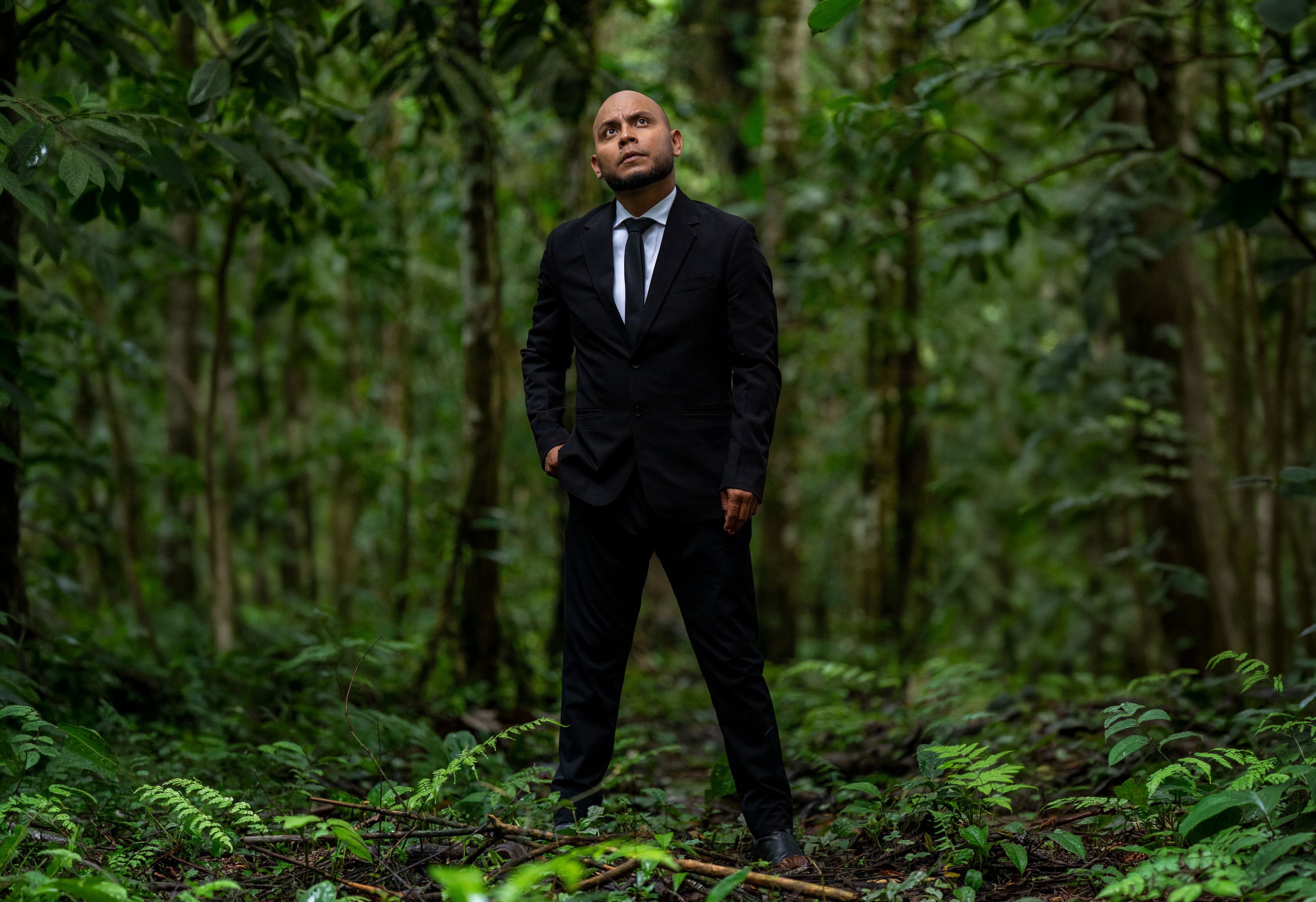
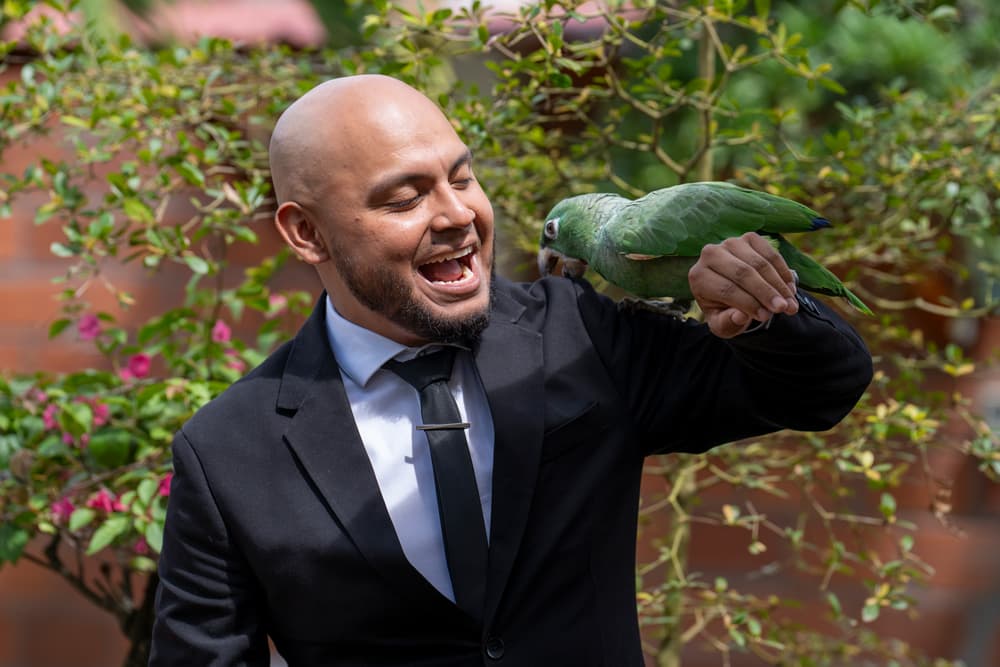
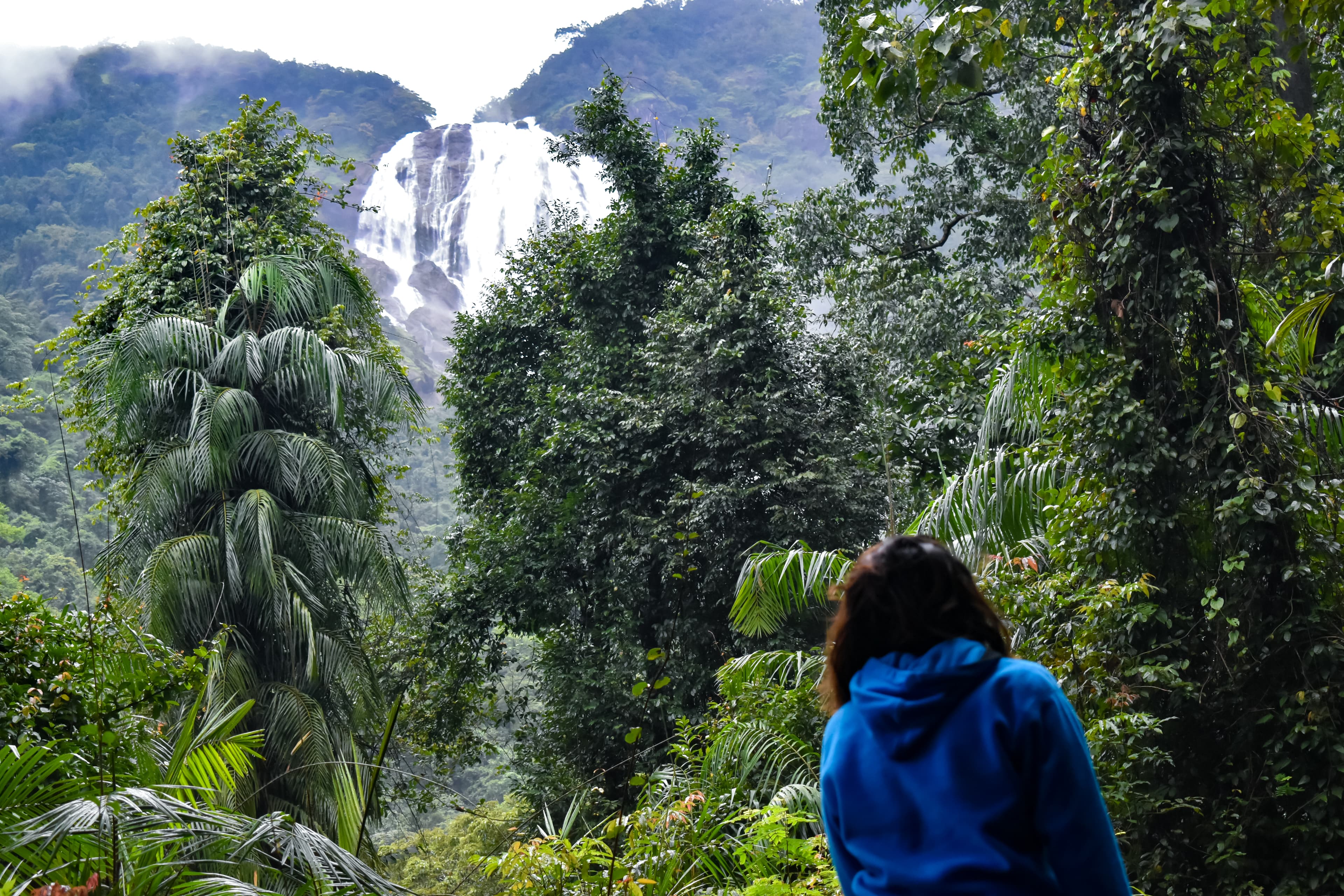
I was born in that jungle. I know it with my feet not through maps or third-party reports. I have traversed Morona Santiago inch by inch, understanding that territory is personal before it is commercial. The authority to speak on conservation is not built in an office in New York; it is earned from within by walking the land and understanding every single meter of what is being protected.
Hortus Deliciarum is born from that physical presence within the territory. We do not merely observe the crisis; we apply a systems-based vision in which nature is not an exploitable resource, but rather the essential infrastructure for life and long-term economic stability.
Investment as an Act of Creation In this context, the Hortus Deliciarum proposal is not conventional philanthropy. We are talking about building assets that breathe. We are talking about an investment possessing a durability that surpasses any financial portfolio or traditional real estate development.
There is a jungle in Ecuador that no one has touched. Yet. Our mission is to ensure that this statement remains true by transforming conservation into the most strategic asset of the 21st century.
Destruction comes with a clear and actionable price tag. The question we pose to today’s leaders and visionaries is a different one: Who is willing to invest in the opposite? For, at the end of the day, true luxury lies not in owning what is consumed, but in being able to leave something alive behind.

Hortus Deliciarum operates as a private for-profit company. Conservation is the mechanism, not the mission statement. The permanent legal tenure grounded in Ecuador's constitutional Rights of Nature creates a scarcity premium no other asset class can replicate.
Constitution of Ecuador, Article 71. The only constitution in the world to grant nature legal rights. The cornerstone of HD's permanence model.
"Nature or Pachamama, where life is reproduced and occurs, has the right to integral respect for its existence and for the maintenance and regeneration of its life cycles, structure, functions and evolutionary processes."
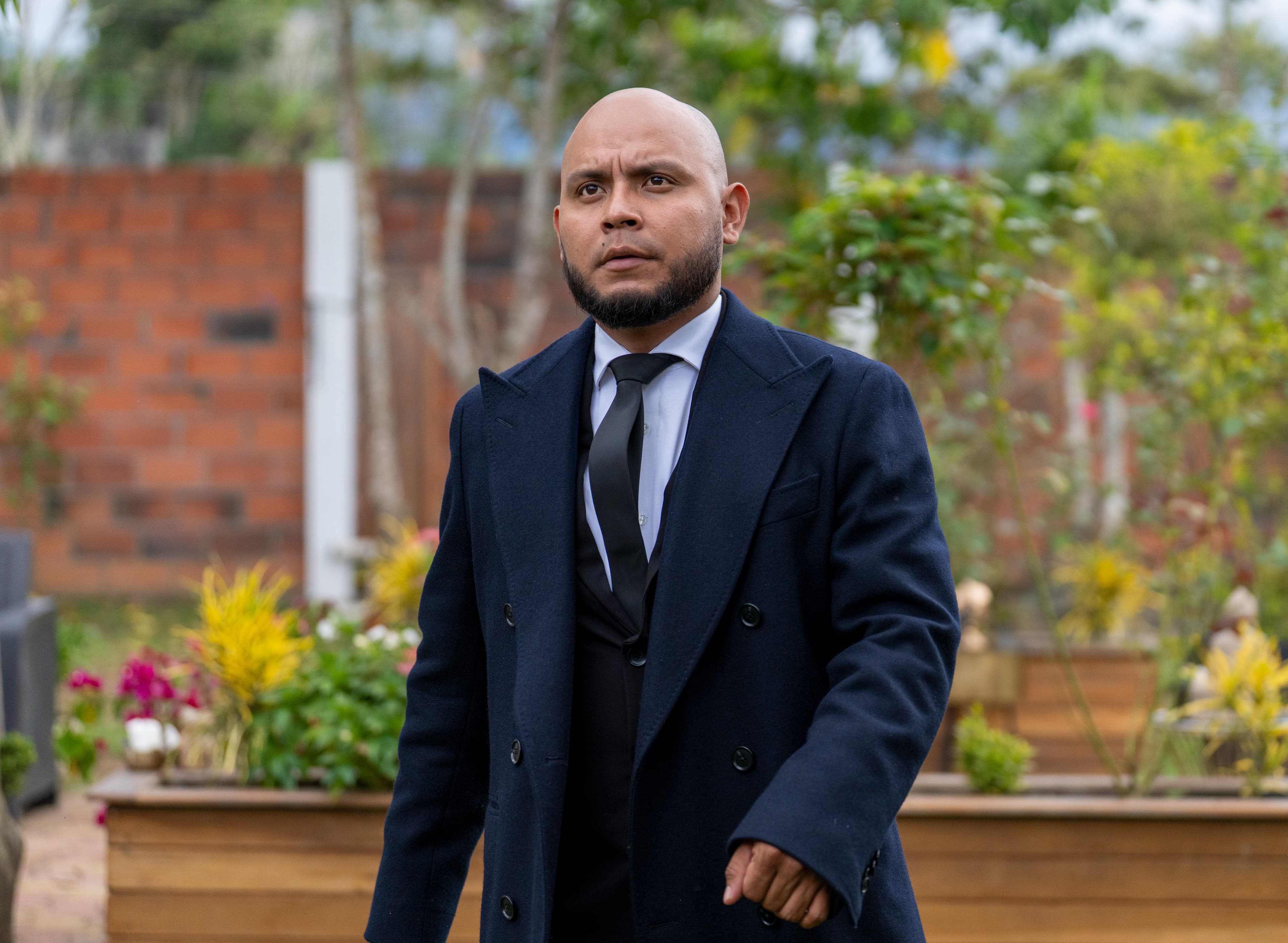
Where others see the destruction of the Amazon as tragedy, Fernández has always seen it as a solvable problem one requiring not activists, but architects. Not protests, but property structures. Not grief, but the cold clarity of permanent capital deployed with civilizational purpose.
That is what Hortus Deliciarum is: a company built to make the Amazon's survival the rational self-interest of the world's most permanent capital.
© Hortus Deliciarum, Strategic Conservation | Ecuadorian Amazon
Contact: info@hortusdeliciarum.org
This document is provided for informational purposes. Data and findings are sourced from peer-reviewed research. Hortus Deliciarum does not provide investment advice. Readers should conduct independent due diligence.