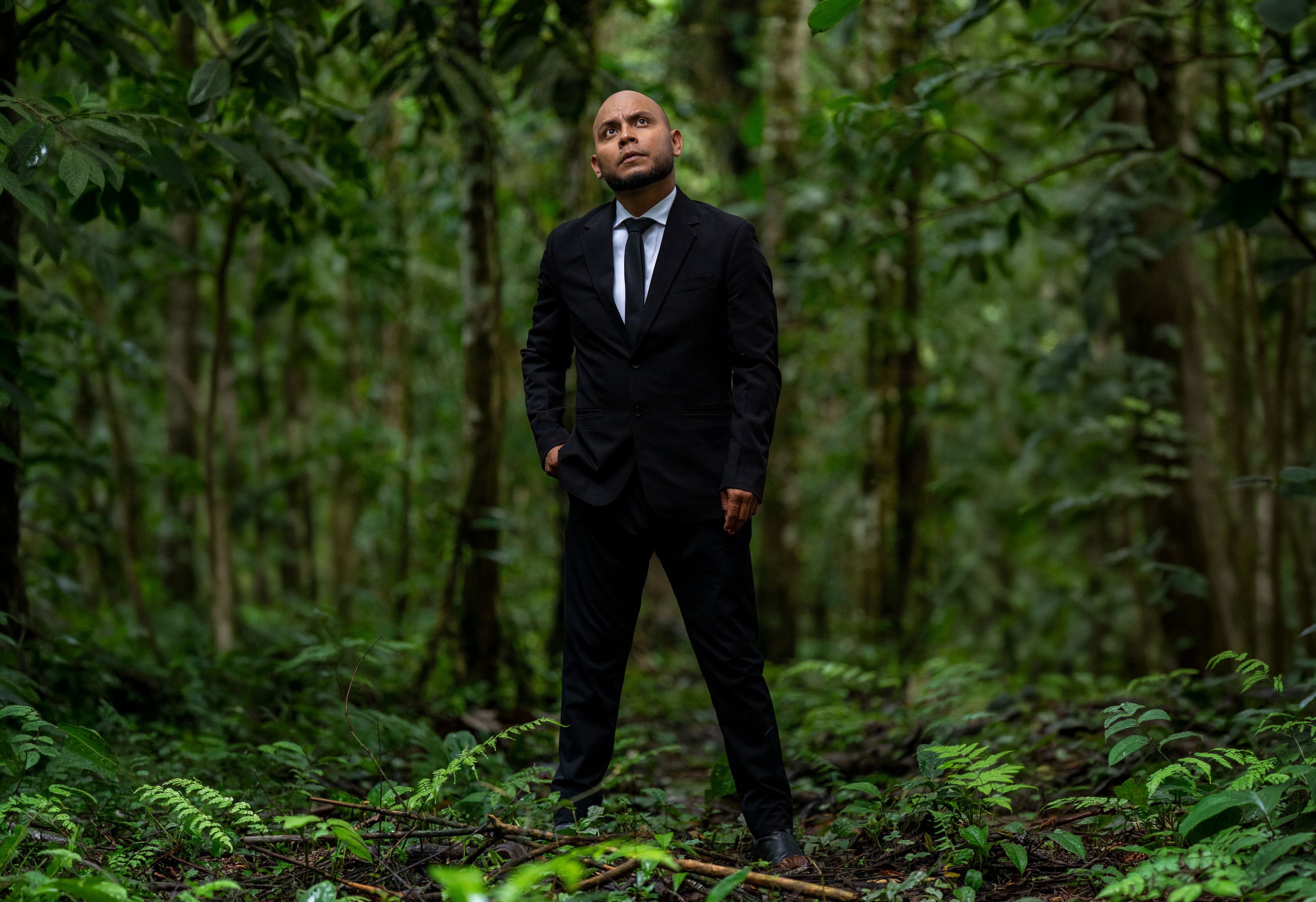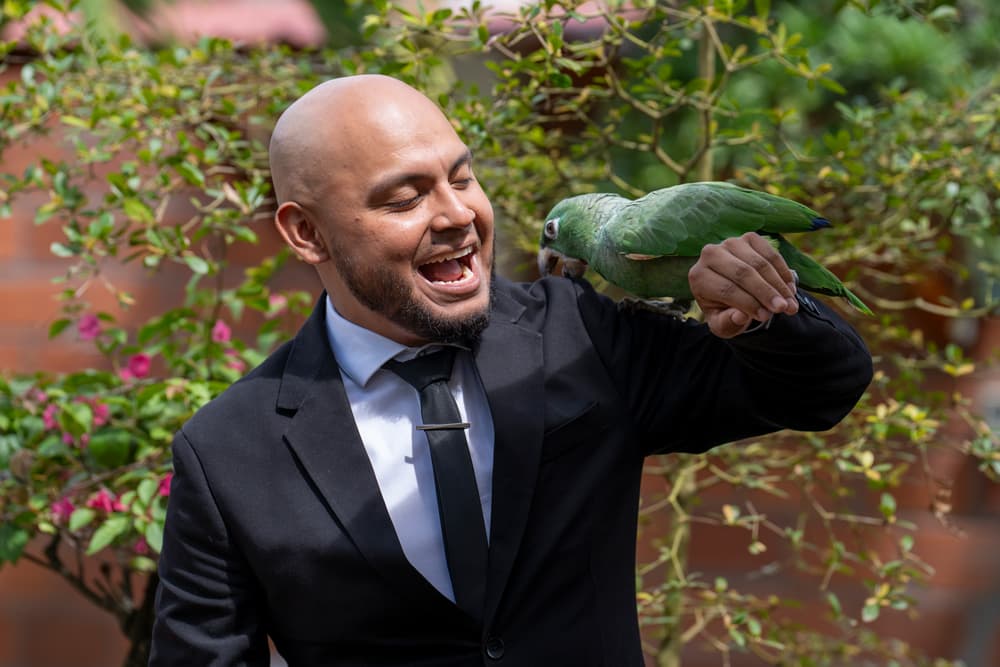
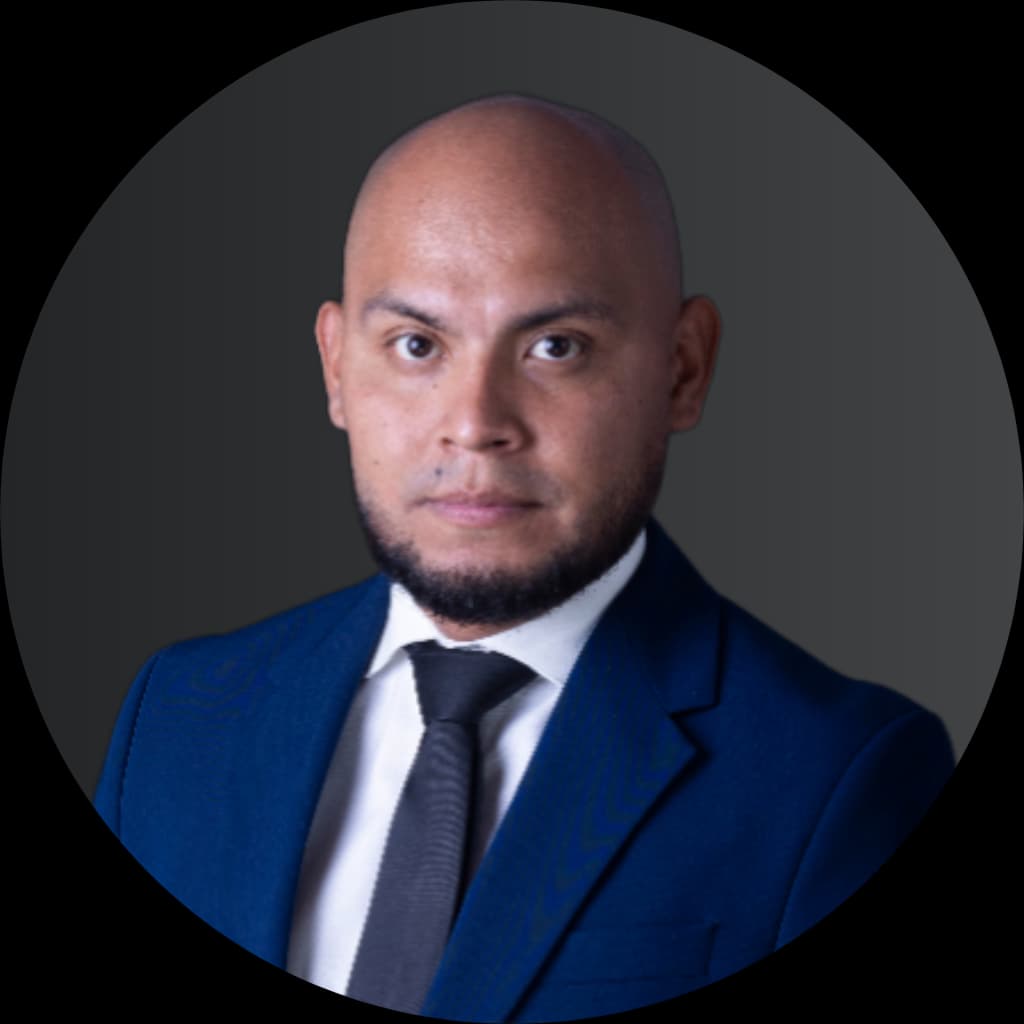
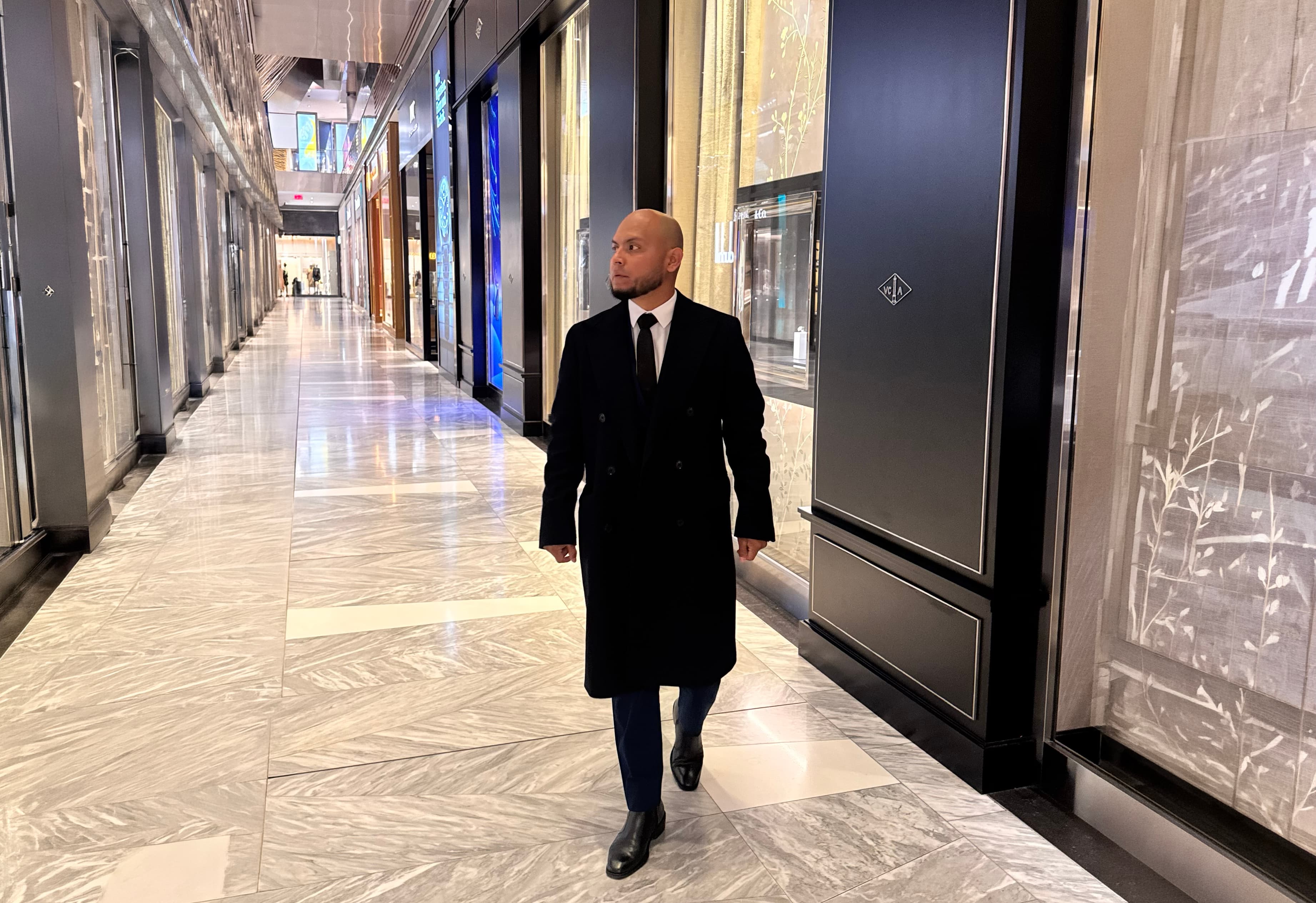
In February 2026, Marcelo Fernandez, CEO of Hortus Deliciarum, spent twelve days in New York City. The purpose was precise: a series of private meetings with representatives of private capital to present what Hortus Deliciarum structures and why it matters now.
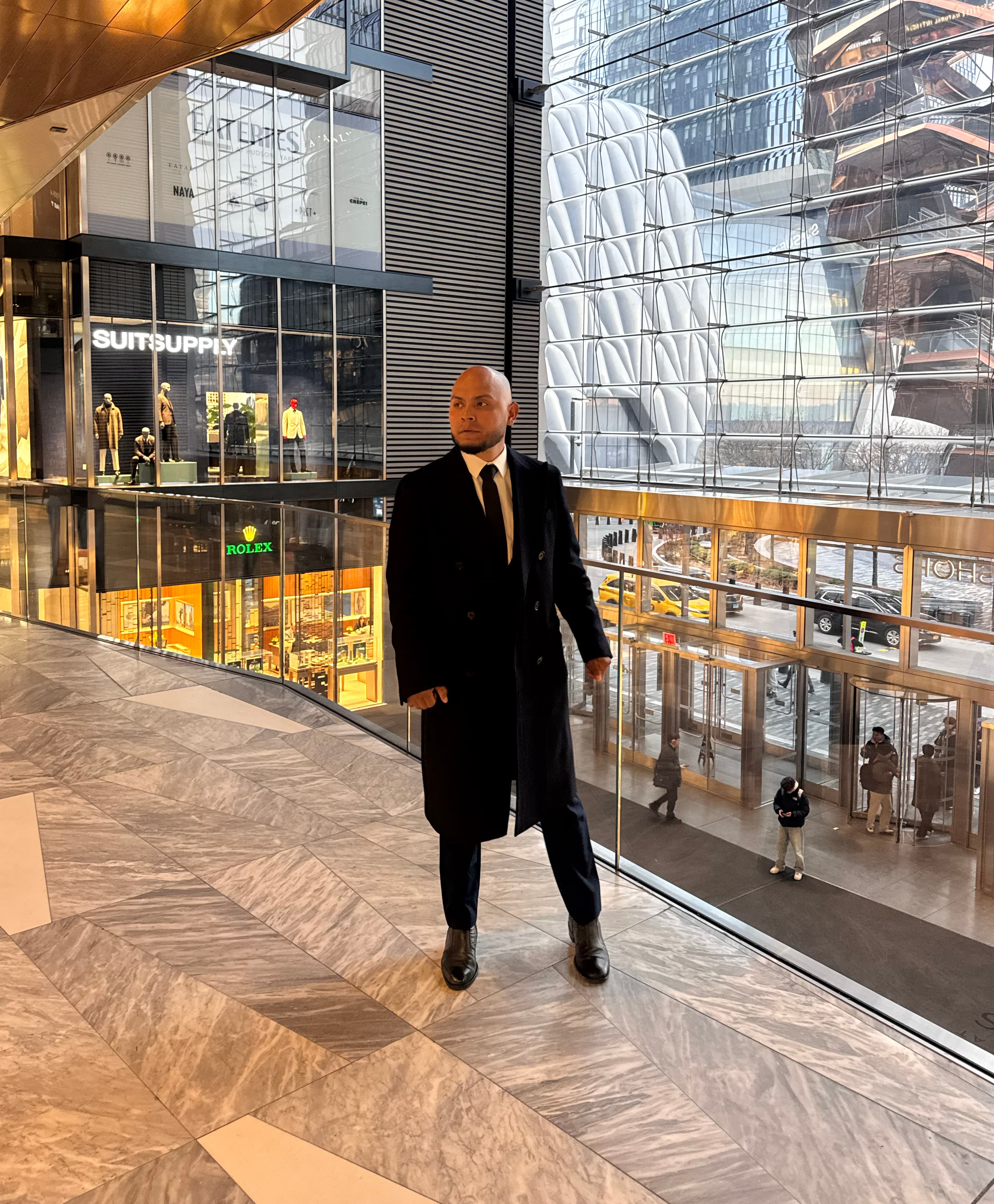
The setting carried its own weight. Hudson Yards, one of the most ambitious real estate developments in American history. Glass towers rising eighty stories. Every material selected, every angle engineered, every square meter optimized for return. Blocks away, the streets of SoHo, where a single storefront lease costs more per month than an acre of primary rainforest costs in its entirety. New York is the global benchmark for what capital can build. Marcelo came to present what capital cannot build and should not lose.
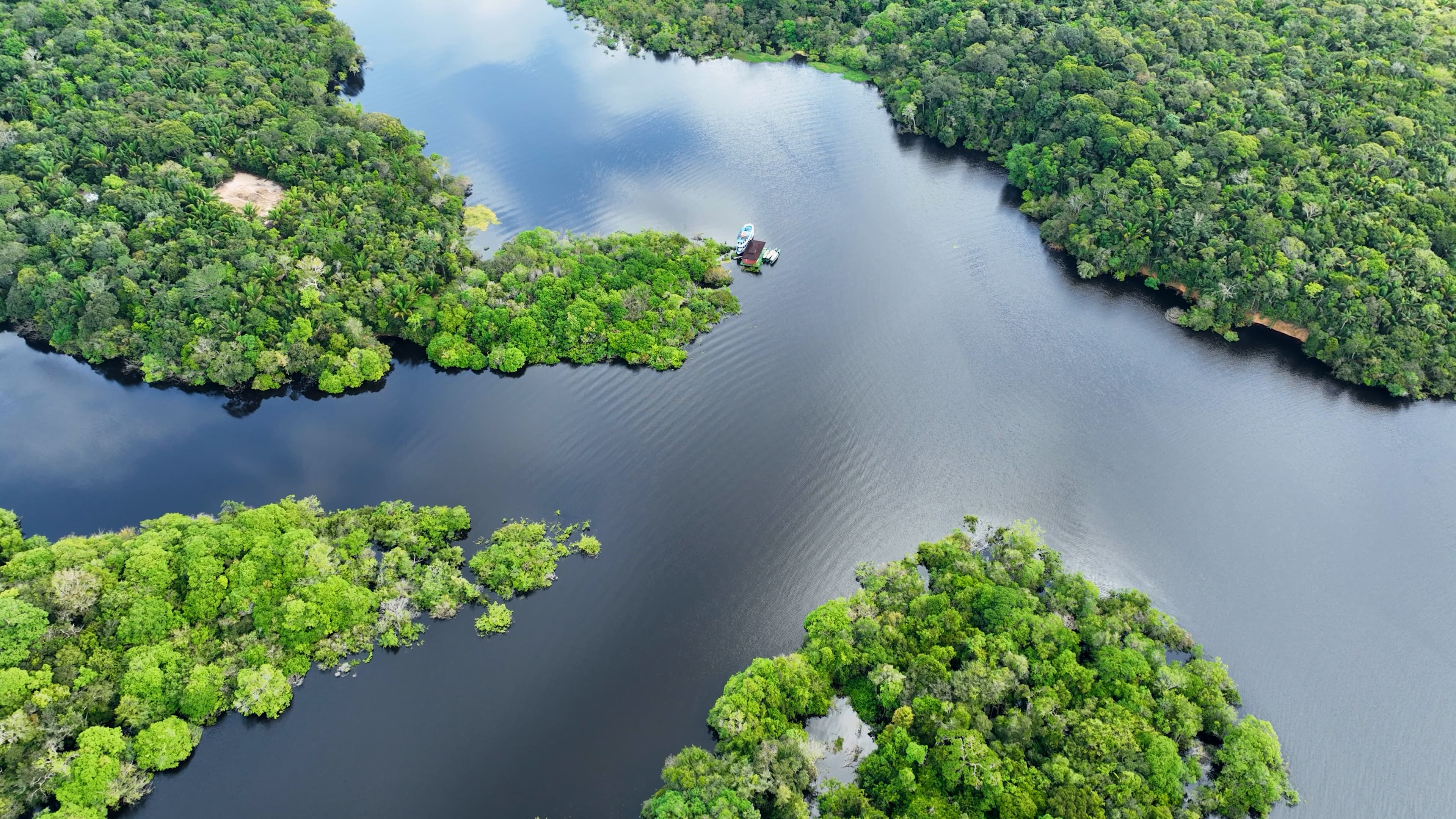
Hortus Deliciarum structures titled virgin rainforest in the Ecuadorian Amazon as permanently conserved patrimonial assets. The proposition is rooted in a convergence that is becoming difficult to ignore: intact ecosystems are declining globally, international regulation is tightening, financial institutions are beginning to integrate nature-related risk into their frameworks, and Ecuador remains the only country on Earth where nature holds constitutional rights. The window in which ecologically pristine, legally protected land can be secured is finite. That was the message Marcelo carried into every room.
The meetings were private and the participants were direct. Representatives of private capital asked the questions that matter: how the legal structure works, what title security looks like in Ecuador, how the constitutional framework protects against future policy shifts, and what distinguishes a Hortus Deliciarum property from conventional conservation models. These are not the questions of casual curiosity. They are the questions of serious evaluation, and the answers Hortus Deliciarum provides are built to withstand that scrutiny.
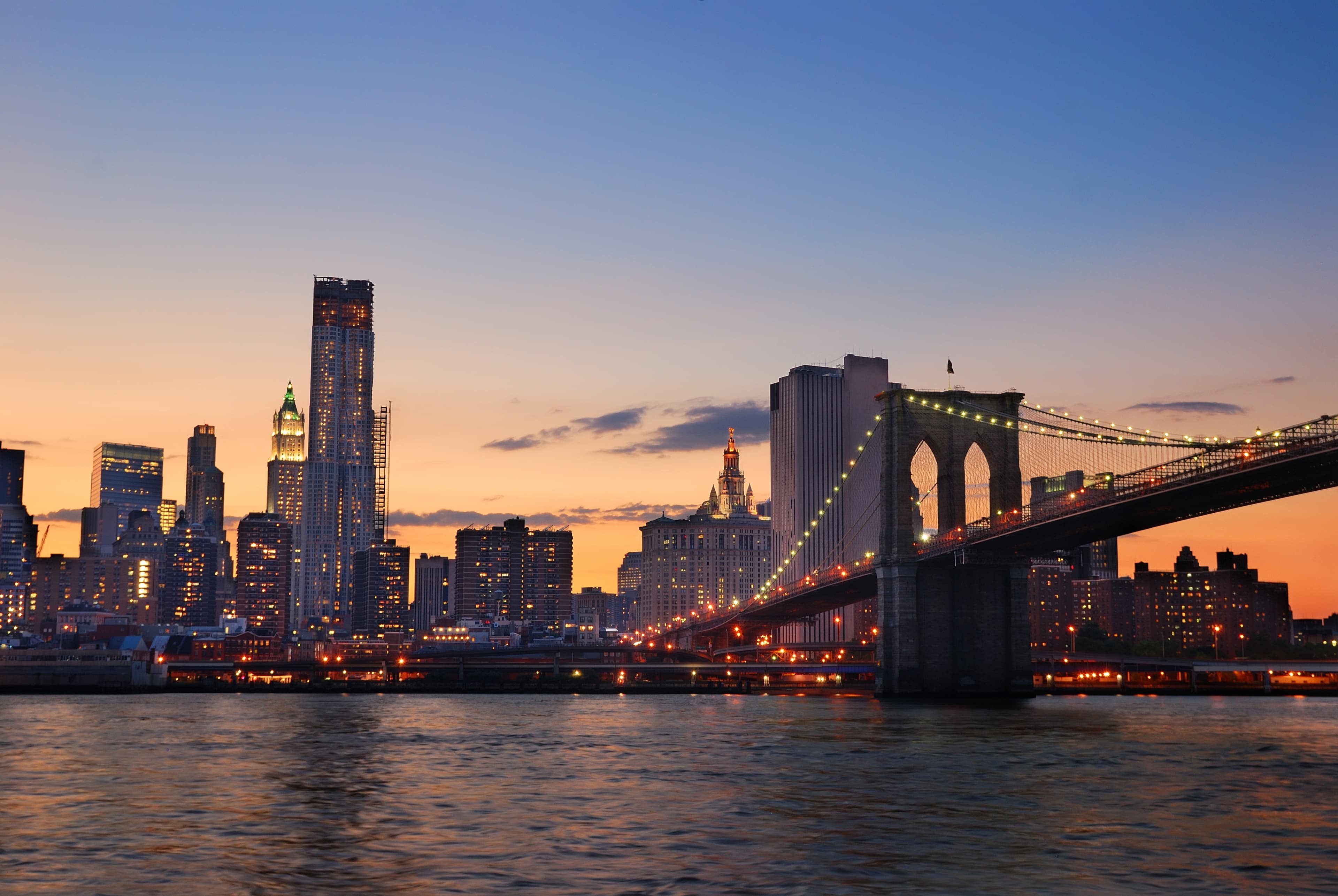
What emerged from those twelve days was a confirmation of what Hortus Deliciarum has observed across multiple markets. The interest is not abstract. There is a growing segment of private capital that has diversified across every conventional asset class and is now looking for something fundamentally different. Not another financial instrument. Not traditional real estate. An asset that is tangible, scarce, legally protected, ecologically productive, and that appreciates over time as the resource it represents becomes rarer. A primary rainforest meets every one of those criteria.
New York offered the contrast that defines the opportunity. Hudson Yards represents the pinnacle of what human engineering can achieve structures that begin depreciating the moment they are completed. The Ecuadorian Amazon represents what no engineering can replicate a system that has been perfecting itself for sixty-five million years and improves with every passing decade. One requires constant investment to maintain. The other requires only one thing: protection.
Marcelo returned to Ecuador the following week. The forest was exactly where he left it. Still producing oxygen, regulating rainfall, sustaining biodiversity, and generating ecological value without interruption and without cost. The conversations that began in New York will continue. The territory that Hortus Deliciarum protects is not waiting for the market to recognize its value. It is operating, as it always has, with or without an audience.
The difference now is that the audience is arriving.
© Hortus Deliciarum Strategic Conservation | Ecuadorian Amazon
Contac: info@hortusdeliciarum.org
This document is provided for informational purposes. Data and findings are sourced from peer-reviewed research. Hortus Deliciarum does not provide investment advice. Readers should conduct independent due diligence.