
Ecuador had its painter before it had its market what art priced before accounting could · Part II
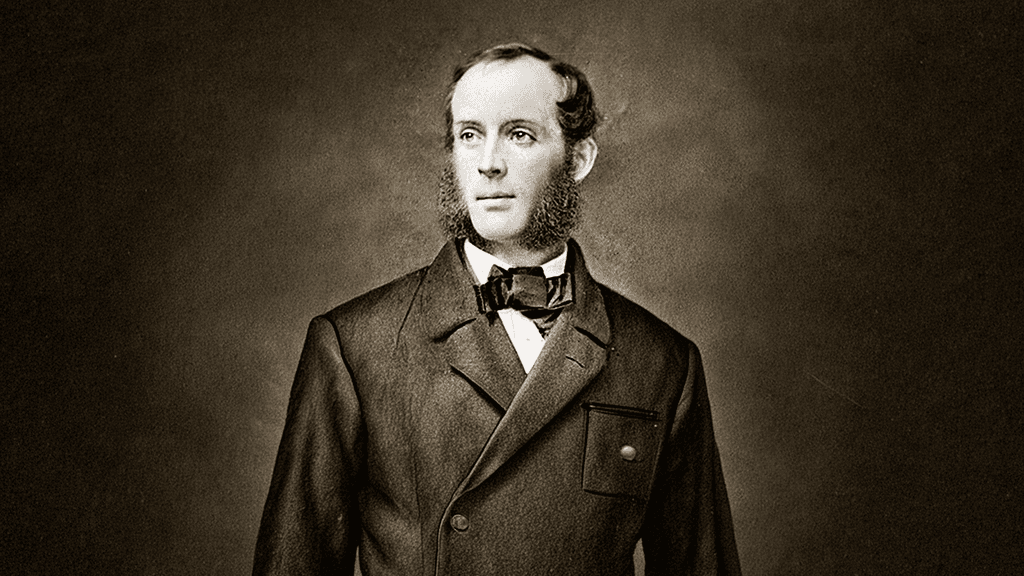
The first part of this analysis closed on a gap: in 1859 a New York public paid record sums to contemplate an Ecuadorian forest rendered as a subject, while no financial or legal instrument existed capable of assigning that same forest any value other than what could be extracted from it. The gap is worth examining, because it inverts the sequence normally assumed between markets and meaning.
The conventional assumption is that value is created by markets and subsequently perceived by culture. The Church episode suggests the opposite order. The recognition came first, and it came through the least quantitative discipline available. Humboldt's instruction to painters was, in substance, an argument about attention: that the tropics deserved to be observed with the same rigor granted to a specimen and the same reverence granted to a cathedral. Church executed that argument on canvas, and twelve thousand paying visitors ratified it. What was being ratified was not a transaction but a proposition that an intact tropical forest is a thing of the first order, worth crossing an ocean to see and worth queuing to look at.
The market, when it eventually responded, responded to the wrong object. It priced the representation, not the referent. The trajectory is instructive: in 1979, Church's The Icebergs sold at Sotheby's for two and a half million dollars, then the highest sum ever paid at auction for an American painting. Across one hundred and twenty years, the canvases appreciated into the millions. The ecosystems that made them possible remained, in accounting terms, undeveloped land valued by what could be cut from them rather than by what they were. A civilization proved perfectly capable of pricing the image of a forest long before it developed any capacity to price the forest.
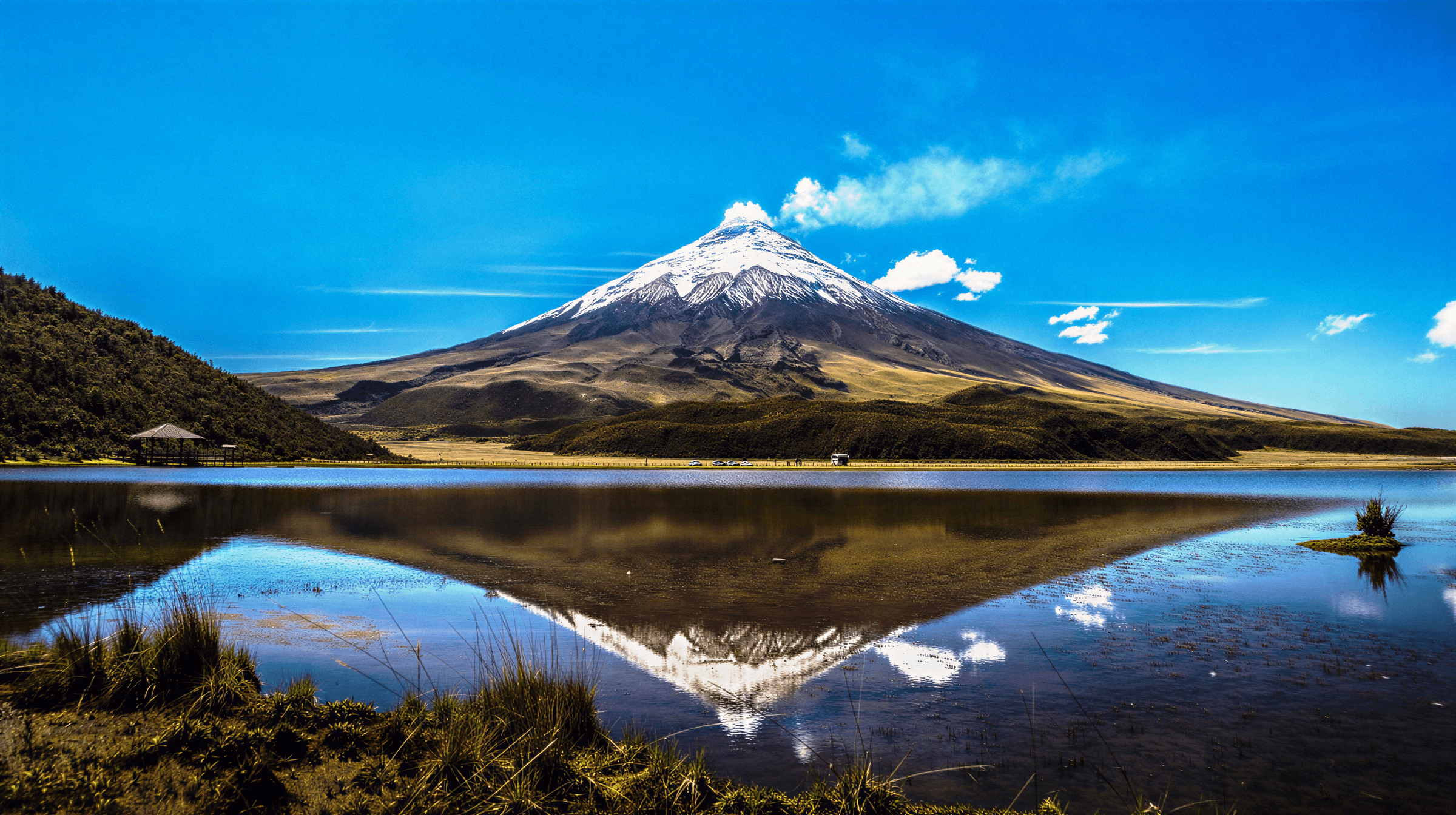
The correction, when it arrived, arrived from an unexpected direction and from the same territory Church had painted. In 2008, Ecuador became the first country in the world to recognize nature as a subject of rights in its constitution. Article 71 grants Pacha Mama, where life is reproduced and realized, the right to integral respect for its existence and for the maintenance and regeneration of its life cycles, structure, functions and evolutionary processes. The legal vocabulary is different from the pictorial one, but the operation is identical: to move the forest from the category of object to the category of subject. What Church did with composition in 1859, Ecuador did with constitutional law one hundred and forty-nine years later.
The financial instruments have followed the same trajectory, more slowly and with far more hesitation. Only in recent decades have frameworks emerged that attempt to express, in numbers, what a standing forest contributes: carbon permanence, hydrological regulation, biodiversity. These are, in the strict sense, late translations. They are attempting to render in accounting language a proposition that a painter had already made legible, and that a public had already been willing to pay for, a century and a half earlier.
The practical implication is not sentimental. It is a statement about timing. When recognition of value precedes its formal pricing by generations, the interval between the two is where the mispricing lives — and mispricing, for capital with a long enough horizon, is not a problem but a condition. The relevant question is therefore not whether an intact forest will one day be priced as what it is. It is who was looking at it correctly first, and who was still looking when the instruments finally caught up.
Church crossed half the world in 1853 and again in 1857 to look at this land, and he did not paint it as a background. He painted it as the subject. That the market required another one hundred and fifty years to arrive at the same conclusion says less about the forest than about the market.
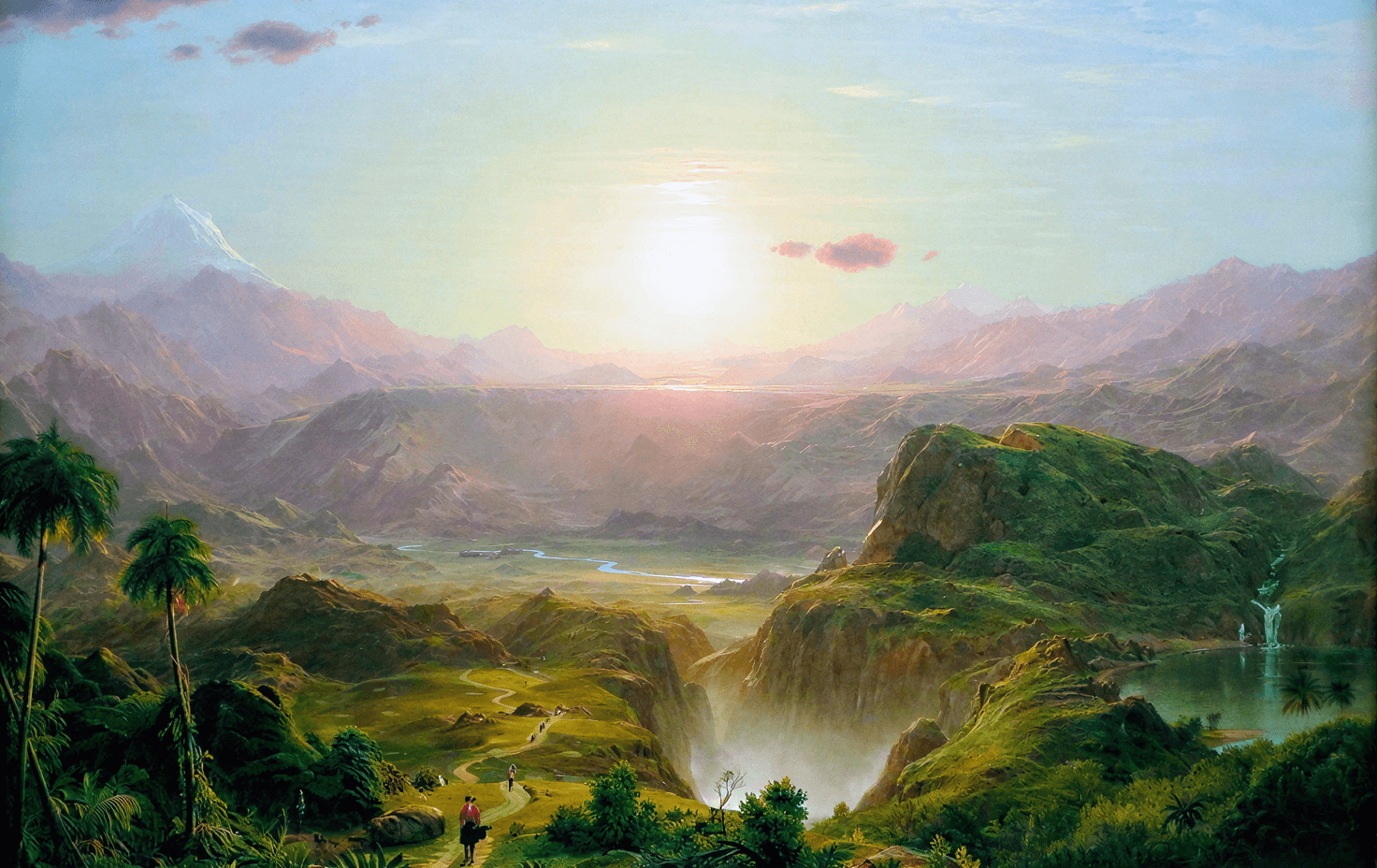
SOURCES The Metropolitan Museum of Art — The Heart of the Andes (1859): exhibition, attendance, sale price, 1909 bequest · Detroit Institute of Arts — Cotopaxi (1862) · Alexander von Humboldt, Cosmos (1850) and Personal Narrative (1852) · Church's voyages of 1853, with Cyrus West Field, and 1857, with Louis Rémy Mignot · Sotheby's New York — sale of The Icebergs, October 1979 · Constitution of Ecuador, Article 71 (2008).
© Hortus Deliciarum Strategic Conservation | Amazon
This document is provided for informational purposes. Data and findings are sourced from peer-reviewed research, government records, and verified scientific publications.