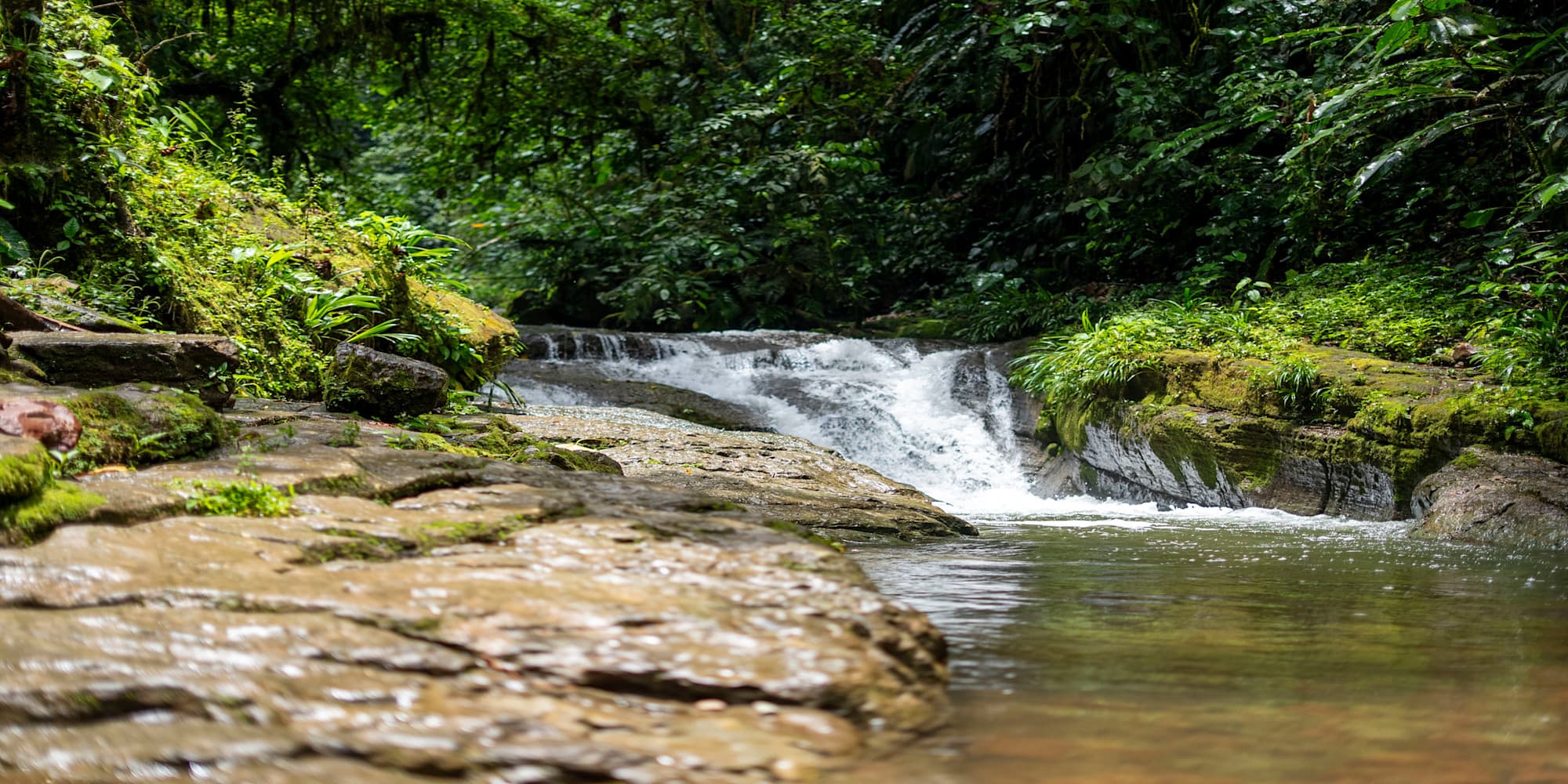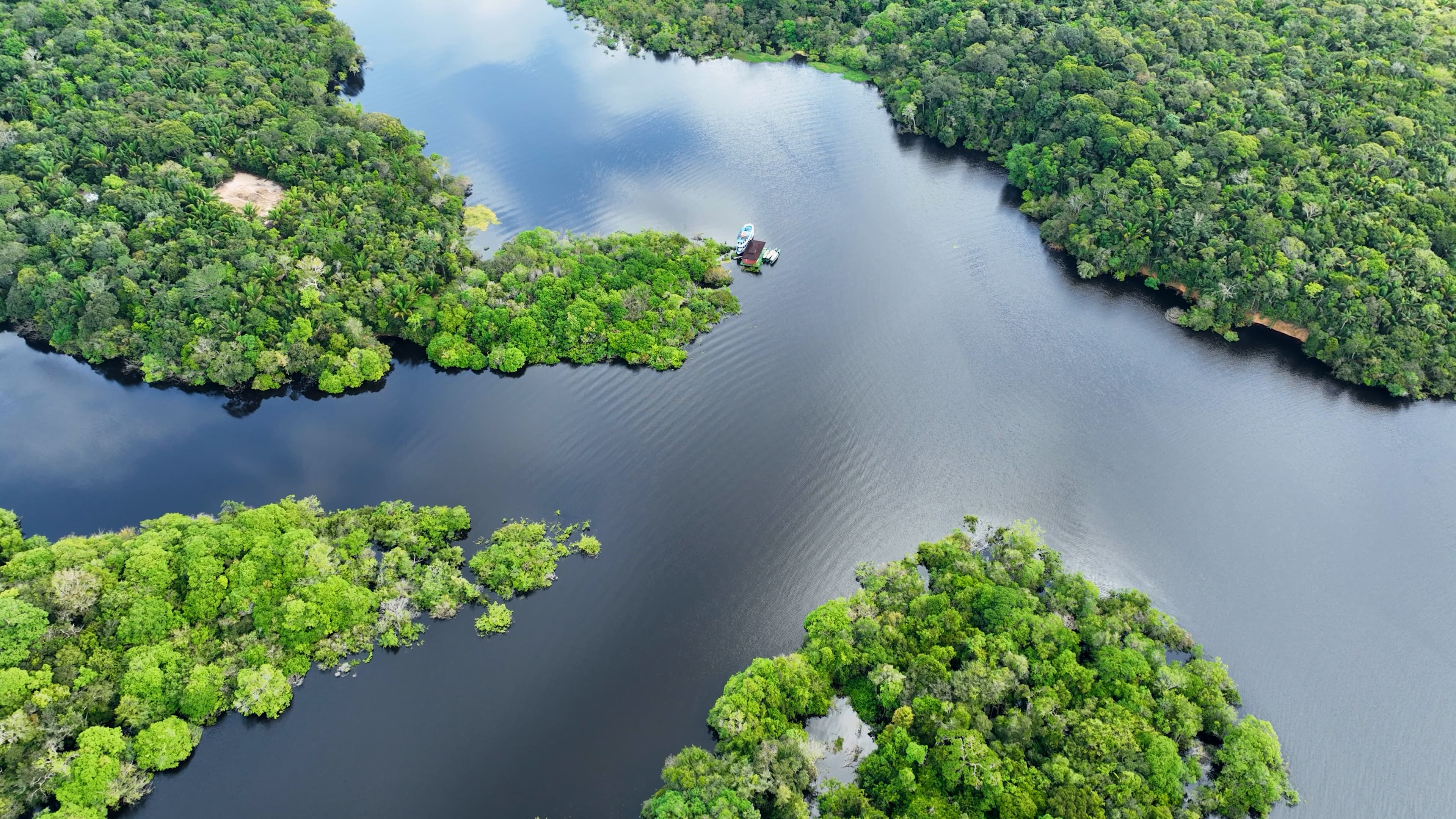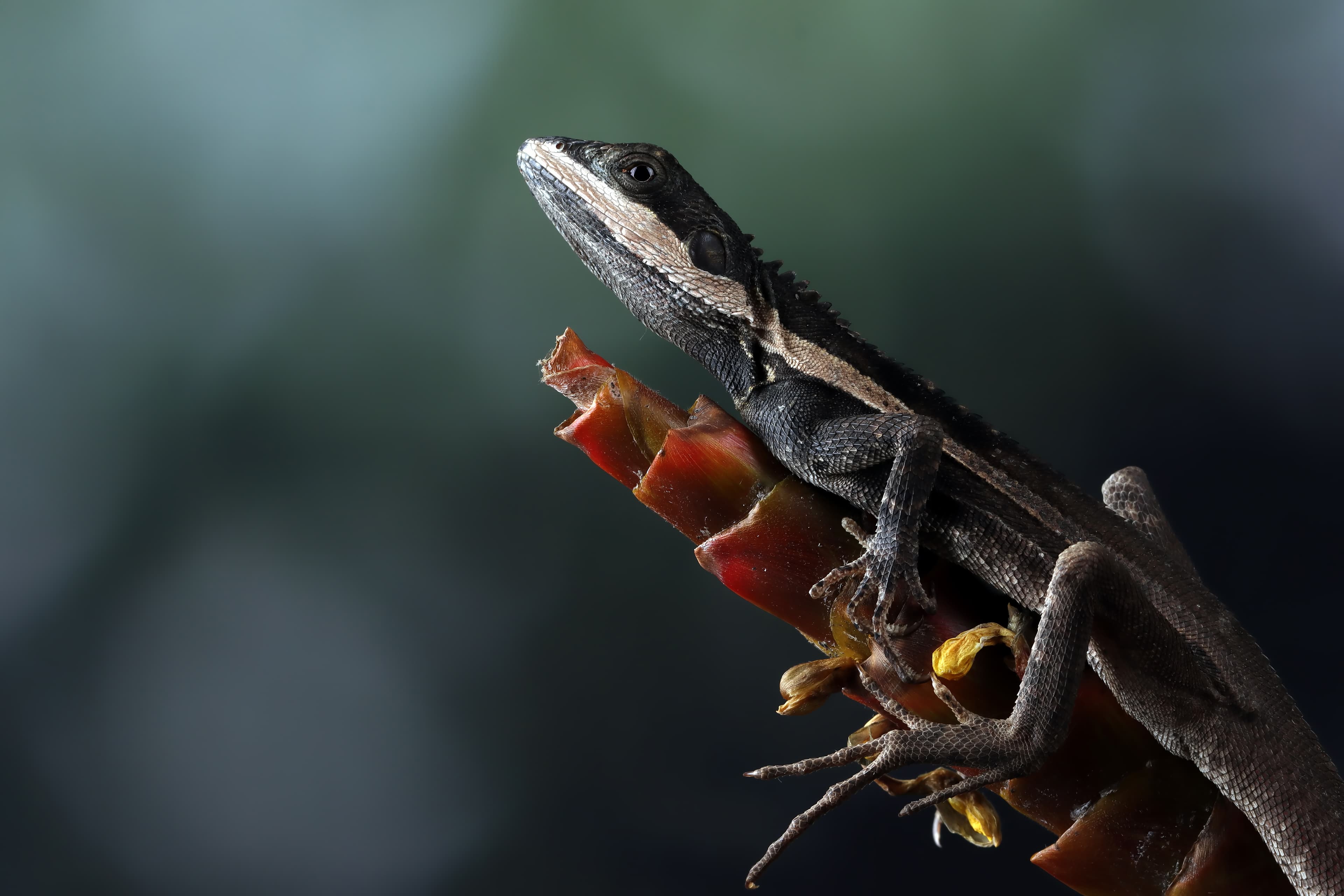

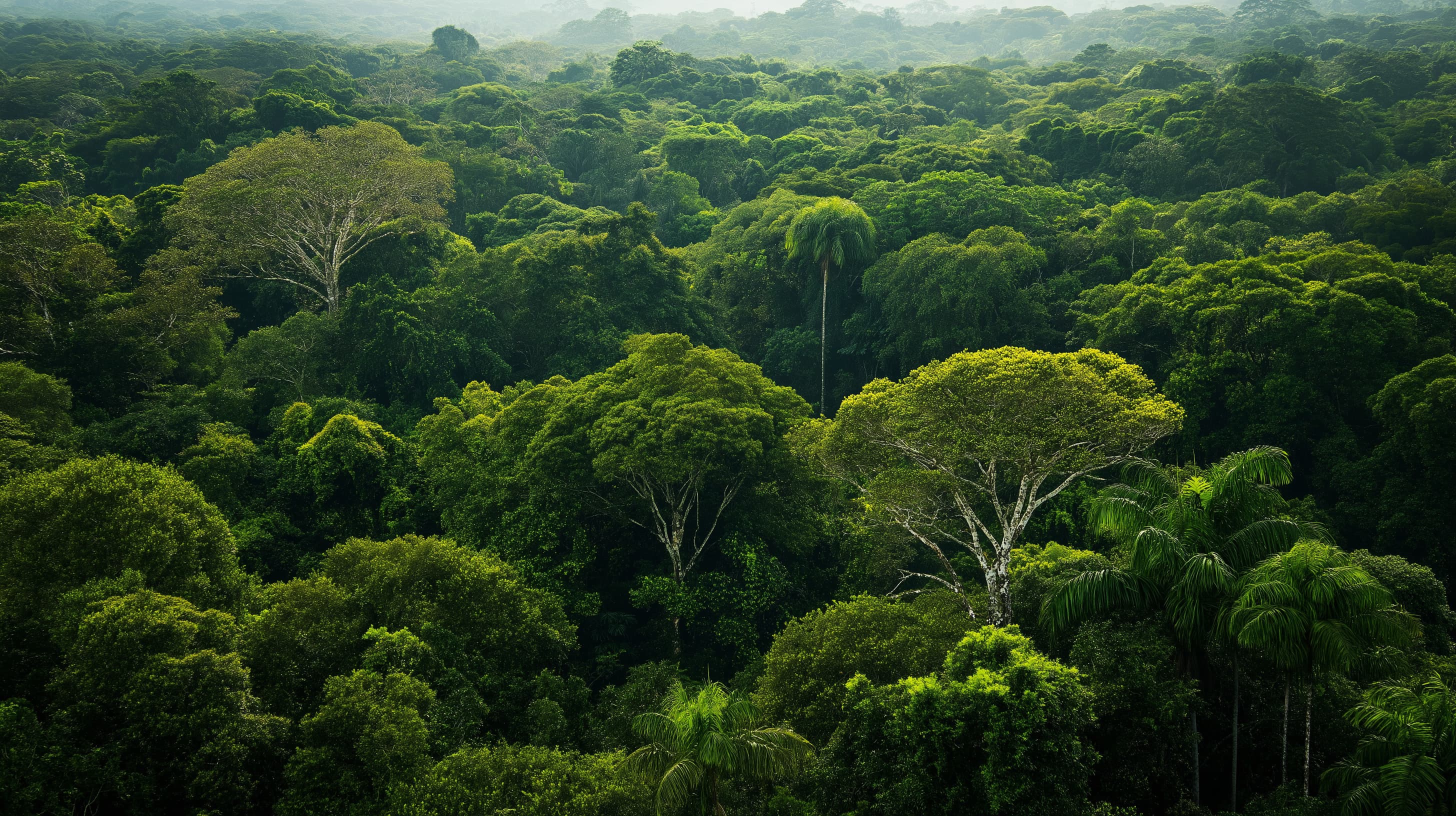
The Amazon, which spans territories in Brazil, Peru, Colombia, Bolivia, Venezuela, Ecuador, and Guyana, constitutes the most extensive and diverse tropical biome on the planet, covering more than 6.7 million square kilometers. This ecosystems not only regulates the global climate but also houses a living biological laboratory, where every plant, fungus, or microorganism represents an oppurtunity for pharmacological, energy, and, biotechnological innovation.
However, its integrity faces growing threats: deforestation, illegal mining, and agricultural and urban expansion. According to the Monitoring of the Andean Amazon Project (MAAP, 2024), the region loses over 1,5 million hectares of forest each year, puting a genetic heritage of incalculable value at risk.
The Pharmaceutical and Biotechnological Capital of Latin America
More than 60% of modern pharmaceuticals originate from natural compounds.
From morphine ( Papaver somniferum) to quinine (Chinchona officinalis, native to the Peruvian Andes), Western medicine has historically depended on tropical biological knowledge.
The Latin American Amazon, despite covering only 4% of the global land sourface, is home to more than 25% of all the planet`s species, many of which have not yet been scientifically described. In just one hectare of rainforest, over 400 to 600 plant species can be found, each with potential bioactive compounds such as:
Alkaloids with analgesic, anxiolytic, or antimalarial effects ( Psychotria, Banisteriopsis, Ucrania).
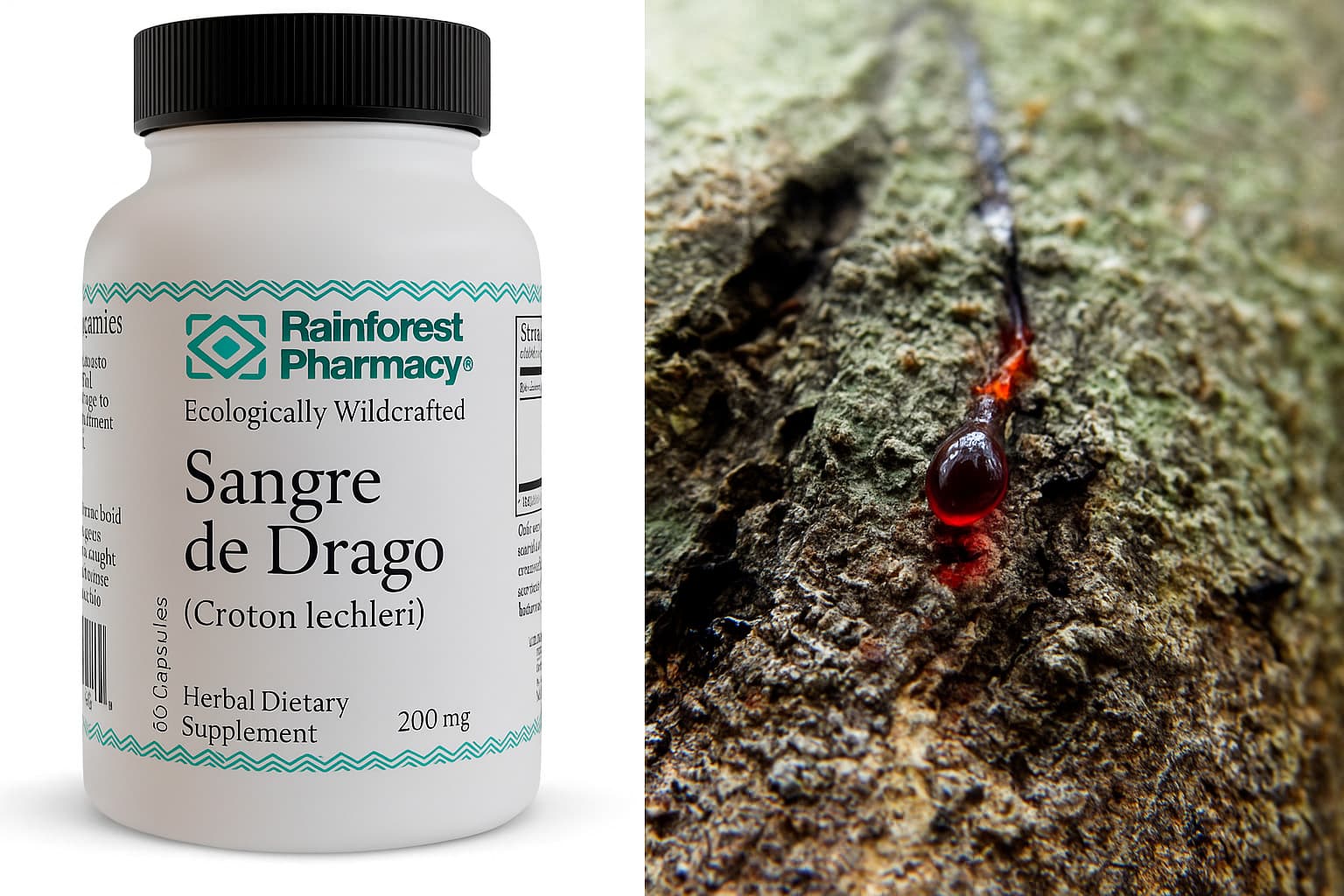
Terpenoids and flaconoids with antitumor and antioxidant properties (Croton lechleri, "dragon`s blood ")
Lactones and bioactive peptides with antibiotic or antiviral potential, of interest in tropical pharmacology. Red substance that comes from a tree in the Ecuadorian Amazon
Each molecule is a unique evolutionary outcome. Conserving the rainforest is equivalent to preservering a priceless chemical library.
Bioprospecting and Biotechnology: From the Jungle to the Laboratory
The development of synthetic biology, genomics, and artificial intelligence applied to drug discovery now allows for the reproduction of metabolic pathways from plants and fungi in laboratory microorganism, reducing pressure on wild species.
Countries like Brazil, Peru, and Ecuador have implemented responsible bioprospecting policies under the Nagoya Protocol, which promotes the fair and equitable sharing of benefits arising from the use of genetic resources. This trend marks the beginning of a bioeconomy, where conservation becomes an engine for development.
An Alternative to expansive urbanism.
As cities expand, a new investmet model is emerging: acquiring and restoring land for conservation. This approach redefines property, transforming land into an ecological and scientific asset that generates value through
ecosystem services such as:
Carbon capture and storage ( up to 200 tons per hectare in mature forests).
Regional water and climate regulation
Pollination and fertility of surrounding agricultural soils.
Genetic conservation useful for biomedical and agricultural research.
Green investment funds and public-private partnerships in Latin America are beginning to value nature as techological infrastructure, not as an extractive resource.
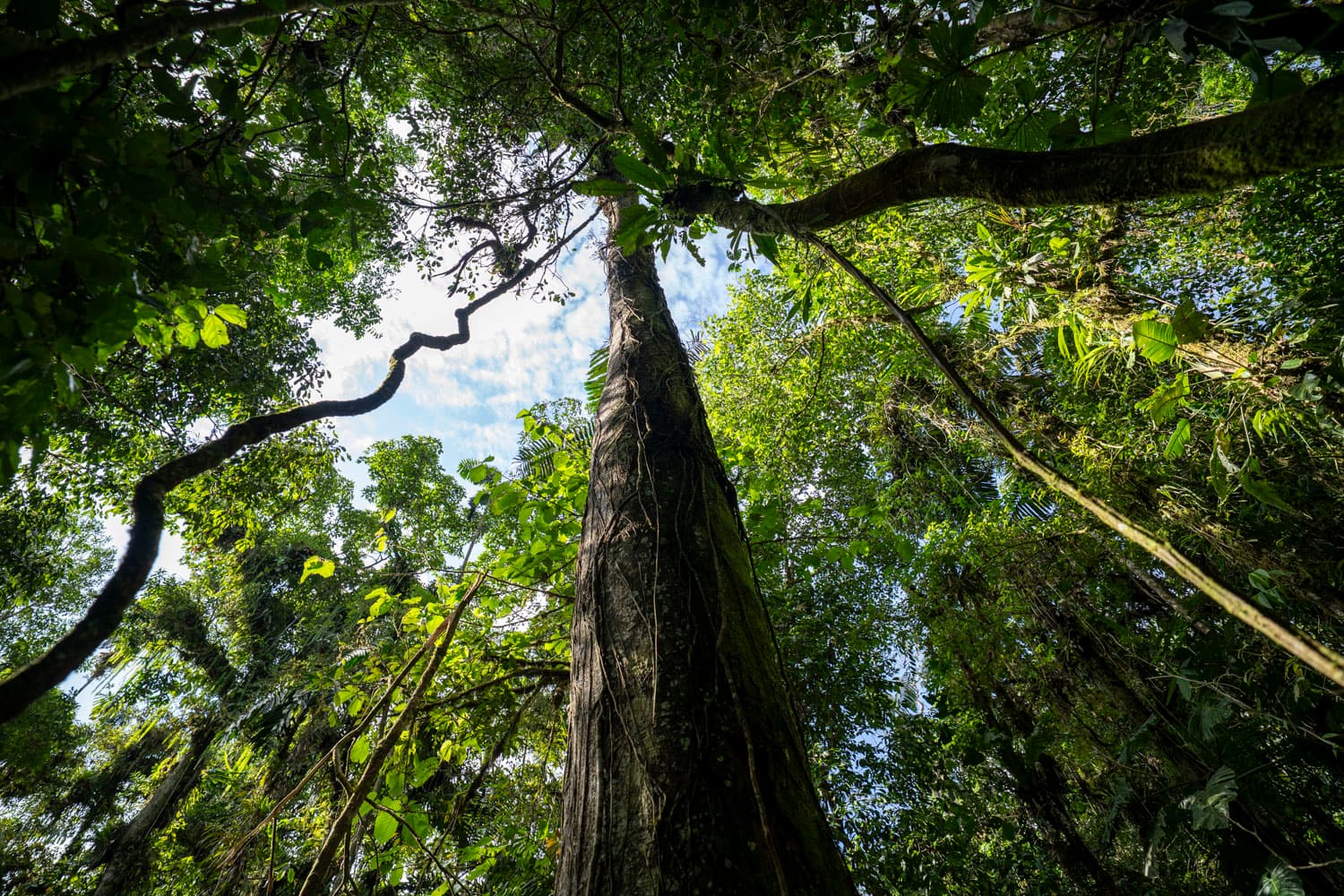
Applied science to acestral knowledge.
The Shuar, Kichwa, Shipibo-Konibo, Yanonami, Yagua, Ticuna, and other Amazonian guardians possess medical and botanical knowledge documented over generations.
This ancestral knowledge, far from being folklore, constitutes the empirical foundation for a large of modern medicine.
Concrete examples:
Banisteriopsis caapi, the base plant of ayahuasca, contains β-carbolines used in modern neuropsychiatric studies.
Croton lechleri, traditionally used as a healing agent, gave rise to the drug Crofelemer, approved by the FDA to treat gastrointestinal conditions.
The dialogue between ethomedicine and biotechnology is driving a model od ethical pharmacological innovation, which recognizes the intellectual and cultural rigths of Amazonian communities.
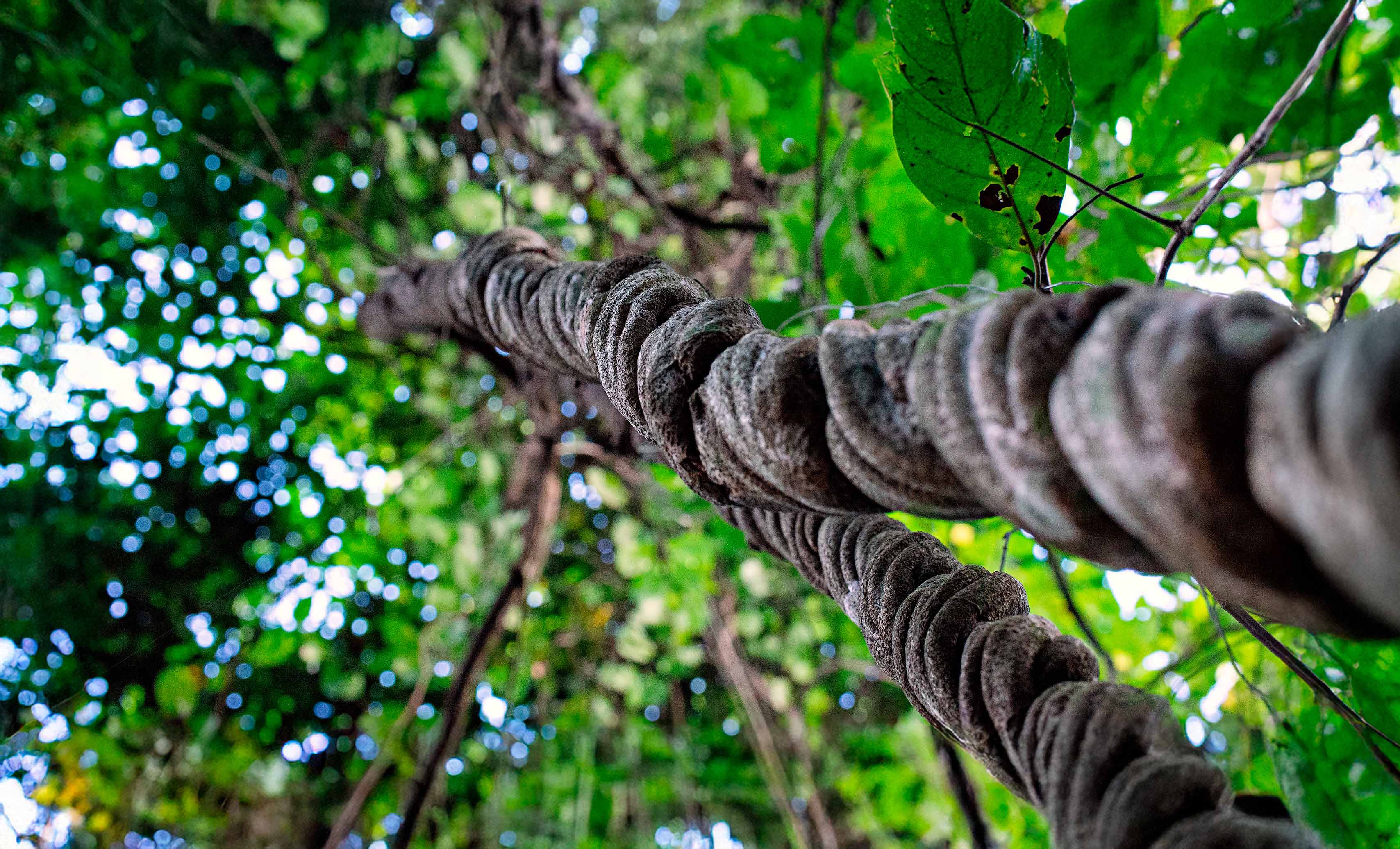
The Amazon: The Living infrasctucture of the 21st Century
Intact ecosystems function as natural laboratories, where millions of molecular interactions generate new chemical defenses. Their destruction implies the irreversible loss of genetic information. In scientific terms, every felled tree is a molecule that will never be discovered.
Studies by the European Molecular Biology Organization (EMBO, 2023) confirm that tropical regions with the greatest microbial diversity are the most promising for the discovery of new antibiotics, which are crucial in the face of the global bacterial resistance crisis.
Furthermore, artificial intelligence systems applied to drug desing requiere vast molecular databases that can only be obtained from living ecosystems like the Amazon.
Every protected hectare in the Latin American jungle represents a productive unit of knowledge, carbon, and biodiversity. Conservation ceases to be a philanthropic act and becomes a decision where science, ethics, and investment converge.
Perserving it is not an idealistic gesture: it is a strategic decision that connects 21st-century biotechnology with the planet`s most sophisticated biological heritage.
© Hortus Deliciarum Strategic Conservation | Ecuadorian Amazon
Contac: info@hortusdeliciarum.org
This document is provided for informational purposes. Data and findings are sourced from peer-reviewed research. Hortus Deliciarum does not provide investment advice. Readers should conduct independent due diligence.