
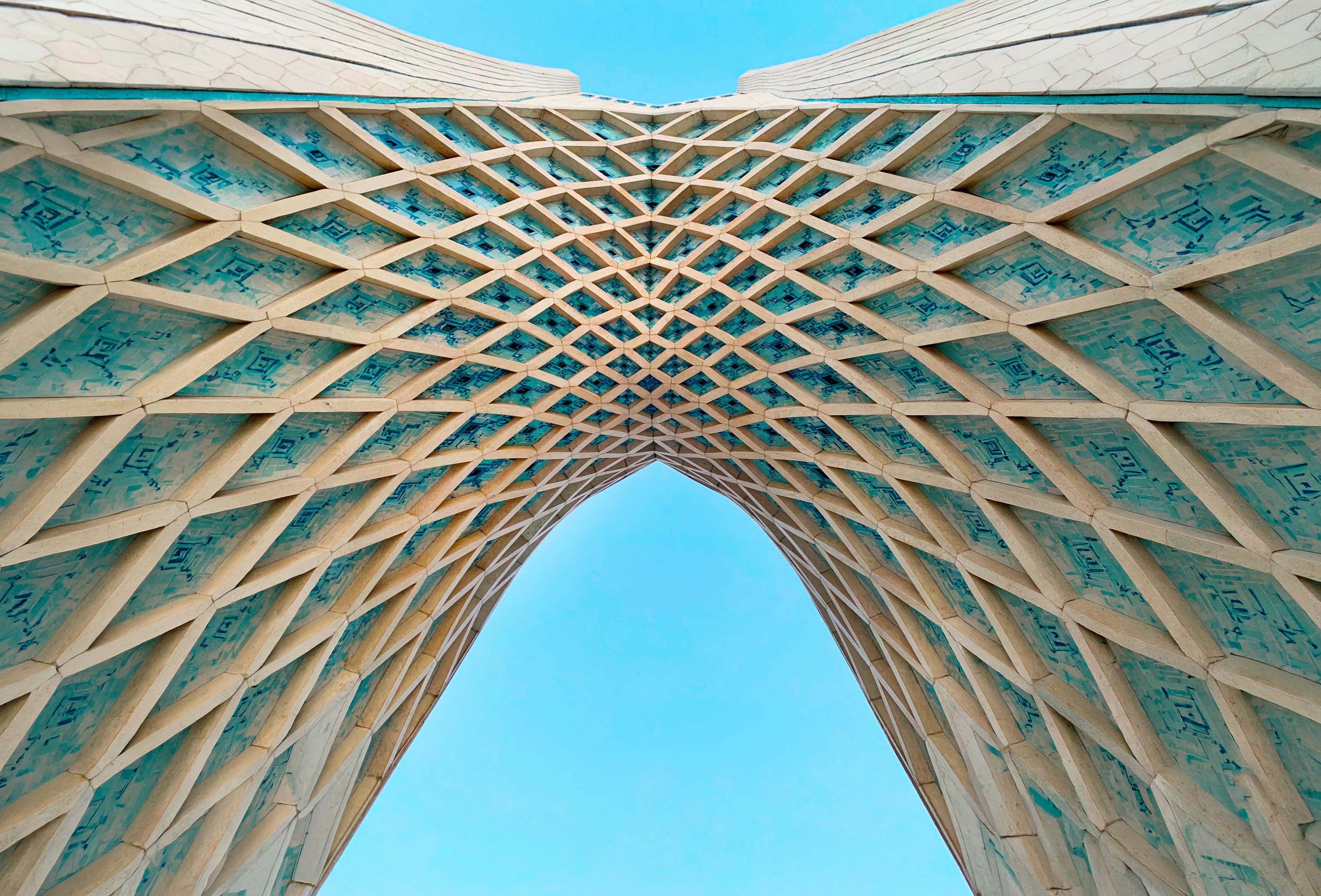
Ultra-luxury has always pursued the perfect form. From the architectural lines of Zaha Hadid to the contours of a Bugatti Chiron, the global elite chases one constant: the curve that seduces because it exists in absolute harmony with its purpose.
But there is a truth the luxury industry is only beginning to recognize. Nature perfected those curves first.
Consider a haute couture model on a Paris runway. Every proportion, every line refined through years of selective genetics, disciplined training, precise nutrition. The result is form that communicates opulence, health, exclusivity. Now consider a centuries-old tree in the Amazon rainforest. Every curve of its trunk, every branching, every contour perfected through centuries of evolutionary pressure and relentless natural selection. The result is form that communicates something the runway cannot: permanence.
Both are manifestations of extreme refinement. Both communicate absolute exclusivity. Both are results of relentless selection. The difference is duration. A model has perhaps fifteen years at the pinnacle. A centuries-old tree has five hundred years perfecting its form and will continue for five hundred more.
Contemporary luxury design constantly draws from natural geometries. In fashion, organic lines that flow like water, textures that mimic bark, colors extracted from exotic plumage. In architecture, biomorphic structures replicating rock formations, facades that breathe like skin. In automotive design, aerodynamics inspired by birds of prey, curves reflecting the surface tension of water.
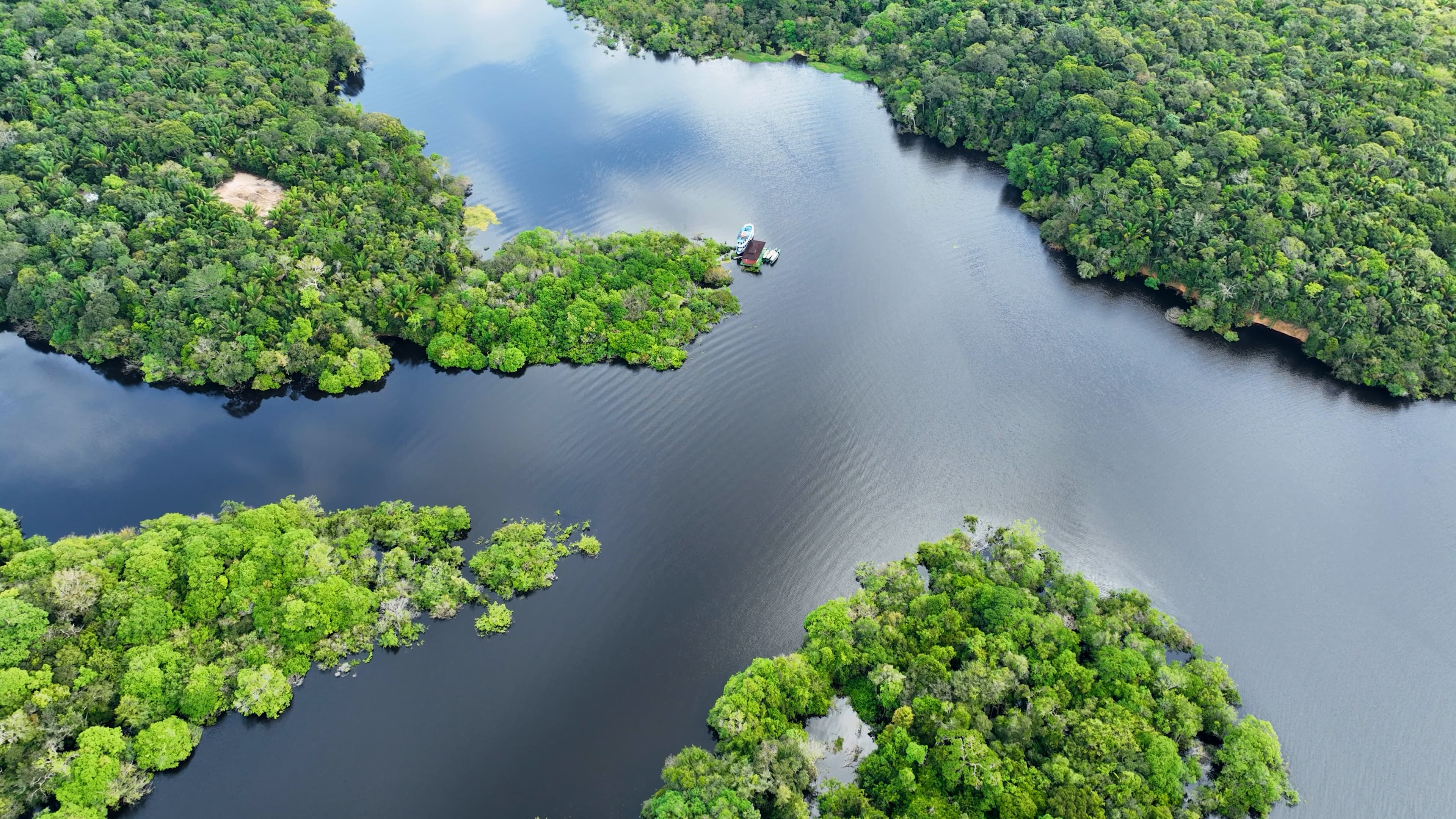
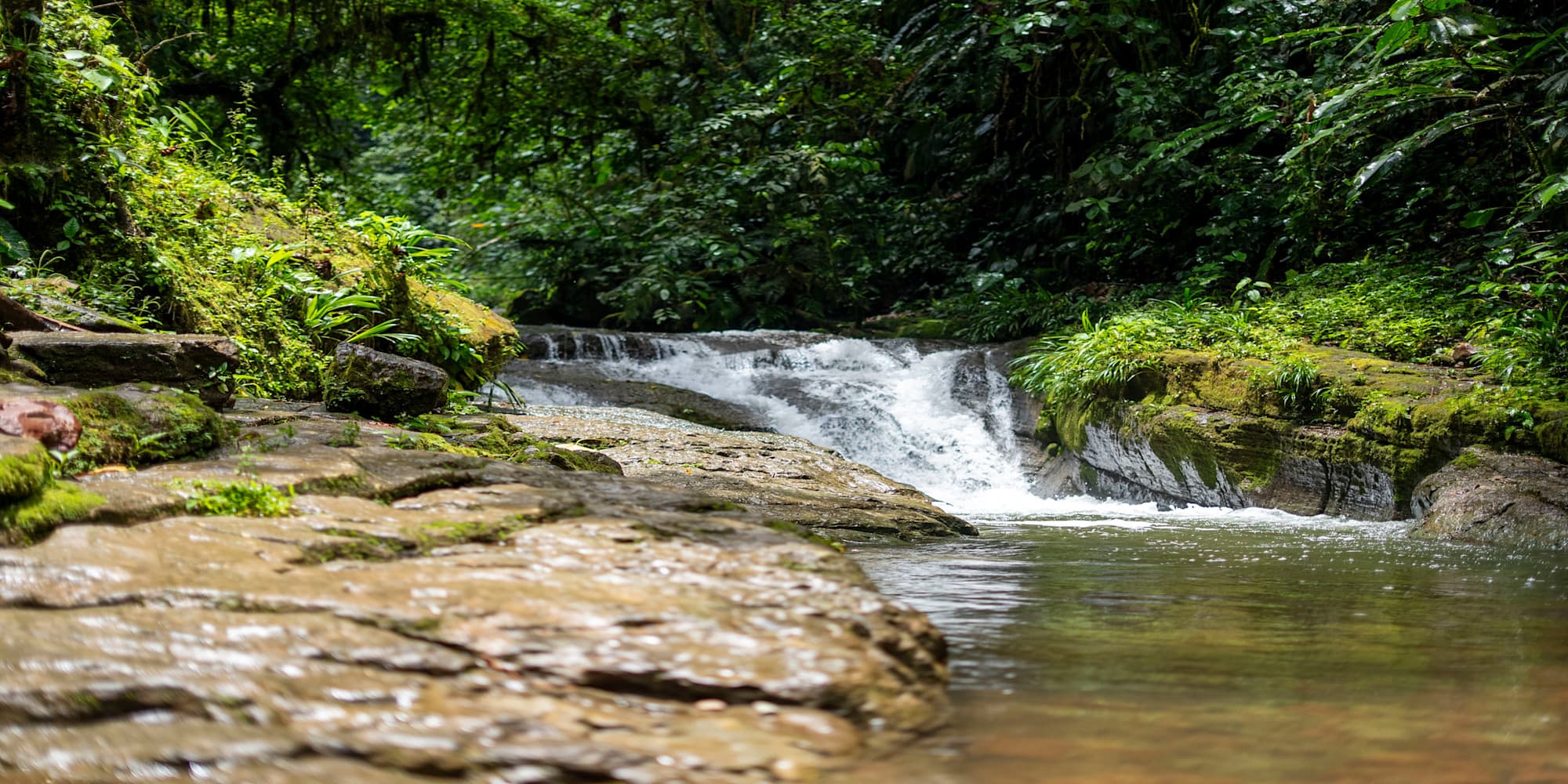
The reason is simple. Nature does not design to impress. Nature designs to function perfectly and that functional perfection is inherently beautiful. A haute couture dress may require three hundred hours of manual work to create a single perfect curve. An Amazon tree invests two hundred years perfecting the curve of its trunk without a single moment of human intervention. A luxury automobile may cost three million dollars, its lines sculpted in wind tunnels for thousands of hours. An Amazon river carves stone for millennia, creating curves that optimize hydraulic flow with precision no engineer can match for free.
Nature does not create beauty as a byproduct. Beauty is the evidence that the design works.
For centuries, luxury was measured by the capacity to construct. Versailles and its geometric gardens. Skyscrapers defying gravity. Yachts with hulls sculpted by world-renowned designers. The message was always the same: look what we can build.
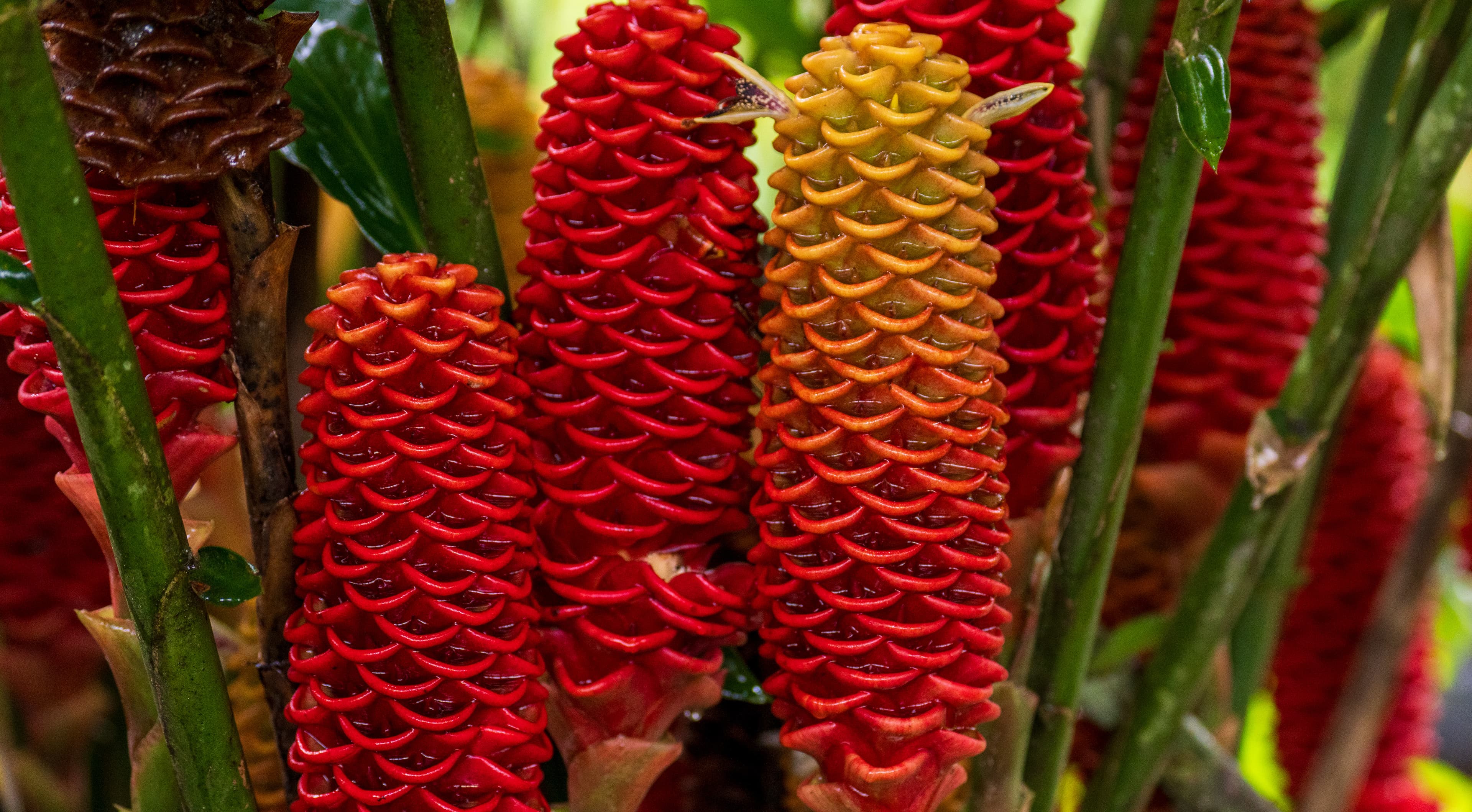
But twenty-first century ultra-luxury recognizes a more sophisticated truth. The most perfect form already exists and cannot be replicated. The curves of an Amazon river carving stone for a thousand years. The contours of giant roots embracing soil in fractal patterns. The silhouette of a forest canopy where each tree has negotiated its space with its neighbors for decades.
These forms were not designed. They were optimized. And that optimization represents a level of sophistication no design atelier can match. Perfection without ego. Beauty without artifice. Elegance without effort.
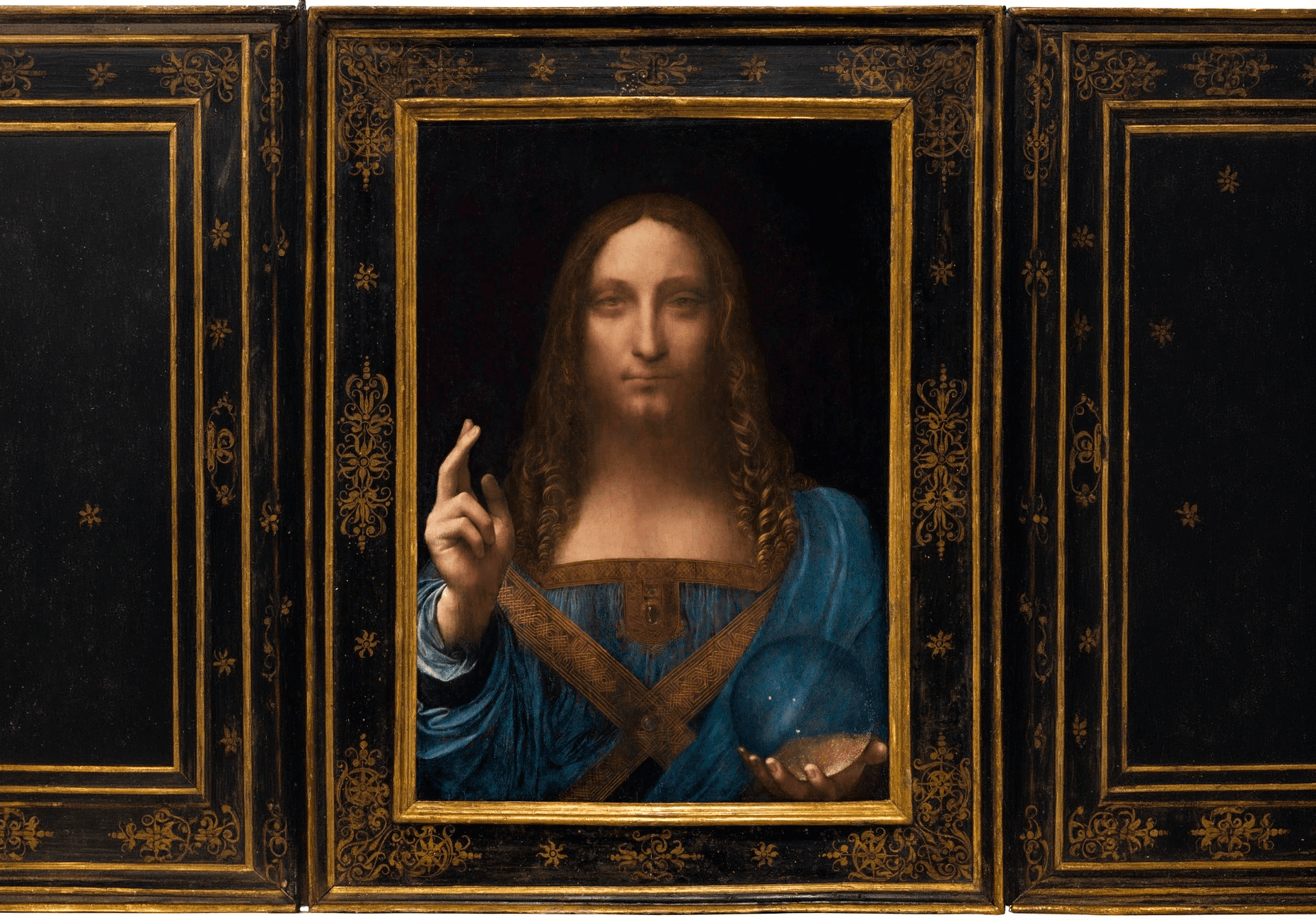
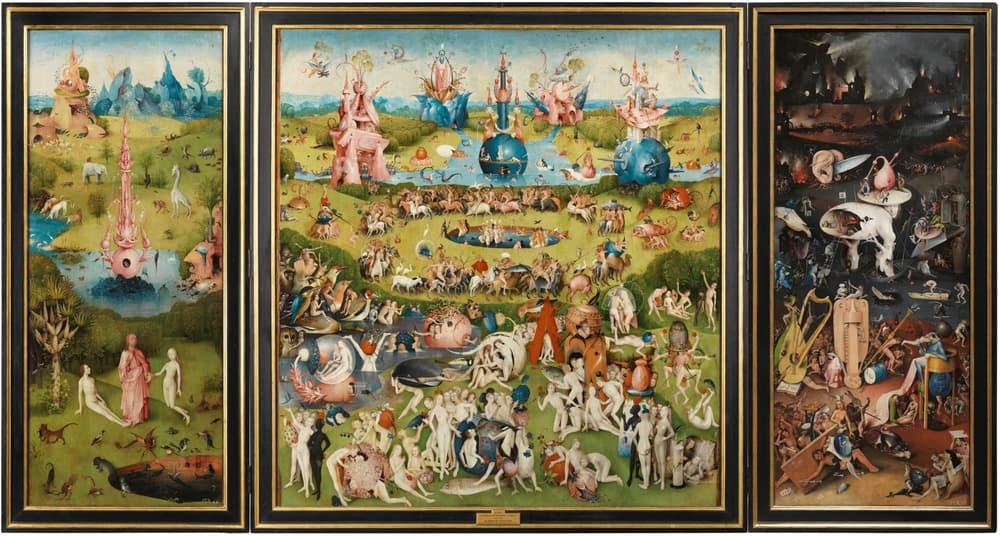
A contemporary sculpture may sell for fifty million dollars at auction. A virgin ecosystem generates living sculptural forms continuously and each one is functionally perfect, not merely aesthetically pleasing. A Vogue photo shoot costs half a million dollars and generates images that last one season. A virgin forest generates sensory experiences continuously, at no cost, without deterioration, without obsolescence.
The paradigm is shifting. Old luxury said: I own a penthouse designed by Norman Foster. The new standard says something different: I protect ninety-eight acres of virgin rainforest where forms have been perfected over millennia and no architect can replicate what I witness.
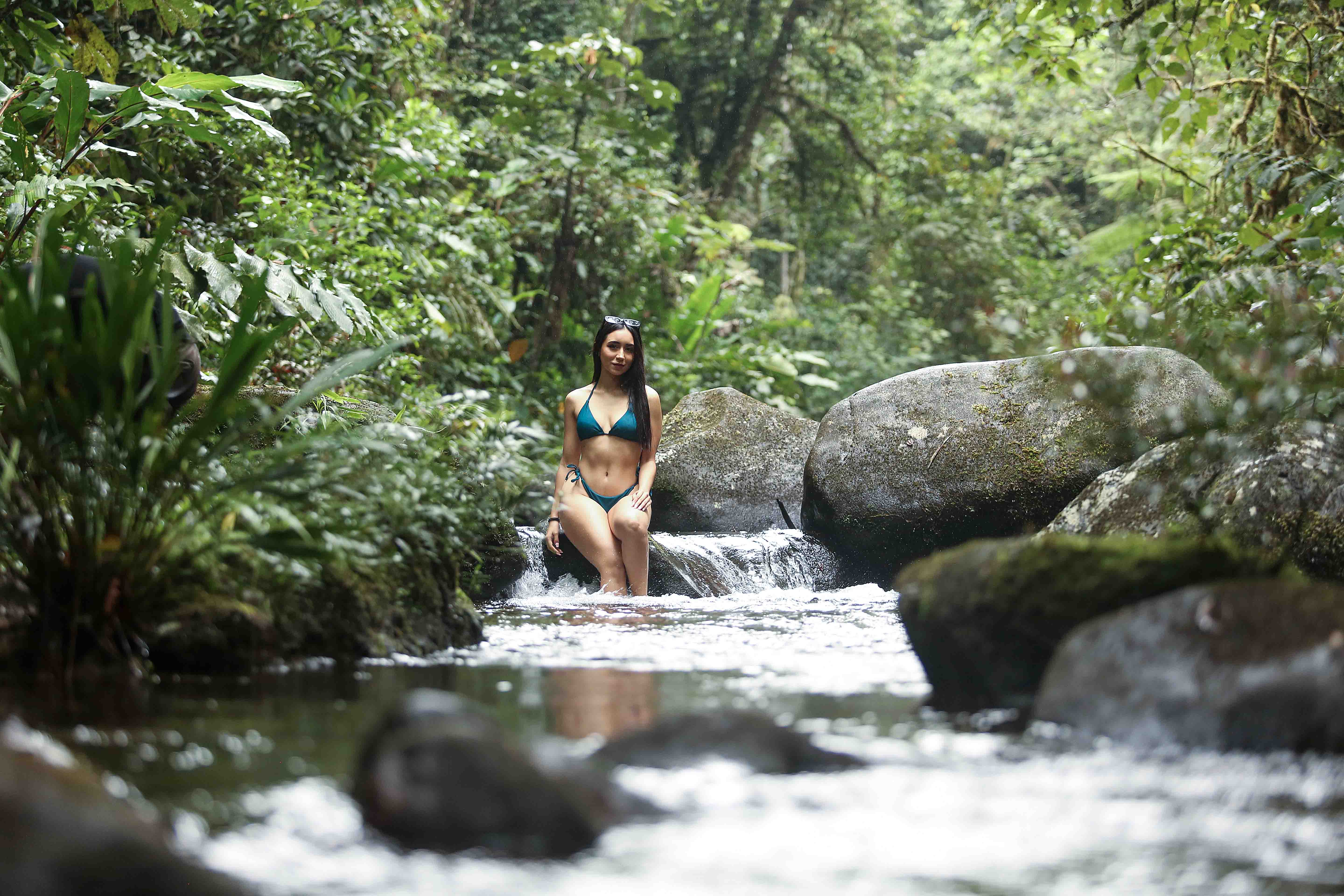
Old luxury collected art that represented nature. New luxury protects the nature that inspired all art.
There is no contradiction between appreciating the elegance of a model on a runway and recognizing the formal supremacy of an intact ecosystem. The distinction is not aesthetic it is temporal. A dress is worn once, preserved in a closet, eventually deteriorates. A virgin forest is used every day producing oxygen, regulating climate, sustaining biodiversity and it improves over time. A model ages. An ecosystem matures. A photograph captures a moment. A virgin territory is the moment continuously, eternally.
The most coveted curves are no longer on Milan runways. They are in ecosystems that the global elite is just beginning to recognize as the ultimate luxury asset.
At Hortus Deliciarum, we understand that ultra-luxury is not about owning the most beautiful form. It is about protecting forms no human can create. You can buy a dress that flows like water or you can protect the river whose curves inspired that dress. You can collect photographs of perfect bodies in natural settings or you can hold the natural setting where perfection occurs without cameras, without art direction, without artifice.
Twenty-first century ultra-luxury is not measured by what you can build. It is measured by what you have the wisdom not to alter. The most perfect forms do not need designers. They need guardians. The most elegant curves are not in showrooms. They are in virgin forests waiting to be protected by those who understand that supreme beauty is not created it is preserved.
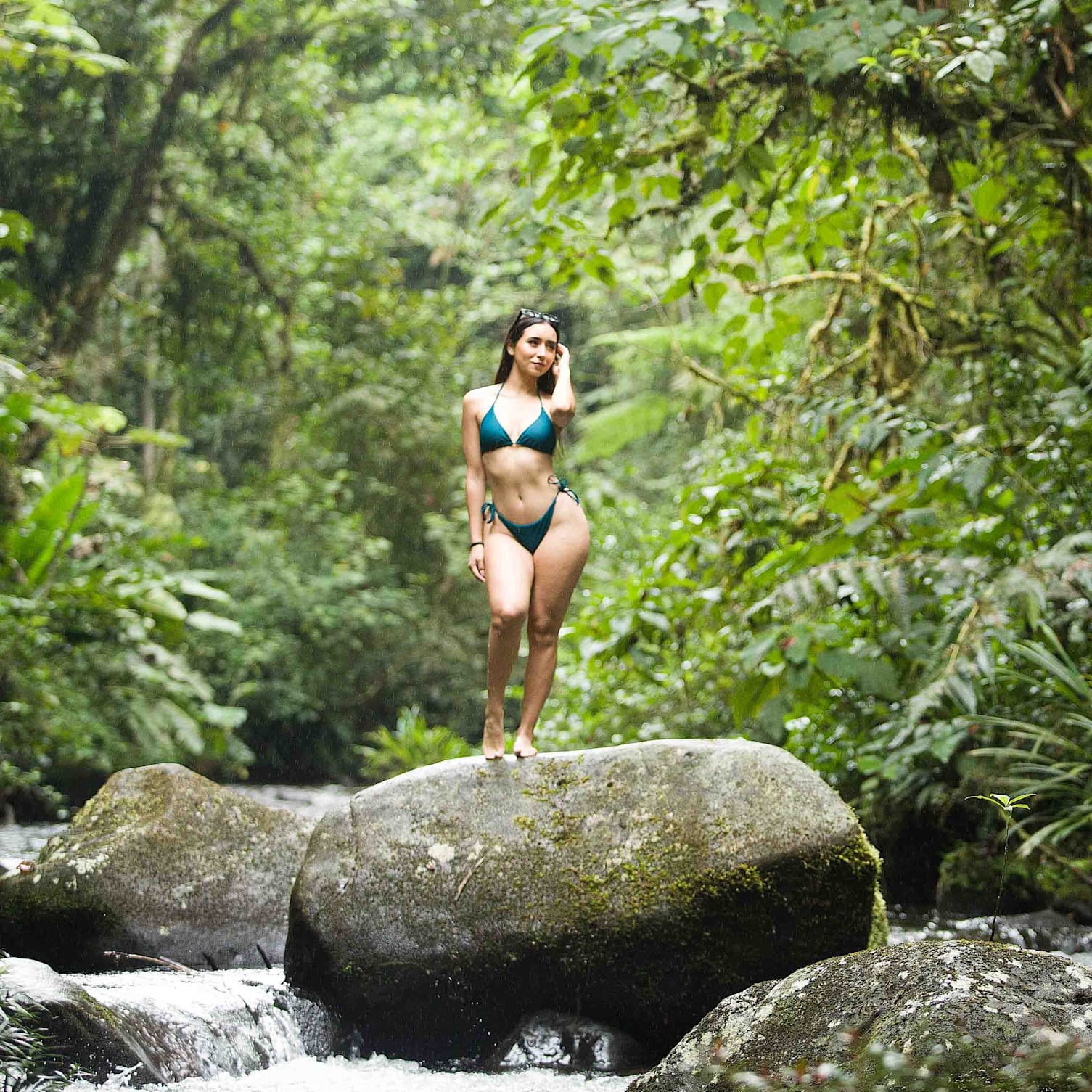
© Hortus Deliciarum Strategic Conservation | Ecuadorian Amazon
Contac: info@hortusdeliciarum.org
This document is provided for informational purposes. Data and findings are sourced from peer-reviewed research. Hortus Deliciarum does not provide investment advice. Readers should conduct independent due diligence.