
In February 2026, something shifted in how the global economy officially understands its relationship with the natural world. The Intergovernmental Science-Policy Platform on Biodiversity and Ecosystem Services, known as IPBES, published its Business and Biodiversity Assessment. More than 150 governments endorsed the findings. The conclusion was unambiguous: nature loss is no longer an environmental issue operating in parallel to the economy. It is a systemic risk to economies, supply chains, and financial stability.
This is not an activist organization making a moral appeal. IPBES is the world's leading independent scientific body providing governments with authoritative evidence on biodiversity and ecosystem services. It was established in 2012, brings together more than 150 governments and hundreds of experts worldwide, and its assessments directly inform international negotiations and policy decisions. When IPBES publishes a finding and 150 governments endorse it, it enters the framework through which institutional capital evaluates risk.
The central finding of the assessment is straightforward: every business depends on biodiversity, and every business impacts it. Healthy ecosystems underpin economic activity across food production, raw materials, water supply, climate resilience, tourism, and cultural value. Decades of unsustainable economic growth have driven significant biodiversity loss, and that loss is now creating measurable risks for supply chains, financial systems, and human wellbeing.
The numbers behind this finding are severe.
In 2023, financial flows harmful to biodiversity reached an estimated 6.12 trillion euros. This figure includes environmentally harmful public subsidies and private investment in high-impact sectors. In the same year, investment in conservation and restoration totaled approximately 184 billion euros. The ratio is over thirty to one. For every euro directed toward protecting nature, more than thirty were spent on activities that degrade it.
The composition of the harmful flows is documented in detail. Public spending on environmentally harmful subsidies alone reached approximately 2.01 trillion euros, distributed across fossil fuels at 948 billion, agriculture at 344 billion, water at 336 billion, transport at 151 billion, construction at 126 billion, and fisheries at 50 billion. These are not abstract projections. They are tracked expenditures from national budgets and private capital flows in a single year.
On the other side of the ledger, the conservation investment of 184 billion euros is dwarfed by the scale of the damage being financed. Private finance contributed just 23 billion dollars to nature-based solutions globally. Fewer than one percent of publicly reporting companies currently disclose biodiversity impacts. The assessment identifies this gap as both a structural failure and an economic opportunity, noting more than one hundred specific actions that companies, governments, and financial actors can take to measure, manage, and reduce their impacts on biodiversity.
The structural challenge the assessment exposes is one of misaligned incentives. Businesses that damage ecosystems do not bear the full financial cost of that damage. Businesses that contribute positively to biodiversity are not rewarded. The economic system, as currently structured, subsidizes degradation and penalizes conservation. The IPBES assessment documents this not as opinion but as measurable financial architecture.
The institutional response is accelerating. The European Commission is translating the assessment's findings into practical investment tools. Its Roadmap towards nature credits aims to create mechanisms that reward measurable positive outcomes for ecosystems and mobilize private finance for restoration and sustainable land management. Pilot projects are underway, and the initiative is moving into an operational phase. The EU's Green Week 2026, scheduled for June, will focus specifically on investing in a nature-positive economy, including the first startup-investor matchmaking event dedicated to nature-based solutions.
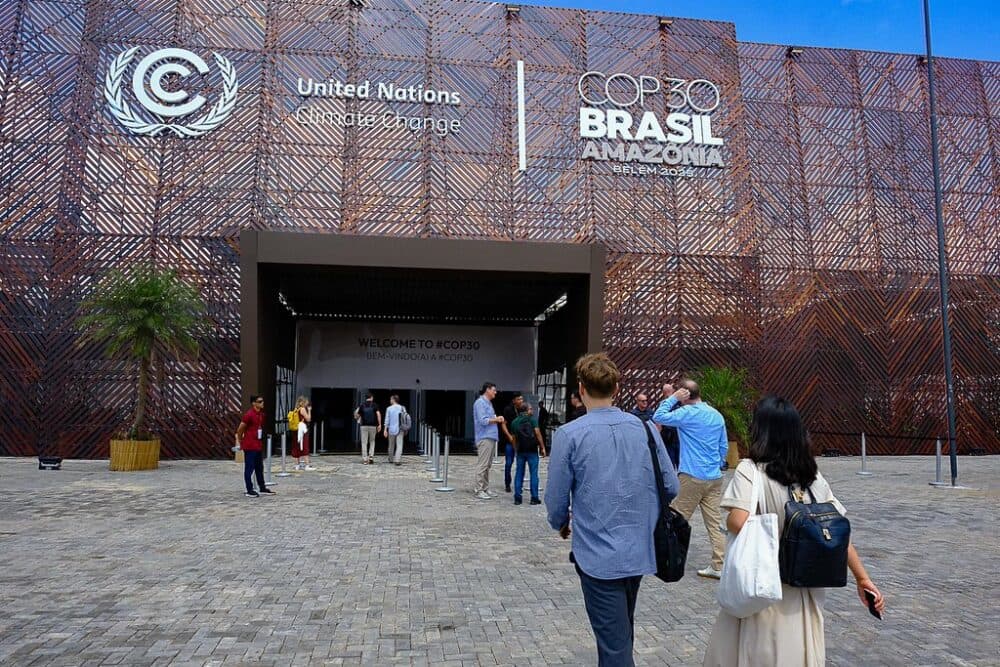
This trajectory extends beyond Europe. The Tropical Forests Forever Facility committed 125 billion dollars at COP30 in Belem. The Kunming-Montreal Global Biodiversity Framework established the target of conserving thirty percent of the world's land and waters by 2030. The Global Biodiversity Framework Fund has already approved projects in 71 countries. S&P Global identified nature-related financial risk as one of its top ten sustainability trends for 2026. The direction is consistent across institutions, geographies, and asset classes.
What makes this moment different from previous environmental assessments is the language. The IPBES assessment does not frame biodiversity loss as an ecological tragedy to be lamented. It frames it as a financial exposure to be managed. When 150 governments endorse a document that describes nature loss as systemic risk, the conversation has moved from the environmental ministry to the finance ministry. From the sustainability report to the risk committee. From the margin of the portfolio to its core.
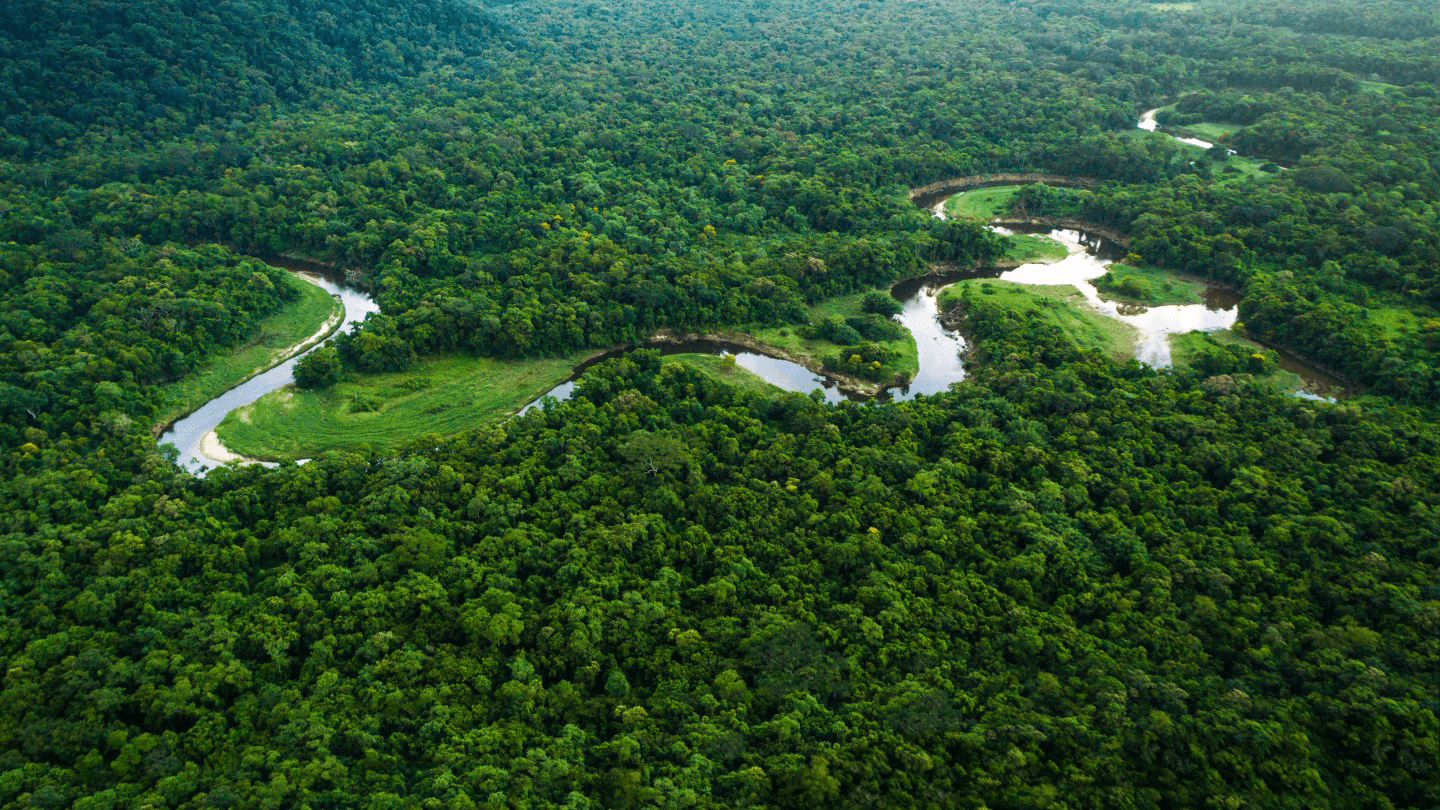
For those operating in conservation, this shift changes the fundamental positioning of the asset. Intact ecosystems are no longer valued solely for the ecological services they provide. They are valued because their absence introduces quantifiable risk into the systems that global capital depends on. A titled property of virgin rainforest under permanent conservation is no longer an alternative investment. It is a hedge against the systemic risk that 150 governments have now formally recognized.
Ecuador, where Hortus Deliciarum operates, is the only country on Earth where nature holds constitutional rights. The ecosystems we protect have the legal right to exist, to regenerate, and to be restored. Any person or organization can petition a court to enforce those rights. This legal architecture, established in 2008, anticipated by nearly two decades the conclusion the global financial system is now arriving at: that nature is not an externality. It is infrastructure. And its loss is not an environmental cost. It is a systemic one.
The ratio is thirty to one. Thirty dollars destroying nature for every one dollar protecting it. That ratio will not hold. And when it corrects, the positions that matter will already have been taken.
© Hortus Deliciarum Strategic Conservation | Ecuadorian Amazon
Contac: info@hortusdeliciarum.org
This document is provided for informational purposes. Data and findings are sourced from peer-reviewed research. Hortus Deliciarum does not provide investment advice. Readers should conduct independent due diligence.