
The water bankruptcy when conservation becomes building infrastructure ·
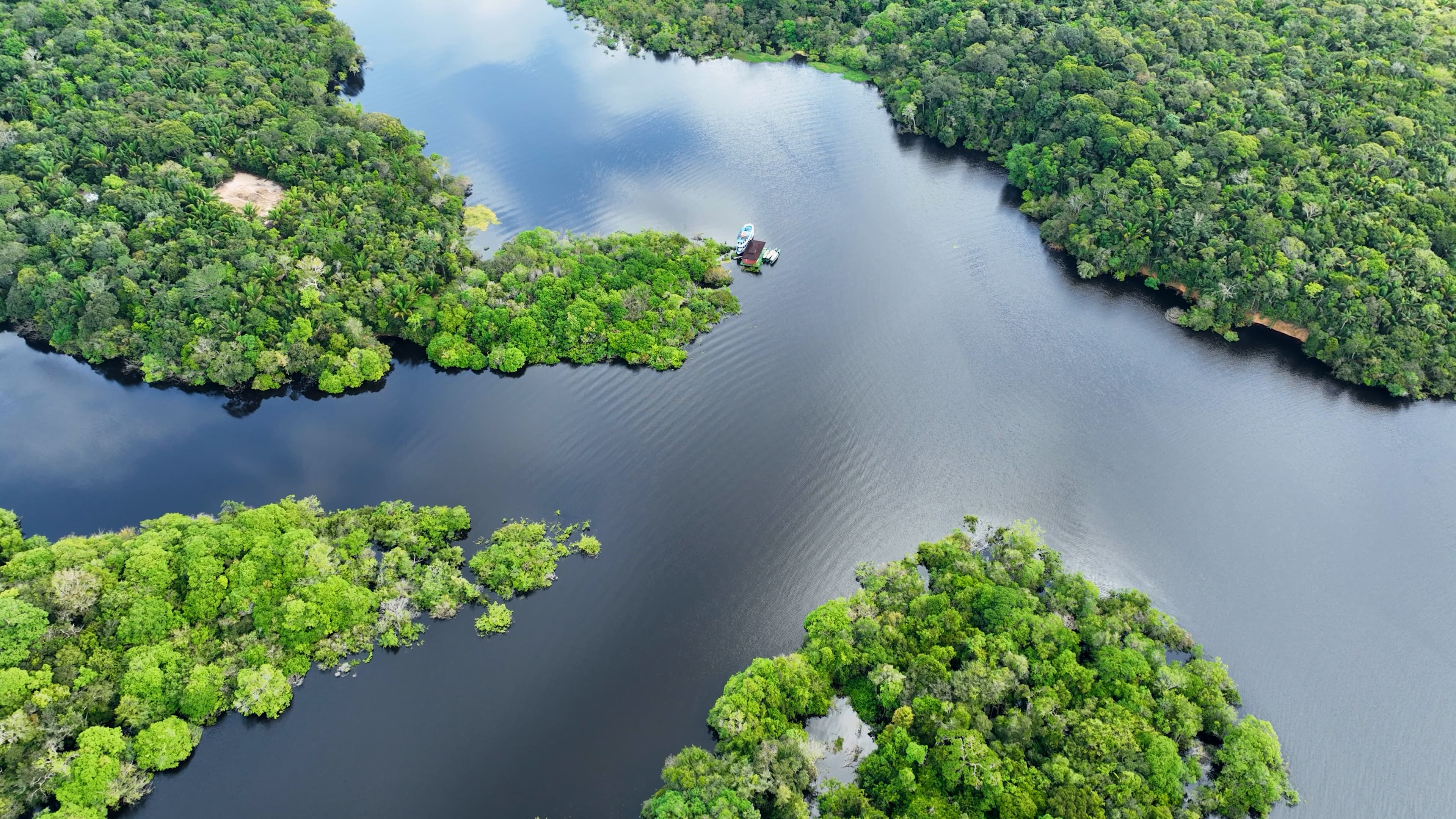
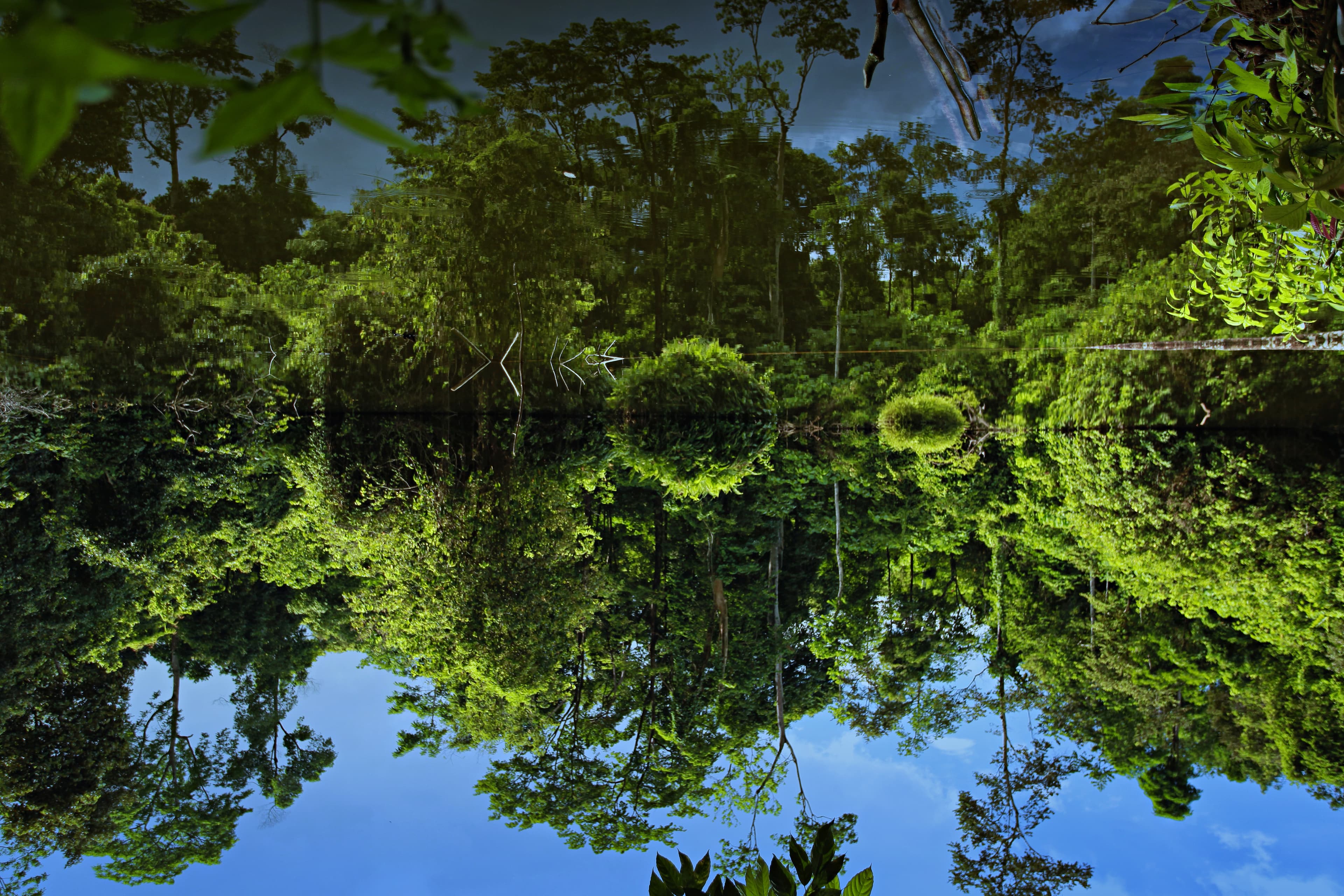
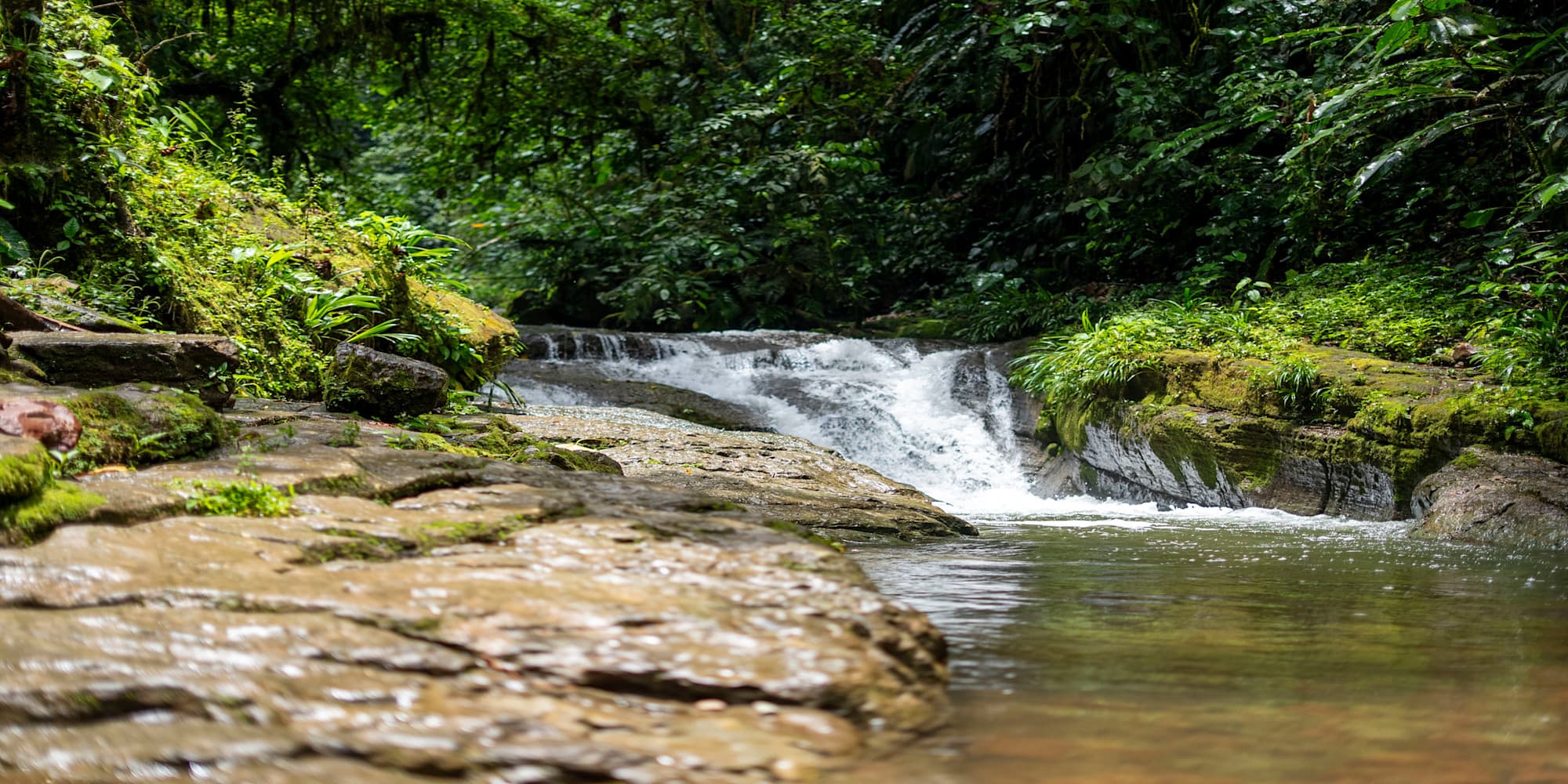
The first part of this analysis closed with a statement worth taking literally: if fresh water is regulated in ecosystems, then primary tropical forests cease to be a green backdrop and become something more precise. They are water infrastructure. The distinction is not rhetorical. It has magnitude, function and as will be seen a replacement cost the market has yet to internalize.
The Amazon quantifies the case. Each day, the forest releases between 15 and 20 billion tonnes of water into the atmosphere through evapotranspiration evaporation from the soil combined with transpiration from the trees through their leaves. That vapor forms moisture currents circulating at two to four kilometers of altitude, the so-called "flying rivers," with a flow estimated at around 200 million liters per second: a magnitude comparable to that of the Amazon River itself. Close to half of that volume falls again as rain over the basin; the rest travels thousands of kilometers and feeds the rainfall of the center, southeast and south of the continent. A recent valuation estimates the service of these flows at figures in the tens of billions of dollars a year.
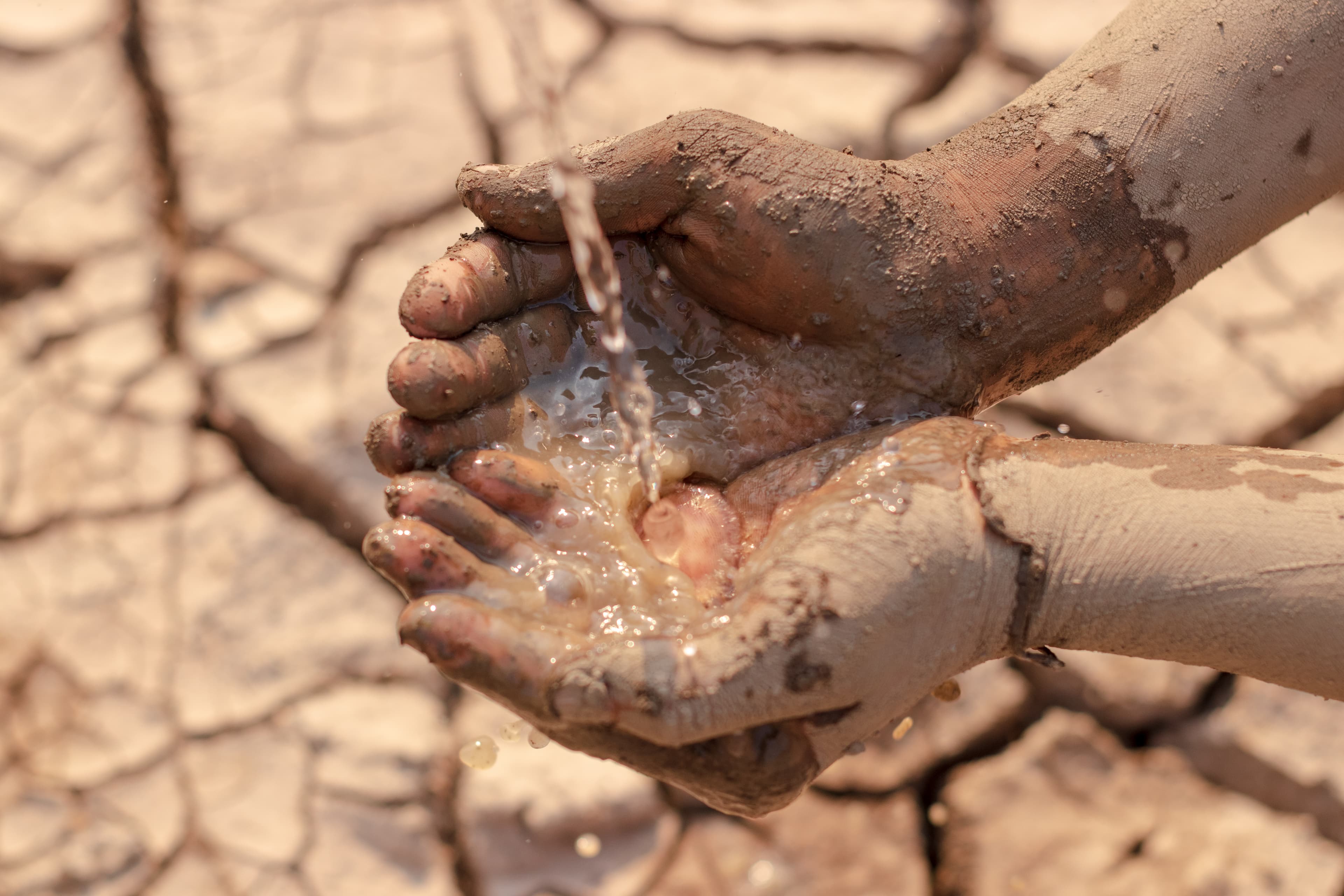
The economic relevance of the mechanism becomes clear once one looks at who consumes fresh water. Agriculture concentrates close to 72% of all withdrawals worldwide. Put another way: the system that regulates continental rainfall does not sustain a landscape it sustains the food production of entire markets. When the flying rivers weaken as has already been observed in recent droughts the effect does not stay in the forest: it travels to harvests, to prices and to trade balances located thousands of kilometers from the first leaf.
Here appears the property that sets this infrastructure apart from any other: its replacement cost is, in practice, prohibitive. A technology capable of manufacturing fresh water does exist desalination but its economics reveal the limits of the substitute. Producing one cubic meter of desalinated water costs between 0.70 and more than 1.25 dollars, against the 0.05–0.35 dollars paid for surface irrigation. For urban supply it is bearable; for agriculture, where the bulk of demand is decided, it is unviable at scale. The conclusion is uncomfortable but precise: when a forest that regulates rainfall disappears, there is no industrial plant that can restore its function at a price the productive system can pay. The only fresh-water production technology viable at a continental scale is an intact ecosystem.
This inverts the usual accounting frame. While institutional capital seeks exposure to infrastructure as a long-horizon asset class for its stable flow and its low correlation with financial markets the systems that produce fresh water are still recorded as undeveloped land, valued for what could be extracted from them rather than for what they generate intact. It is a mispricing sustained over decades. The water bankruptcy is beginning to correct it: as water migrates from abundant resource to strategic asset, the ecosystems that regulate it stop trading as scenery and start trading as critical infrastructure.
The consequence for the long-term investor is structural, not cyclical. An asset whose scarcity is global, growing and irreversible; whose demand is inelastic one does not stop drinking or eating; and whose production cannot be manufactured, only stewarded, meets the conditions of a patrimonial asset in the strict sense. Its value does not depend on the economic cycle, but on the time horizon of whoever holds it. And, unlike most real assets, it does not depreciate with use: a conserved primary forest increases its relative scarcity and therefore its value precisely as others disappear.
Hence the question posed by the water bankruptcy is not only how to distribute a resource that is running short. It is who will steward the systems that still produce it, and over what time horizon they are willing to measure their return. Fresh water was, for centuries, the asset taken for granted. It is ceasing to be one. And, like any critical infrastructure whose replacement cost cannot be paid, its value will be set not by those who consume it, but by those capable of conserving it.
This analysis draws on the United Nations World Water Development Report 2025 (UN-Water) and the statements of its panel of experts reported in January 2026; on the joint WHO and UNICEF data on access to drinking water (August 2025); on the study of aquifer decline published in Nature (2023) and subsequent analyses in The Lancet Planetary Health (2025); on World Bank estimates of annual fresh-water losses (November 2025); on AQUASTAT data (FAO, 2025) on agriculture's share of global withdrawals; on measurements of evapotranspiration and atmospheric moisture transport in the Amazon basin compiled by the FAO and the World Economic Forum; and on desalination cost estimates from the European Commission's Blue Economy Observatory.
© Hortus Deliciarum Strategic Conservation | Amazon
This document is provided for informational purposes. Data and findings are sourced from peer-reviewed research, government records, and verified scientific publications.